Nora had a comfortable life staying with her daughter Emily in a tidy cottage on the outskirts of York, but a quiet voice inside her kept whispering home. Emily had given her a spare room, the place was clean and wellkept, yet when Nora looked out the window her heart beat like a caged bird longing for freedom.
Each morning Emily would ask, Mum, what would you like for breakfastmilk, meat, or fish soup? Nora wanted to reply, Just a little stardust to make the journey home fasternothing special, just give me what youre already making. Dont fuss over me like Im a helpless old lady; Ill be planting the garden this spring, and the perennial roots are waiting in the cellar. Ill sow your favourite flowers and bring a bit of cheer, then Ill be on my way, so send me off while theres still time.
Both would burst into laughterEmilys highpitched giggle and Noras soft, aching smile. Laugh or not, spring is coming, she thought, her mind drifting back to her own little cottage, to her own patch of earth. Before dawn, when the first stars were still hanging in the sky, she would step onto the porch. Smoke columns rose proudly from the chimneys of nearby homes, birds sang their early greetings, and the day seemed blessed.
Down the lane, Jack was already driving the cow out to pasture, a habit he loved from the early hours. Lucy complained that Jack always returned drenched to the ears, his boots full of morning dew. Meanwhile, Colin hammered away on a new shed, rebuilding until the sun beat down hard. Mary rushed to the well for water, tended the livestock, swept the floors, and then hurried to check on Noras health, to complain to her motherinlaw and to scold the grandchildren.
Nora watched Emily and recalled her own street, her neighbours, the familiar faces. What soup could I possibly need? she mused, Id rather sip a hearty broth from the oven and share a pot of tea with friends, sweetened with a spoonful of sugar. Friends would often pop over for tea, bringing assorted sweets, fresh rolls, and a gulp of laughter. You brag about your cakes and quickrising dough, Nora would say, but you reach for the everlasting thingsthose that stay dear to us until the end.
She remembered the night she and William first slept in their new home. There was no tablejust a large barrel for a surfaceno chairs, just wooden crates, no curtains, no proper flooring. Orphaned, she never knew her parents; her grandmother raised her. When William proposed, despite his age, she was nudged into a welloff marriage.
William seemed the perfect matchhandsome and meek, obedient. His mother, Agnes, shouted and threatened to throw him out with his unwanted bride, but William stood firm, stubborn as a bull. Their father, though limping, was proud of his son. One day he slammed the oak dining table over, roaring, Silence! Were not sending our son to war, but to a life of family. He warned that riches would not harm a poor orphan, but if they were poor, they would suffer together.
He slipped off his belt, waved his wifes nose, and ordered a bath to be lit for the next days meeting. Thus they began their life together. William had two brothers and, by law, had to set up his own household. After a modest inheritance, he built a new house. He was strong, diligent, and loved his wife, Annabel, dearlyready to move mountains for her. Unlike his motherinlaw, William cherished Annabel, though postwar hardships meant she had to share the load. While Annabel was pregnant, she went to the meadow to cut hay. The latesummer hay cut was tricky; tall reeds grew in waterlogged clumps, long and sharp, nicking any careless hand. The villagers called those clumps bottoms. Assuming Nora couldnt manage, the motherinlaw handed her a sickle. Standing in shallow water, barefooted, Nora worked swiftly, then carried the bundled reeds on her back to dry them, preparing hay for the cow. Day after day she went to the meadow, her hands cut, her toes bruised, her back aching.
One morning she woke with a pounding headache, burning temples, fever, chills, and weakness that seized her limbs and back. Her stomach felt heavy as if it had dropped to her knees. Agnes grumbled, No need to push yourself; youre pregnant, you cant handle that sickle. Nora could not rise; the heat was so intense that William, placing a hand on her forehead, yelped, Ill fetch the doctor. Later, William wept on the doorstep, blaming himself for not protecting his first daughter. Agnes tried to soothe him, her words as sharp as the reeds: Shell have another child, maybe a boy, but you must not drown in sorrow. Go eat, get some rest; the hay will wait.
William realized his grief was not only for his wifes suffering but also for the loss of the farmhands help. But Agnes forced Nora to stay in bed. The baby never came, yet milk flooded her breasts like a scorching iron on fire, causing fever and excruciating pain. Agnes wrapped a tight cloth around Noras chest, insisting she endure, saying the milk would soon dry up.
Nora wanted to be alone, to weep for the child she never held, to feel the helplessness. She stared at Agnes, felt the roughness of her hands, and thought that the first step she took would be towards her motherinlaw, because she felt unwelcome. She saw no one, heard no scolding, could not bear the faces around her. William split his time between the building site and the meadow, leaving Nora alone. She ate nothing, drank nothing. Eventually the fever broke, but the bitterness of her loss lingered forever.
Whenever Agnes saw that nothing was touched on the table, she would say, Work up an appetite before you can eat. William eventually finished the roof, installed a stove, glazed the windows, and moved with Nora into a brandnew house. Their grandmother later gave them a cow, ten chickens, a piglet, and their father brought sacks of flour and grain, admonishing, Son, dont hold a grudge against your mother; she works hard, cares for you, and wants the best for you.
Two years later Nora gave birth to a son, and then a daughter each year after that. The children grew up, helped around the farm, and respected the family rule: honour the elders, be kind to the young, obey parents, and love learning above all. After school, each child pursued the career they felt called to.
Each evening, after the days chores, William and Nora would sit on a bench in their splendid garden, surrounded by flowering shrubs that seemed to echo their memories. Every apple tree was named after a childEmily, gentle; Hannah, steadfast; Thomas, initially sharptasting but sweetening with time; Lucy, never bitesize but always full of flavour.
Nora often thought of her first daughter, imagined the woman she might have become, and William apologized, Those were hard, cruel times. We men thought if a wife worked side by side, it was no big deal. I took you for granted, and when we lost a child I realised how terrible that was. I promise to give our daughters the care I failed to give you.
As the children started their own families, visits became rarer. William grew old, stooped, and fell ill often. One day he spoke of the moment he would leave, urging Nora not to rush to the grandchildrens homes. The walls, the garden, the earth they have a soul. When you walk among the apple trees, theyll greet you, remembering you from youth to old age. Theyll stand with you, sharing the warmth of home. Stay here, be queen of your own castle, until you truly need to go.
Nora, hearing his words, felt a sudden clarity. No argument or plea from her children could move her: Take me home, or Ill walk away myself. I cant stay, Im tired, my throat is raw, Im drying out. Please, dont let this be my sin.
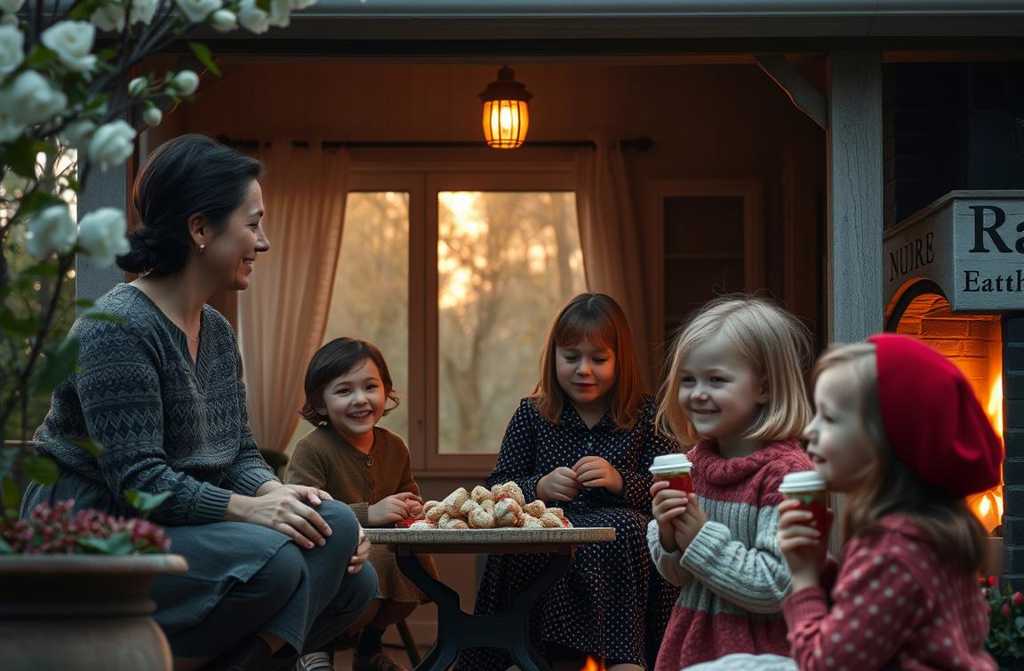
News spread quickly that Nora had returned home. Friends arrived with gingerbread and sweets for tea, dancing with joy. The garden welcomed her with the first unfurling leaves, rustling and smiling. The hearth, once cold, flared with warm pride, embracing her with its glow.
Every day the children called, and Nora would answer, Thank you for your care; now well look after the house and garden ourselves. Sending you our love and a deep bow.
In the end, Nora learned that a house is more than bricks and roofs; it is the memories, the love, and the quiet strength that linger long after the years have passed. The true home lives in the heart, and it is that heart that keeps us warm wherever we may be.