Five years ago Leonid Petrovichs world collapsed, only to rise from the ashes with a dazzling new vigor. At that time his sixyearold daughter Martaan angel in human formbegan to lose her strength. The smile that once lit the darkest rooms grew rarer. Doctors, first restrained and then icy, delivered a verdict: an incurable disease, a brain tumor. A word too terrible to speak without shaking. For Marta it was not a sentence but a challenge she met with the dignity of a queen.
Leonid and Galina, whose hearts had been broken before they even realized they could be, did everything to give their daughter a chance at a normal life. They dreamed of Marta going to school, learning letters, counting, hearing a bedtime storythings ordinary for many, a heroic feat for them.
They hired a tutor, Darya Viktorovna, a woman with warm hands and a wise heart. Within two weeks she noticed a worrying sign: after each halfhour lesson Marta suffered a sharp headache. The girl clutched her temples, turned pale, yet stubbornly begged to continue. I want to learn, she said. I have to keep up. Darya, unable to stay silent, gently but firmly urged the parents to see a doctor:
This may be more than fatigue. It needs a serious checkup.
Galina, with a mothers intuition, sensed something was wrong and booked an exam for the same day. The next morning the whole familyfather, mother, and the fragile, springflowerlike Martawent to the hospital. Leonid, a strong, confident businessman, convinced himself it was a youthful growingpains issue that would pass. He could not, physically could not, accept the idea of his daughter being ill. Marta was a miracle, a longawaited child born when Leonid was 37, the age when many think children are no longer possible. Every morning they whispered, Thank you, Lord, for her. Now it seemed the divine was taking its due.
Three hoursan eternitypassed within the clinics walls. The doctor was as cold as winter wind. The following morning, after leaving Marta with a nanny, the parents returned for the results. In the consultation room they met silence and a heavy stare.
Your child has a brain tumor, the doctor announced. The prognosis is grim.
Galina swayed like a felled tree. Leonids face turned to stone. He stood in a fog, refusing to believe, unable to accept, unwilling to admit. This could not be true. It must be a mistakea cosmic error. They rushed to another clinic, then a third, then a fourth. Each time the same diagnosis, the same verdict.
Thus began a battlefor every day, for every breath. Leonid and Galina sold their business, house, car. They flew to America, Germany, Israel, paying for experimental treatments, toptier clinics, hopeful possibilities. Medicine, however, could only shrug. Marta faded, slowly, inexorably, yet still with a smile.
One evening, as the sun painted the room gold, Marta whispered to her father:
Dad you promised me a puppy for my birthday. Remember? I really want to play with it Will I get it in time?
Leonids heart ripped. He squeezed her tiny hand, looked into her luminous eyes and whispered:
Of course, sweetheart. Well get it. Youll definitely play with it. I promise.
Galina wept through the night. Leonid stood by the window, staring into darkness, murmuring to the void:
Why are you taking her? Shes so kind, so bright Take me! Take me instead! Im useless to this world, but sheshes needed by everyone!
The next morning he slipped into Martas room, cradling a small golden retriever puppy with eyes full of tenderness. The pup burst forth, bolted across the carpet like lightning, leapt onto the bed. Marta opened her eyes and, for the first time in a long while, laughed.
Dad! Hes beautiful! she exclaimed, hugging the puppy. Ill name him Zeus!
From then on they were inseparable. Zeus became her shadow, protector, voice when words failed. Doctors gave Marta six months; she lived eight. Perhaps love for Zeus gave her strength; perhaps it was a heavenly gift that endured.
When Marta could no longer rise, she spoke softly to the dog:
Ill leave soon, Zeus. Forever. You may forget me but I want you to remember. Take my ring.
She slipped the tiny gold band from her finger and placed it on his collar. Tears streamed down her cheeks.
Now youll definitely recall me. Promise.
A few days later Marta passed away, quietly, in her parents arms, with Zeus at her side. Galina lost her mind to grief. Leonid became a stranger to himself. Zeus stopped eating, stared at the void, waiting. After a week he vanished. Leonid and Galina searched everywhereparks, streets, basementsfeeling guilt, for the dog was more than a pet; it was Martas final gift, her soul embodied in loyalty.
A year later Leonid opened a pawnshop and a jewelry workshop, naming them Zeus. Every piece of jewelry held a fragment of memory; each cash register chime echoed Martas laughter.
One morning his faithful assistant Vera announced:
Leonid Petrovich, a girl has arrived. Shes in tears. Please come.
He stepped into the lobby and froze. Before him stood a nineyearold girl in tattered clothes, eyes wide with feareyes identical to Martas: dark, deep, nightlike, full of pain and hope.
Whats wrong, sweetheart? he asked gently.
My name is Ulyana, she whispered. I have a dog Muhhtar. He showed up one day, dirty and starving. I saved him, fed him as best I could even stole food. My aunt beat me for it. We lived in a basement; he was my protector
Her voice trembled.
Today some boys poisoned him. Hes dying. I have no money for a vet. Take this ring. It was on his collar. Please help
Leonid looked at the girls palm and felt the ground slip away.
There, on her hand, lay the same tiny gold ring, scratched on the inside by a childs fingernail.
He dropped to his knees, eyes brimming with tears. Everything fell into place. The world turned upside down and then became clear again.
Put it on, he whispered, his shaking hands returning the ring to Ulyanas finger. His former owner would be so glad you love him as she loved Zeus.
Zeus? Ulyana asked, surprised.
Ill explain everything. Now lets go. Well get Muhhtar and save him.
They drove to a rundown building. The basement was dark and damp; on an old mattress lay the dog, thin, breathing with difficulty. When Leonid entered, the dog opened his eyes and licked his hand.
Zeus Leonid murmured. My dear, youre here.
Veterinarians fought for the dogs life. Ulyana prayed. Galina, arriving at the last moment, embraced the girl:
Youre welcome here. Youll play with Zeus. Hes been waiting for you.
Within an hour Zeus was safe, and Ulyana began a new life. She visited daily. Galina dressed her like a princessdresses, bows, hair clips. One day Ulyana didnt return. Zeus paced anxiously, sniffing the air.
Somethings wrong, Galina said.
Lets go, Leonid replied. Zeus knows the way.
They arrived at a grim apartment building. The hallway reeked of mold and despair. On the second floor a drunken, angry woman opened the door. Zeus darted past her and burst into a room.
Ulyana lay on a bed, bruised and bleeding.
What have you done to her?! Galina shouted.
Shes to blame! She steals! the aunt screamed.
Youre a criminal, Leonid said coldly. Justice will come. Now were taking the girl.
Ulyana was treated in the hospital. Using all their connections, Leonid and Galina secured her removal from the aunts custody. She became their daughternot on paper, but in heart.
And Zeus? He slept at her feet each evening, the ring still on his collar. Whenever Ulyana stroked him, she whispered:
You remember her, dont you? You remember Marta?
Zeus looked up, licked her hand, as if saying, Yes. I remember. I always remember. Love never dies; it only changes form.
Thus, from pain, loss, and tears, a miracle was borna miracle called hope.

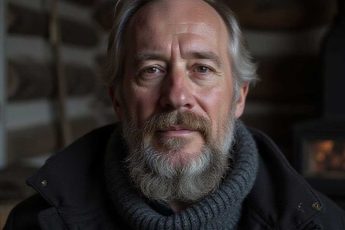
The Heartwarming Tale of a Young Girl Who Pawned a Unique Ring to Heal a Stray Dog: A Jeweller’s Kind Act Leaves Everyone Astonished