Let go, I had it first! Claras indignant voice echoed across the kitchen.
No, I did! It was on my side of the table!
Jamie gripped the chocolate bar with the stubbornness of a terrier, refusing to loosen his hold. Clara, equally determined, clung to her side of the wrapper, and the golden foil started to tear under the siege of four hands.
Helen hovered by the kettle as it began to whistle. Just another sibling spat, she told herself. Thered been dozens. But something this time made her pause and just watch, instead of stepping in as usual.
Alright, thats enough! Pack it in! Tom appeared in the doorway, and Helen noticed how her husband didnt even bother to ask what had happened. Clara, give it to your brother. Now.
But its my chocolate! I bought it with my own pocket money! protested Clara.
Hes younger. Let him have it.
Three words. Just three words. Helen watched Claras face changeoutrage replaced by something else, something old and bitter. Her daughter let go, and the chocolate was left in Jamies small hands.
Clara turned away slowly, not uttering a word. Her shoulders slumped, as though an invisible weight had pressed her into the floor. Twelve years old, and she walked like a little old lady. Helen watched her retreat, baggy T-shirt and all, until she disappeared around the corner.
Here we go again, all over nothing, Tom said, kneeling next to Jamie, his hand ruffling the boys hair. Dont mind her, son. Girls, you knowthey make a mountain out of a molehill.
Jamie smiled up at him, busy tearing open his chocolate now. Eight years old, dimples in his cheeks, spoilt and entirely certain of his own rightness.
Helen poured boiling water into mugs, her hands working on autopilot while her thoughts spiralled backback to three years ago, when shed decided Tom would make a brilliant stepdad for Clara.
Theyd met at the school, of all places. Tom, a devoted single dad, raising Jamie alone after his divorce, seemed ideal. They started chatting, traded numbers, dated. Helen fell for his dependability, for how gentle he was with Jamie. This, she thought, is someone who understands what its like to be a parent.
Shed taken Jamie to her heart, cooking mountains of pancakes for him every Sunday, helping with homework, patching up skinned knees. She wanted so much for them to be a real family together, and for a while, it felt like she was succeeding.
But what did Clara get in return?
The girl who used to gab on and on about school, friends, or the latest TV show now responded with monosyllables. Yes. No. Fine. Dont know. Her bedroom became her sanctuary, the door closing tight right after dinner.
Helen blamed puberty, hormones, the challenge of adapting to a new familyanything, really, rather than seeing the obvious.
But after todays chocolate bar incident, she made a decision. She would observe. Just watch.
And now she started to notice everything she hadnt wanted to see before.
Dessert for tea. Tom always did the cake slicing, handing Jamie the biggest chunkthe one with the iced rose on top. Clara always got a sliver, the smallest slice.
Evenings in front of the telly. Jamie loved football, Clara wanted a documentary about the Pre-Raphaelites. Tom flicked it straight to the football, no discussion.
The computer. Jamie always got first dibs and could play for as long as he liked. Clara waited until her brother was bored with it.
Small things, werent they? Yet these tiny moments were building up into her daughters entire childhood.
April arrived, and with it, Jamies ninth birthdaya red-letter day, apparently. Tom beamed as he handed over a massive box of Legoa fairytale castle with three thousand fiddly bits, just as Jamie had prayed for since Christmas.
Dad, this is the BEST present ever!
Helen threw in a blue bike with gears, which Jamie was almost beside himself aboutwhooping, hugging her, promising to ride it every day. The house was full of treats, Jamies classmates arrived, laughter and shrieking filled the flat.
Clara helped with laying and clearing the table. She wished Jamie a polite happy birthday. Helen, for a fleeting moment, thought this must be what family happiness feels like.
A month later came Claras turn. Thirteen at last
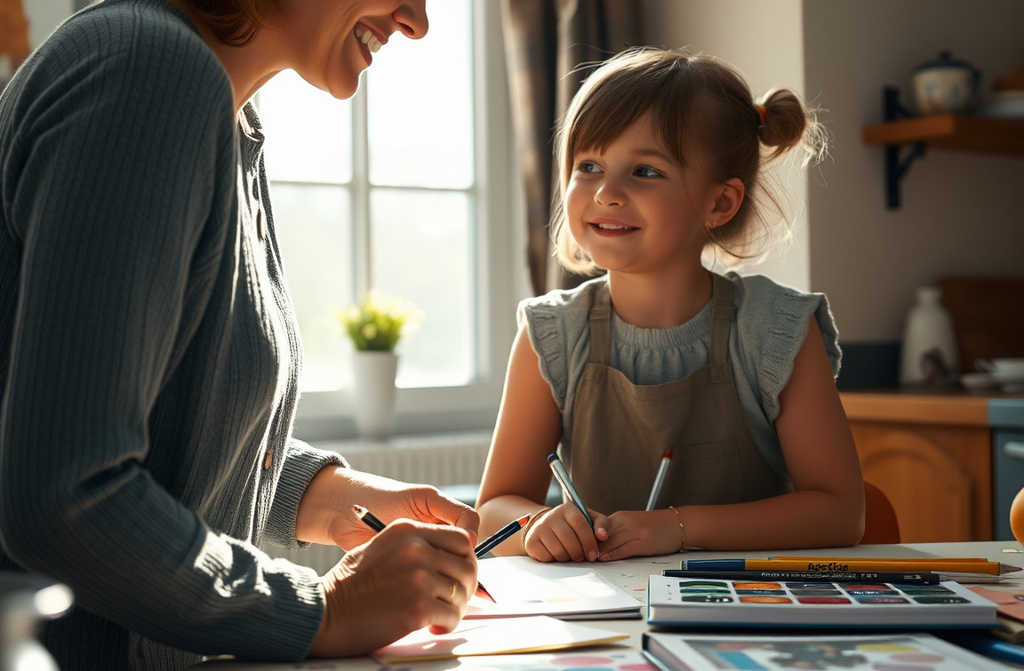
Helen had been planning for weeks. She visited several art shops, pestered the staff. She bought a proper set of paintsforty-eight shades, all tucked into a wooden box, with brushes of every size imaginable. And the pièce de résistance: a proper easel, adjustable legs and all. Clara had sighed over this exact thing for almost two years.
Party food, a few guests, candles on the cake. Clara blew them out on the first go and made a wish. Helen handed over her presents first.
Claras eyes shone so brightly Helens heart ached. She opened the paint case as though it were treasure, her fingers tracing the tubes. She stroked the brushes, touched the wood of the easel, not saying a wordher whole face said it all.
And this is from me, said Tom, thrusting forward a small box.
Clara unwrapped it. A puzzle. Starry Night by Van Gogh, thousand pieces. The £5 sticker wasnt even peeled off properly.
The room fell silent. Aunt Martha, Helens childhood friend, looked away. Grandma Edith pursed her lips into a splinter.
The colour drained from Claras face. The light went out in her eyes, like someone had flicked a switch. She looked from her stepdad to her mum. She spoke with the sort of wisdom children should never have:
You love him more than me.
Silence filled the room.
Oh Clara, come on now, Tom grumbled, rubbing his neck. I just had a lot on at work, didnt have time to find something special. A puzzles nice, isnt it? Good for patience. No need for dramatics.
Jamie awkwardly shuffled his feet, looking from his sister to his father. The boy clearly knew something wasnt right, but he hadnt a clue what to do about it.
Helen stared at her husband and felt as if she was truly seeing him for the first time. Three years. Three years of endless concessions, small acts of unfairness, indifference. And every time, shed found an excuse. He was tired. He didnt mean it. Jamies younger. Clara should be more mature.
But Clara was still just a child. Her child. And Helen had let her down.
Her daughter stood upnot a single tantrum, no slamming of doors. With a dignity thirteen-year-olds shouldnt possess, she quietly left for her room and gently shut the door.
The guests began making their excuses. Aunt Martha muttered something about an urgent errand. Grandma Edith lingered in the hallway, squeezed Helens hand, and said only, Think about it.
Tom stewed all evening.
This is gratitude, is it? I put food on the table, buy her clothes, give her a roof over her head. And all I hear is you love him more than me! Spoilt rotten, she is. Wouldnt have got away with that in my dayId have had the strap for less.
Helen washed up in silence.
Just before midnight, when Tom was snoring on the sofa, she went to Claras room and knocked.
Clara sat on her bed, knees tucked up, sketches strewn in her lap. Watercolour landscapes, pencil portraits, oil doodles. The kid had real talentyou could see it in every line.
Mum, Im sorry, Claras voice quivered. I didnt mean to ruin the day.
Helen sat down beside her, wrapped one arm around her bony shoulders.
No, Im sorry, she whispered back.
And they sat together for ages, until the tears dried upfor both of them. Then Helen got to work.
She moved about quietly, every action deliberate. Passports, birth certificates, into the bag. Just the essentials for clothes. There was enough money on her bank card. Claras laptop, her art supplies.
Tom snored away, completely oblivious.
At dawn, Helen shook Clara gently awake.
Pack your things, love. Were going. Were off to Grans.
Clara blinked, confusedthen something like hope flashed across her face.
Twenty minutes later, bags straining their arms, they stepped out onto the pavement. The May sun had only just crawled up above the rooftops.
The phone started ringing after nine. Tom. Tom again. Then Tom once more. Helen glanced at the screen, read the name, never picked up.
Texts rolled in thick and fast: Where are you?, Helen, this is silly!, I want answers!, SorryI lost my temper. Please, lets talk.
Edith welcomed them with warmth only grandmas genuinely possess. She hugged her granddaughter, then her daughter, asked nothing, just led them to the kitchenkettle already beginning to boil.
A week trickled by. Clara slept for ages, drew for hours, hardly spoke. One night, Helen found her hunched over a cold cup of tea, shoulders shaking.
Mum, its because of me, isnt it? Clara whispered. You left because of me. I ruined your family.
Helen sat down opposite her.
No. Do you hear me? No.
But if I hadnt made a scene at my birthday
You spoke the truth. The truth I was refusing to see.
Claras eyes, swollen with tears, searched her mothers face.
Theres no one more important to me than you, Helen squeezed her daughters hands. Your happiness is what mattersnot marriage, not what people think, not being afraid to be alone. You. Always you. Understand?
Clara nodded and then sobbedthis time from relief.
And then came the divorce. Tom never did figure out why they left, which only confirmed Helens decision.
A month later Clara joined the community centres art club. The teachera steely-haired lady with a faint whiff of linseed oilpeered at Claras sketchbook and declared, Youve got a talent, my girl. Not often I see that.
Helen found a job as an account assistant at a small business two roads over from Grans. It wasnt glamorous, but it paid enough.
Every evening, the three of themGran, Helen, and Claraate dinner together. Edith would tell tales from her youth, Clara shared new drawings, and Helen laughed like she hadnt in years.
One day, Clara stormed in all red-cheeked and breathless from art club.
Mum, guess what? My still life with oranges is going to be shown at the town exhibition!
Helen hugged her so hard they nearly toppled over.
True family, Helen realised, is built on love. Equal, honest, unconditional love. And that, finally, is what she and Clara had found.