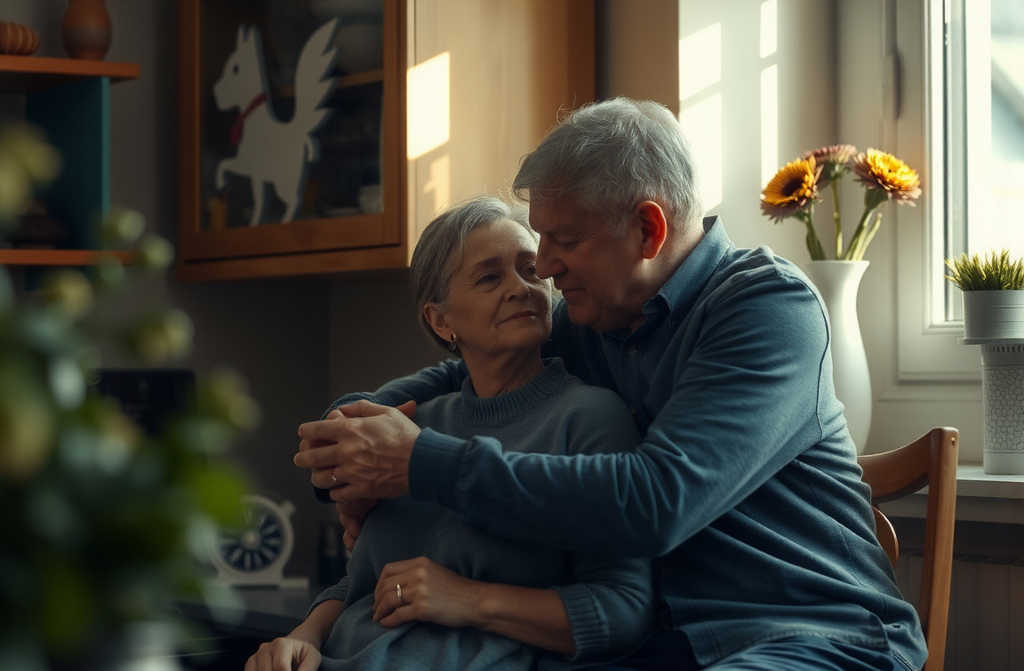
A Fathers Heart
When the train finally halted at the familiar platform, Edward suddenly realised he couldnt remember the scent of home. Ten years is a lifetimelong enough to raise a child, build a house, lose yourself, and find your way again. But the memories of the smells of your hometown fade away in the first six months.
He stepped onto the platform and inhaled deeply. The air brought hints of coal, damp brick, and something else that pricked at his hearta trace of childhood, perhaps.
Edward adjusted the strap of his rucksack and headed for the exit.
At thirty-two, he felt like a naughty schoolboy about to be scolded by his parents. The thought made him chuckle nervously, and yet he was terrified.
***
Ten years earlier, hed left from this very platform. That day had been warm, buttercups blooming by the track. His mum had wept, his sister Grace, a mere fourteen-year-old, clung to his bag and refused to let go.
Dont go, Eddie, please! Theres life here too! she sobbed.
Theres no life here, Grace, he retorted. Its a swamp. Id rather drown in the depths of the city than rot here.
His father said nothing. Hed been quiet lately, especially after that last talk.
That conversation happened a month before Edward left. He came home after a miserable shift at the building sitefilthy, tired, earning penniesand announced over dinner, Im moving to London. Mikes running a crew there, says the moneys decent.
Mum paused, ladle in hand. His father put down his fork.
So youre leaving us? his father asked quietly.
Im not abandoning anyone. I just want to live. Youve lived your life in this dump, and what for? Edward gestured at the peeling wallpaper, the battered old fridge groaning in the corner, the draughty window frames. Is this what satisfaction looks like?
Oh, so you think theyre just going to throw their arms open and welcome you in London? his fathers tone turned sharp. Someone always needs a pair of hands, but your soul…
I have one soul and itll wither here, Edward cut in. With your dont rock the boat and what will the neighbours think. Im done.
His father quietly stood up from the table. Go, then. Since were in your way. But know this: there may be no road back.
Im not planning on coming back, Edward said, and slammed his bedroom door.
A month later, he was gone. His father hadnt come to the station. Later, Mum described how hed spent the day in the garage, come home late, had a drink, and stared out of the window.
Edward thought, Hell get over it.
A new life began to spin.
***
London was tough at first, much as Mike had promised help with a job and a place to stay. Edward worked like a demon: building sites, renovations, then his own crew, eventually a little business. There were ups and downs, women, money, and stretches without a penny to his name. He even married oncelasted three years, separated quietly when he realised she wasnt his match.
Mum would ring once a month, telling him about Grace (now an accountant, married, with a daughter of her own), about the neighbours, about Dad still grinding away at the factory, keeping silent. Edward would nod, half listen, promise to visit, then never make the trip.
Why dont you call your dad? Mum would ask. He worries, you know.
Mum, if he wanted to talk, hed ring. I wont force myself on him.
In truth, his father never called, not once in ten years. Even on Edwards birthday, only Mum would answer the phone, Dad always in the background, silent. Edward would stew in anger: Is this pride? Im still your son.
He didnt understand then: his fathers silence wasnt pride. It was fearfear of hearing indifference in his sons voice, the same chill as on the day he left.
***
One day, Grace rang.
Edward, come home, her voice was strained, tense. Dad hes not himself. Maybe seeing you will bring him around.
Edward had just wrapped up another project, contracts overflowing in his mind. Then this calla jab of guilt long suppressed.
Whats wrong? he asked.
I dont really know, Grace sighed. Hes faded. Mums in tears. He goes to work, comes home, and just sits there, silent. Maybe you
All right, Edward cut her off. Ill come.
And now, here he stood, nerves pounding in his chest.
Mum met him at the door in tears, hugging him tightly before ushering him into the kitchen. Grace burst in later, husband and daughter in towall bustle and chatter. And Dad?
He sat in his chair by the window, watching the telly. When Edward entered, he turned, their eyes met, then Dad instantly looked away.
Hello, Dad, Edward said.
Hello, his father replied softly, returning his blank gaze to the television.
Edward hovered awkwardly before slipping back to the kitchen.
Whats wrong with him? he asked his mum quietly.
Hes just getting old, love, she answered with a weary sigh. Dont mind, hes glad to have youreally, he is.
But Edward saw it: if gladness was there, his dad couldnt show it. Ten years of silence is no jokeits a wall of concrete by now.
***
That week left a mark Edward would never forget.
He tried to break through to his fathertelling stories of London, work, divorces. His father listened, nodded occasionally, eyes sometimes devouring Edwards face, as if memorising every detail. But every time Edward caught his fathers gaze, the old man would look away.
On Friday night, they sat alone in the kitchen. Mum at the neighbours, Grace gone home.
Dad, Edward blurted out, unable to bear it, is this why I came? Are you still angry with me, after all these years? Please, just say it.
Dad was silent for what seemed an eternity, then looked up, his eyes hollow with exhaustion.
Im not angry, son. I just lived as best I could.
So whyd you never call? Never say anything?
What was there to say? his father smiled bitterly. Come home? You wanted your own life. I let you.
Thats not an answer, Edward replied.
There isnt another one, his father muttered, struggling to his feet. Id best gogot a right headache.
He left for his bedroom.
Sunday morning, Edward was jolted awake by his mothers frantic cries.
Tom! Tom, whats wrong?!
Edward stumbled into the hall. His father lay sprawled on the floor, Mum kneeling, shaking his shoulders, his face ashen, eyes closed.
The ambulance arrived quickly. The paramedics worked, injected, shook their heads. At the hospital, Edward sat numbly in the waiting rooms hard chair. Grace arrived, tear-streaked. Mum kept it together, but her hands trembled.
Hours later, a doctor emerged.
It was a heart attack, he said wearily. Quite a severe one. We couldnt save him. Too much strain on a worn heart, perhaps a big shock Im very sorry.
Mum slumped onto the bench. Grace sobbed. And Edward
He recalled only his fathers weary glance, his parting words: Id best gogot a right headache.
***
Late that night, with the house silent, Edward sat in the kitchen, a forgotten cup of tea cold at his elbow, the phrase echoing: It was my fault.
The doctor cited a worn-out heart. But Edward knew it hadnt worn out from years at the factory. It wore down from silenceten years with a son far away, not calling, never visiting, as though hed ceased to exist.
And then, when Edward did come back, his fathers battered heart couldnt copetoo many emotions burst in at once: joy, pain, pride, love, regret, fear. It was all too much.
Edward remembered how, throughout those final days, his father would covertly glance at him, as if frightened Edward might notice and look away. That tight silence, all the things he was desperate to say.
And Edward? Hed pestered: Why are you angry? Why the silence? Hed demanded reasons instead of simply reaching out for a hug, or saying, Dad, Im sorry.
He never said it. It was too late.
***
At the funeral, Mum was stoic, only her lips quivering. Grace dabbed her eyes. Edward gazed down at his father: peaceful, at last. His lines had smoothed. Now, at last, he was silent forever.
At the wake, old family friend Auntie Joan spoke up:
Your dad waited for you, Edward. You couldnt see it, but we did. Hed sit by the window every day, watching for you. When you came, he brightenedbut it was too much for him, in the end.
Edward nodded, twisted up inside.
Afterwards, he drifted into his dads room. On the wall hung an old photoEdward as a boy of five, laughing on his fathers shoulders. On the bedside table, his yellowed primary school certificate in a frame. And a pile of London newspapersthe ones his dad had subscribed to for years, perhaps to feel less distant from his son.
Edward sat on the edge of the bed and wept for the first time in years, sobbing like a child.
Im so sorry, Dad, he whispered into the empty silence. I didnt know. I truly didnt.
***
A year passed.
Edward never made it back to London. He stayed in his hometown, renting a flat, taking a site manager job with a local contractor. Mum said hed changedhe was quieter now, more reflective.
At night his father sometimes appeared in dreams, sitting by the window, silently watching Edward, who tried to speak but couldnt utter a word.
Edward awoke, heart pounding, drenched in cold sweat.
He visited his fathers grave often. Hed sit, sometimes in silence, sometimes talking about work, about the weather, how Mum was calmer now.
Dont worry, Dad, hed say. Im here nowI wont leave again. Just forgive me.
A breeze rustled the birch leaves by the headstone. Sometimes Edward fancied it was his father answering. But it was only the wind.
The guilt never left, but not because Edward was a bad sononly because hed learned too late that fathers are not immortal. Silence does not always mean indifference. Sometimes, silence is the loudest cry for love, one we fail to hear.
Now, every Sunday, Edward calls his mother. He rings, no matter how busy or tired, and asks, How are you, Mum? Then he sits and listensreally listensto her recount the neighbours dramas or Graces latest row with her husband.
He has learned to hear, because he knows: some things are only understood when theres no time left to say them.
Such is the lesson Edward carries: love is too precious for pride or silenceif you care, never wait to say it out loud.