Dont lie to me, Mum.
Nana, can I ask God to bring Mum back?
The old woman standing nearby crossed herself, while Granny Kate waved her tiny great-granddaughter closer.
Ask away, my dear, ask for anything you like from God, she gently nudged little Lucy towards the oak-framed painting of Mary in the corner.
In the small Hampshire village, both the old woman and her great-granddaughter prayed for the same thing. One with the weight of age and doubts, the other with the sweet naivety of childhood.
Thats how Rachel, Lucys mum, saw it. She was well aware her grandmother kept taking her daughter to church, giving her communion, passing notes to the vicar. Ruining the child with that backward nonsense, Rachel thought.
Of course, shed fetch her daughter soon and put things right. Soon, but not quite yet…
Oh, Ill fetch you, sweetheart, and well go to the seaside together, darling! You wouldnt believe the sunsets there all crimson, and the sunrises are gleaming, the nights are endless and every moment together is forever, shed recite, arms wrapped tight around Lucy.
They sat in the overgrown garden, fenced off with rotting wooden stakes, hens wandering the muddy path. The house, timbered with thick pine, was sagging; the bottom beams had sunk into the earth, and the roof bowed in the middle.
Beside them stood a great water butt, yellow, rain-washed water trickling in from the gutters.
And the sea waters salty, Lucy. Salty! So clear youd see your toes. Not like this, Rachel dipped her fingers in the butt, shook her head and sighed, Ill fetch you. Just give me a bit of time.
There was no one in the world Lucy loved more than her mum. Of course, she loved Granny too, but Granny was old, not pretty, and nothing like Mum.
Mum even smelled different. Of strange flowers Lucy always imagined they grew by the sea, the one shed soon see with Mum.
Granny, Mums taking me to the seaside soon. The seas crystal and salty, not like ours here, Lucy boasted when Mum had gone.
Oh, yes, yes, youll go, ducky, Granny Kate would sigh and look through the small window, Now do finish your tatties, love, or you wont have the strength for the trip. And your mums got things to do, give her a bit of time
Until five, Lucy hadnt any idea what a poetess was. Thats how Granny called her mum. But one day, during a visit, Mum Rachel brought a slim poetry book and said shed written it herself. Lucy took it literally. As soon as her mother left, Lucy wiped her mucky hands on her skirt, picked up the book, and stared at the letters how had Mum written them so neat and beautiful?
Shed grab her exercise book and try, just like Mum, to make neat small letters she didnt even know.
What are you up to now? Granny would ask, exhausted come evening, when Lucy couldnt sleep, Off you go now! And, my, how pretty it looks.
Its not as good as Mums, Lucy would grumble.
Well, shes grown up, a real poetess. Youll learn, darling. Time for bed now.
And Granny would switch off the lights. Lucy, reluctant, would crawl into her own bed but lie awake for ages, tracing curly shapes in her mind.
She was proud of her mother.
It wasnt until she turned six that Lucy began to wonder why everyone elses mum was always there, and hers was far away. Granny Kate wore the same old clothes; as far as Lucy remembered, the layers never changed: jumper upon jumper, then a faded housecoat and an apron. Thick stockings rolled below the knees, baggy bloomers, and wellies. What else did she need?
Only for church would Granny don a dark grey woollen smock shed sewn ages ago on her old Singer sewing machine, a blue cardigan, and a bright scarf. Shed taught Rachel sewing too, which is why she went to the technical college.
Now, Granny Kate knitted and stitched for Lucy. She dressed Lucy well, not very fashionable but good and sturdy just right for the countryside: safe fabrics, woolly threads. When the mobile store arrived in the village, Granny chose carefully, always picking out clothes and shoes for her granddaughter.
There was no nursery in the village. For fun, all the children did was run wild around garden plots and muddy tracks.
Rachel visited less and less. Something in her life was falling apart. Once, on her way out, she took back the poetry book shed brought before.
Ill take this, Gran. I gave them all away and here its just gathering dust.
But look, Lucys learning her letters from it. Couldnt you have left it for the little one?
Give her another book. Say I wrote that too. She cant read yet.
So when Lucy noticed the book was gone, Granny did just that. What else can you do with children…
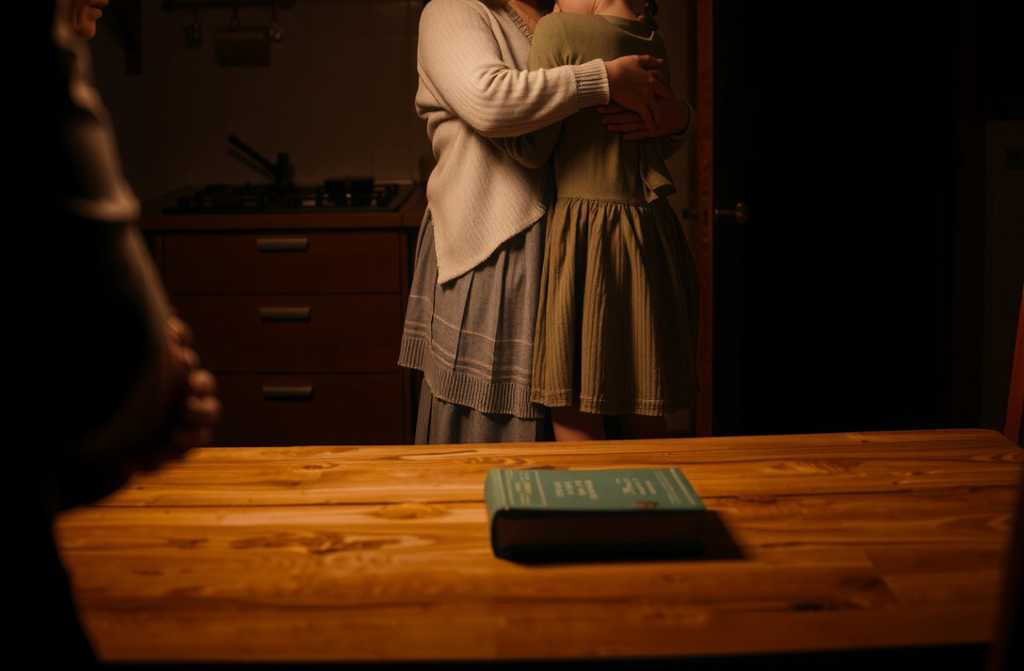
Here, Mum left another one. She wrote this too, honest, she handed Lucy a thick book in a green cover from the shelf.
Lucy stroked the cover and placed it gently on the table. It was thicker, shinier. The letters on the cover were in gold. She copied those now.
But one summer, when Lucy was six, she came home, crying, her new lacy jumper torn and all the buttons ripped off.
Lucy! Whats happened? Granny threw up her arms.
He… he…, Lucy sobbed, pointing outside.
Shed fought with Billy Maclean he said her mum had abandoned her, wandered off who knows where, and Granny was slaving away, eating nothing, because her mum didnt send money.
I told him: My mums a poet! She writes her own books! He said it was lies. But its not, is it, Granny?
Lucy ran inside, grabbed her mums green book and charged outside.
Granny Kate couldnt catch her in time. But knowing what disappointment was about to hit, she followed. The older kids could read.
No! No! Lucy shrieked, Youre all lying. My mum wrote it its hers!
Silly, Lucy. Just look S. Yeats. Poems. Its by W.B. Yeats, silly, not your mum…
The children laughed, tossing the green book about. Lucy tried to snatch it back. They even asked a passing boy; he too smiled, said it was Yeats, offered to teach her to read.
Granny Kate rounded the corner, out of breath.
Tell them, Granny! Tell them! Its Mums book! Lucy rushed to her.
Kate silently held out her hand for the noisy children. They handed the book back.
She took Lucy by the hand and led her home.
I got muddled, sorry love, she shuffled along, pulling Lucy, Your mum will bring her own book next time, I promise, Ill write to her.
Lucy was quiet now, not crying.
Give it here, she said, then hurled the book into a patch of stinging nettles.
Lucy! Granny Kate stopped in surprise, staring at the tall weeds, Whats the book ever done? Someone tried hard to write it.
Not hard enough, Lucy walked away without looking back.
Nobody fancied stinging their arms for the book. Kate followed Lucy home.
Later, Lucys friend Sally Prentice turned up, a bit younger.
I believe you. Your mum wrote it, not them. Theyre just daft, Lucy.
Dont. It wasnt Mum. I hate those books, I hate poets!
Even your mum?
Lucy didnt answer. She herself wasnt sure what was wrong with her mum.
***
Rachel now understood the poets life was a hard one. In eight years, shed published just two slim poetry books and while waiting on the third, she was living by giving readings at community halls, factories, schools, anywhere that would have her.
Shed started as a school newsletter poet, moved on to writing ballads at college and even won a contest. Her work made it into the local paper a few times.
Sewing had only interested Rachel for the sake of her own outfits. After college shed worked as a secretary at a publishing house. There shed met Michael Brown, a visiting journalist from Winchester, covering wildfires in their area. Having a baby was in her mind a way to win him from his wife. Rachel moved to Winchester.
But Michael fled, just as he ran from the wildfires. He did find her a job and pulled a few strings with the arts council.
She had to leave her daughter with Granny Kate, who had raised her as a little girl, after all.
Later, she married officially, the husband being one of those poetic types, as ineffective and hapless as could be, always drinking, always troubled. He went missing for months, returned briefly, then vanished for good. Rachel kept the small council flat. Life there was far from the glamour shed dreamed.
She then lived with an engineer from the shoe factory quiet but at least she had his own flat. The set-up worked for both. Rachel was attractive and at times generous, but he found her peculiar always acting out different parts, never quite real.
Shed whip up extravagant outfits in the evenings, fixing whatever she fancied from magazines or seen on the high street all because she could sew well and had a hand-me-down Singer. She was always distinct, with long skirts and dramatic earrings.
She was a poet. Thats how a poet should look.
They broke up. Rachel returned to her council flat.
She never lost hope for fame, for a beautiful life, for meeting her one true love, for being valued, for happiness. She craved a bohemian life.
She knew Granny Kate wouldnt be around forever, that life was hard for her with Lucy. She wrote poems about it: poems of loss, coming sorrow, and longing for her daughter these were her most mournful.
At first, she decided to fetch Lucy once she started school. But that summer, there was a passionate affair with a sculptor. She even posed for him. By autumn, theyd split, and Lucy stayed put.
She visited the village. It seemed Granny Kate had totally ruined the girl Lucy now back-chatted, answered sharp but then melted back to her old shy self.
She always found a way to explain. Promised Lucy shed fetch her the following summer.
You wont lie, will you? her daughter suddenly asked, looking up from under her fringe.
Rachel almost gasped at such a thought.
She clasped her little bunny tight, always calling her that, and with emotion said:
Never! Dont ever think that! I love you! You hear me? I love you! she kissed and hugged Lucy.
The role of the suffering mother suited her perfectly.
Lucy believed her. How could she not?
***
Hows Granny doing, Lucy? asked Mrs Turner, the village shop lady.
That winter, Lucy had to take on all the chores when Granny fell ill. Shed come to the shop with kind Mr Harris, the neighbour.
Still in bed. I make her jelly. Its all shell take.
You make it? Really?
Its easy. I know how.
Good girl, Lucy. With a granddaughter like you, anyone could get away with being poorly for a while.
In the village, everyone knew everyone. They felt sorry for Kate and Lucy. Grannys friend old Mrs Norton, whod been Rachels best friend growing up kept an eye on the hens. The post lady brought medicines. The Prentice family took Lucy shopping. Mr Harris shifted snow and chopped wood, and Colin, the tractor driver, always made sure the drive was clear and left them extra coal.
Lucy could light a fire and cook. At first, Mrs Norton and Mrs Prentice popped by daily, but when they saw Lucy was managing, they came less.
If only our Sally was as handy. Youve done wonders, Lucy, and so has your granny.
All Lucys friends had gone to school. Lucy visited Sally, admiring her copy books.
See, we can read now. Thats A, thats O, together ao
Ao? And that?
Thats ou, like a baby wailing.
Lucy longed for Sallys books. Still, she believed shed be starting school in Winchester soon, because Mum promised.
Granny lay on the old wide sofa in the parlour, over a hundred years old with curved arms. In the evening, Lucy would curl up at her feet.
Granny, what letters this?
L, love. Thats the first in your name. Next is U, then C, then Y. Lucy. Maybe once Im on my feet, Ill fetch you a primer from school.
But after weeks in bed, Granny Kate had to go to hospital. Mrs Norton talked her round.
Dont fuss about Lucy. Shell stay with me, the housell be fine, just focus on getting well. Mind you, I cant come visit, these knees
Still, villagers made sure she wasnt alone. People brought her things and kept her updated on Lucy.
Mrs Nortons granddaughter Lizzie came to help. She tried convincing her gran to move to Winchester or up to Manchester with a son, but Mrs Norton refused.
Lizzie arrived just as Lucy was settled in at Mrs Nortons.
Auntie Liz, Granny says this pan goes in the oven.
Does she now? Lizzie, drying the pan, smiled, Youre already a little housekeeper. Thanks for looking after Granny. Youll help for a bit, then I will, and come spring, my mums joining us.
Im leaving soon too.
Are you?
Yep, Mums fetching me this summer. Ill start school with her.
Thats good. Learned any poems by heart?
Poems? No, but I know prayers. I can recite! Our Father who art in heaven
What about letters? Lizzie took to Lucy instantly.
She looked nothing like her mother. Lizzie couldnt understand why the child was with Granny when Rachel seemed healthy enough, even successful, seen at a school talent show, dressed in a swishy skirt and loud earrings. Lizzie hadnt approached her her own kids were about to go on stage.
So, know your letters?
Some.
Well, when weve finished, well practise the rest.
Really? Lucys eyes sparkled, then faded, But it wont work.
Why not?
I havent got a primer.
Lizzie laughed.
Im a teacher, I can teach without a primer, youll see. Come on
Those few days were the happiest for Lucy.
Do you know when my mums coming? She promised Granny a book for Mothers Day.
She promised, so shell bring it. Just you wait.
Lizzie bit her lip. Such a lovely child.
Slowly, Granny Kate started recovering. Her motivation: Lucy.
***
Rachel didnt expect this: at the factorys Womens Day party, reading her poems from the stage, she was tugged aside by her fluttering sleeve…
Lizzie?
Same class at school, neighbours as girls.
Rachel clutched her bouquet, hurrying to the banquet.
Lizzie? Rachel looked around, as if expecting half the village.
Hi, Rachel.
What brings you here?
Wanted to hear you. Youre very good.
Thanks
But the praise fell flat. Lizzie had settled in Winchester, married a working man, finished distance learning, taught at school.
Even hearing they lived nearby didnt interest Rachel not her kind of scene, and nothing much to show off about yet; she was still on the way.
So Lizzie was here. Why? Did her husband work here?
Someone working? Rachel peered, worried theyd be seated at the main table (this was her event, after all).
Husbands friend helped me find you.
Me? Why?
Just wanted to see you. Arent you glad?
Of course, dear, glad to see you, but Lizzie, not now, Im expected She hesitated, then, How are you?
Not too bad. Im still at school, finished my degree. Husbands at the same place as always. Come over any time.
Oh, Ive no time, love, have to rush, sorry
Go on, I get it. Happy Womens Day.
You too! Rachel didnt look back as she hurried in.
Shed been right all the best seats had gone, she was left at the back. Someone called her over.
Rachel took on the forgotten poetess act.
Just then, from the main table came a shout:
Mrs Elizabeth Norton, come join us!
Lizzie walked past her, up to the front, sat with the deputy directors wife. After the speeches, Rachel was invited there too.
From that meeting, the friendship rekindled. Old friends quickly became close again. Rachel often came to their house, met Lizzies husband George.
They had their sorrow Lizzie couldnt have children. Time and again, miscarriages. Eventually, it was impossible. George mourned, but accepted he adored his wife, her health mattered most. And Lizzie poured herself into her wild, untameable pupils as if they were her own.
Lizzie only asked about Rachels daughter once. Rachel wept, twisted her hands, insisted she suffered, and swore to take Lucy that summer.
Recalling that dramatic scene, Lizzie didnt mention Lucy again.
That year, Rachel planned to go south with them for the summer wild camping, fun, and even her poetry would be welcome.
But a week before the trip, Rachel turned up in tears. Her book had been mercilessly criticised, rejected by publishers. Lizzie was out, but George did his best to comfort her. Rachel sobbed, fell onto his chest, smoking his shirt with mascara, before disappearing into the bathroom.
He was a little worn out by her. Eventually, he called her a cab and gently saw her out. She declared her love, choked on more tears, apologised to Lizzie, then threw herself into the taxi.
Lizzie was surprised when George told her their friend Vinnie now refused to bring randoms on their trip.
Lizzie was a little miffed with Vinnie but made Rachels excuses. Rachel took it well:
Id come to think myself its not for me. I have other, very interesting plans… she said mysteriously.
What about Lucy? Shes eight now, you know, and a brilliant reader already.
Lucy? Maybe… If nothing gets in the way.
And Lizzie by now, used to Rachels dramatic airs realised Lucy wouldnt be coming. But Lucy was eight she should be starting Year Two, but hadnt even begun Year One.
Lizzie thought wistfully how shed have sent her own children off to school workbooks, covers, uniforms, backpacks… She missed motherhood terribly.
Rach, we dont have a copy of your book. Where can I buy one?
Oh, blimey, here it is. The second edition. There wont be a third.
***
Lucy clutched her mums poetry book. This one was definitely her mums. Now she could read it herself Auntie Liz had brought it.
Yesterday, Lucys new teacher came by, signed her up for the first class in the neighbouring village. Granny was anxious nothing was ready for school and it was already nearly September.
Mum hadnt come. Lucy waited anyway, sitting by the window or at the gate, watching the lane to the main road.
Dont lie to me, Mummy… dont lie… she prayed before her saints.
Shed read the poetry book cover to cover, one line at a time, whispering, trying to grasp the meaning but sometimes it seemed like grown-up riddles.
She pestered Granny with questions. Granny, exhausted after the hospital, would just sigh or wave her off. It was all too much now, even to be angry. She had no energy left for resentment, only regret for Lucy. The child still waited.
Had she not promised her so much, it might have been easier. But every visit, Rachel painted dreams of the sea and a glamorous life, yet didnt even bring a dress for her daughter.
Even bitterness had grown dull for Granny.
Granny, is there a heaven of love?
Eh?
A heaven of love? You said thats where people go when they die. Is it the same thing?
God knows. I suppose so. You see, in heaven everyones kind, getting along. Thats probably why its called heaven, Granny said, knitting.
But Mum wrote: Oh, heaven of love, dont betray me. Can you be lied to in heaven?
No, never! Its heaven, love.
I want to go there, Lucy suddenly blurted.
What for? Youve ages yet…
No one lies there.
Granny glanced at her and brushed her eyes, pretending it was dust. The child understood everything now. Even about her mother.
Just then, their garden dog barked strangers about. Lucy opened the door and leapt into a hug.
Auntie Liz!
Mrs Norton hobbled behind, carrying a tin of biscuits. They sat for tea, chatting warmly. Lucy felt at home but was sent out for grown-up talk she went off to see Sally.
Are you really leaving? Sally asked gloomily.
Me? Lucy looked down. No. Mums lied again. She always does.
They say youre going to live with Mrs Nortons granddaughter. Is it true?
What?
Lucy tore back home, the door banging hard as she pushed it open. She stopped in the middle of the kitchen, not knowing how to ask.
The women looked at her, puzzled. Lizzie guessed at once country gossip moves fast.
Will you come with me, Lucy?
Lucy stood silent a moment, then nodded.
Your mum knows. Dont worry. She said yes. Its just shes got things to sort.
Lucy didnt mind. She liked Auntie Liz a lot. Mum was brighter, and smelled of flowers, not cakes, like Auntie Liz. But Mum was like a star appearing and disappearing, and always out of reach. Auntie Liz, in her simple grey cardigan, was neither stylish nor loud, but felt reliable and warm.
Lucy pressed her face into Lizzies side; Lizzie hugged her.
Itll be all right, Lucy. Mum will visit us, and well see Granny often.
Granny Kate and Mrs Norton fussed and fretted, packing Lucys things. Mrs Norton refused to move from the village, saying shed see out her days with Kate.
A couple of days later, Colin the tractor man came to help with bags. Although it was early, half the village turned out. They all loved Granny Kate and Lucy, grateful to Lizzie.
Granny, Lucy whispered, you get better. And dont pray in church for Mum to come back anymore. Live on your own now. When Im grown, Ill fetch you to my place. I promise, truly. Will you believe me?
I do, sweetheart, of course I do, Granny Kate tried not to weep but couldnt hold back tears, crossing herself and Lucy.
The tractor rumbled, covering everybody in dust as it set off.
Mr Colin, stop! Stop here! Lucy suddenly cried.
Whats up? Lizzie asked.
Colin stopped. Lucy clambered over the bench.
Just a minute… She jumped down, dashing to the nettle patch. The stinging nettles were taller than her; Lucy pushed them down, looking for something.
Lucy, youll get stung! Lucy, what are you doing?
Everyone watched from the tractor at her strange antics. Only Granny Kate guessed what she was after.
The book, whispered her lips.
Colin and Lizzie jumped down. He pulled on gloves, trampling the nettles.
What are we looking for? Let me, Colin flattened the stems.
Here it is! Lucy cried, triumphantly, reaching into the weeds.
She emerged with the green poetry book, swollen from damp.
Whats this? Oh, Yeats among the nettles. Not everyone gets to spend a night in a haystack, Colin joked.
What is it? Lizzie wondered.
A poet. I thought, whats the book done wrong? Someone put effort into it, Lucy dusted off the battered book, and Lizzie felt a true weight of responsibility for Lucy, already cheated of so many childhood hopes.
A month ago, shed offered to take Lucy under her care. Rachel, flighty as ever, was delighted. She had a new scheme: she was off to the north on tour with a group to entertain the workmen, and maybe at last romance. Papers for Lucy had been signed without a second thought, and Rachel kept babbling about her plans.
Lizzie hadnt listened. She realised, reading Rachels poetry en route to Lucy, that they would forever remain empty, pretty rhymes, devoid of true warmth or love.
On the journey home, she and Lucy read Yeats.
Hello! Hello! George opened his arms, wrapping them both in a bear hug, Welcome, Lucy! Lizzie says youre a little one, but you cook better than most! And youre not so little, are you a proper young lady! Bags, now wheres our porter?
A few days later, Lucy started school. At home, she found a bright red backpack, new stationery. Clothes and shoes were bought the day before.
She could hardly breathe, standing on the playground, grasping her flowers, glancing back at George, who winked. Teachers assumed he was her father, and he seemed even pleased. He, too, looked anxious.
Across the yard, dressed up with her class, was Auntie Liz a teacher, collected but scanning the crowd expectantly.
Lucy was never told her mother had promised to be there for her first day. Lizzie spent ages on the phone explaining how to get to the school; George told her, Dont wait and dont tell Lucy shell only be disappointed again.
So Lucy wasnt told. Nor did Lizzie truly expect her.
But still, her eyes kept searching. Then she got cross with herself for hoping no better than little Lucy!
***
Lucys mother would visit three times in ten years. Soon, Rachel gave up poetry, sewing instead at a dressmakers. Kate and Mrs Norton would pass away, one after the other. Rachel would be away, unable to return in time, and would weep for ages at her Grannys grave. The village believed her grief was real.
At the end of school, Rachel would promise a sensational prom dress.
She wont make it, Mum. I dont believe her. Better plan something else, Lucy said quietly to Lizzie.
As you wish. Tomorrow, well go shopping, Lizzie mused on the cut, Prom dresses are serious business. Oh, Lucy, youve grown up so fast!
I may be grown, but Ill always stay close to you and Dad. I promise
***Lucy placed her hand gently over Lizzies, a quiet promise passing in that simple touch.
That evening, after the kitchen was tidied and George hummed nonsense as he watered plants, Lucy slipped away to her room. She rummaged in her desk for the battered green Yeats now pressed and mended with tape, her own name written inside, just above the faded golden letters. She opened it at random and, lying across her bed, read aloud until the dusk seeped in.
Sometimes, the words turned to spells: to heal, to forgive, to learn. Sometimes they floated up and away, like lanterns.
She thought of Granny Kate, her gentle prayers at night; of Rachel, always somewhere half-distant, bright and unreachable. Lucy pressed the book to her chest, and for the first time, did not ache for missing promises.
Outside, Lizzie laughed at something George said, their voices weaving gentle warmth beneath the soft yellow kitchen light.
Tomorrow, life would go on algebra and the bus ride, new friends and old, poems to memorize, and letters still a little crooked, but perfectly hers.
Lucy drew the curtains, and in the hush, whispered, Thank you, not to anyone in particular, but to the strange way love and hope could take root, survive, and flower even in stony ground.
Then she closed her eyes, certain at last that she belonged exactly where she was, loved as she was, and ready for whatever stories she would write next.