Apples in October
Helen, you must see this from my point of view. Theres one flat, but two of us. Im the older brotherlegally, Im entitled to more. You understand, dont you?
Helen Smith stood by the window, gazing out at the fluttering, bare branches of the rowan in the communal garden. She wasnt crying. She simply watched the branches swaying and thought how heavy with red berries the tree had been that year, and how the birds had nearly stripped it bare.
I dont understand, Victor, she said quietly, not turning.
Oh come on. Its a three-bedroom flat, city centre. Im on the deeds. Ive got a wife, kids.
Im on the deeds too.
Thats just temporary. Mum let you stay after your divorce. Doesnt mean you own the place.
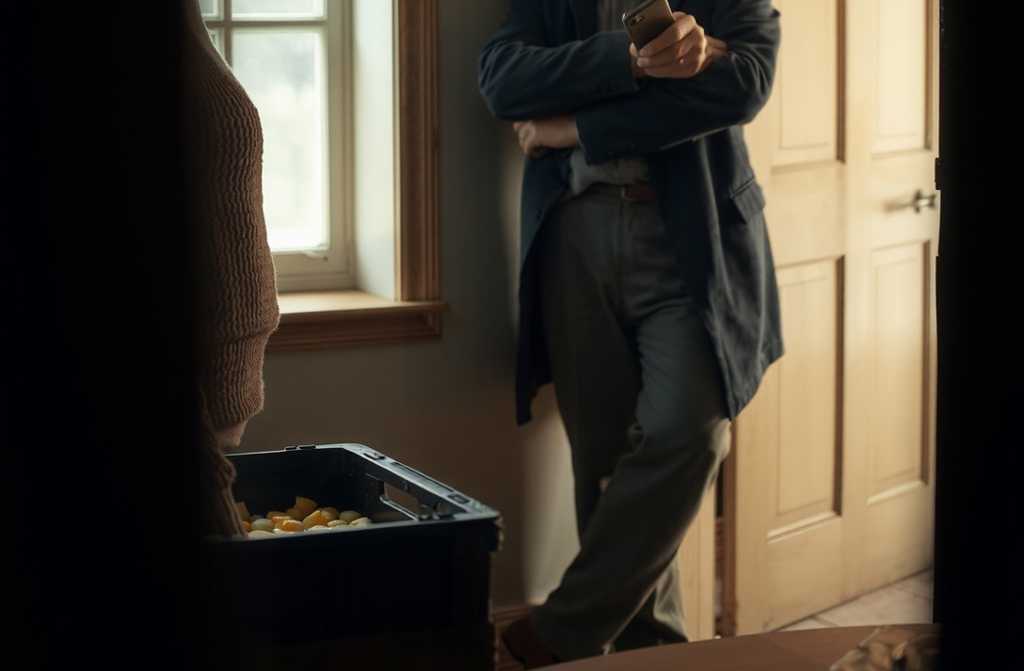
At last, Helen turned. Victor was fifty-seven, Helen fifty-four. Theyd grown up together, sharing a bunk, a desk, a shelf, and a mum. Now he stood in her doorway, wearing a posh wool coat, mobile clenched in one hand, eyes fixed somewhere above her head.
The solicitor said, according to the will, its half each. Thats nothing to do with you, Victor.
I know what the solicitor said, he replied at last, meeting her gazenot angry, not cold, just tired. The kind of tiredness you get when you decided things long ago. Im willing to buy you out. Your halfs worth a fair sum, but I cant remortgage at my age. I can pay you, but it will take time. Or
Or?
Or you could take mums old cottage. You know, down in Little Malham. Its old, sure, but the lands good. Big garden, sheds. The paperwork values it at just about the same as your half. Well, almost.
Helen was silent. Outside, the rowan shook harder and the last glittering cluster of berries dropped off.
You want me out in the countryside.
I want us to sort things, properly. No courts.
Ill think about it, she replied.
Victor left without slamming the door, which was oddly disappointing. Slamming would have at least meant he cared.
Little Malham was some seventy miles from town. Helen had been as a child, sometimes later with their mum, but not for yearsnot since Mum could travel, maybe eight years ago. Even back then, the house was musty, the porch sagged. Its good for the lungs here, Mum used to say. The airs different.
Helen rang her friend, Jean.
Are you mad? Dont be daft. Fight it. Get a good solicitor.
Jean, I cant afford a solicitor. I dont have the fight in me for court.
And the countrysidell be any easier?
I dont know. Helen shrugged into the phone. I ought to go look, at least.
Bet you see theres nothing there at all.
Mum said the air was different.
Jean sighed. You just want to get away from all of this, dont you. I understand. But a village isnt an answer. Thats just running.
Maybe thats what I need.
She went on Saturday, took the train. October was cold, the trees along the line nearly bare. Helen watched the fields and hedges and the faded allotment plots whizz past. She decided not to think, because thinking still hurt.
Little Malham was a tiny place: a few roads, a corner shop, a church minus its spire. The house stood at the end of Second Avenue, past gnarled old apple trees, looking very much like a house long unlived in. Flaking paint, gates leaning, moss on the steps. But the walls were upright and the chimney stuck firm.
Helen unlocked the door, stepped inside. Musty, unused air, but not rotnot yet. Kitchen with an old range, lounge, and a little room with a sofa. Mums old coat still hung in the porch. Helens fingers bunched on the fabric, a knot in her throatbut no tears came. She just stood there, holding on, remembering.
The garden was wild, but the apple trees were alive. A few late apples still clungsmall, yellowish. She picked one up from the ground, wiped it off, bit in. Sweet and faintly astringentthe taste of autumn itself.
Back in town, she called Victor.
Ill do it. Start the paperwork.
Alright, was all he said.
Packing up took two weekshardly any stuff: boxes of books, linens, crockery, clothes. Jean turned up to help, tutting that Helen was being ridiculous but no longer arguing the pointjust part of the routine now.
Youll come back, wont you? Jean called, as their hired van filled up.
Ill visit. You can too.
Oh, me? Out to the wilderness? Jean laughed, not merrily. Therell be midges.
Its October. No midges.
Next year therell be.
Helen started by sorting the kitchen. Best place to start, she decided. Right, get the range going, warmth, make soup The neighbour across the lane, Old Mr. Fred Cuthbert, popped over the next dayjust happened to be walking past. Heard Zina Smiths youngest had moved in.
Yep, Im Helen.
Fred Cuthbert. He doffed his cap. Your mum and I used to be mates. You know, neighbourly sorts.
Come in.
He toddled inside, felt round the old range, checked the chimney. Needs a sweep. Ill do it, no trouble.
I want to learn.
You could, he grinned. But best let me. Theres a knack.
While Fred swept, Helen cleaned the sitting room. They chatted, half-shouting through the open doorwaya surprisingly comfortable arrangement.
You lived here all your life? Helen asked.
Born here.
Never fancied London?
Wanted, once. Then I didnt.
How come?
He pondered. Citys always got you running. Here, you choose what matters. See the difference?
Helen thought she did.
She slipped into a routine. Up at dawnvillage mornings start bright, birds making a racket. Cup of tea by the window, eyeing the apples. Off to the shop for basics. Chores, little repairs, a bit of reading; early nights.
Victor crept into her night-time thoughts. Not angry, just baffledsince when did her brother become a stranger? Had he always been like that? Three years between them, always like a low fenceenough to see each other, never enough to bother clambering over.
In her first week, she found a cat. It huddled under the stepstiny, grey, wide yellow eyes. Helen brought bread and butter, the cat sniffed and backed off.
Suit yourself, Helen said.
Next day: milk. The cat drank half, and stuck around.
Fred, seeing the cat, nodded. Ah, thats Midge. Local straylives everywhere, belongs nowhere. Dont try keeping her, loves her freedom.
Well see, Helen replied.
A week later, Midge was sleeping on Helens sofa.
The house demanded constant handiwork, which was a relief. Idle hands, after all, lead to far too much thinking. Helen fixed a gate hinge, painted shutters, sorted a shelf in the porch. Fred chopped and stacked firewoodHelen objected, but he waved her off. Youre from town. Firewoods an art. Gets damp if youre clumsy.
Ill learn.
You will. Next year youll be teaching me. He eyed her more closely: You here for keeps?
Not sure.
Staying for winter?
I think so.
He nodded, neat stack of logs by the door, enough to last ages.
November arrived, sharp and cold. The village hushed, smoke curling from chimneys. Helen became proficient at lighting the rangethere was something wholesome, grounding about it. Open the vent, place kindling, light it, wait for the flames, add wood, close the door, listen to that contented whoosh.
She rang Jean:
Guess what, Ive mastered the range.
Really?
I quite like it.
Jean paused. How are you, honestly?
Better than I thought Id be, Jean.
Thank god. Worried youd go round the twist from loneliness.
Oh, Jean.
Alright, alright Shall I come visit?
Sometime. Spring, maybe. When the apples blossom.
Youre oddly obsessed with your apples, you know.
Theyre Mums apples.
Jean sighed. Alright, spring it is.
Towards the end of November, Helen baked. Quite by accidentshed found Mums old recipe notebook in a kitchen drawer. Tiny handwriting, every entry signed. Apple cake with dried yeast, Auntie Claras rolls, Quick gingerbread. Helen tried her hand at the apple cake. She had apples, they kept well in the chilly porch.
The result wasnt perfectburnt a bit underneath, crust too thick, but the smell made up for it. Helen sliced off a wedge and called Fred over.
He sat, chewed, and nodded. Very decent. Your apples?
From our garden.
Thats Bramley that is. Your mum swore by Bramleys for baking. Used to make cakes every week.
I didnt know. We stopped coming so often in the last years.
She missed it, Fred said without censure, quiet and matter-of-fact.
I know. I missed it as well.
They sat for a while. Midge jumped onto the windowsill, watching the frost fall.
Did you work in town? Fred asked.
I was a bookkeeper. Same firm, twenty years. Made redundant two years ago.
And now?
Nothing, just living on savings. Not much left.
Fred nodded, not pitying, just nodding.
Sell anything round here? Helen wondered. Bakes and such?
Fridays. Village hall, over at Redford eight miles away. People love home bakes.
Eight miles, hmm.
I drive, said Fred. Do my shopping Fridays. Happy to ferry you.
Ill think about it.
Take your time.
She dithered through a couple of Fridays. On the third, Helen baked four apple cakes, wrapped them in tea towels, and hitched a lift with Fred. The market was under a battered awning, few rows, old ladies selling jam and spuds, handknitted socks. Helen staked out a spot, laid out her cakes.
First customera pensioner in pea-green fleece. Whats in this then, love?
Apple. From my garden.
Cinnamon?
No.
Pity. StillIll take one.
By the end shed sold out. Counted her earnings: not much, but enough, and all honestly earned.
Back in Freds car, he grinned: How was it?
Sold the lot.
Saw that. Make ginger biscuits next timethey fly off for Christmas.
Mum never baked biscuits.
She didnt, but you can. Youre a natural.
December settled in and Helen camped out in the kitchen. She tested recipes, took notes, tried ginger biscuitstried two different kinds, in fact. Fred tasted both and preferred the first; Midge sniffed at both and rejected them, as she did anything unfit for cats.
One evening, Helen got out her phone and began taking photos. No special reasonthe cake on a wooden board, the cat at the window, sunset over the apple trees, the range enflamed. Looking at them, she thought: theyre decent. Theres something real in them.
Jean texted, These look utterly gorgeous. Youre in the country, Helen. Its not meant to look that good.
It does, Helen replied. Youve just not seen it.
Post them! Put them up on Littlebook, or whatever its called. Everybody loves that stuff these days.
Helen registered on Littlebook, titled her page October Apples, uploaded a few snaps. Within a week, she had fifty followers. In a fortnight, two hundred.
This surprised her. Why did people enjoy it? Just a kitchen, some bakes, and a very aloof cat. But comments flooded in: Just like Grans, Wish I could move there, Please share the recipe.
Helen started filming little how-to clips: mixing dough, lighting the range, rolling pastry. Her voice was soft, genuinejust showing what she did. The followers grew.
Jean called. Youre basically a celebrity now, you know that?
Oh come on. Five hundreds barely anybody.
Five hundred is not nothing. Do they write to you?
They do. They ask for recipes. Some lady in Sheffield bakes my cake now.
See! See? I was worried youd wither away. Youre blooming, Helen.
Jean, dont exaggerate.
Im not! You sound just different.
Helen paused. It is good here, Jean. Much better than I thought.
Im really glad. Honestly.
In January, a snowstorm hit. Three days of near-constant snow. The lane impassable, nowhere to shop. Helen hunkered down, kept the range going, fed Midge. The stores held out. Fred dropped by with potatoes and a jar of his jam, tapped at the window so as not to trail snow through the hallway.
All alright? he called through the glass.
All fine! she answered.
He nodded, strode through the drifts. Helen watched and realised she barely knew anything of his lifefamily, history, losses. He never offered and she never asked. That, too, felt right.
While snowbound, she found a tin of money.
Shed climbed up to the shelf over the range for an old pan, and there was a heavy old biscuit tin. She clambered down, opened it: a bundle of cash, banded with a rubber band, and a note.
Mums wobbly handwriting: For Helen. For a good life.
Helen sat at the table, tin in hand, not counting the notes, just staring at the slip of paper. Midge jumped up, nudged her hand.
Did you know about this? Helen asked.
Midge just purred.
It was more than Helen expectednot a fortune but enough to get comfortably through another winter, perhaps buy a new cooker or fix the verandamaybe even get the range replaced properly. Mum had been tucking it away for years, for Helensecret, steady, quiet.
Helen phoned Victor. No real reason.
Victor, I found some money Mum set aside, in a biscuit tin. Note with my name on it.
A pause.
How much?
Enough.
Well technically, thats inheritance too. Legally we should split it.
Helen was quiet. She wrote For Helen. Mums handwriting.
Laws the law, Helen.
Ive heard you, Victor.
She hung up. Sat a while. Brewed a tea. Midge watched from the windowsill. Helen drank, calmly, then got on with her day.
February dawned clear and cold. The snow lay undisturbed, branches rimed in frost. Helen snapped photosthe apple trees in crystal armour, stark and beautiful.
Her October Apples had more than three thousand followers. A woman called Rita wrote to ask if Helen could supply ginger biscuits for her small bakery in another town. Helen hesitated, then agreed. Rita ordered a batch100 biscuits by Mothers Day.
Fred turned up with cardboard boxes for packing, sourced from Redford.
Big leagues now, he commented, seeing her stacking biscuits.
Well see.
You know, I always wanted my own business, too, Fred said, sitting. Didnt happen.
Why not?
He shrugged. Different times. And I was a bit timid.
You dont seem timid now.
Past sixty doesnt count for timid. Anyway, good for youacting, not just waiting around.
Helen wanted to explain that shed spent most of her life waitingfor her husband to decide, her boss to notice, her brother to behave decently. But she just kept packing ginger biscuits.
Spring found Helen settled. Not perfectly happy, but steady, things uncoiling within her that had been knotted tight for years. One morning, she woke and realised the heaviness in her chest was gone. Midge curled up purring beside her. Buds swelled on the apple trees.
Jean visited in April, just as promised. She saw the house, the apple trees, Midge, Fred (who helped prop up the veranda boards), and fell quiet for ages.
I thought you were hiding, Jean finally said. But youre just living.
Theyre not mutually exclusive.
No, but, listenHelen, its lovely. I never imagined itd be so good here.
You sound like me last October.
Jean snorted. Show me how the range works, then.
They spent half the day messing with kindlingJean hopeless with the hatchet, laughing at her own incompetence. Helen watched and thought she hadnt seen her friend so relaxed in years. City-Jean was always tension and hurry. Here, just cross-legged by the range.
Is Fred, er widowed? Jean asked slyly that evening.
Ive not asked.
Come on, Helen.
Jean
Just saying! He looks at you well, kindly.
Hes a kind man.
Hmm. Jeans tone suggested she wasnt convinced.
Helen spent the May bank holidays in the gardenplanting not just flowers, but squash, dill, a few blackcurrants. Fred brought tomato seedlings.
My own seeds. Top quality, he said, parking the tray down.
How much do I owe you?
Nothing! Thats neighbourly help.
Fred, you help me too much.
Fred looked her in the eye. Are you worried?
A little. I dont want debts.
Youre not in debt. Its an exchange. You bring me cakes, and chat. Im on my own, have been for ages. Chat is as important to me as seedlings are to you.
Helen realised he was simply a good sortgenuine, no strings attached, the rarest sort.
Thank you, then.
Youre welcome, he said, starting to sort out the seedlings.
Summer was warm. The apple trees blossomed spectacularly, so pretty Helen was compelled to video themblossom against ancient bark, honey-scented so youd swear your head spun. She posted: Apple blossombest thing Ive seen all year. Thousands watched, leaving comments about crying, nostalgia, wanting to know the scent of apple blossom again.
Rita upped her biscuit order, proposing a permanent deal. Helen agreed.
June: Victor called. His name flashed up; Helen hesitated, then picked up.
Hello.
Hi. Hows life?
Alright. Quiet. Garden busy.
Jean says youve settled in.
She likes to talk.
Listen Helen, I messed up. Investment went southbuilder vanished, lost most of the money. Not asking for anything, just needed to say it.
Why say it?
Dont know. Felt right. Hows the house?
Its fine. I fixed it up.
The roof?
Thats for later. Range, porch, and gates first.
On your own?
Fred helped.
Long pause. Helen, are you angry?
About what?
You know. Everythingthe flat, all that mess.
Through the window, Helen watched Midge in the garden.
No, Victor. Im not angry. Im living.
Silence.
You were always the clever one. Just didnt talk about it.
Not clever. Just different.
They chatted a bit, empty words, then hung up. Helen stood by the window, then went out with the watering can, determined not to think, just to carry on.
August brought a bumper apple crop, bigger than last year. Helen picked every morning, some for pies, some for jam. Mums recipe, thick and spiced with cinnamon and cloves. Fred tasted and declared it identical to Zina Smiths.
You remember? Helen laughed.
I do. She used to share. Your mum was a good woman.
I know.
You take after hernot the face, the hands.
The hands?
The way you do thingsthoughtfully, like it really matters.
Helen smiled, stirring jam, thinking it was possibly the best thing anyone had said to her in years.
Adverts began to appear on her pagesmall, but real. A kitchenware shop wanted to sponsor a post. Helen made one, then another. Small money, but a pleasant surprise.
Fred looked impressed: So they pay you for baking and telling people how to bake?
Apparently. Used to write books, now its videos.
Would I watch yours?
She grinned. Would you?
Yours, maybe. You show whats realnot just whats pretty. People get tired of pretty after a while. Then they want real.
And youre not tired of pretty?
Ive lived round here all my daysnever had pretty, just real. Cant miss what you never had.
September: Victor visited, unannounced, on a Sunday with an overnight bag and the look of someone making a last-ditch effort.
Helen opened the door and found him a little deflated, changed.
Can I come in?
She put the kettle on. Victor sat, took in the kitchen, eyed Midge (who gave him her signature distrustful stare).
A cat?
Midge.
You always said you werent a cat person.
She chose me. I just accepted it.
When the tea was ready, she laid out jam and biscuits. Victor ate quietly.
These are good.
Mums recipe.
Long pause.
Ive lost almost everything, Helen. Had to put the flat up as security, lost it, now renting a room with Kate at her sisters.
Kids alright?
Theyre with us. Bit crowded, but thats life.
Helen simply listenedno smugness, no pity, just a sense that lives settle people where they belong, whether they like it or not.
Are you here to ask for something? she asked carefully.
No. He looked up. Just wanted to admit I was wrong. About the flat. I thought I was doing the right thing for everyone. I wasnt.
You thought of your family.
I thought of money. Not the same thing.
Midge, emboldened, edged closer, sniffed his hand, then retreated but didnt run.
Nice house, Victor said, scanning shelves, curtains, the range. You really live here? For good?
I do.
And youre happy?
Helen wrapped her hands round her mug.
I am.
He nodded, paused, then quietly said, You dont have to forgive me.
Im not holding onto it. Im tired of holding onto things. Its easier to let go.
Thats forgiveness, isnt it?
Maybe.
He stayed till dark. They toured the garden, Helen listing apple types, explaining the Bramleys and the cookers. Victor asked questions, something oddly natural creeping back between themas if becoming strangers might not be permanent after all.
Fred waved as he walked past the garden; Helen waved back.
That your neighbour? Victor asked.
Yes.
Decent chap?
Very.
Victor eyed Fred, then Helen.
Youre not on your own.
No. Not anymore.
He left after dusk, fussing with the car keys. Can I visit again? Just to visit?
Of course.
He drove off, tail-lights swallowed by darkness.
Helen lingered by the gate, then went inside. Midge waited on the mat. Helen picked her up, snuggled close, and the cat purred instantly.
Next morning Fred brought applesdifferent type this time, big and rosy.
Try one. Discoverytheyre softer than Bramleys.
Lovely. Helen bit into one. You still going Friday to market?
Wouldnt miss it.
You always go.
You always come with me. His gaze was straightforwardfamiliar, comfortable. Bit of a tradition now.
Helen tasted the applesweet, with a tang. October was coming; the trees were turning gold. A year had gone by; shed lived every minute.
Fred, are you happy in Little Malham?
He didnt rush. Looked out at the trees.
Never thought about it as a word. But yesI suppose I am.
Me too. Strange, still surprises me.
What does?
That you can start over like this. At fifty-four.
Why not?
Feels late.
Who says?
Helen hesitated. Midge tiptoed onto the steps, stretched, yawned, settled down.
I used to think so. Not now.
Glad you dont anymore. He hefted a box of apples. Friday at eight?
Eight, Helen replied, and watched him go.
She stood, letting the October air bite her cheeks. The apple trees wore gold; a handful of apples danced in the breezelast survivors. Somewhere beyond the rooftops a dog barked, sound spreading in the peaceful hush.
Her phone pinged: Jean messaging, Are you alright? Everything OK?
Helen studied the screen, then the trees, then typed: All good. Octobers here.
Jean replied fast: And whats that mean?
Helen smiled as Midge nudged her leg.
It means apple pie soon. Will you visit?
No immediate reply. Then: Let me think.
Think, Helen sent.
She slipped her phone back, crossed the garden to the trees, picked up a fallen apple, wiped it on her sleeve, and bit insweet, a little tart, just as it had tasted a year ago.