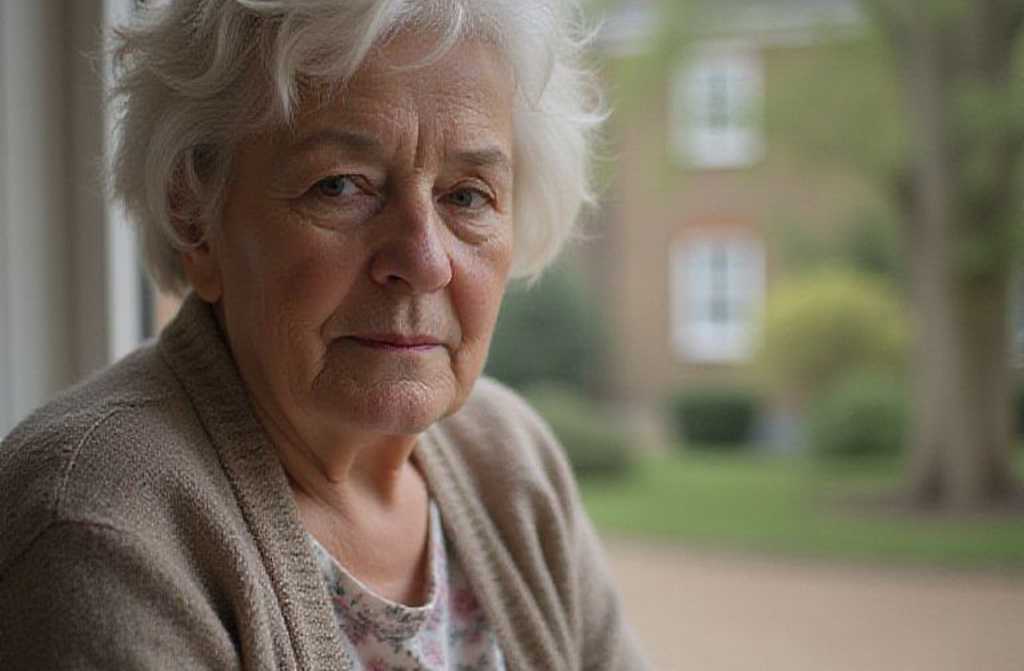
I lived in a bleak, state-funded wing of a care home, scraping by on a meagre pension, when my life twisted irrevocably one afternoon beneath the old oak in the courtyard where I met Arthur. He was a wealthy, eighty-two-year-old widower, and though we came from entirely different worlds, we were bound together by quiet afternoons of chess and shared griefs whispered across the board.
Arthur confided that his children were merely waiting for him to die—especially his son, Gregory, a cold and calculating man, while his daughter, Evelyn, preferred to watch events unfold from a distance. As Arthur’s health began to falter, Gregory arrived with a team of solicitors, attempting to have his father declared incapable so he could seize control of the estate and remove him from the home. To protect his final days and ensure medical decisions would not fall into Gregory’s hands, Arthur asked me to marry him—so that I could legally become his health proxy. Out of deep friendship and affection, I accepted.
For two years of peaceful marriage, Arthur and I lived quietly as husband and wife, until one day he gently closed his eyes for the last time. Shortly after his funeral, Arthur’s solicitor handed me an envelope, warning that its contents would change how I viewed our time together. Astonished, I learned that Arthur did not merely have a few personal savings—he actually owned the entire care home, placed into a trust fund, and had named me his sole heir.
Evelyn appeared at my door to confess: she had secretly helped her father after discovering Gregory’s cruel scheme. He planned to demolish the state-funded wing, evict the poor residents, and build luxury flats in its place. By transferring the institution into my hands, Arthur had permanently shielded the home and its inhabitants from his son’s greed.
With the property deeds in my hands, and with the support of the solicitor and a remorseful Evelyn, I confronted Gregory when he stormed into the penthouse flat, demanding I vacate the premises. When I handed him the legal documents proving that the entire institution now belonged to me, his rage turned to shock as he realised all his plans had utterly collapsed. With no legal claim left and his sister turned against him, Gregory was forced to leave empty-handed. Now, as I watch the workers repair and cosy up the once-neglected state wing, I know Arthur’s dream is safe—and the vulnerable residents finally have real protection.