I’m 66 and all my life I believed family was the most important thing in the world. I never asked for much—just to be needed, to feel close to my children and grandchildren, to have my own place in their lives. For 30 years, I lived in our family flat—a spacious, sunny three-bedroom place. From the kitchen window I could see the old oak tree my husband planted before he passed. In the living room stood my mother’s old dresser; in the bedroom, a hand-embroidered quilt I made while pregnant with my daughter. That was my home, my place on earth. But my children grew up. My son, his wife, and their two kids lived in a cramped two-bedroom apartment on a new estate—mortgage, bills, nursery fees, everything so expensive. My daughter had just gone through a divorce and was sharing a flat with a friend, always rushing somewhere. One Sunday at dinner, my son half-joked: “Mum, have you ever thought about moving somewhere smaller? You’ve got so much space and you’re living alone…” I felt a twinge, but I smiled. “And have you thought it’s easy to leave everything you know behind?” “No, no, of course not…” he looked embarrassed. “But, you know, if you wanted, you could help us out. Chip in for a bigger place. The kids would love it…” I thought about it for ages. Then I decided. I sold my flat. I found a smaller two-bed on the edge of town, no lift, view of a car park instead of the oak. But new, quiet, clean. I gave some of the money to my son’s family—enough for them to buy a bigger home. I helped my daughter pay off some debts. I was proud. I thought I’d made a wise choice. Now, having helped them, we’d be closer. They’d visit, my grandchildren would call, maybe we’d have more tea together. The first weeks after moving were hard. Unfriendly neighbours, cold concrete corridors, a kitchen too tiny for a table. But I told myself: it was worth it. For them. Except… nobody came. My daughter called less and less. My son answered his phone in a hurry. The grandkids had their own activities: tutors, swimming, speech therapy. I tried inviting them over: “Want to come Saturday? I’ll bake a cheesecake.” “Mum, we just can’t this week. Maybe next week. Or the one after.” Week by week, “maybe next week” became “maybe someday.” One day my son came to pick up some documents I managed for him. Standing at the door, looking around, he said: “Blimey, it’s cramped in here. How do you live like this?” I didn’t answer. We drank tea in silence. Afterwards, I sat down—alone—and for the first time truly felt something had broken inside me. It wasn’t about the size of the flat, or the view, or the kitchen without a table. It was about giving away part of myself—pieces of my life—hoping for closeness, but finding indifference. I don’t regret helping them. If they asked again, I’d probably do it all over. But I regret believing for so long that love must always mean sacrifice. That I never set boundaries. That I didn’t say: “I’ll help you, but I don’t want to be left alone.” Now I’m trying to rebuild. I walk, I’ve joined a local seniors’ club. Once a week I go to bingo with my neighbour. Sometimes I cook just for myself, light a candle, and sit at the table—as if hosting guests. After all, I matter too. The children? They call sometimes. Rarely. But now I don’t wait with cheesecake and I don’t keep fresh milk in the fridge “just in case.” I traded space for quiet. And in that quiet I’m finally hearing my own voice. And it says: “now, it’s your turn.”

I am 66 years old, and all my life I believed that family was the most important thing in the world. I never went about with grand expectations. All I wished for was to be needed, to feel close to my children and grandchildren, and to have a place in their world.

For thirty years, I lived in our old family flat spacious, bright, three bedrooms. From the kitchen window, you could see the ancient oak that my late husband planted. There was Mums sideboard standing in the lounge, and in my bedroom, the hand-stitched quilt I crafted while expecting my daughter. That flat was my home, my patch of earth.

But children grow up. My son, his wife, and their two were squeezed into a two-bedroom place in a modern estate. The mortgage, the bills, the nursery school everything cost a fortune. My daughter, freshly divorced, shared a flat with a friend, always rushing from one thing to the next.

One Sunday over roast beef, my son joked:
Mum, have you ever thought of moving somewhere smaller? I mean, youve got loads of space living alone

A little pang caught me then. But I smiled.
And did you think its so easy to leave everything one knows behind?

No, no I didnt mean it like that, he said, flustered. But you know, if you wanted you could help us. Maybe chip in, and we could get a bigger flat. Itd be brilliant for the kids

I mulled over it for weeks. Then I made up my mind. I sold our flat. Found a smaller one two rooms out by the ring road, no lift, overlooking a car park where the oak used to be. But it was new, quiet, clean.

I gave my son and his family part of the money so they could buy a larger home. Helped my daughter pay off some debts shed been dragging around. I felt proud, sure Id made the wise choice. I thought with the help done, wed be closer popping round, grandchildren ringing me, maybe sharing a cuppa more often.

The first weeks after moving were rough. Neighbours kept to themselves, the hallway was chilly and concrete, and the kitchen so small I couldnt fit a table. But I told myself: it was worth it. For them.

But no one visited. My daughter rang less and less. My son answered calls in haste. The grandchildren had clubs, swimming, speech therapy. I tried inviting:
Fancy coming over Saturday? Ill bake a cheesecake.

Mum, its tricky, maybe next week or the week after.

Next week turned into maybe another time.

One day my son popped round, picked up some old papers Id kept for him, and said, glancing about,
Blimey, its cramped in here. How do you manage?

I said nothing. We sat in silence over tea. Then, after he left, I sat alone and realised: something had cracked inside me. It wasnt about the flat, the view, or the poky kitchen. It was about giving up a piece of myself a chapter of my life hoping for closeness. And what I received was indifference.

I dont regret helping. If one of them asked again, Id probably do just the same. But I regret believing for so long that love always meant sacrifice. That I never set a boundary. That I never said: Ill help, but I dont want loneliness in return.

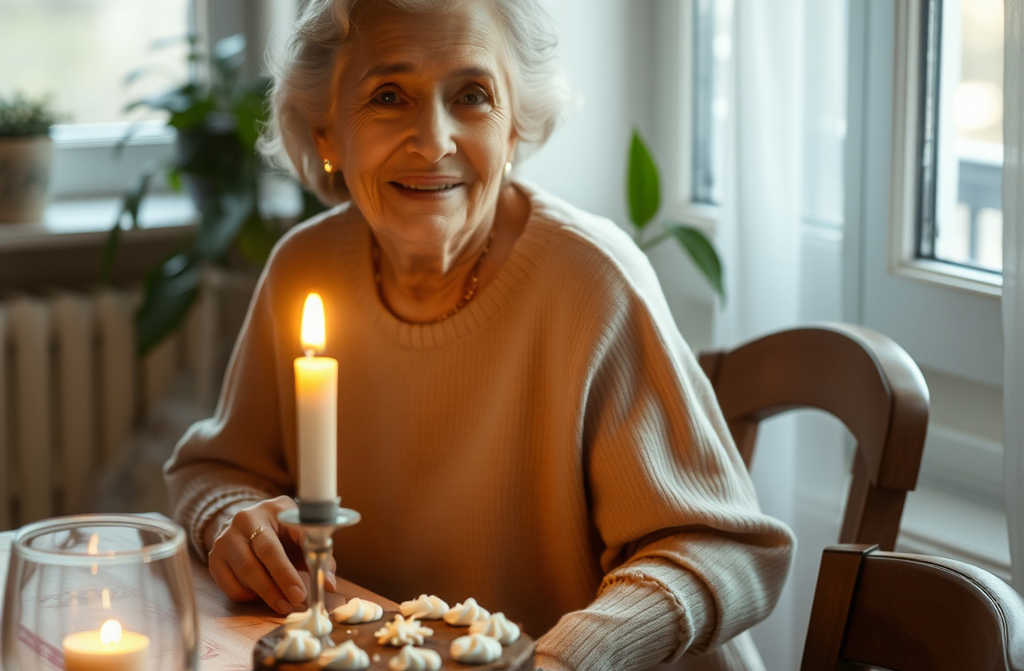
Now, Im rebuilding. I walk in the park, Ive joined the local seniors club. Once a week, I go to bingo with a neighbour. Sometimes I cook just for myself, light a candle, and sit at the table as if for company. Because I matter too.

And my children? They ring now and then. But I dont wait with a cheesecake anymore, nor keep fresh milk just in case. I traded space for quiet. Its out of that quiet that my own voice finally speaks. And it tells me: Its your turn now.

Lesson learned: sometimes putting yourself first is not selfish. Its the start of true belonging.


Rate article
Add a comment

;-) :| :x :twisted: :smile: :shock: :sad: :roll: :razz: :oops: :o :mrgreen: :lol: :idea: :grin: :evil: :cry: :cool: :arrow: :???: :?: :!:

I’m 66 and all my life I believed family was the most important thing in the world. I never asked for much—just to be needed, to feel close to my children and grandchildren, to have my own place in their lives. For 30 years, I lived in our family flat—a spacious, sunny three-bedroom place. From the kitchen window I could see the old oak tree my husband planted before he passed. In the living room stood my mother’s old dresser; in the bedroom, a hand-embroidered quilt I made while pregnant with my daughter. That was my home, my place on earth. But my children grew up. My son, his wife, and their two kids lived in a cramped two-bedroom apartment on a new estate—mortgage, bills, nursery fees, everything so expensive. My daughter had just gone through a divorce and was sharing a flat with a friend, always rushing somewhere. One Sunday at dinner, my son half-joked: “Mum, have you ever thought about moving somewhere smaller? You’ve got so much space and you’re living alone…” I felt a twinge, but I smiled. “And have you thought it’s easy to leave everything you know behind?” “No, no, of course not…” he looked embarrassed. “But, you know, if you wanted, you could help us out. Chip in for a bigger place. The kids would love it…” I thought about it for ages. Then I decided. I sold my flat. I found a smaller two-bed on the edge of town, no lift, view of a car park instead of the oak. But new, quiet, clean. I gave some of the money to my son’s family—enough for them to buy a bigger home. I helped my daughter pay off some debts. I was proud. I thought I’d made a wise choice. Now, having helped them, we’d be closer. They’d visit, my grandchildren would call, maybe we’d have more tea together. The first weeks after moving were hard. Unfriendly neighbours, cold concrete corridors, a kitchen too tiny for a table. But I told myself: it was worth it. For them. Except… nobody came. My daughter called less and less. My son answered his phone in a hurry. The grandkids had their own activities: tutors, swimming, speech therapy. I tried inviting them over: “Want to come Saturday? I’ll bake a cheesecake.” “Mum, we just can’t this week. Maybe next week. Or the one after.” Week by week, “maybe next week” became “maybe someday.” One day my son came to pick up some documents I managed for him. Standing at the door, looking around, he said: “Blimey, it’s cramped in here. How do you live like this?” I didn’t answer. We drank tea in silence. Afterwards, I sat down—alone—and for the first time truly felt something had broken inside me. It wasn’t about the size of the flat, or the view, or the kitchen without a table. It was about giving away part of myself—pieces of my life—hoping for closeness, but finding indifference. I don’t regret helping them. If they asked again, I’d probably do it all over. But I regret believing for so long that love must always mean sacrifice. That I never set boundaries. That I didn’t say: “I’ll help you, but I don’t want to be left alone.” Now I’m trying to rebuild. I walk, I’ve joined a local seniors’ club. Once a week I go to bingo with my neighbour. Sometimes I cook just for myself, light a candle, and sit at the table—as if hosting guests. After all, I matter too. The children? They call sometimes. Rarely. But now I don’t wait with cheesecake and I don’t keep fresh milk in the fridge “just in case.” I traded space for quiet. And in that quiet I’m finally hearing my own voice. And it says: “now, it’s your turn.”
Varför ta ett bolån när vi kan äga en lägenhet direkt?