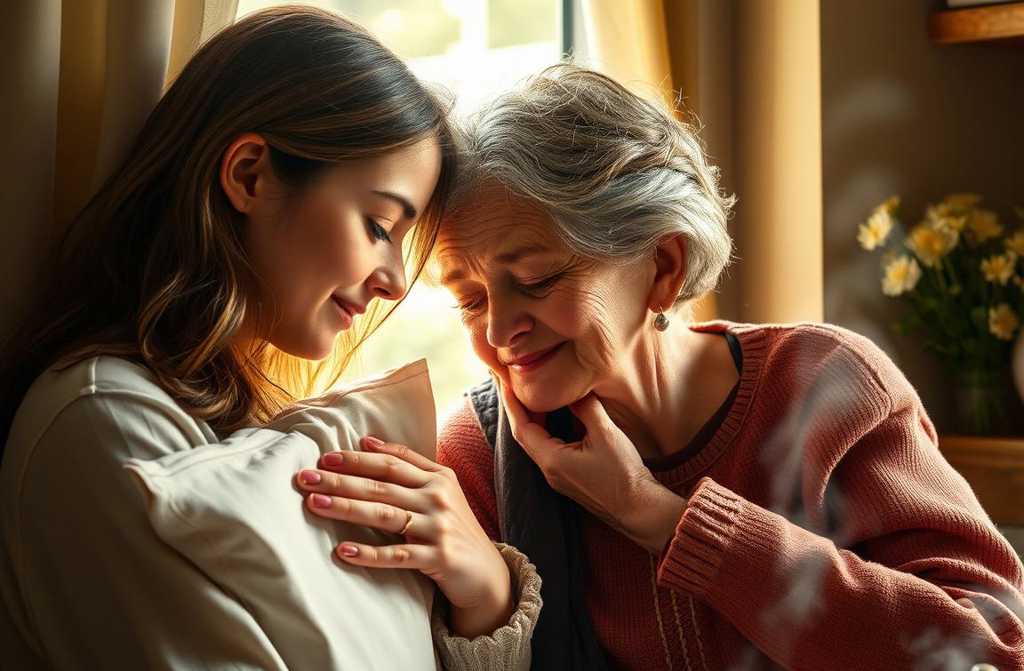
A Cross to Bear
“If you’re asking questions like that, maybe you shouldnt have children. And dont listen to anyone. I did, back in my day” her mother sighed. “All those advisors vanish when it matters, but the weight stays with you forever.”
It sounded like solid advice, but Emily felt everything inside her go cold and tight. A lump rose in her throat, and her eyes stung. She knew if she didnt end the call now, shed break down sobbingand worse, her mother probably wouldnt even understand why.
“Got it. Thanks, Mum. Ill think about it Well talk later,” Emily said and hung up.
She pulled a pillow close, hugging it as she hunched inward. This wasnt just adviceit was a careless confession. She could almost feel the door to her past swinging open, everything falling into place.
In raising her daughter, Margaret had been diligent, even punctual. She made sure Emily ate well, giving her the best portions even when she went without. There were always toys, clothes, extracurricularsmusic lessons, ballet. By all appearances, Emily had everything. Except love.
Margaret never told her she loved her. No hugs, no heart-to-hearts, no praise. She didnt even scold. It was as if her daughter barely registered.
Emily remembered once when she and her desk mate, Sophie, both failed a maths test. Sophie was devastated.
“Lucky you. No ones going to yell at you. Ill be grounded for weeksno phone, no laptop,” Sophie sighed.
“Youre the lucky one. At least they care enough to yell” Emily muttered.
Sophie stared. Who in their right mind wanted to be shouted at?
“Seriously? Fine, take my place. Listen to their lectures for me,” Sophie snorted. “Be my guest.”
Emily turned away. She wouldve gladly traded, but her mother never checked her diary. Why bother? Emily was a straight-A student. Until she wasnt.
At first, she thought if she was “good enough,” her mother might notice. Praise her piano recitals, her grades, her ballet performances. But no. Margaret reacted with detached approval, as if it were expected.
Emily faked illness once, clutching her stomach, hoping for concern, for comfort. It workedsort of. Margaret took her to doctors until they diagnosed mild gastritis. Then came strict mealtimes, medicine schedules. No cuddles, no sympathy. Just efficiency.
So Emily escalated. Skipping school, failing classes, quitting ballet and piano, snapping back.
Nothing.
“Fine, dont study. Your problem,” Margaret said calmly one day. “Ill feed you till youre eighteen, then youre on your own. But if you drop out, good luck finding work. Even shop assistants need GCSEs.”
When Emily neglected chores, Margaret simply said no outings until the floors were mopped. A tantrum only earned a dismissive wave.
“Save the drama for your room,” Margaret said, shutting her bedroom door.
That night, Emily cried herself to sleep, feeling utterly unwanted. Like a doll to be dressed and put to bed, not a person with feelings.
She pushed furtherstaying at a friends overnight without warning, wondering if Margaret would even notice. Maybe shed be relieved.
But no. Margaret called everyone, fetched her, and said flatly, “Keep this up, and youll end up in care. They wont coddle you there.”
Emily almost wished for shouting, broken dishes, even a belt. At least that wouldve meant something.
Years passed. She didnt accept it, but she adjusted. Moving in with her boyfriend, Daniel, helped. They married quicklyEmily was starved for love, reckless. Luckily, Daniel was steady, dependable.
“What do you think about kids?” hed asked long before the wedding.
Emily froze. Children were the logical next step, but the thought of her own filled her with dread. What if she was like her mother? What if her child felt as hollow as she had?
“I dont think Im ready,” she admitted.
But plans change. She got pregnantunexpectedly. They didnt own a home, prices were soaring.
“Most people dont,” her friend shrugged. “Youll manage.”
Daniel wanted the baby. “Its your choice too, but were married, stable. Id like to be a dad.”
Yet the more she heard, the more she doubted. So she asked her motherand heard the words that reshaped her world. Had she been unwanted too?
Margaret said it without malice. Just facts. As they say, the truth cuts deepest.
For days, Emily moved mechanicallywork, dinners, TV with Danielbut her mind churned. Would she ever hear “I love you” from her mother? And what kind of mother would she be?
Finally, she went to her mother-in-law, Eleanor. Stern but warm, Eleanor was everything Margaret wasnt.
“Emily? No call?” Eleanor frowned, opening the door.
“Just wanted to visit,” Emilys voice wavered.
Eleanor didnt pry. She made tea, set out jam and bread.
“Theres stew if youre hungry. You and Daniel havent rowed, have you?”
“No. Its Mum.”
And the floodgates opened. The lonely childhood, the indifference, the fear of being unloved.
Eleanor listened, then sighed. “I knew you werent close, but this Dont blame her, love. Maybe life hardened her. Maybe she just doesnt have it in her. But shes not crueljust a bad mother.”
“A good person wouldnt”
“Some cant love. Even themselves.” Eleanor squeezed her hand. “About the baby Follow your heart.”
“What if Im like her?”
“You wont. Daniel told me how you nursed that stray cat. Heartless people dont do that.”
“But a child isnt a cat. What if I fail?”
“Who doesnt? Good mothers worry theyre bad ones. We all mess up. I did, your mum did, you will. Wanting to love is enough.”
Emily smiled weakly. The fear didnt vanish, but Eleanors warmth soothed her.
She kept the baby. Pregnancy was roughnausea, mood swings, fear. But Daniel fetched midnight cravings, rubbed her back, stayed patient. Eleanor helped too, teaching her to care for a newborn.
Margaret called rarely, just asking if she needed anything. After the birth, she brought baby clothes, nothing more.
Years passed. Emilys daughter grewloud, curious, stubborn. There were tantrums, broken toys, exhaustion. But when she was sick, Emily stayed, stroked her hair, read stories. She never explained why she cried in those moments.
She was ashamed to admit she was giving her daughter what shed once craved.
Her relationship with Margaret never warmed, but it endured. Emily stopped expecting the impossible. She helped financially, brought groceries, asked after her health. Margaret wasnt a good mother or grandmother, but she was there. Maybe she couldnt love, but in her own way, she tried. And sometimes, thats enough.
The lesson? Love isnt always instinctivebut choosing to care, even imperfectly, can heal more than we realise.






