25 November 2024
The evening sky over our little market town faded quickly, as if someone had just dimmed the lights. At exactly six the street lamps snapped on, their glass globes casting a faint glow on the slick tarmac. By the bus shelter, the benches still bore the dark stains from wet leaves, and the usual crowd had already gathered: a handful of schoolchildren with heavy backpacks, two elderly neighbours Mrs. Eleanor Whitaker and Mr. Harold Brown and a few younger adults. All of us were waiting for the last service that, every night, shuttled us to the surrounding villages.
A fresh notice was pinned to the timetable board, printed in bold block letters: From 3 November 2024 the 19:15 evening service is withdrawn due to lack of profitability. District Council. We all read it at the same moment, but no one spoke aloud. Only the sixthformer, Ethan, whispered to the girl beside him:
How are we supposed to get home now? Its a long walk
Mrs. Whitaker adjusted her scarf and shivered. She lives in the next village, a thirtyminute bus ride away. Walking would take at least two hours on the broken country lanes, and the darkness makes it frightening. That bus is her only link to the pharmacy and the health centre. For the kids its the chance to get home after afterschool clubs without arriving in the dead of night. Everyone understood that, yet none of us complained immediately. The discussion only began after the initial shock wore off.
At the corner shop, where the air always smells of fresh bread and raw potatoes, voices grew louder. Lucy, the shopkeeper, sliced a slab of ham and asked her regulars in a low tone:
Heard about the bus? What are we to do now? My sister gets home at night too what will happen?
The older pair exchanged glances, trading terse comments. Someone recalled the neighbours old Mini:
Maybe somebody can give us a lift? Anyone got a car?
It quickly became clear that no ones garage could handle the demand. Mr. Brown sighed:
Id give a ride, but I havent driven anywhere for ages. And my insurance lapsed.
The pupils lingered at the edge, eyes flicking to their phones. In the class group chat they were already debating who could crash at whose house if the bus never returned. Parents typed short, anxious messages many work night shifts and have no one to fetch their children.
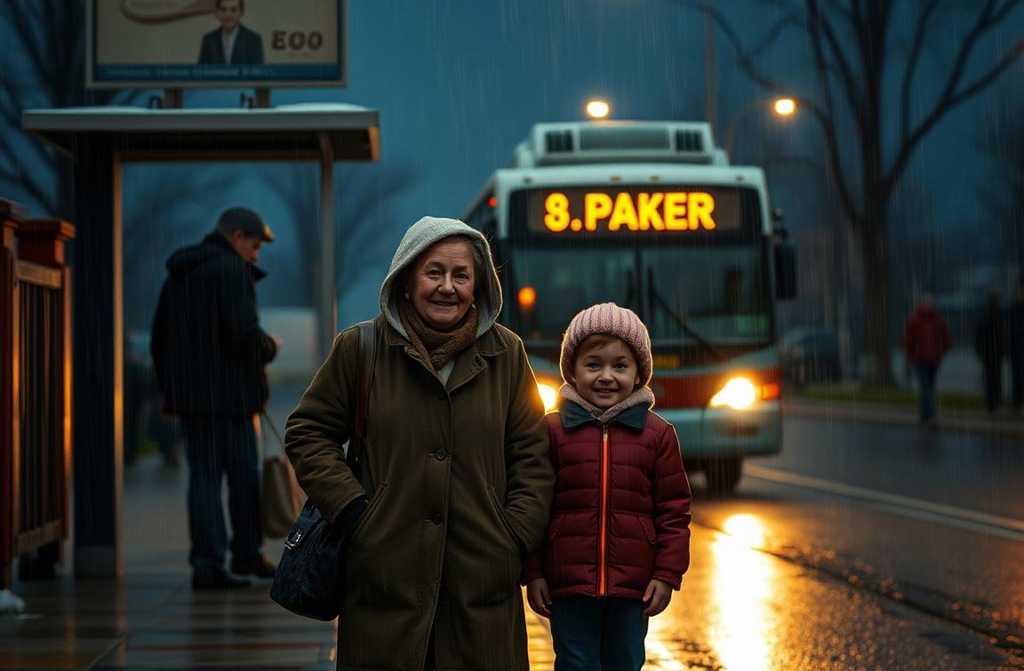
As seven approached, the air turned noticeably colder. A fine drizzle fell without pause, and the wet pavement reflected the streetlights. A small crowd gathered by the shop some hoping for a passing lift, others praying for a kind truck driver. After six, traffic was almost nonexistent.
A local activist, Rachel Morgan, posted in the community Facebook group: Friends, the bus has been axed and people are left stranded! Lets meet tomorrow evening at the council offices we need a solution! Comments rushed in, some offering to organise carpools, others venting at the council, and a few sharing stories of nights spent in the town centre when the weather turned bad.
The next day the debate spilled onto the schools front steps and into the pharmacy. One suggestion was to write directly to the operator, hoping theyd reconsider. The driver, however, shrugged:
They told me the evening run isnt profitable Fewer passengers now that autumns set in.
Attempts at arranging lifts were shortlived: a few families agreed to rotate dropping off the children, but that left the seniors out of luck. One evening Ethan and his friends waited half an hour in the rain, expecting a friends mum to collect everyone at once her car broke down en route.
Meanwhile the number of stranded people grew. Alongside the schoolchildren, pensioners returning from the health centre and women from neighbouring hamlets found themselves caught between home and the town centre by a blank line on the timetable.
Evenings saw shop windows fogging from dampness; inside, those with nowhere to go huddled together. Lucy allowed us to stay until closing after that we were forced to step back onto the street, hoping for a random bus or calling someone we knew to let us crash for the night.
Initial irritation slowly gave way to anxiety and fatigue. The chat groups listed those most in need of transport: primaryschool kids; Mrs. Margaret Doyle, an elderly lady with weak legs; a lady from the third house who struggles with her eyesight Their names recurred night after night.
One rainy evening the waiting room at the bus depot filled earlier than usual the service was still absent. The air smelled of wet clothing; rain drummed on the roof. Pupils tried to do homework at the luggage tables, while pensioners clutched their shopping bags. By eight it became clear: no one would be home on time that night.
Someone suggested drafting a collective appeal to the district head right then:
If we all sign, theyll have to listen!
People wrote down names, addresses, villages; a notebook served as a signature sheet. Voices were low exhaustion outweighed anger. When the youngest girl burst into tears, frightened at the thought of spending the night alone amongst strangers, a shared resolve blossomed.
Together we composed the letter: we asked for the evening service to be reinstated at least every other day, or for an alternative to help those who rely on the bus as their only lifeline. We listed the number of residents per village, highlighted the routes importance for children and seniors, and attached the signatures wed just collected.
By half past eight the petition was ready; we photographed it on a mobile and emailed it to the council, printing a copy for the clerks desk the next morning.
No one argued any longer whether to fight for the route or hope for neighbourly lifts the bus had become a matter of survival for many families.
The following day was bitterly cold. Frost laid a white veil over the grass by the depot, its glass doors still bearing yesterdays smudged palms and scuffed boots. The same faces returned: someone brought a thermos of tea, another shared fresh updates from the group chat.
Discussion was now hushed but tense. Everyone waited for a reply, aware that such matters rarely resolve swiftly. Schoolchildren flicked through their phones, checking messages. The elderly speculated how theyd manage if the service never returned. Lucy arrived with a printed copy of our petition, a reminder that wed done everything we could.
Evenings saw us gathering again at the stop or on the bench outside the chemist, now talking about organising adult patrols to escort kids or possibly hiring a minibus for the toughest days. Fatigue lingered in every movement; even the most energetic spoke softly, conserving strength.
In the local chat, updates appeared almost daily: some called the council and received vague answers; others posted photos of the empty waiting room with the caption Were still waiting together. Rachel Morgan posted reports on how many people were forced to seek lifts or spend nights in the town centre over the past week.
It became clear the issue stretched beyond one village or household. Social media posts urged likes and shares to draw the councils attention to the scale of the problem.
The councils silence weighed heavier than any rainstorm. Residents wondered would officials still deem the route unprofitable? What could a person do if they couldnt afford to be delayed an hour? Windows glowed amber behind frosted panes; the streets were nearly deserted as everyone tried to avoid unnecessary trips.
A few days later an official reply arrived: the collective petition had been accepted for review; an audit of passenger numbers would be undertaken. They asked us to confirm how many relied on the service from each village, to list school club timetables and healthcentre opening hours for seniors. Teachers compiled student lists with addresses; pharmacy staff helped gather data on patients from surrounding hamlets.
The waiting became a shared concern for the whole district. Even those who had previously dismissed the buss importance began to ask about its fate it now touched everyones life.
A week after our appeal, frost thickened the roads. A small crowd gathered outside the council offices, clutching copies of the petition. Kids with backpacks and seniors in warm coats waited anxiously.
At lunchtime the secretary emerged with a letter from the council leader. It announced that the evening service would resume on a fortnightly basis until the end of winter, with passenger numbers to be monitored via a new logbook; a full daily service could return in spring if usage proved sufficient.
Reactions were mixed joy at the victory, relief at the end of a harrowing week. Some wept at the council doors; children jumped onto each others shoulders in triumph.
A fresh notice was posted at the bus stop beside the old cancellation flyer; people photographed it and sent the images to neighbouring villages. In the shops the conversation turned to the details:
At least weve got something now! I thought wed have to walk the whole way
A fortnightly run is better than nothing. Lets show the council how many of us actually ride!
The first restored journey took place on a Friday evening. A thick fog clung to the road as the bus emerged from the mist, headlights cutting through the November gloom.
Schoolchildren claimed the front seats, pensioners settled by the windows, and a few of us exchanged brief congratulatory remarks:
Look at that We did it together!
Lets keep it going!
The driver greeted everyone by name, checking the new passenger register as we boarded.
The bus rolled slowly onward, fields and lowroofed cottages drifting by, chimneys sending up thin plumes of smoke. Faces looked forward with a calm that hadnt been there before as if the hardest part of the journey had finally been walked together.
Mrs. Whitakers hands still trembled with excitement long after she stepped off at her village. She knew that, should anything happen again, the neighbours who signed that nights petition would be there to help.
Life in the district returned to its familiar rhythm, but every passing glance now carried a touch more warmth. On the bench by the stop we chatted about future trips and thanked those who took the initiative that rainy night.
When the bus finally slowed at the central square later that night, the driver waved to the children at the school:
See you in two days!
That simple promise felt sturdier than any topdown decree.






