The Yellow Cardigan
The dust on the back of the mirror smelled of old varnish and a forgotten wardrobe. After the divorce, Rose turned the mirror to face the wall, stepped back, and still drew in her stomach, as if someone were standing in the hallway waiting for her to walk past.
The fridge hummed in the kitchen. Her tea cooled in its mug. Every time she opened the wardrobe, the paper sheath around the yellow cardigan rustled, and the sound made her uneasy, as though the cardigan was there on borrowed time, waiting for a decision she kept postponing.
The flat felt roomier now, but not freer. Thats how it can be. Someone leaves, and their presence lingersnot in slippers at the door or a mug on the shelf, but in the habit of speaking softly, sitting at the edge, apologising even to an empty room.
Rose sat on the stool, adjusted her jumper cuffs, then did it again, though the fabric had lain straight for hours. From the hallway clock ticked. Someone in the building let the lift pass; a neighbour dropped a ring of keys on the stairs, and their clatter sounded so familiar that Rose looked up, heart pounding, almost expecting him to come back for something forgotten, though nothing was left to forget.
It was Rose who wanted the divorce. Shed signed the papers without a row, without long discussions, or the drama everyone seemed to expect from a marriage of thirty years. Even Lydia, after court, said over the phone that her mother had held it together admirably. Rose just nodded at the receiver, though her daughter couldnt see, and said her usual: its fine, everythings alright.
But it wasnt. It was simply quiet. And sometimes quiet makes audible everything that footsteps once masked.
That morning, Rose decided to sort through the top shelf of the wardrobe. She found old folders, Lydias school photos, bills that had long lost their meaning, a bag of buttons, and a thin exercise book, its corners worn soft. The paper smelled of dust and something sweet, like dried glue. Rose sat on the floor, the book on her knees, and at first didnt recognise her own handwriting.
On the first page, there were to-do lists, recipes, two phone numbers no longer in use. And scrawled faintly in the margin, in blue ink, right at the crease, one phrase pierced her: dont stick out.
She traced the words with a fingernail. Again and again. The paper grew soft and warm beneath her touch. She sat on the floor, hearing the water pipes hum in the bathroom, tasting dry dust at the back of her throatand couldnt remember writing that. She recalled Bens voice, his half-smile, the way hed ask questions as if he already knew the answer. But the handwriting was hers. The book itself predated their marriageby years.
That was the moment everything shifted. Not all at once, no. But Rose suddenly saw that shed spent years telling herself a convenient storythat shed been bolder, brighter, louder before Ben, and that he had made her quieter. But if this phrase, in her own teenage hand, lived in those margins, then who had planted it there? And when did she come to call it her own?
She closed the book and stood too quickly; her knees ached. Her head buzzed. The tea by now was cold and metallic, but she drank it anyway, not noticing the taste, and washed the mug for far too long even after the stain was gone.
That afternoon, Ben rang. There were still papers for the flat, some documents to claim. His voice was just as beforebusinesslike, faintly mocking, as if they were moving a bit of furniture rather than ending three decades.
Can you come by tomorrow?
I can.
Twelve, then. Dont forget your passport.
Alright.
He hung up first. He always did.
Rose put the phone face down, realising she was sitting bolt upright, as if in some private examination. Then her shoulders dropped by themselves. She rubbed her palms against her skirt and looked out the window. Two women in the courtyard were beating a rug, dust rising grey in the March air. Someones knitted hat lay abandoned on a bench. An ordinary day. But in Roses mind, other things were ticking over. Not the meeting. That one line in the exercise book.
That evening Lydia phoned. Her daughters voice hurried and clipped, her spoon chiming against her mug, always as though she was stirring not tea, but a thought she couldnt swallow.
Mum, are you busy tomorrow?
Ill be out for the paperwork.
Alright then. I almost dropped by, but I have a call.
Come after.
Well see. Dont want to bother you.
You never bother me.
Afterwards, Rose still held the phone. The words clungdont want to bother you. Where had Lydia picked up that tone, that habit of stepping back before even making a request, shrinking herself so as not to inconvenience? Hadnt she learned that right here, at their own table, on evenings when Ben never raised his voice, only lifted a brow, and everything became crystal clear?
But even that was not the start of the chain. Thats what wouldnt let Rose settle.
Next morning, the Council office smelled of damp coats, plastic wallets, and burnt coffee. Numbers blinked on screens, someone coughed at the counter, a bored child banged a boot on a metal chair leg. Rose arrived early, sat by the wall, and rested her handbag across both knees, the way she always did when waiting.
Ben spotted her first. He approached, jangling keys in his hand, and Rose thought he hadnt changed at all these monthsthe same greying hair, the same coat collar, the same look of everything already categorised on his internal shelves.
Youre early.
Better that than late.
If you like.
He sat beside her, but not too close. His coat smelled of cold air and that familiar aftershave. Rose watched the screen flash numbers, felt her skirt pull tight over her knees. She wanted to tug it lower, adjust her collar, say something neutralbut said nothing.
Ben pulled out a file, shuffled papers, and, without looking at her, said:
I found one of your old exercise books. Meant to throw it out; then thought you might want it.
Rose slowly turned.
What exercise book?
Squarish, with lists. Found it in my desk. You must have stuffed it there once.
I already have it.
Good.
He shrugged so easily her fingers went cold. Either he hadnt realised how close hed come to the raw spot shed just uncoveredor he had. After all these years, was convenience all he saw?
A number flashed up. They moved to the desk. The clerk spoke quickly, shuffled forms. Rose focused only on her own breathing, the dryness in her mouth. Ben stood a shade ahead. When a date needed checking, he turned and murmured, You know, youre best not to argue over these things.
Dont argue.
He said it routinely, almost kindly, as if it was something hed repeated all her life. And in a flash, Rose pictured not Ben, but a schoolroom, white curtains, scissors on a desk, and her mothers dry voice: dont wear anything too bright, keep your head down.
She signed and nearly missed the line.
They stepped outside; wet snow was melting on the flagstones. Rose hesitated on the steps. Ben packed documents away, gave her a closer look.
Are you alright?
Yes.
You look well tired.
She might have agreed; she always agreed. But instead, she asked,
Did you often say that to me?
He frowned.
Say what?
That I shouldnt argue. Speak up. Get involved.
Oh for heavens sake, Rose, must we? This isnt the time.
And when will it be?
Were here for documents. Its done.
He looked at her with habitual annoyance, but no edge to it, as if the usual pattern had started but the other half failed to slot into place.
I just asked, Rose said, and for the first time, she added nothing to soften it.
He paused, then nodded.
Fine. I need to be off.
She watched him head for the car. All she felt was a hollow ache, as though a nail had been pulled from the wall, but the mark remained. Ben had said those things for years. But the words were already there before him. That was the cruxnot blaming those nearby, but recognising the ones before, and her own childhood self, so careful, so willing to comply.
On the way home, Rose bought a loaf and a box of tea. At the checkout the cashier asked, Would you like a bag? Rose answered, almost by habit, Sorry, no thank you, and heard herselfcaught in the old reflex.
Sorry.
But sorry to whom?
Lydia arrived that evening with her laptop and a thin file. She smelled of cold damp air, citrus hand cream, and coffee. She didnt take her coat off right away; instead she perched on the edge of a chair, as if dropping by for a minute, though her bag of pastries on the table suggested otherwise.
I cant stay long.
Then why the cake?
I bought it on the way.
Lydia smiled and looked away. The file of documents lay between them, a mug beside it; her daughter drummed her fingernail along its rim in a pattern Rose recognised before she knew what theyd be discussing.
Theyve offered me a new position, Lydia said, formally a step up. Better pay.
Thats good.
Suppose so.
Rose sliced the pastry, apple and spice filling warming the air. Lydia had already opened her laptop and begun explainingmore tasks, a new manager, more public meetings. She rattled through it all, leaving no space for a pause, as if racing to outpace her own doubt.
Ill probably turn it down, Lydia finished, shutting the laptop.
Rose set the knife down.
Why?
I dont know. Its not for me.
Not at all?
Mum, the people there Theyre confident, loud. I justnext to them
She let the sentence slip away.
Rose watched her fingers, so slender and familiar. The same little movements she herself made: smoothing a napkin, shifting a cup, then shifting it back. Saying nothing, already taking up less space.
Are you afraid youll be too visible? Rose asked.
Lydia smiled awkwardly. Good question.
And?
And maybe Im just not one of those who can charm a room.
Why should you have to?
Otherwise youre in the way.
In whose way?
Everyones.
The word hung in the kitchen, like steam above the tea. Rose struggled for an answer. Outside, a car door slammed; old paint crackled on the radiator; the apple pastry cooled, scenting the air sweet and homely. All ordinary things. Except now one thing was unmistakably clear: her daughter spoke in her own words, only more modern, more polished, but the sense unchanged.
Lydia, Rose said quietly, Did anyone ever tell you, growing up, that it was better not to be noticed?
Mum
Lydia pinched the bridge of her nose, gripping the mug with both hands.
No one said it out loud.
And not out loud?
There was always a feeling at homewhen to keep quiet, when not to disagree, when not to stand out. You know what I mean.
Rose eased herself onto a chair; it creaked.
I do, she said.
And that was the hardest part. Not Ben. Not the paperwork. Not the empty flat. The hardest part was recognising that some of the rules shed passed on herself. Not out of malice, just habitlike passing on a soup recipe or the way to fold sheets.
Lydia broke off a piece of pastry and left the crumbs behind.
Dont think Im blaming you.
I dont.
Its just how it is.
Yes, said Rose, Thats how it is.
And she realised she needed to visit her mother.
At Agness, the house smelled as it always hadonions, soap, ironing, and dry herbs she kept above the fridge for some lost reason. The window was covered in patterned oilcloth; the sharp old scissors stood in a mug with pens, and a faded blue gilet hung over the chair back.
Agnes came to the door slowly. She always asked who it was, even with the new, wide peephole. Then the lock snapped open and her mother stepped aside, giving Rose a once-over.
No phone call?
It just happened.
Come in. Slippers are down there.
Everything had its place in her mothers house. Especially the words.
Rose took off her boots, feeling the chill of linoleum. She remembered, suddenly, how as a child she would fret over wet footprints. Not because shed be scolded, but because Agnes could glance in a way that made you want to disappear, blend in, become invisible.
In the kitchen, the kettle hissed. Agnes set down two cups, a jar of jam, and a plate of dry biscuits.
Eat.
Im not hungry.
Then drink.
Rose sat by the window, the glass cold, ledge smooth, the tea strong enough to pucker the mouth. Her mother straightened the tablecloth, tugged the curtains with quick, nimble handsthe same hands that hemmed skirts, stitched collars, and cut off bright buttons that drew attention.
Are you managing? Agnes asked.
Im divorced.
I know. Lydia told me.
No pause, no wasted movement. Only the gentle chime of a teaspoon against the cup.
And now?
I dont know.
Live.
Rose smiled with just her lips. Thats how Agnes handled life: two syllables and a shrug, as if things never tangled, never stuck, never knotted inside.
Mum, do you remember my red dress? At school? For the party?
Coral. And what of it?
You shortened it. Took off the sash.
It was too much.
Too much for whom?
Everyone would have noticed.
Agnes said it calmly, as if discussing the weather. Rose set down her cup, fingers gripping too tightly.
And if they did notice, why would that be bad?
What are you on about?
That you spent my whole life making me smaller.
Her mother looked straight at her. Not reproachful, not sharp. Almost surprised, as if seeing an object out of place.
Not smallerprotected.
From what?
From trouble.
What sort of trouble?
The sort that costs you dearly.
The kettle still steamed, but Rose felt cold. She rubbed her hands together as if to scrub away the invisible old dust. There it was. Not a prohibition for its own sake. Not the desire to crush, but a lifelong creeddont argue, dont stand out, dont ask for much, dont meet gazes, dont talk too loud. Safer that way. Quieter. You wont be harmed. Only, the quiet comes at too steep a price. You stop being visible to yourself.
I taught Lydia the same, Rose said quietly.
What else is a girl to learn?
How to take up space.
Space is earned.
Agnes replied instantly, as if from memory. And in that moment, Rose saw not just her mother, but a young, tired Agnes in a cramped old room, where any boldness was an extravagance, any extra sound a risk, and any courage a gamble. No one taught Agnes gentlenessto survive in close quarters was the lesson, the only inheritance she had to give.
But understanding isn’t the same as agreement.
I dont want to live like that anymore, Rose said.
At your age, its a bit late for a revolution.
Late for what?
For dramatic changes.
Rose looked at the scissors in their mugold, darkened handles. Those scissors had snipped at the red dress, one dry click at a time. Each snip taking in a little more, making the dress smaller and smaller, neat and convenient for Agnesnot for the girl who wanted one day to walk proudly into a room.
Its not about drama, Mum.
Then what?
About not vanishing from your own life.
Agnes said nothing. Outside, a bus rumbled by; the window trembled. Somewhere, an alarm clock ticked, always a few minutes fast.
Loud folk rarely have peaceful lives, her mother offered at last.
And those who keep quiet?
They live longer.
Rose didnt reply. She simply sat, listening to the spoon tap the cups edge, holding the strong, bitter tea on her tongue, realising that she no longer expected apologies or confessions. Agnes could not reverse what was done. She had done what she thought right. But right and good arent always the same.
Before Rose left, Agnes handed her a bag.
This is yours. Found it on the top shelf.
What is it?
Youll see.
Inside was the yellow cardiganRoses, bought last autumn and never yet worn. Agnes fingered the buttons, and, unable to resist, remarked,
The colour is difficult. Needs confidence.
Rose took the bag.
Well, lets see if I have it or not.
Agnes said nothing more, only held the door open for her.
The next day, Rose went to the local hairdressers by the market. The salon air was thick with hairspray, apple-scented shampoo, and the heat of a dryer. In the mirror, she saw women in raincoats, shopping bags on spare seats, and herself, still slightly sideways, taking up as little room as possible in the big pane of glass.
A bit shorter at the fringe? the stylist asked.
Yes. And at the sides, too, please.
Snipped hair tickled her neck. On the table lay magazines, pages stuck from so many hands. Outside, a vendor stacked radishes. The day suddenly felt simple, almost new. Rose left with a lighter head, bought a takeaway coffee, and stood a while at a shop window, gazing at her reflection. Not a beauty, not a heroine of late happiness. Just a woman in a new morning light. Surely that was enough.
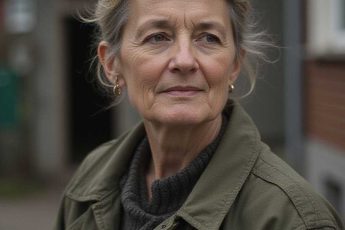
At home, she took the yellow cardigan from its bag. The wool was soft, a bit scratchy at the neck, the shade brightened her face. She put it on, walked about her flat, looked in the mirror, and for once didnt immediately avert her eyes.
Things made more sense. As though, once you name the source, the old habits begin to loosen. As though, when you see the linksmother, husband, herselfthey can start to unravel.
But that evening, when the pharmacy driver called on the intercom asking her to come down, Rose still answered, Just a moment, sorry. When a neighbour asked if the paint smell from next door bothered her, she said, No no, its fine, even as her throat tickled. At the corner shop, the cashier short-changed her. Rose only noticed on the pavement outside. Did she go back? She did not.
The mind understood, but the body still lived by the old script.
That was the harshest truth.
Days later, Lydia messaged to say shed be dropping by after work. The message was brief: need to talk. Rose read it twice, set the kettle on, opened the kitchen window. Damp April air drifted in, carrying the scent of wet tarmac and metal. She placed the squared exercise book on the table. Next to it was the job offer Lydia had forgotten on her last visit.
Her daughter arrived late. Shadows darkened her face, her hair had slipped loose, raindrops marked her cuff.
Wont stay long, Lydia called, stepping in.
Come in.
Ive decided.
Rose felt the paper grow damp under her palmsimply from her grip, from how hard she was holding on.
You refused?
Almost.
What do you mean, almost?
Ive typed the email, but not sent it.
Show me?
Why?
Lydia came to the kitchen, sat, fished out her phone. Its glow lit her face from belowa face ready for retreat, already equipped with the right words.
Its polite, Lydia said, Thanking them for the trust, saying Im not ready, sure theyll find someone better suited
Suited to what?
Mum.
To what?
Lydia exhaled and turned the phone over.
To that constant visibility, that sense of always being present. For people who walk in and make themselves known.
And you cant?
I dont want to.
Or you dont want to want to?
Her daughter shot her a look; for a moment, only the patter of rain and the faint rattle of a spoon were heard.
Whats that supposed to mean?
Its a question.
You never used to ask like that.
There are plenty of things I never used to do.
Rose set the exercise book in front of her.
Take a look.
Lydia flipped it open, stopped at the blue scrawl. Frowned.
So?
Thats my writing, age fourteen.
And?
I always thought it was your father who taught me that. But it wasnt.
Lydia stared at the page, then at her mother.
You mean, all from Grandma?
Not all. But a lot.
And now what?
That was the real question. Not abstract, not pretty, but the sort that makes hands sweat and voice waver if you recoil into old ways.
Rose took the seat opposite. The cardigan warmed her shoulders; her fingers were still cold.
First, dont send the email.
Thats not an answer.
Its a first answer.
And next?
Notice where you make yourself small before its needed.
Easy for you to say.
Not easy.
She fell quiet, feeling all that had settled in her shoulders for thirty yearshunched, shrinking, giving way before anyone even asked.
Lydia, I dont want you to live as I did.
And how did you live?
Always like a guest. Even at home.
Lydia dropped her gaze, thumb smoothing the edge of the page, just the way Roses own fingers moveda movement so familiar it almost stung.
If I accept, I might fail, Lydia whispered.
Of course.
I might look a fool.
Yes.
Might say the wrong thing.
That too.
Lydia met her eyes, wide and unguarded like a childs.
Then why sound so sure?
Rose took the letter and turned it round.
Because to refuse without trying is also a choice. And afterwards comes the same question for years.
What question?
What if I could have?
Rose said it cleanly, without an apologetic maybe at the start, without that old softeningcovering every truth with a towel, as if it were too hot to handle. And Lydia heard her, sense before words.
Do you regret? her daughter asked.
Oh yes.
What do you regret?
How often I was silent next to you.
Lydia didnt reply. On the window, a raindrop slid. Then another. Outside, someone closed a car bootheavy, familiar. Rose realised now that what mattered wasnt a long conversation, or perfect phrasing. It would be a simple act which marked the way forward.
She held out her hand.
Give me your phone.
Why?
I want you to delete that message now, while Im here.
Lydias eyes searched her, then she unlocked her phone, slid it across. Rose didnt take it; she nodded at the screen.
Do it yourself.
Lydia bit her lip, tapped to open drafts, her thumb hovering.
Mum
Yes.
What if I regret it later?
Regret what? That you gave yourself the chance?
Lydia exhaled softly. And pressed delete.
The screen flickered; the draft vanished.
Neither of them spoke at once. The kettle was cold; the rain slowed. Rose sat, feeling the weight in her shoulders shiftas if an old, rusted hook had shifted at last.
Lydia broke the silence.
Grandma would call this reckless.
Yes.
Dad would say, be practical.
Yes.
And you?
Rose looked at the exercise book, the scrawled blue words, the hand now broader and coarser than before.
I say: try.
Just that one word. But it filled the room as none of her old answers had done.
Lydia picked up her mug, took a sip of cold tea, and gave a short, startled laugh.
Im not used to hearing that from you.
Nor am I.
Her daughter rose, stood by the window, resting her forehead on the glass.
If they accept me, Ill probably come home and just not speak for an hour.
Come home.
And if I mess up?
Come home anyway.
Lydia nodded. This time, her shoulders were not so hunched as at the start. Not thrown back, but not bent in ready compliance either.
Once shed left, Rose didnt clear the mugs immediately. She sat, tracing the corner of the exercise book, listening: doors slamming, the lift chugging, water rattling in the radiators. Everything the same. But different.
Because now, just one step would not follow the same old track.
The morning was brightnot summer-bright, but April, cold and stubborn. Rose woke before her alarm, put on the yellow cardigan over her t-shirt, and went to open the window. The air smelt of damp earth, bus timetables, and something faintly green, not yet unfurled.
The mirror was back in the hallwayno longer turned to the wall. The old stain in the corner was still there; the frame creaked slightly as she adjusted it; she was no taller, no younger, no braver overnight. Just stood before her reflection and didnt pull her stomach in.
Then she straightened the collarnot to hide, only to sit right.
Her phone buzzed. Lydias message was brief: I said yes. A minute later: Sent the acceptance, not the refusal. A minute more: My hands are shaking.
Rose read, smiled, and waited a moment before replying. Her fingers lay calm and steady on the screen.
Try. Im here.
She sent the message, set the phone down, and looked back at the mirror. Behind her, the same hallway, the same light, the same home shed hurried through sideways for so long. There was no rush now.
Sometimes change arrives not with a bang, but a quiet shift. No voice raised. No doors slammed. No grand gestures. Just the decision to stop shrinking.
For a start, thats enough.