Apples in October
Look, Helen, you need to understand. Theres only one flat and two of us. Im the elder, so, by law, Im meant to get a larger share. You must see that.
Helen Short stood at her window, watching the bare branches of the rowan tree sway in the garden below. She didnt cry. She just watched, thinking how the tree had flourished this year, with thick clusters of red berries, almost all of them pecked away by the birds.
I dont understand, William, she said quietly, not turning around.
How can you not? Its a three-bedroom in the city centre. Im on the lease. Ive a family, children.
Im on the lease too.
Thats only temporary. Mum let you stay when you split from your husband, Helen. That doesnt mean you own half.
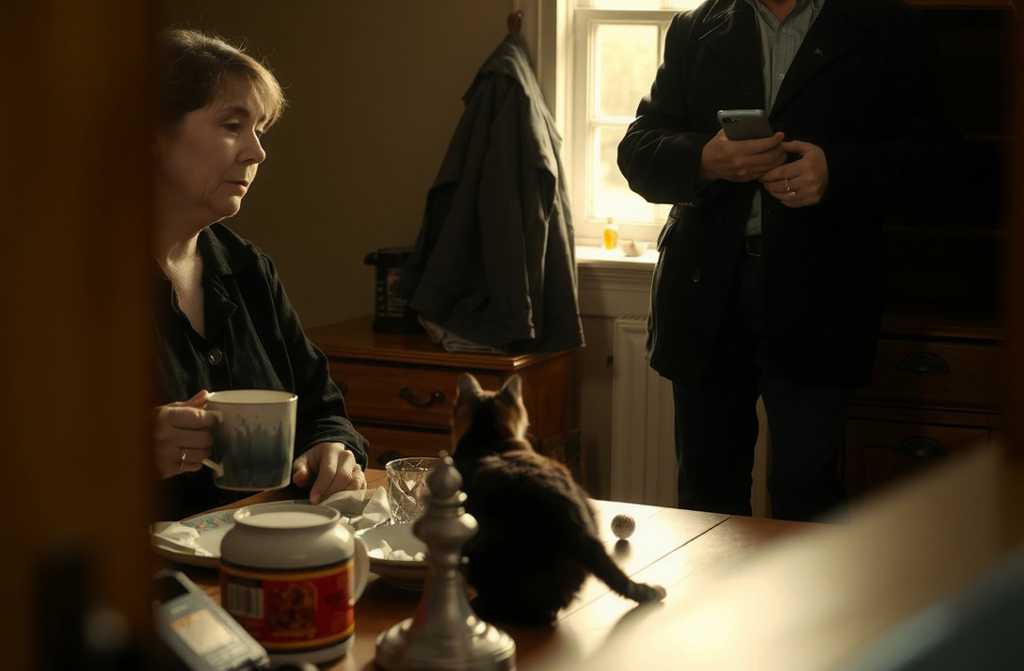
Helen finally turned to face him. William was fifty-seven; she was fifty-four. Theyd grown up in this flatshared a table, a shelf of books, their mother. Now he stood in her doorway, coat expensive, phone in his hand, eyes fixed somewhere over her head.
The solicitor said the will splits the flat half and half. Its not your decision, Will.
I know what the solicitor said. He finally met her gaze, but his look wasnt angry or hardjust tired, like someone whod made up his mind a long time ago. Ill offer to buy you out. Your halfs worth decent money, but taking out a mortgage at my age He shook his head. I can pay you in instalments, or
Or what?
Or you take mums old place in Applecombe. Big garden, house, shed the lot matches your half in value. Well, almost.
Helen said nothing. Outside, the rowan tossed in the wind, and the last cluster fell.
You want me to move to the village.
I want us to part civilly. No courts.
Ill think about it, she said.
William left without slamming the door, which almost stungit meant he didnt care enough to make a point.
Applecombe was a hundred miles from the city. Helen used to visit as a child, and then in her youth, with her mum. She hadnt been back in nearly a decadenot since her mother could still make the trek. The house was never new; it smelt of damp and the roof sagged a touch, but her mum always said the air was better there. Different.
Ringing her friend Nina, Helen recounted the offer.
Have you lost your mind? Nina demanded. Dont agree. Fight him. Get a proper solicitor.
Nina, I cant afford a solicitor. And I havent the fight in me.
But youve the strength for the village?
I dont know yet, Helen said, pause stretching between them. I should see the place first.
Youll seetheres nothing there.
Mum always said the air was different.
Nina was silent, then sighed. Youre running away, Helen. Thats not the answer.
Maybe running is what I need.
She left on a cold Saturday by train. The October chill bit, and the trees along the track were down to the barest leaves. Helen watched the landscape slide by, fields, woodlands, garden plots behind blackened fences. She tried not to think, just to look.
Applecombe was tinya few roads, a shop on the corner, a church missing its steeple. The house sat at the end of the second street, hidden by old apple trees, looking every bit unlived-in: paint peeling on the shutters, gate leaning, steps grown thick with moss. But the walls stood straight, and the chimney looked sound.
Helen opened the lock and stepped inside. The place smelt empty but not rotten. She drifted through, from the kitchen with its range, to the parlour, to the little room with a narrow settee. Mums old raincoat hung in the hallway. Helen ran her hand over that fabric, throat tight but refusing tears.
The garden was an overgrown tangle. Yet the apple trees survived, holding a handful of small, golden apples. Helen picked one from the ground, wiped it on her sleeve, took a bite. Sweet, slightly tartthe taste of autumn.
Back in the city, Helen called William. Ill take the house. Sort the paperwork.
Right, he said, and nothing more.
Moving took two weeks. She didnt own muchbooks, linens, crockery, clothes. Nina helped load the car, muttering about how mad Helen was to do this, but not really trying to talk her out of it anymore.
Will you visit? Nina asked as they finished.
Ill visit you. You should come too.
Me, in a village? Nina snorted. Id be eaten alive by midges.
Its October. No midges.
Therell be more next year.
Helen started with the kitchen. That made senseonce the range was working, the house would be warm and she could cook. The range still worked but the flue needed cleaning. Across the lane, Mr. Fred Thompson wandered over on her second day. He looked in, as though by accident, and said:
I heard Alice Shorts youngest is here.
Yes, Im Helen.
Im Fred. Knew your mother. Good neighbour.
Come in, will you.
He looked over the range, poked at the flue, declared it needed clearing. Ill handle it. No trouble.
I could learn.
You could, he grinned, but let me. Theres a knack.
While he worked, Helen tidied the parlour and they chatted through the open doorway, out of sight but easily heard.
Lived here long? she asked.
All my life. Born and bred.
Never wanted to move to town?
Oh, in my young days, yes. It passes.
Why?
He paused. In town, theres always something you must do. Here, you choose. Thats the difference.
Helen considered this and decided she understood.
Those first days passed in a strange, numb rhythm. Up earlycountry daylight and the birds wouldnt let you sleep in. She drank tea by the kitchen window, watched the apple trees, walked to the shop, did some jobs, read, or just kept busy. By evening, shed want her bed.
Thoughts of William came at nightnot angry thoughts, more the bewildered sort. At what point, she wondered, had her brother become a stranger? Or maybe he always had been, and she just missed it. Three years differencea fence neither could bother to climb.
One evening, she found a little grey cat perched under the steps, eyes like gold coins. Helen brought bread and butter, which the cat sniffed, then sidled a distance away.
Proud thing, Helen remarked.
Next day, she brought milk. The cat drank half and stayed.
Fred, seeing her, nodded sagely. Ah, thats Tilly. Shes a stray, goes house to house. Dont try to own her, she never belongs to anyone.
Well see, Helen smiled.
Within a week, Tilly dozed on her parlour settee.
The house demanded work, which was a mercy. With her hands occupied, her mind wandered less. She mended gate hinges, painted the shutters, sorted shelves. Fred brought chopped logs for the shedshe protested, wanted to do it herself, but he dismissed her kindly: Town dwellers must stack wood properly, else it all goes soggy.
I want to learn.
You will. By next year youll manage on your own. He gave her a searching glance. You staying then? Wintering here?
Most likely.
He nodded and stacked the wood neatly, enough for a long cold spell.
November, and the cold set in. The village slowed to a hush. Hardly a soul ventured out, though smoke drifted from many chimneys. Helen stoked up the range each day and found comfort in itthe simple ritual: stack kindling, strike a match, listen for the flames, hear the wood catch, feed in logs, then settle to the rumble.
She phoned Nina.
Guess what? Im firing up the range.
And?
Its good. I like it.
Helen, Nina hesitated. How are you, honestly?
Im all right. Better than I expected.
Thank God for thatI worried youd drown in self-pity out there.
Nina.
Okay, okay. Shall I visit?
In spring. The apple trees will be out.
You make those trees sound magical.
They are. Mum planted them.
Ill come in spring, then.
Late November, Helen started baking. She found a small notebook full of recipes in the utensil drawerher mothers neat writing, each recipe carefully labelled. Apple Pie with Dried Yeast. Aunt Claras Scones. Simple Honey Cake. Helen tried the apple pie firsther own apples, kept in a crate just outside.
The pie caught a bit on the bottom, the crust came out thick, but the scent filled the kitchen. She cut Fred a generous slice.
Homemade apples? he asked.
From the garden.
Thats Bramley. Best sort for pies, your mum always said. She made a lovely pie.
I never knew.
She missed you, Fred said without reproach.
I missed her too.
They ate in companionable silence as Tilly hopped onto the windowsill, peering out into the garden.
What did you do, back in town? Fred asked.
Accountant. Twenty years at the same firm. Made redundant two years ago.
And now?
I live on whats saved. Theres not a lot.
Fred noddedno sympathy or solution, just calm agreement.
Is there a way to sell things here? Pies or something? Is there a market?
Fridays, in Greenfield, a few miles away. People come for homemade stuff.
Eight miles, Helen echoed.
Ive a car. Fridays I go shopping therecan give you a lift.
Ill think about it.
Take your time.
First Friday passed, then another. On the third, Helen baked four pies, wrapped them in towels, and set off with Fred. The market was smalla covered shelter, people selling jams, potatoes, pickled onions, knitted hats. Helen found a spot, set out her pies.
An elderly lady in a green coat was her first customer. Whats inside?
Apples, from my garden.
No cinnamon?
No, just apples.
Shame. Ill have one.
By the end, shed sold the lot. The money wasnt much, but it was hers, earned by her own hands.
In the car on the way back, Fred asked, Howd it go?
I sold everything.
I noticed. Fred smiled. Try gingerbread next time, they fly off the shelvesespecially near Christmas.
Mum never made gingerbread.
She didnt, but you can. He gave her a look. Youre good at this. Dont be afraid.
Helen spent December in the kitchen. She tested recipes, writing down what worked and what didnt. She tried two kinds of gingerbreadone with honey and ginger, the other with lemon zest. Fred preferred the honey version. Tilly sniffed curiously at the baking, then wandered away, as shed always done with people food.
One evening, Helen started taking photosof pies on the wooden table, the cat on the sill, the sunset behind apple trees, the roaring flames of the range. Flicking through afterwards, she thought something about them felt true.
Nina texted, Those photos are beautiful. Villages arent supposed to look so lovely.
They do, Helen replied, if you look.
Post them somewhereon HomeView at least! Everyones watching things like that now.
Helen opened an account, Apples in October, and uploaded a few pictures. Within a week she had fifty followers. Two weeks later, two hundred.
It baffled her. What was so fascinating? Just her little kitchen, her baking, her cat. But people left commentsReminds me of my grans, I wish I was there, Please share the recipe.
Helen started posting short videos: mixing dough, stoking the range, rolling crusts. Her voice on film was soft, naturalno performance, just showing what she was doing. The follower count climbed.
Nina rang.
Youre an internet star, you know?
Five hundred peoplehardly a star.
Still, people are writing to you?
Yesasking for recipes. A lady from Sheffield says shes tried mine and hers turned out.
See? I honestly thought youd wilt away, but youve come alive.
Dont exaggerate.
Im not. You sound different. Happier.
Helen paused. Its nice here. I didnt expect that.
Im glad. I really am.
January brought a blizzard. For three days strong snow buried the roads. Helen stayed in, stoking the range, feeding Tilly. She had enough food to last. Fred dropped off potatoes and a jar of homemade damson jam, knocking on the window so as not to drag snow through the house.
All right? he called through the glass.
All right! she shouted back.
He nodded, trudging away through the drifts. Helen realised she knew almost nothing about himhis past, family, or storiesbut that was fine. He didnt tell, and she didnt ask.
That week, Helen found money.
Clambering up to the top shelf for an old pot, she found a battered tinheavy when she took it down. Inside was a bundle of notes, banded with elastic, and a slip of paper.
In her mothers tidy script: For Helen. For a better life.
Helen sat at the kitchen table, the tin in her lap, just staring at the note. She didnt count the money, just held it. Tilly jumped up, nudging her hand.
Did you know? Helen whispered, scratching her head.
The money wasnt huge, but more than enough for winterto buy a better cooker for the kitchen, fix the porch, maybe get a new range. Mum must have been saving for years. Quietly, just for Helen.
She rang William, just to say.
William, I found mums savingsin a tin, with a note.
A pause. Much?
A fair bit.
That well, that counts as inheritance too. Has to be split.
Helens voice was steady. She wrote For Helen. In her handwriting.
Laws the law, Helen.
Ive heard you, William.
She hung up, made tea, and drank it with Tilly on the windowsill, deciding not to call him again.
February brought blue skies and quiet. The snow sparkled, trees rimed with frost. Helen took her phone out to photograph the apple treesso different, beautiful in winter.
Her page, now, had over three thousand followers. A woman named Rachel with a bakery in a neighbouring town messaged, asking if Helen would supply gingerbread. Helen said shed think, then agreed. Rachel ordered the first batch100 for Mothers Day.
Fred brought cardboard boxes for packaging, sourced from Greenfield.
Big business now, is it? he smiled, seeing her stacking gingerbread in rows.
Maybe, maybe not. Well see.
When I was young, he mused, I wanted something of my own. Never managed.
Why not?
Fred shrugged. Different times. And I was shy.
You dont seem shy.
Not now. He looked at the boxes. You dont waityou just do.
Helen almost said shed always waited, once. Waited for life to sort itself out, for her husband to change, for her boss to notice, for her brother to act fairly. But she only stacked gingerbread and said nothing.
By spring, she found her balancedifficult to put into words, but real. Whatever was wound up inside had quietly eased. One morning she woke without that familiar heaviness. Tilly curled up beside her, apple buds swelling outside.
Nina arrived in April, as promised. She saw the house, the trees, the cat, Fred helping fix the porch board, and was quiet. Finally, she said, I thought you were hiding. But youre living.
Those arent mutually exclusive.
No, really, Helen, Nina said, gazing at the garden. This is lovely. I didnt expect it.
You sound like I did in October.
Suppose so, Nina laughed. Show me how to light the range.
They spent a half-day fiddlingNina struggled with kindling, sticks everywhere, laughing at herself. Watching, Helen realised she hadnt seen Nina this relaxed in years. In town, she was always in a rush, a bit anxious. Here she simply watched the fire.
That Fred, Nina said in the evening, hes single?
I havent asked.
Helen.
Nina.
He looks at you closely, you know.
Hes a gentleman.
Maybe, Nina agreed, but her tone held doubt.
Helen spent May Day planting. Not just flowers, but edible thingscourgette, dill, blackcurrant canes. Fred brought tomato seedlings.
Homegrown, strong plants.
How much do I owe you?
Nothing. Neighbourly kindness.
Fred, you help me too much.
He set the tray down, looking at her.
Does that bother you?
A little. I dont want to owe anyone.
You dont. He spoke gently. You help me, too. Bring pies, talk. Ive been on my own a long time; conversations as useful as seedlings.
Helen thought, Hes simply a good man. Hard to find any more.
Thank you, she said.
Youre welcome, he replied, readying the seedlings.
June came warm. The apple trees bloomed so beautifully, Helen couldnt take her eyes off themmasses of white blossom, heady with scent. She filmed it, uploading: Apple trees in bloom. The best Ive seen this year. It got thousands of views. People wrote they cried, missed that scent, wanted to visit.
Rachels bakery kept ordering gingerbread, offering Helen a steady contract, which she took gladly.
In June, William rang. She saw his name and hesitated before answering.
Hello, he said.
Hello.
How are you?
Fine. Spring, garden work.
Nina keeps me updated, he muttered.
She tells more than I do.
Helen, I things are rough. The building project I put my money ingone. Partner vanished. Moneys gone.
Helen waited.
Im not asking for anything, he said quickly. Justthought you should know.
Why?
Not sure. Felt I should. He lowered his voice. Hows the Applecombe house?
Its good. Ive mended it.
The roof?
Later. First the range, porch, gates.
Alone?
Freds helped.
Right. He paused. Angry with me?
About what?
You know how it turned out.
Helen looked outside. Tilly watched from the window ledge.
Im not angry, William. Im just living.
He didnt answer at once. Then, quietly, You were always smarter than mejust kept quiet.
Not smarterjust different.
They talked a few more minutes about nothing in particular, and said their goodbyes. Helen put her phone down and stood at the window for a long while, then went outside to water her tomatoes, grateful not to think at all.
August was fruitfulthe apples, bigger than last year, filled the branches. Helen gathered them every morning, using some for pies, the rest for jam. She found the jam recipe in her mums bookdark, thick, full of spice. Fred tried it and declared it tasted just like Alices did.
You remember hers? Helen asked, surprised.
I doshe always shared a spoonful. She was a good woman.
I know.
You take after her. Not in lookshands.
My hands?
She did everything carefully, as though it mattered. You do too.
Helen didnt reply, just stirred the bubbling jam, glad for the compliment.
Companies began to approach her onlinesmall things, a kitchen shop here, another there, offering partnerships. She agreed to a video or two. Not much money, but satisfying. She told Fred.
Now they pay you to bake? And show it all?
And explain it. Odd, isnt it?
Not really. Before, people bought books, now they watch. Id watch yours.
Why?
Youre genuine. Theres a difference between genuine and just pretty. Most want prettiness, but when theyre tired of that, they look for real.
You never tired of pretty things?
I always lived among the real, so I never got tired.
In September William cameno warning, just turned up, bag in hand, looking smaller than a year ago.
May I come in? he asked.
Of course.
Helen put the kettle on. William sat at the kitchen table, glanced at Tilly, wary on the windowsill.
Cat?
Thats Tilly.
You never liked cats before.
She made the first move. I agreed.
Helen poured tea, set out jam and gingerbread. William tried one, chewed thoughtfully.
Tastes good.
Mums recipe.
Silence. Then, Ive lost almost everything, Helen. Put our flat up to cover debts. Were in one room at my wifes sisters place.
The children?
With uscramped, but were together.
Helen listened, feeling nothing except tired understanding. Not pity or triumphjust recognition that people wind up where they guide themselves.
Are you asking for help? she asked.
No. He looked at her. Just need to say I was wrong. About the flat. I thought I was being wise. I wasnt.
You put your family first.
I put money first. Its not the same.
Tilly slid off the sill, padded over, sniffed his hand. He tried to touch her, she drew back but didnt bolt.
Nice house, William said, looking about. Youve improved it.
I work hard.
I see. His gaze moved from the curtains to the shelves, to the range. So youll stay here? For good?
For good.
And youre happy?
Helen cupped her tea, warming her hands.
I am.
William said nothing for a while. Then, softly, You dont have to forgive me. I mean that.
Im not holding on to it, Will. Im too tired. Easier to let go.
Maybe thats forgiveness.
Maybe.
William stayed till dusk. They walked the garden while Helen pointed out the apple varieties. He listened, asked questions. It felt oddly simplethe feeling of two people realising they were strangers only for a while.
Fred passed by the fence and waved. Helen waved back.
That the neighbour? William asked.
Yes.
Hes all right?
Yes. Very.
William looked between Fred and Helen. Youre not alone here.
No. Im not.
He left after dark, awkward and shy at the door.
Could I visit again? Just visit?
Of course.
He nodded, then drove off, rear lights fading.
Helen lingered by the gate, then went inside, where Tilly waited. Helen scooped her up, pressed the soft fur to her cheek, and the cat purred, unhesitant.
Next morning Fred appeared with apples from his own orchardlarge, red and gold.
Try theseLord Lambourne. Softer than Bramleys.
Theyre beautiful. Will you come along to the Friday market?
Of course.
You always do.
You always go with me, Fred replied. Its a routine now.
Helen bit into an applesoft, sweet, a little sharp. October was near; the leaves yellowed. A whole year had passed. Shed lived every bit.
Fred, she asked quietly, do you feel happy here, in Applecombe?
He took his time to answer, watching the trees.
Never thought about it that way, but yes. I think so.
Me too, Helen said, after a pause. It still surprises me.
What does?
That you can start over. At fifty-four.
He turned to look at her.
And why not?
It feels late.
For whom?
Helen didnt answer straight away. Tilly padded onto the porch, heaved a lazy stretch, and curled up again.
It used to feel too late. Less so now.
Fred smiled. Thats progress. He hoisted one of the apple crates. Leaving at eight on Friday?
Eight oclock, Helen confirmed.
Fred walked out toward the gate. Helen stood on the porch, watching him go. The October morning was crisp and bright. The apple trees glowed gold, a few stubborn apples swinging in the cold light. Far off, a dog barked, carrying through the quiet air.
Her phone pingedNina messaged: You there? Everything all right?
Helen glanced at the screen, then the apple trees, then replied: Everythings fine. Octobers begun.
Nina responded quickly: And what does that mean?
Helen paused, Tilly rubbing against her leg.
It means apple pie soon. Will you come?
Ninas reply lagged, then: Let me think.
Think, then, Helen replied.
She pocketed the phone, walked out to the trees, picked up a fallen apple, wiped it clean, took a bite. Sweet, just a hint of tart. Exactly as last year.