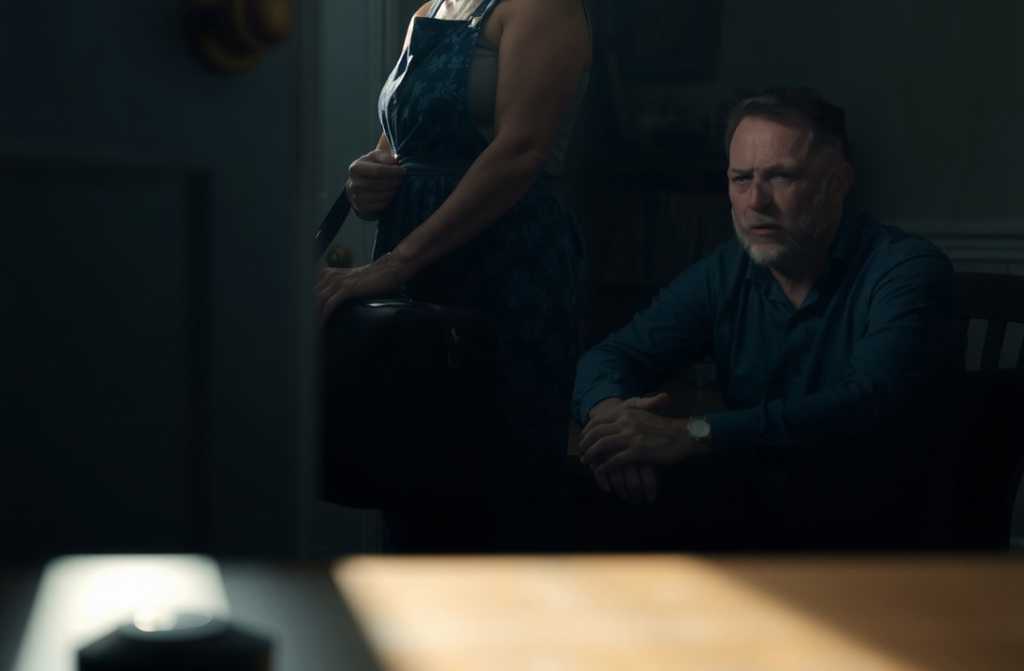
I never promised to make pies
Grace, are you even listening to me? Mrs. Hope Taylors voice pierced the silence of the phone, as if she were not in York, but standing right behind me. Are you going to help with the pies or what? Sandy told me you promised to make pies.
I didnt promise any pies.
How can you say that? Sandy heard it for certain. You made them at Christmas, everyone raved about them. Seventieth birthday, you know not a regular day.
Mrs. Taylor, Ive already made a pork pie, two kinds of salads, a roast duck, cheese scones and a poppyseed roulade. I cant manage pies on top.
All right, all right. At least therell be horseradish with the pork pie?
Yes, Ive got horseradish.
Good, because last time there wasnt any, and Vics still chewing my ear about it. And use a white tablecloth, not that plastic thing you always use. White tablecloth for a birthday its obvious.
All right.
And buy some proper candles. Lovely ones, not old stubs. Grace, are you listening?
Grace Anne Morris listened. She stood by the kitchen window on the fifth floor of their old council flat in Leeds, looking out at the courtyard below where the October wind chased leaves across the tarmac, and she listened. She was forty-eight. Her heart had ached since Easter.
***
Six days to go to the big day. Twenty-five guests. Hope Taylor had compiled her list back in August and sent it over on a sheet of checked notepaper, handwritten in the careful script of an old schoolteacher. Grace had stuck the list on the fridge and looked at it every morning as she brewed her tea.
Twenty-five people. That included Hopes husband, Uncle Vic, who was hard of hearing and laughed too loud. Hopes three sons from two marriages, and Graces husband, Simon naturally. The sons wives, the daughters-in-law (including Grace herself), a multitude of children and grandchildren, big and small. There was Hopes cousin from Bath with her husband. Her childhood friend, Rosemary, who only ate boiled food and couldnt stand onions. And the neighbour from the allotments, inexplicably invited as well.
Twenty-five people, and Grace was expected to organise it all.
She didnt recall when it became normal. Perhaps after the first family gathering at her mother-in-laws house, nearly twenty years back, when shed offered to help keen to impress as the young daughter-in-law. Or maybe after Hope had once said, at a crowded table, Our Grace is worth her weight in gold, she can do anything. It was said with such warmth that Grace glowed. And stayed. Stayed in the kitchen, by the table, by the fridge, holding the rag.
Twenty years had passed. Her hands were still deft. Her heart less so.
***
Her GP, Dr. Natalie Evans, had her consultation hours at the local surgery on Tuesdays and Thursdays. A small consulting room, two chairs, an exam bed covered with crinkling paper. She peered at Graces results over the rim of her thin-rimmed glasses.
Let me be straight, Grace she said. You cant keep pushing yourself like this. This is chronic stress, its clear. You need a break at a convalescent home. At least a fortnight, ideally three weeks. Rest, therapy, good air.
Maybe after Christmas.
Grace.
Theres the big birthday party next week. Twenty-five guests.
Dr. Evans took her glasses off and laid them on the desk.
Do you understand what Im telling you? This isnt just normal tiredness. Its more. If you keep ignoring it, the consequences could be serious.
I understand. I promise, after the party.
After the party, after Christmas, after whatever. I hear it every day. Please, put yourself first for once just two weeks.
Grace nodded and slipped the referral behind her wallet in her bag. At home, she put it in the desk drawer under old utility bills.
***
Monday she boiled the pork pie filling. Four pans, because twenty-five people eat a lot of pork pie. She hovered over the stove for three hours, stirring, skimming off froth. The kitchen steamed up. It was nearly dark outside.
Simon came back just after seven, kicked off his shoes, hung his coat.
Whats for dinner? he said, poking his head in.
Soup in the little pan by the side.
And what are you cooking?
Pork pie for the party.
He grunted, spooned up his soup, and took it to watch telly in the lounge. Didnt come back.
Around half-eleven, Grace turned off the stove, covered the pans and went to bed. Her legs ached. The left side of her chest throbbed as it always did when she stood too long. She lain down, rolled to her right, closed her eyes.
Simon came later, fell asleep straight away, snoring gently. Grace lay in the dark, counting out all the things she still had to do. Cheese scones. Roulade. Salads. Duck. Shopping. Cleaning. White tablecloth, candles, horseradish for the pie.
She finally drifted off around two.
***
Mrs. Taylor called Tuesday morning.
Grace dear, I was thinking, maybe a jar of pickled mushrooms as well? I have some, Ill bring them. And my own pickled gherkins.
All right, bring them.
Oh, and Lucys coming, you remember Lucy? Cousin Colins wife. She doesnt eat pork. Can you make something for her?
Therell be duck. Duck isnt pork.
But ducks fatty, love. Shes dieting.
Ill do her a chicken salad, no mayo.
Clever girl. I knew youd think of something.
Grace hung up, eyed the list on the fridge, and pencilled in: Lucy, chicken salad no mayo.
***
Midweek, she did her shopping. Lugged two heavy bags to the bus stop, her arm numb up to the shoulder. Unpacked at home, counted supplies, realised shed forgotten cream, went back out to the shop.
Thursday was cleaning day. Mopped floors, scrubbed the bathroom, wiped the skirting boards because once, after a previous party, Mrs. Taylor had commented quietly but clearly on the dust along the boards in front of everyone.
Simon took to the sofa after work with the football on.
Simon, give us a hand with the light fitting?
Love, Im knackered. Been on my feet all blinking day.
So have I.
Well, have a rest after then.
So Grace fetched the stepladder herself, climbed up, wiped the fitting, got down. Her heart thudded out of rhythm for some seconds. She gripped the stepladder and waited until it eased.
***
Friday. Cheese scones. Roulade. Two salads, including one with chicken for Lucy. She marinated the duck in the evening, roasted it in the morning. By lunchtime the kitchen was so warm and scented that the neighbour, Mrs. Valentine, could smell it through the wall. She knocked on the door and peeped in.
Grace, are you baking something?
I am.
What a lucky mother-in-law, having a daughter-in-law like you.
Grace smiled and closed the door.
Lucky mother-in-law. She repeated it inwardly, but without smiling now.
By evening, everything was ready. Pork pie chilled in the fridge, covered. Scones on their tray, under a tea towel. Duck cooled. Roulade sliced. Salads just needed dressing.
Grace sat on a kitchen stool, hands in her lap, back refusing to straighten.
The phone rang in the hall: Mrs. Taylor.
Grace, well set off at nine tomorrow, should be with you by eleven. Guests for twelve. Will you be ready to lay the table?
Ill manage.
Get the table out early, theres not much space in the lounge, need to sort something. Tell Simon to help with that.
All right.
Well, have a rest. Tomorrows your day.
Grace put the phone down and started on the washing up.
Simon was already fast asleep by then. Friday, as usual in bed by half ten. Tomorrow was Saturday. He had a lie in.
***
Saturday began at half four in the morning. Grace lay there, eyes wide, knowing she wouldnt sleep. She got up, pulled on her dressing gown, went to the kitchen. Boiled the kettle. As it rumbled, she stood at the window.
October sky, still dark. One streetlamp shone in the yard. Below, a lone bush glistened beneath it. Nothing else.
Grace took her tea to the table and settled onto the stool. She gazed at the apron hanging by the stove blue with little white flowers, bought three years ago at the market. The edges were frayed already.
She looked at the fridge. The checked list. The polished forks laid out on the towel.
Something happened. Not outside, but inside. Quiet, soundless, like when a thread snaps in fabric and the weave eases away. She felt it, physically, somewhere in her chest not where her heart ached, but above. Something let go.
Grace sat. No panic, no tears. Just clear thought.
How many years like this? Twenty years cooking for these people, cleaning after them, listening, adapting, keeping silent. Twenty years up first and to bed last at every gathering. Twenty years of hearing Grace, youre wonderful, Grace, youre a star, offered instead of thanks, instead of need a hand?, instead of how are you?
No one ever asked. Not even Simon. The doctor had told her point blank: she needed rest, it was serious. Shed told Simon. He said, Go see another doctor, they always dramatise everything.
She didnt go see another. She went back to make pork pie.
Tomorrow, twenty-five people would fill her flat, eating the food shed cooked over five days, sitting on her clean chairs, under the wiped light fitting, in scrubbed rooms. Then theyd leave it all behind the mountain of dishes. Grace would clear it, bag up the rubbish, go to bed past midnight.
Not one of them. Not one out of twenty-five. Would ask how she felt.
Grace finished her tea. Set her mug down. Stood. Walked to the stove. Lifted the apron off the hook. Held it.
She didnt hang it back. She set it down carefully on the table.
She went into the bedroom quietly, so as not to wake Simon. From the top of the wardrobe she pulled out a big blue bag. She packed: warm clothes, the novel shed started and dropped in spring, toiletries, her ID, her debit card (her wages from her modest job at a little accountancy firm went there).
Simon slept on. Face at peace, like a childs.
Grace watched him for three seconds. Not with anger, nor pity. Just watched. Then she hoisted her bag, pulled on her shoes and coat. In the kitchen she took a notepad and pen and wrote:
Pork pie in the big pan. Scones under towel. Duck in the oven, heat at 180. Roulade on the plate. Salads need dressing. Table by the window. Ive gone to the convalescent home on doctors orders. Phone will be off. Grace.
She pinned the note to the fridge beneath a magnet from their seaside trip to Scarborough in 2015.
Took her bag. Let herself out. Closed the door.
***
Birch Meadow Convalescent Home was seventy-five miles out of Leeds, in North Yorkshire. Grace had found it back in September when Dr. Evans first advised some rest. Shed checked prices, closed the tab. Now she was going. Bus, then a minibus, then a fifteen minute walk through pinewoods.
Reception was quiet and smelt of wood. The woman at the desk looked up.
Have you booked?
No. I just arrived. Is there a room?
Theres a single for a fortnight. Cardiac package, does that suit?
That will do.
Grace filled in forms and paid by card. The room was small, clean: white sheets, a window onto tall pines, bedside table and lamp. She dropped her bag, lay down fully clothed, and slept four hours.
Woke around two. Undressed, bathed, walked in the garden among pines. The air was raw, sharp with needles. The sky above was pale and unmoving.
In the dining hall, she ate hot soup. Nobody asked her anything. She could simply sit.
Bed at eight that evening. Slept till eight the next morning. Twelve hours.
***
On her third day, she met her tablemate at dinner. He arrived with a tray, scanned the hall (tables nearly all filled), and asked:
Is this seat free?
Go ahead.
He was about fifty-five, maybe a tad older. Stocky, with greying hair at the temples. His name was Andrew Nicholas Bell.
First time here? he asked.
Yes. You?
Second. Was here last year. Good place.
They ate in silence.
What brings you? he asked.
Heart trouble. And you?
Similar, really. Blood pressure, nerves, all the bits that come from living someone elses life too long.
Grace looked at him.
Thats well put.
Ive had time to consider it. Last year, I spent two weeks here, did a lot of thinking. Changed a few things.
Did it help?
Partly. Im working on the rest now.
They ate, parted. Next day, sat together again, no questions just happened.
***
Grace didnt turn her phone on for a week.
Seven days of sleeping ten, sometimes eleven, hours. Hot baths with salts prescribed by the on-site nurse. Therapy, gentle machines humming. Walks among the pines, an hour, sometimes two. She read the novel shed started in spring.
In the evenings, sometimes she and Andrew sat in the lounge on wooden chairs by the window. Tea from his flask, which he always brought.
Been here long? she asked once.
Five days. Came suddenly, same as you.
How do you know it was sudden?
Youve the look of someone who didnt plan it. I know the look had it myself my first time here.
Grace smiled faintly.
What happened, if you dont mind my asking?
No secret. Worked for a construction firm, head of the regional branch. Twenty-two years. Gave it everything. Hardly saw home. My son grew up; I barely know him. Wife left five years back rightly so. Then one morning I couldnt get up for work. Not couldnt be bothered actually physically couldnt. Lay there three days, doctor called it exhaustion. I resigned. Started wondering, now what?
And?
Still wondering, he smiled. Bought a little house out in the country. Keep rabbits, surprisingly decent job that.
Rabbits?
Trouble-free creatures. Wont guilt-trip you.
Grace laughed truly, for the first time in ages.
***
On the seventh evening, she switched on her phone. The first time since that Saturday morning. It lit up, notifications pouring in.
At first, she counted them. Stopped after a bit. Dozens of messages. From Simon. From Mrs. Taylor. From Sandy, her sister-in-law. Other relatives.
She read in silence, scrolling slowly.
Simon had texted seven times on day one. First: Grace, whats going on? Call me. Then: Grace, guests are here, how do I heat duck? Then: Mum wants to know where youve gone. Then: Grace, this isnt right, you cant just do this. Then: Where are my clean shirts? Then: Do you only think of yourself? Then: nothing for hours, and, next day: Call me.
Mrs. Taylor wrote three times: Grace, what was that about, explain yourself. Party was ruined, Simon is upset. I am in shock, never expected this from you.
Sandy wrote just once: You could have at least warned us properly.
Not one. Not a single message, not a word, asked: Grace, how are you, are you OK, are you alive?
She switched her phone off again for another week.
***
On Tuesday, she and Andrew walked the pines after breakfast. He went a little slower, his knee sometimes ached. Grace slowed herself, and it was strangely comforting to adjust to someones pace not out of duty, but simply because.
You did check your phone, then?
Yes. After a week.
And?
Lots of messages. Ruined parties, missing shirts. No one asked about my health.
He was silent. Then he said:
Sometimes, people live years side by side and never see each other. Only what the other does. Not who she is.
Its my own fault. I let it go on for twenty years.
No, not your fault. You did what you were taught. Taught its right, that a good wife a good daughter-in-law does all that.
Thats what I was taught, she nodded. And then, you find it wasnt really a life, just service. The only difference from a real job is they dont even pay you.
He looked at her sidelong.
So what will you do when you go back?
Im not sure yet. I do know I wont be clearing up after them. Nor cooking for twenty-five.
They reached a little meadow. Aspens stood bare, golden leaves scattered on wet grass. Sky, grey and calm, over them.
I like that youre saying this quietly, he said.
The dramas all gone. It was used up back at the stove. Now Im just tired.
Thats a different word. Tiredness can be cured. Drama is harder.
***
The last three days, Grace hardly spoke. Treatments, walks, finished her book. Ate, slept. The nurse said her readings had improved, blood pressure was normalising, heart rhythm steadier.
Thursday evening, last night. She and Andrew in the lounge. He was going home Friday, she on Saturday.
Will you give me your number? he asked.
I will.
Ill ring. Not right away Ill let you sort out things at home. But Ill call.
Thats fine.
Are you afraid?
Of what?
Of going back what youll find there.
Grace thought for a moment.
Id have been scared a week ago. Not now. Im just curious what will happen when I say what I want to say.
And what will you say?
That I wont do it anymore. If were to live together, it has to change. Im tired. I want to sleep from ten till seven. I want to go for walks at weekends, not stand in the kitchen. I want to be asked before twenty-five people get invited to my house.
Andrew listened. Said nothing, just listened.
Will you say it?
I will. Write it out, make a list so I dont forget anything.
***
She came home to the flat at lunchtime on Saturday. Unlocked the door. The place held that particular hush when it hasnt been cleaned for days; heavy, almost stale.
In the kitchen: dirty dishes heaped in the sink not since the last Saturday, surely, probably just Simon leaving things. On the table, a newspaper and a glass. The floor needed sweeping.
Grace dropped her bag. Walked the flat. Crumpled sheets in the bedroom. Dirty towel on the bathroom floor. Blanket and TV remote in the lounge.
She found Simon in the kitchen, nursing a mug of tea, scrolling his phone. He looked up.
Youre back then.
Im back.
Do you realise what youve done?
I do.
Mums still upset. Party was ruined. I didnt know where anything was.
I wrote it down.
A note, Grace. You just left a note.
I went to the doctor, Simon. You remember my heart?
He was silent.
You did mention it. Still, thats not how you do things.
How do you mean?
Dont abandon your family at a party.
Simon, Grace said, quietly, steadily I wont be cleaning today. Im going to unpack and have a bath. Then, we need to talk.
He looked at her as if shed spoken in a foreign language.
***
She wrote her list two days before this talk: calmly, no bitterness, at the kitchen table, lined paper. Later, she typed it up, neatly.
Equal split of housework. Detailed rota. No gatherings of more than twelve people without her say-so. Separate finances no more putting all her earnings in the joint pot without discussion. Once a year, at least, real holiday for her, not one day.
She set it before Simon.
He read it, slowly. Set it down.
Is this an ultimatum?
These are conditions. I want us both to be happy. But things have to change.
Youve always lived this way. No one forced you.
Do you really think no one did?
You took it all on yourself. No one asked you.
Simon, I was asked every time. Your mother asked. Your brothers expected. Your silence silence is expectation too. I stopped saying no. That became the norm. Now, I want to change the norm.
I cant live by lists.
Then I dont know how well live together.
He got up, paced the kitchen.
Youre blackmailing me.
Im telling you the truth. Im tired. My heart hurts, from all this stress. The doctor told me in September. I went back to make pork pie. I wont do it for people who dont care if Im here or not.
Mum cares.
She sent three messages. Not one asked about me. Only complained about the ruined party. Not a word about how I felt my near heart attack.
Simon fell silent.
***
They talked several more times. Long, awkward talks. Simon got angry, sulked, got angry again. Once, Mrs. Taylor came by, had tea, looked at Grace as if she were a stranger.
Youve changed, she said at last.
Im just tired, Mrs. Taylor.
Everybody gets tired. Thats life.
Not like this. Some people get more tired, because they carry more. Ive carried too much, too long. Thats not just life.
Her mother-in-law was quiet. Drank her tea.
Are you cross with me?
Not cross. Just not willing to have it stay the same.
Its not easy for Simon, changing.
I know. It wasnt easy for me either. But I changed.
Mrs. Taylor left. Grace didnt know what her thoughts were. Most likely, unhappy ones or too complicated to put into words.
***
They separated in February. No rows, just went together, signed the paper, parted ways. Simon kept the flat it was his before they married. Grace got a settlement, modest but fair.
She rented a one-bedroom flat on a street nearby: second floor, windows over the courtyard. A ginger cat from the stairwell waited at her door sometimes. She started to feed him. Soon, he moved in.
In spring she found a new job, still accounts, but for a larger firm, proper working hours. Pay went up. She stopped saving just in case and started spending a little for herself. Bought the coat shed wanted for years. Bought a decent coffee machine, at last.
Every three months she saw Dr. Evans at the surgery. Dr. Evans checked her readings, took off her glasses.
Much improved, Grace. What have you done?
Changed a few things.
Keep at it.
Andrew rang in December like hed said, giving her time. They talked for ages, about how it all went. He listened properly patient and still. He said, Youve done well, simply and quietly, and it sounded wholly different to the old Grace, youre wonderful.
They met, sometimes. Hed come in from his place, theyd sit in little cafés, go to the cinema, once to a museum Grace hadnt visited in fifteen years. No rush, no expectation, none of that constant feeling she had to earn approval.
Once, he invited her out to see the rabbits.
Thats a serious invite, she joked.
The most serious rabbits arent for just anyone.
She laughed.
***
A year passed. October again. Wind whistled through leaves in another courtyard, beneath another window.
Grace Anne Morris sat at her small kitchen table. Sipped coffee from her new machine. A book beside her. Cat sprawled across her lap, chin on her knee.
Phone rang. She glanced at it: Simon.
She didnt pick up. Then thought, and answered.
Hello.
Hi Grace. How are you?
Im well. Whats up?
Oh, nothing really. Just Mums doing another birthday do. And Sandy said you do pork pie better than anyone, she asked me to
Grace looked out the window. Yard, trees, the same yet different.
Simon, no.
Grace, its Mum.
Simon, no. Its not that Im angry, or offended. Just, no.
He was quiet. For a long moment.
Are you happy? he asked, quietly, not hostilely, just soft.
Grace thought. For just a second.
Yes, Simon. For the first time in a very long while.
Is it because of someone else?
Its because of me.
Pause.
All right, he said at last. Got it.
Goodbye.
Goodbye.
She set down the phone. The cat raised his head, looked at her, then settled again.
There was a knock at the door. Andrew had promised to come for lunch. She went to let him in.
How are you? he asked from the doorstep always the first thing he said, every time.
Im good, she replied. Come on in, coffees still hot.
He stepped inside, closed the door. The cat came over to sniff him.
Outside, it was autumn. The same and completely different.





