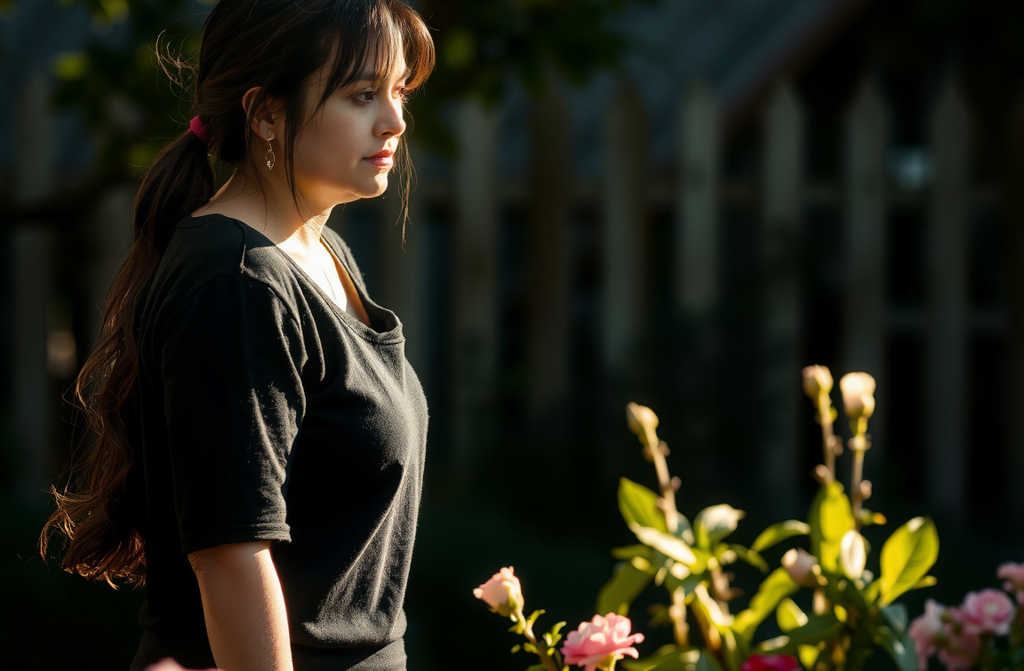
The Scent of Another Woman
Are you sniffing his jacket again?
Susan stood in the bedroom doorway, arms folded across her chest, speaking in a tone reserved for people caught in peculiar acts.
Im not sniffing, Im tidying said Edith, not looking over.
Edith. Youre holding his jacket about two inches from your nose. Youve been just like that for three minutes.
How do you know how long?
I popped in, saw you, went down to the kitchen, made myself a cup of tea, came back, and youre still standing there.
Edith carefully hung the jacket on a hanger, returning it to the wardrobe with the weight and ceremony one might give a fragile heirloom.
It smells of someone else she said.
Edith…
Im not making it up. Theres a scent. Perfume.
Susan came in, wrapping her hands around her mug, blowing on the steam.
He went to that conference, didnt he. Thats what you get: people hugging, greeting, jostling in the lift.
Its not a lift smell.
What does a lift smell like, then?
Susan, Ive been married too long.
Exactly. Twenty-seven years, Edith. Perhaps by now you might trust the man.
Edith said nothing. She closed the wardrobe gently and looked into the dressing table mirror. Fifty-four, her fair hair littered with silver, which she no longer bothered to dye. Her back was straight, her face tired but not broken. She couldn’t have explained whyon this particular morningsomething inside her quietly slotted into place with a faint, certain click.
The scent was there. She could feel it as if it rested on the tip of her tongue.
It wasnt hers. Her perfume was always the same, Twilight Blooms from a tiny French label shed discovered, years ago, in an airport by chance: vanilla, soft musk, a whiff of wood at the finish. Gentle and familiar, almost homely. What shed caught on Martins jacket was something else. Louder. Younger. Flowers at the outset, underneath something keen, insistent, nearly demanding.
She might have ignored it but for one thing: Martin returned from the conference Thursday evening. Friday morning, shed put his jacket away. On Sunday, when she took it out to send it for dry cleaning, the scent lingered. Three whole days. In a closed wardrobe. Next to her things.
A scent only lasts so long if its thickly sprayed. Or else, it comes from close contact with skin.
Stop winding yourself up Susan called, wandering out. Really. Youre a clever woman.
Clever women notice things.
Clever women dont wreck twenty-seven years over a jacket in a wardrobe.
Edith took the jacket again, wrapped it in the dry-cleaning bag. Then she thought, and put it back, unfastened.
Let it rest a while.
Martin Johnstone was considered rather successful by local standards. He ran the building firm he’d started twenty years ago, drove a sturdy black car, knew who to shake hands with, and could hold a room with his public speaking. Edith had always been beside him. Not in the shade, she hated that phrasingjust not leading the procession either. She kept the house, raised their son, juggled whatever Martin couldnt be bothered to notice: doctors, school forms, retiling the kitchen, visits to his mother in Dorset, birthday gifts for his business partners. All those invisible chores that nobody sees, and nobody thanks you for.
Their son, Oliver, had lived up in Manchester for the past three years, working in IT, phoning home on Sundays. Life had settled into something quieter. Edith took up watercoloursonly for a while. Enrolled in Spanish lessonsmade it to three. Kept a small patch of kitchen garden at the cottage; that was the one thing that stuck. The routines there soothed her. There were proper steps to follow, and clear results to expect.
With Martin, the last couple of years had changed. He travelled more, came home later. Put his phone face-down on the table. Laughed into it in a way he hadnt, not since Oliver was small. None of this escaped Edith entirely, the way you catch the edge of a lumpy chair yet learn, in time, to ignore the bruises.
But the scent. That was different.
She noticed it twice a week after that. Wednesdays and Fridays. Martin left the office later, phoned around eight, low-voiced: Ill be latedont wait. She didnt. She ate dinner alone, washed up, read or watched the telly. He appeared near ten, sometimes past. Kissed her temple. Smelled of cold air, sometimes coffee, sometimes something vague and outside.
But the next time she picked up the scentflower-bright, sharp, insistentit came on a Wednesday. Martin was in the kitchen reheating his meal. She feigned fussing with her scarf as she passed the coat-stand, lifted his jacket gently by the lapel, pressed the lining to her cheek.
Yes. Again.
She felt suddenly cold. Not dreadsomething icier still, the chill clarity you feel when you’ve wandered off-path and dusk is falling.
How was your day? she called towards the kitchen.
Fine. Meetings dragged on he answered, plates rattling, the whirr of the microwave.
Who was the meeting with?
A slight pause. Almost nothing, maybe a second.
Giles. Regarding that site on Northfield Road.
Edith hung the jacket back. Walked in, poured herself a glass of water.
Giles had time today? she asked, staring out the window.
Yes. Why?
Just you always said hes in London this month.
Another pause. Marginally longer.
Hes back now. Hes got business here.
Martin had his back to her, stirring something in the pot. He stood well, broad-shouldered, a hint of white mingling at his temples. Fifty-eight, though he looked younger. Hed always looked after himself.
Want a cup of tea? he offered.
No, thank you.
She left. Went to bed. Lay there a long time, awake.
What she couldnt quite decide was what she felt. Not angerat least, not right away. Not injured. Something more awkward. Like when youve been walking for hours and realise with a jolt that youre hopelessly off-course and the skys turning lightless.
Susan rang Friday afternoon.
Well, how are things?
Fine.
Edith, you never say fine when you mean fine.
Susan, answer me this. If a scent stays on clothes for three days locked in a cupboard, what does that mean?
Pause.
Means its a good perfume Susan replied, cautious.
Or the person was very close.
Or just stood nearby.
Three days, Susan.
Edith, come on. Youre building Buckingham Palace from a single brick. A smell isnt proof. A smell is a smell.
I know.
Just talk to him. Ask outright.
And what, exactly, would he say?
I dont know. Maybe hell tell the truth.
Susan. If hes cheating, he wont. And if hes not, Ill look mad.
You look mad already. Sorry. But you do.
Edith laughed, sharp and brief, but real.
Im all right, honestly she said.
Youre not, but youll be all right. You always are.
Edith went out to the garden. End of September now, chilly but the earth still holding warmth. She weeded the last of the marigolds, stubbornly in flower. Her hands moved automatically, her mind finally quieting.
She tried to be honest with herself. Maybe she was imagining things. Maybe some random conference, a stray taxi, a woman beside him in a lift. Maybe she was winding herself up, making something of nothing. Twenty-seven years. In that time, you can train yourself to see dangers where there are none.
But she checked again on Wednesday. Still there. Exactly the same.
This time she did something shed later think of with a strange bitterness: took her own perfume, and dabbed it into the lining of Martins jacketright where that other scent lingered. Then hung it back up.
The next Wednesday, when Martin returned, she went to the coat-stand, picked up the jacket. The Twilight Blooms was still thereher own, soft, vanilla, home. But over it, stubborn and bright, was the other. Flowered, sharp.
Edith put the jacket away.
Very well. Not paranoia.
She began to think differently. Not is he unfaithful but what shall I do? Another question entirely. Should she see a counsellor? She booked an appointment, sat through it, spoke vaguely, left. The counsellor was young, thirty-five maybe, said all the right words, but Edith felt she didnt understand. Not incompetencejust not old enough to know what twenty-seven years together, suddenly scented like a stranger, could mean.
Divorce? The word felt hefty, like some slow, cumbersome thing you have to drag across the room. What about the house, the cottage, their entangled lives? What would Oliver say? Martins mother in DorsetEdith visited every month, lifting her shopping, checking her heating.
She thought about how much of herself shed poured into Martin, and realised such thoughts could fill up every corner of a person until there was no room left for air.
Edith, remember when you said youd leave the minute you found out about an affair? Susan said once, sitting in her kitchen. Susan lived alonedivorced ten years, all the more alive for it, as if something tightly packed in her had at last unfurled.
I remember.
And now?
Now I understand that saying and doing arent the same.
What do you feel?
Edith thought.
Do you know that feeling when your tooths ached for months, and you grow used to it, then, suddenly, it stops? At first you cant quite process whats gone.
Bit of a weird analogy, Edith.
I know. But its true. I feel something, but I cant put a name to it. Its not pain. More…discomfort. Like something out of place that keeps catching your foot.
Do you love him?
She paused a long time, not for the difficulty, but wanting to be honest.
Im used to him. Thats not the same. But its still something.
Something Susan echoed.
Something big. Something thats been my whole life for twenty-seven years.
Susan refreshed the tea. Outside, a small October rain. The house full of cinnamon, a stick in the pot.
Are you going to wait for him to tell you?
No. Ill wait till Im sure myself.
Sure of what?
Enough to be sure, just for me, not for a court, not for anyone. So I wont doubt myself after.
Susan watched her for some time.
You already are sure, she whispered.
Yes. But I want to see her.
Why?
Edith didnt answer straight away. She watched the rain against the window, the sodden leaves on the sill.
I dont know. I just want to.
In early November, Martin announced his firms anniversary dinner. Ten years, a quiet do at The Polar, function room out by the bypass. Partners, clients, a local councillor or two. He said, brisk, that Edith shouldnt cometoo businessy, shed be bored, not know anyone. He barely glanced up from his phone.
Im going, said Edith.
Martin looked up.
Edith, youll be bored. All talk about building works…
Its your anniversary. Ive been by your side every year. Im going.
Tiny pause. He set his phone down.
All right, he said.
On Friday, she dressed with care. Navy blue dress that flattered, silver earrings Oliver had given her last birthday. Her familiar perfume. She looked in the glass: not young, nobut well, in the deeper sense.
Martin was ready first, standing in the hallway scrolling. He looked up.
You look lovely, he said numbly.
I know, she replied, picking up her bag.
At the restaurant: bustle, laughter, wine. Soft music. Edith lingered next to Martin, greeting, smiling, all the little ins and outs shed practised for twenty-seven years.
Around an hour in, near the cold platters, she caught it: the scent again, floral and sharp, young, insistent.
She didnt move, simply turned her headslowly, casually, as if surveying the room.
A woman stood five metres off. Thirty-five, perhaps. Dark hair pinned back, deep red dress, a cultivated air about her figure. She spoke with a man, laughed, glass cradled in both hands. Striking, really. Edith gazed without malice, just as you do at fresh strangeness in a city youll never see again.
The woman turned. Silence, just two strangers eyes meeting in the crowd. Something shifted in her facesmall, but it changed. She turned away.
Edith took a cube of cheese and ate it, steadily.
Whos that? she asked Martin, nodding in the womans direction.
Who? He glanced over, slow by half a beat. Ah. Thats Rachel, project department.
Shes been with you long?
About a year. Very competent.
I see.
Edith rested a hand on his arm, smiled as if the world had realigned. Martin looked at her, surprised, then smiled too. They stayed another hour, Edith talking, laughing, entirely herself. Nobody would have known anything was amiss.
They drove home in silence. Martin put on the radio, low. Edith watched the wet city glide past, black and dreaming. She thought of phoning Oliver tomorrow. Digging up the last marigolds. She felt peculiarly calm, a thick, nurturing calm, like good soil.
At home, she removed her shoes, set the kettle on. Martin changed into jeans and a tee, fetched water from the fridge.
Tired? he asked.
A bit.
Shouldnt have gone. Boring, like I said.
No. Im glad I did.
He looked upa note in her voice didnt fit.
Edith, is something wrong?
She poured tea. Set her cup down. Sat.
Martin, sit down.
Whats with the tone?
Just sit, please.
He sat, wary, not understanding.
Youre having an affair, she said. Not a question.
Silence, rich and thick, containing multitudes.
Edith…
Dont start with Edith. Dont tell me Im being silly. Dont tell me you had a work meeting. Just the truth.
He looked at the countertop, then his hands, then her.
How do you know?
Not really a question, more a statement.
Her perfume. All these weeks. I recognised it on you tonight.
Martin sighed, hand covering his face.
Edith. Its…
How long?
What?
How long?
Long pause.
Six months he admitted, voice nearly gone.
Edith nodded. Sipped her tea. It was hot, scalding almost.
Do you love her? she asked, clear and flat.
Pause.
I dont know.
I see.
Edith, please. Its not… it doesnt mean I want to ruin everything. Its different. It isnt about us.
Its exactly about us.
I never meant to hurt you.
I know. You never mean to. You just do.
He stood, paced the kitchen.
Let’s not decide everything tonight. Not when were upset.
Im not upset. Im very calm.
We should talk properly. Tomorrow. Give it time.
What exactly should I think about?
He stopped. Looked at her.
You want to leave.
Yes.
Edith, his voice sharpened think about what youre saying. The house, the cottage, all ours together. You havent worked in years, just the garden and your courses. Where are you going?
Is that a threat?
Thats reality.
I hear reality. Im still going.
Are you mad? Over six months?
Over twenty-seven years.
He was quiet. The kitchen fell silent. Outside, a car passed.
Edith, listen. Im sorry. I know. But to break a marriage for this… People work through it.
I know people do. Im choosing not to.
Youre not thinking about Oliver.
Oliver is thirty. He can cope.
So just for you, then.
Yes. For once, truly for me.
Martin sat again, staring long, almost as if seeing something new in her hed never noticed.
Were you happy? he asked suddenly, oddly out of place.
Sometimes.
I wasnt a bad husband.
No. You were normal. It wasnt enough.
She stood, tipped her tea in the sink, put the cup down.
Im staying at Susans tonight. Tomorrow, we can talk practical things. Calmly, the way you like.
Edith. Dont walk out now. Its stupid.
Maybe.
Where will you go at this hour?
Susans expecting me.
You called her already?
Yes.
So youd already decided.
I decided tonight, at the restaurant, when I caught her perfume.
He stared. There was something bewildered in his face, something shed maybe never noticed before.
Edith. Are you sure?
Yes.
She picked up her bag, jacket, keys. Paused in the doorway.
Do you know what amazes me most? she said. Not that you cheated. Not the lies. But that you thought I wouldnt notice. Twenty-seven years, Martin. You truly thought I wouldnt sense it?
He didnt answer.
She walked out.
It was cold but dry. A clear sky dotted with sparse stars. Edith walked to the car and realised she wasnt afraid. Strange and important. Not afraid. Unfamiliar, perhaps. Unsure what comes next. But not afraid.
Susans light was on. She opened the door before Edith rang, clearly watching out.
Youre in, then, said Susan.
Im in.
Tea?
Yes. And something to eat, please. I barely touched a thing at the dinner.
Theres stew. And bread.
Perfect.
They sat at the kitchen table. Edith ate; Susan kept quiet. No pointed questions. Just there. Just right.
He admitted it? Susan asked eventually.
Yes. Six months. Rachel in his office.
Susan nodded, thought a while.
How are you?
Eating stew. Very good stew.
Edith.
Susan. I really am okay. Not happy. Justknowing what Im doing.
Susan nodded.
Stay as long as you need.
Thanks.
Spare linens where it always is.
I know.
Edith finished, washed up. They sat for a bit longer, in companionable silence. Night pressed at the windows, November, soft, damp, and smelling faintly of earth and wood.
In the morning, Edith woke early, lying on Susans sofa, silent. She didnt think about the house, though she supposed she should. She thought instead about how long itd been since shed woken without her first thought being about Martinwhat hed wear, if hed eaten, if he remembered his appointments. Now her first thought was about clearing the marigolds from the beds before a real frost.
It was strange. A good kind of strange.
She got up, washed, found coffee, and stood by the window. Dawn, flat and grey above a plain town.
She texted Oliver: Ring me when you canwe need a talk. Then, after a pause, Dont worry. Everythings fine. Just want a chat.
She set the phone down. Poured coffee.
Some weeks later she met Susan at the supermarket.
Noit wasnt weeks; Susan lived nearby, they saw each other frequently. But this particular morning in the shop felt notable. Edith was looking at tea on the shelf and noticed a tiny bottle of unfamiliar perfume, which someone had left between the chamomile and the mint. It had no box, was almost empty, in a dark green glass.
She picked it up, unscrewed the lid. Inhaled.
Not the same. Completely differentfresh, green, a little resinous. Almost wild woodland.
She liked it.
Whats that? Susan asked, peering round.
No idea. Someone left it behind.
Smells lovely.
Yes. It does.
Edith put the bottle back, took her tea, walked to the till. Outside, cold air hung with the scent of a snow yet to fall, just on the edge of arriving.
A month later, Martin phoned. Edith was at the cottage, cradling her cup, watching snow blanket the veg patch.
Edith. How are you?
Fine. You?
Im alright. Edith… shes gone. Rachel. Shes left the firm. Moved away.
Edith watched the even white of the snow.
Do you hear me? he said.
I hear.
That doesnt change anything, does it?
Long silence. The snow at the window went nowhere in a hurry.
No, she said.
Didnt think so. Just wanted to tell you.
Why?
Pause.
I dont know. Just thought youd want to know.
I do. Thank you for calling.
Edith.
Yes.
Do you regret it?
She thought, carefully and without rush.
Regret what, exactly?
All of it.
No, she said, then added, or not yet. I dont know how things will turn out.
Honest, as ever.
I try.
They fell silent again. Then he said goodbye and so did she, ending the call. She left the phone on the sill. Snow outside, scent of timber and dried herbs left hanging since autumn.
A scent that was hers. Quiet. No trace of strangers.
She lifted her cup, took a sip.