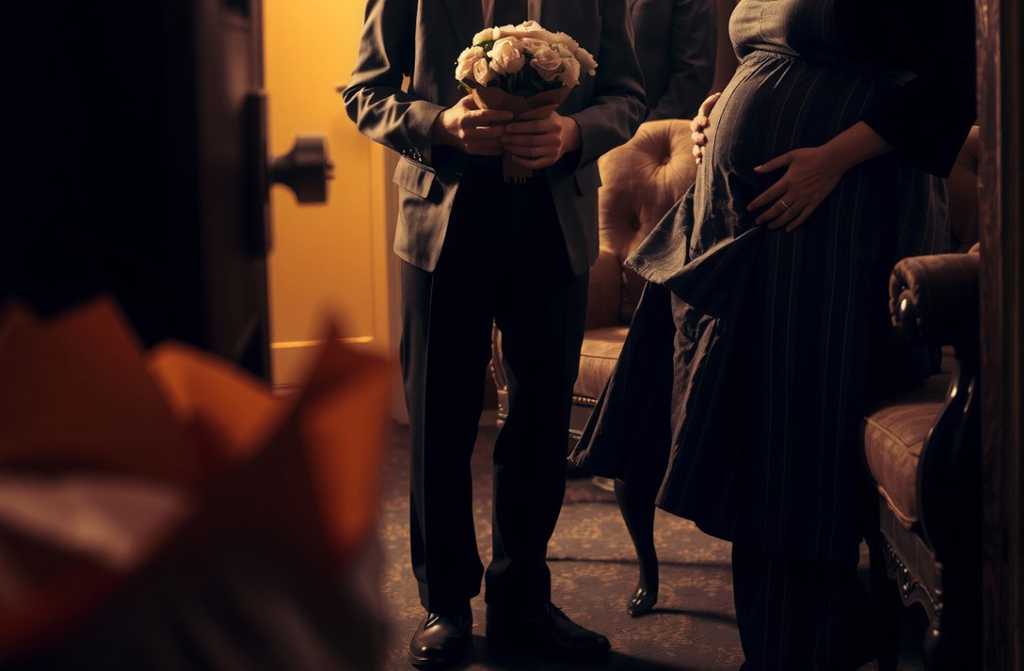
George Stephens lingered outside the terrace house, shifting his weight anxiously and sitting then standing from the hard wooden bench, steeling himself to go inside. Heat pricked his neck, the collar of his shirt chafed, and sweat gathered unpleasantly beneath his old suit jacket. His shoes pinched until he thought hed shout, but he endured. Yesterday was all careful preparation: an hour at the barbers for a fresh cut, two painstaking hours in the public baths, then an evening in his cramped and sparsely furnished bedsit, pressing his worn trousers so vigorously that the steam hissed. He managed to scald his fingers more than once, so intent was he on perfection. When the trousers finally lay smooth, he discovered a holeluckily, only at the seam. The ancient thread snapped apart, and he had to stitch it up himself. The needle and thread fought him at every turn, especially under the feeble lightbulb, and George let slip some choice words before berating himself. He must break the habita gentleman doesn’t swear in the company of ladies!
That morning his neighbour in the house, Mrs. Turnera battleaxe by any measurewrinkled her nose and declared, You smell of dog, George!
Oh come nowdog? I was at the baths last night! Proper scrub, everything protested George.
It lingers, it does! Dont argue, Mrs. Turner replied, sharp as a pin. You probably sat in the dogs spot. Well, let me help. Ive some cologne strong as anythingwould knock over a horse! Masks anything it does. One moment.
She rolled her cigarette expertly, then bustled away, returning with a large, ribbed brown bottle bearing a gaudy tassel, reminiscent of foreign souvenirs.
Here, stand still. Thisll fix you right up. And dont dodgeIve got good aim! she commanded, but as she came at him, George twisted aside and shielded himself with a saucepan.
Please! Youll ruin everything! Thats enough! he protested, hands up. And besides, Im not bald!
Nonsense. Who wants a doggy smell? Everyone likes a pleasant scent. Hold still! she commanded.
He gave inarguing with Mrs. Turner was fruitless, and a bit undignified.
His scalp quickly became damp with the long-faded cologne, the heavy scent hanging in the kitchen air.
Hmm gone a bit off. But itll do, I suppose. Want another dash? she threatened, but George fled to scrub his head in the bathroom. No amount of soapbe it strawberry or plain carboliccould quite rid the smell.
Now what? What now Try strawberry, yes, strawberry Or, no, the strong soap. Thatll work! his muttering echoed down the hall alongside the waters rush, while Mrs. Turner, now relaxing at the communal kitchen table as her fish fried in the pan, grew sleepy in the warm fug. She stroked the back of Georges jacket, left carelessly on the chair beside her, and savoured the simple comfort. Let there be a mans jacket, even if it did reek a bit, and let there be Georgeawkward, shabby, but it was good. Good enough.
The cologne wouldnt wash out and now his jacket was tinged with fried fish, his trousers creased again, but George was already hurrying up Westbourne Avenue, elbowing past strangers, apologising, darting across the street to dodge a passing water cart. All the while, his heart quivered with anticipation. Tonighteverything would finally happen. Tonight! So many times hed spun the scene out in his mind, imagined the lines, worried his brow when the imagined exchange grew muddled.
He knew exactly what hed say, how hed stand, when to
Flowers! Hed forgotten flowers. Peoniesmust be just peony buds, closed ones, so all the mystery could unfold at home. Where was a florist?
He looked around: corner shop, the tea merchant, shoe repairerbut where was
Excuse me, could you tell me where to buy flowers? he began to ask a passerby, but the man ignored sweaty, breathless George entirely. Sorry, do youexcuse me
It felt as if he was invisible.
You flutter about, George, all aflutter, never settling on anything, Mrs. Turner would say about her hapless neighbouralways with a certain air of benevolent superiority. Then shed set a steaming bowl of stew in front of him, and if Georges greedy hand hovered with the spoon, shed swat it away, dolloping sour cream into the rich beet broth, melt pools of fat swirling on the surface. And therethenhapless George would praise the food, thank her, nod, shake his head in wonder. He learned early: one ought always to praise a womans cooking, regardless. To praise and, if one dared, ask for seconds. He never did with Mrs. Turnerhe wasnt a beggar, after all. Hed fry himself an egg and sausage later. Yet her stew was marvellous
Where were the flowers? Ahacross the road!
He waited for a break in the motorcars, dashed over, ducked into the florists.
What can I get you? Peonies? Of course, these hereand those, if you prefer! the girl behind the counter chimed.
Any in bud? All tightly closed, you know, so the magic happens later at home George mumbled, unable to meet her gaze. He never had overcome his shyness around womenjust as he hadnt, years ago, when hed trailed after his mother to her friends flats on Saturday afternoons.
His mother was a solitary, frustrated woman, disappointed in men, and every weekend shed grumble about her lot to friends just like herarguing, crying, giggling over mean jokes about the men whod wronged them. George, little and awkward, sat in a corner, waiting for the visit to end. He wasnt allowed to remain home alone”Youre hapless, boy, youll spill boiling water on yourself!”but he also darent disturb anything in her friends flat: one wrong move and all hell would break loose.
So there hed sit, picking at the wallpaper, while the women peered at him like he was some curious object. Does that dress suit me, Georgie? Were there many pretty girls when you went to the theatre trip? What do you think of that film star, eh? Is Aunt Susan prettier than Aunt Margaret? theyd ask, and George never knew what to say. Hed mutter something, and his mother would scold him for never getting the answer right, for forgetting what shed drilled into him about film stars and frocks. But George had his own beautiful secretLucy.
Lucy lived with her parents in a grand house on Westbourne Avenue, with a real balcony and ferns, armchairs and a polished sideboard for special occasion glasses, even a spotless lavatory that smelled of lavender. Her fathers study was something elsea walnut bookcase stuffed with gilded volumes and embossed keepsakes. How George longed to touch them, those precious booksbut he knew he didnt deserve to. He didnt even dare look for long.
Georges mother thought reading was a waste of time, a frivolous luxury. Hed spent hours at the library, memorising lines, then returned home only to forget them all as she began to lambaste men againdragging his fathers name through the mud, cursing the lot of them, declaring all males feckless, a curse never to be forgiven. Sensitive George would worry that he, too, would be cast out one day, and so books receded into the background.
And then, Lucyher flat gleamed with ceramics and watercolours, and George would catch his breath every time she flitted out of her shoes, her laughter filling the stairwell.
Lucy was the prettiest girl at school, new to his class and aware of it. George was allowed to escort her home, carry her satchel.
My fathers assistant Mr. Collins always goes everywhere with him, carries his papers and umbrella, opens the car door, explained Lucy. Youll escort me. You do like me, dont you?
George would nod.
Mr. Collins was paid to do his job; George was just tolerated, sometimes allowed to loiter in the hallway while Lucy changed for tea.
The housekeeper, Mrs. Yates, never let George near the tableNot your place, ladbut would slip a paper bag with some sweets or a bit of fruit into his hands on his way out.
Well then, George, you can go now, Lucy would say graciously, stepping out in her neat dress. Thank you for your company.
George was elated. To be needed, to be thanked, to receive a real smile, not the withering scorn of his mother or her friendswhat more could a boy want? Hed leave quietly, never asking for books despite the craving; that would risk being barred altogether
They finished school together. On the day of their final exams, George even dared help Lucy with an answerbold! He had a foolish hope that at the leaving dance hed finally confess how he felt. Reckless, yes! But he went and broke his piggy bank, bought Lucy’s beloved peonies, hid them in the cloakroomonly to discover, when the time came, someone had squashed them flat. She, meanwhile, laughed and danced with some sailor in dress blues, paying him not a glance.
He slipped home alone, didnt sing with the others at dawn. What was the point? His mother was righthe was useless, a disappointment like all men.
Later, from Mrs. Yates, he learned Lucy had married the sailormoved to Manchester, studying engineering.
What will you do now, love? Mrs. Yates asked him.
I dont know. Doesnt matter. Goodbye! he called, and walked away.
But nohe made something of himself, in the end. He attended Queen Marys for civil engineering, finished well, found work both steady and respectable. He left his mothers house for a room inherited from his father. Never married, never properly courted anyone, his self-doubt always winning out. He waited. For what? For Lucy.
And the years rolled by. Twenty-five, at least.
George! Georgie! Dont you recognise me? called Mrs. Yates, much greyer now but still bustling on the street with her shopping bag.
You, Mrs. Yates? Good evening! He nodded absently, then recognised hersmiled.
Lucys come back! Fleshier, but its her all the same. Divorced that sailor of hers, lives with us again. You should visit, George. Shes so sad, its a pity! Maybe you could gladden her a little Mrs. Yates spoke gently, her gaze hopeful and soft. Will you come by, George?
Who was he supposed to be, still Georgie, a waif, a nobody, a poor tenant as his mother feared?
But what if its fate, Georgie? Im asking youplease, come She asked about you, too.
Asked for him? Remembered? Could it really be fate?
All right. Ill come, George nodded, suddenly resolute. And…thank you! he added.
Mrs. Yates grinned. To her, they were still just those shy, flushed teenagers knocking elbows in the hallway, regardless how many years had run by. It seemed to her that other peoples youth bloomed much longer, more lingering, than her own life ever had.
George wandered the city in a daze all that evening after hearing Lucy was back.
What could he offer her? What could he say? What did he have, that she didnt? Nothing.
Well then. Let it be what it is!
Thus, to the barber, and baths, the patched suit, Mrs. Turners cologne, the peonies in brown paper, and the steady upward gaze at Lucys window
After a few deep breaths in the yard, George adjusted his collar, pushed open the glazed front door, and walked in.
Memories flooded him. Thereon the stairs, Lucy once tripped and scraped her knee, white through her torn tights, and hed blown gently to soothe it and here, on the landing, they ate cherries one stormy afternoonhed brought a whole bag to share, theyd dashed up in the rain, and later, stood still and breathless, George had offered her a single dark cherry from his palmshe took it with her lips, teasing, sampling his love for taste, turning pink before slipping away
By the great plant pot, Lucy once hid her school report to save her fathers wrath. Next morning, the poor mark had vanishedGeorge, careful as could be, had amended it so skillfully not a soul was the wiser
He pulled himself up straight, knocked at the door.
Mrs. Yates opened, her face wreathed in smiles. Well! What wind brings you, George? Not a boy anymore, but a grown man! Lucy! Lucy, youll never guess!
From within, a young woman turned, called out over her shoulder.
A door creaked, and out walked Lucy. He barely recognised herfuller now, yes, age and life showing, yet still herself. Just as her mother, at that age, had rounded out, arms soft, cheeks rosy.
Whos that? Who she asked, then her brows soared as recognition dawned. George? Is it you?
He stammered, then, flustered, handed over the peonies.
Ohthank you You remember? You remember what I love. You never forgot, did you? she asked, breathless.
Lucy’s mother, Mrs. Winters, popped her head from the sitting room, arms wide. In old days she had barely acknowledged him; today, all was differentenough years and heartache had passed, and George now belonged, a rightful piece of their story.
Yes… see, George, Lucys chap did leave her for another. Cruel, wasnt it? And, would you believenot even demoted, not so much as a word said to him at work, and he kept his flat! Lucy came back to grieve. You can see how shes pined away. Now do eat, George, have some jellied beefgood for the digestion, and Mrs. Yates makes it with turkey these days, much better for Lucys health
Oh, Mother. Thats enough. Dont be daft! Lucy cut in. George, tell ushow are you? Hows your mum?
Shed never asked after his mother, never known themselves how and where George lived, even her namenow suddenly, she wanted to know.
George shrugged.
Mums not bad, ill much of the time, but tries to keep going. I Im in building, an architect. Loads of work. Live on my own, got Fathers old room. Dont really need more.
Mrs. Winters pursed her lips, then smoothed her expression and smiled again.
Architecture, how marvellous. The city blooms with new buildings! It seems only yesterday you two were here, our darling doves… and to think, I always knew, George, youd amount to a fine man. Mrs. Yates, bring out the roast, dont dawdle! George, pour the wine. Heres the duckMrs. Yates got it special. Lucy, give George a good slice. Theres salad and cucumber too! Eat, do eat! Its just like when you two were children, eating at this very tabledont you remember?
She sighed dreamily. For a moment, George nearly told her that he had never dined with them before today, but Lucys soft hand briefly rested on his spindly, knobby one, her head barely shakinglet her mother reminisce.
So he let her be. A gentle giddiness swept over him; his face flushed, his hands sweated, he wanted to remove his jacket, loosen his collar, and perhaps burst into an old folk tune. He was never the one to sing at tablehed always felt the lesser man, unremarkable, unworthyyet here, he felt soft and, for once, welcome.
Lucy darling, lets bring in the tea. Oh, George, tea in the old samovarnothing better. Good thing weve brought it from the cottage! Mrs. Winters, glowing, steered her daughter away.
So in the drawing room: Mrs. Yates and George, quiet. She eyed him, then he stood.
Ill helpcarrying the samovars not easy, he explained, seeking escape. Wouldnt do for you to scald yourselves.
He edged past the door, just as their voices floated back.
Still, Lucy love, Im glad Mrs. Yates reeled in your George at last!
Oh, dont be silly, Mother.
Not silly at all! The child needs a father, and you a husband. Better that than growing old alone. Plus, hes got a roomperhaps your grandmother could move in there, you bring George home, rent his place out for a bit of extra. No! I knowhis mother can move in, you take him here, then we lease his old flat!
But, Motherhes common. Plain working class! Lucy, heavyset now and, George realised, with child, replied.
And when you took up with the sailor, did you consider that your husband might find you with such a one? Well, now. George is born in London, educated, an architectwhat more do you want? Hes no Adonis, but so what? Well tell your father all is settled, he neednt worry. Go fetch himor those chocolatesoff you go! Lucy! Dont stand there, go! hissed Mrs. Winters.
Lucy grabbed the chocolates and, seeing George already at his coat and cap, hesitated in the corridor.
George, where are you off to? Whats wrong? she whispered, panic-stricken.
Noyes. Sorry. I must go. I I wont be anyones fool again, Lucy. Ive had a lifetime of being looked down onby my mother, her friends, you, your family. Ive spent years pulling myself up, earning respect, becoming someone whose opinion counts. At work, even the drawing clerk, Helen, treats me as a man, looks at me kindly, though Mrs. Turner says Ill be alone forever. But you only need me to paper over the cracks? No, Lucy. I used to love you, honestly I did. Even now, I almost fancy I couldbut youll have to manage without me. Goodbye!
She watched him go, wide-eyed, and managed, Thank youfor the flowers
He alone knew her favourite flower, her preferred ice cream, the sunset hue she liked. He knew she counted seconds between lightning and thunder, never touched fudge, loathed ginger beer. Not even her mother knew her so wellbut what of that, if there was no respect?
George stepped outside, tore off his jacket, undid his collar just as hed longed to. Evening cool swept over him, tingling his back.
Away! Away from all that, from that house and his old life! Homehome to Mrs. Turners stew and her familiar grumbling, to his books and drawings, where no one ever made him into some convenient commoner. Home!
He strode again down Marylebone Road, past Baker Street, onwardwhen a voice called out gently:
Mr. Stephens! George, forgive me
He turned. Miss Helen Evans, the clerk from the office, bore a heavy sack clearly dragging on her arm.
Miss Evans? What brings you here? he asked, kindly but stern.
I? My aunt lives here; Ive brought apples from her garden. Would you take some? I cant manage the lot myself! Helen looked down, embarrassed.
I dont need your apples, you need them yourselfyoure skinny as a rail! Give me the bag, just tell me where to go, George declared.
She nodded, and together they trudged on
Later, sharing tea in her kitchen with apple slices and pastilles, Helen talked of her parents in Yorkshire, her brother serving in the Territorial Army, her bold escape attempt at age eight to visit him, only to be caught at Euston station; how she once brought home a stray dog, and her mother nursed it back to health, how
George listened, absorbed, his shirt collar and dog-scented jacket all but forgotten. Lucy, too, vanished from his mind.
Helen, what flowers do you like? No, think before you answer! he asked, suddenly.
Me? Well Dad used to bring asters for my birthday. I always loved them.
Lucy, meanwhile, ploughed grimly on through March slush, pushing the pram, eyes narrowed beneath her hat. Car horns sounded ahead, a wedding motorcade rushed by. She glimpsed the bridegroommight have been George. The bride was a plain, stick-thin thing
Her child woke and cried. Lucy cursed, true sailors style, and glowered after the newlyweds, brooding on past joys in Manchester. She sighed.
All mothers fault! Yesshe chased George away, let her sort it out now! Lucy realised.
An hour later, she stood in the hallway with her suitcase.
What will I do with Paul? Hes only a babe! Mrs. Winters wailed.
Do as you wish. Hell grow up somehow. Im off to make up with my husband. If he takes me back, alls well; if not, Ill battle him in court. Funny, isnt itnever got pregnant before, but look! Its all his fault. Anyway, whos this we?
Well, Mr. Harrisonfrom the food department, you knowhes rather sweet on me, Mrs. Winters blushed, girlish and bashful.
Lucy spluttered, then hissed, Well, marvellous. Paul will have a grandfather, and help for his allergies. My trains soon. Goodbye, Mother!
Lucy left, slamming the door. Mrs. Winters cradled the crying Paul, but there was no soothing him
Mr. Harrison never called again. Mrs. Winters cursed him as a scoundrel.
Months later, Lucy rang for money.
How are you, love? Will you come home? Mrs. Winters asked with hope.
Perhaps. Ill let you know. Kiss Paul for meand hang my photo in his room, so he remembers what his mother looks like, Lucy laughed, and rang off. She had her life to see to
And George, sitting beside sleeping Helen, smiled quietly. Useless, feckless Georgehe and Helen were expecting a child! Perhaps a sonthen again a daughter would be a delight! As long as they were healthy and Helen suffered no more.
Very gently, he covered her with the quilt and switched out the lamp.
That, you see, was Georges lovesimple, and very warm. He waited, and in the end, it found him.





