A Winner Without Love
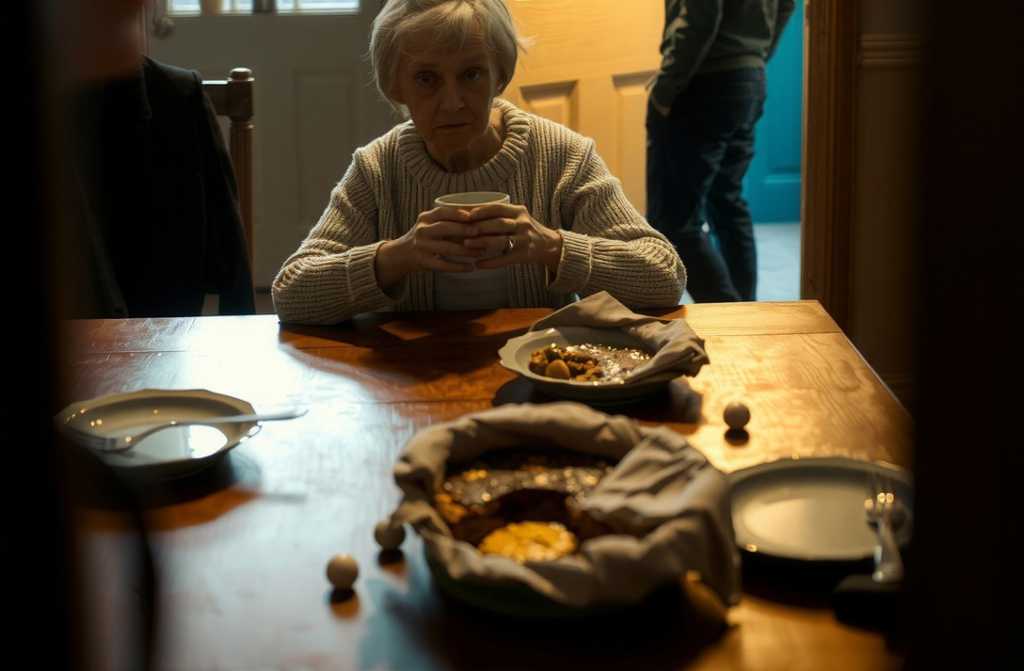
Well, thats that, Danny, said Helen Porter, setting her teacup into its saucer with a faint little clink that, to her, sounded ceremonial. We can get on with our lives now.
Mom, you talk like you just won the US Open, her son remarked.
Havent I? she replied.
Danny stared out the window. Outside, another dreary March day drizzled down, gray and limp like a battered dish rag. Helen followed his gaze; there was nothing interesting out there.
Im asking, Dannyisnt that so?
She just left, Mom. One suitcase. Not much to celebrate.
The celebration, Helen said, is in the fact that shes gone. With only a suitcase. Came in with nothing, left with nothing. Thats whats fair.
He finally turned from the window. Helen had braced herself to see resentment, anger, at least exhaustion in his expression, but what she found was something she couldnt quite nameand didnt want to look at too closely.
Megan put money into this place, he said quietly. Her own money.
The apartments in my name. I gave it to you. Not her.
I know how its titled, Mom.
Then whats the problem?
He stood, grabbed his jacket from the rack. Helen noticed hed left the apple pie, baked special for the occasion, half-eaten on his plate. The rest of it sat, untouched, in the center of the table.
Im going for a drive, he said.
To where?
I dont know.
The door closed gently; no slam, just a soft careful click. Hed always lived like that, Helen thoughtnever slamming, never breaking, never making noise. She looked at the pie, forked up the orphaned slice, and ate it herself. The apples were tart, but in the right wayhomemade.
She sat in the kitchen of the apartment where shed lived for thirty-seven years and told herself, now everything would be fine.
Helen Porter was sixty-three, a petite, tidy woman with silver hair always twisted in a neat bun at her nape. Her retirement checks were comfortable for Smallwood, New Jersey. She had been a bookkeeper for forty years and prided herself on her numbers smarts. Thats why, when her son brought home his fiancée five years ago, Helen sized Megan up before the first dinner was through: a girl from Nowheresville, a three-hour bus ride from Philly, come to town for college and stuck around, with a little job and a room in company housing. She looked plain, reserved, habitually glanced aside when talking. But Helen could read people, and she’d read Megan: this girl was angling for the apartment.
Her son said different. Her son said he loved her. He didnt say much, actually, and what he did say Helen ran through her own filter, and always got back the answer she preferred.
They lived together three years in the apartment Helen had put in Dannys name when he turned twenty-eight. A lawyer friend had coached her: If they divorce, a gift from Mom isnt marital property. Helen hadnt thought of divorce at the timeshe was just careful. Shed always been careful.
Megan hung new curtainsHelen called that presumptuous. Megan swapped out the old dinnerware, and Helen thought the old set was nicer. Twice a week, Megan made dinner and invited Helen over; Helen accepted, thanked her politely, and left feeling something wasnt quite right, though she couldnt say what.
Later, Megan redid the kitchen, paid with money shed saved herself, and made a point to clarify that with Dannynot Helen. Helen only found out after the fact, when the paint dried and the new cabinets went in. She pursed her lips at the striped wallpaper and white cupboards.
Helen, you dont like it, do you? Megan asked, direct as always. Helen didnt like that.
Its very nice, dear, she replied. But the tone turned nice into dreadful, and both women knew it. Megan didnt respond; she was better at silence than Helen was at fishing for a fight.
The breakup came the fourth year. There were many reasons. None were the real reasonor maybe all were, but none alone. Danny grew distant. Then further. Megan asked questions, explained things, made requests. He nodded and hid behind the TV. He called Helen every two days to say how miserable he was; Helen told him matter-of-factly, You cant go on like this. For her or for you.
Maybe itll all get better, Danny said.
It never does, Helen told him. And that was that. There were lawyers, there were documents, and then there was this kitchen, and this pie, and March outside the window.
Megan left with one suitcase. Helen watched from the window as Megan rolled it to the waiting cab. She didnt look back.
That was when Helen thought: There goes the defeated. And it felt like the fever breaking after a long illness.
Danny Porter, Helens son, was thirty-four, an engineer at a local construction firm, made good money, never brought up the subject first. Helen was proud of him with a pride that was part love, part possessiveness, and part something indescribable. She raised him alone after her husband left, when Danny was eight. After that, they were a team, and Helen liked it that way.
When Danny was nineteen, Helen realized he was good at being alonenot in a healthy way. He never fought for what was his, never demanded, never raised his voice. He just agreed, or clammed up. Helen chalked it up to good manners, and was satisfied.
After his divorce, Danny lived on his own a month. Then, he called and told Helen hed met someone: Rebecca.
Where? she asked.
At the office party.
So, whats Rebecca like?
Shes a good woman. Want to meet her?
Helen agreed. They met in a coffee shop, not at homea detail Helen noted but didnt yet understand. Rebecca was seven years younger than Danny, so twenty-seven, worked at a marketing firm, dressed with flair, and knew exactly what she wanted from the menu, the waiter, and, presumably, from life.
Helen Porter, Ive heard a lot about you, Rebecca said as she reached across the table with a businesslike handshake.
From Danny?
From Danny.
I hope it was all good, Helen replied with a perfect smile.
A little bit of everything, Rebecca said, and opened her menu.
Helen felt a sharp pang in her chest, which she blamed on the draft from the door.
Rebecca was beautiful, but not in Megans quiet, apologetic waymore boldly, the kind of beauty that knows itself. Dark hair, black eyes, lipstick always on point. Her silences were different from Megans. Megans silence was patience; Rebeccas was judgment.
Four months later, they eloped. Helen heard about it Wednesday night, by phone.
We got married today, Danny said.
Today?
Yeah. Mom, please dont be upset. We didnt want a fuss.
Im not upset, Helen assured him. Congratulations.
She hung up, sat in silence ten minutes, then watered her plants and went to bed. By morning, nothing had changed.
Rebecca moved in within a week. Despite being compact herself, she brought more things than anyone Helen had ever seenboxes filled the whole hallway. Helen dropped by the next day to find Megans curtains already replaced by her own, dark green and heavy, making the living room feel like a lawyers office.
Where are the old ones? Helen asked.
Trash, Rebecca replied from the kitchen.
But they were almost new.
They werent my style, Helen.
That ended the conversation. For the first time, Helen really had nothing else to addnothing, not even in her head.
In those early months, Helen stopped by often. Rebecca never asked her to leave, but managed to create an atmosphere that made Helen want to go. Rebecca didnt leave the room. She didnt make tea. She didnt even close her laptop. She answered questions briefly, with little interest, and Helen started to feel like an unwelcome guest in the apartment shed once given her son.
It wasnt a good feeling.
With Helen around, Danny grew quieter still. He poured the tea, offered cookies, nodded at her stories, and shot occasional glances at his wife that Helen noticed but couldnt quite define. The word was fear, but shed never say it out loud.
By October, Rebecca changed the locksjust because. Danny called: Mom, we had new locks put in. Let me know ahead of time if you want to stop by so I can let you in.
Why the change?
Well, Rebecca says its safer this way.
Safer from whom?
A long, awkward pause. Helen heard more in that silence than any answer Danny might have given.
Just standard procedure, Mom, he finally said.
Helen had kept that key for twenty yearsfirst as owner, later as the mom who was always welcome. It hung on her keychain between the one for her place and the little mailbox key. That night, she took it off and tucked it in her dresser. Its still there.
New Years Eve was always at Helens. Always. For twenty years running. Shed make salads, bake fish, put up the Christmas tree in the same corner as her mother had. It was tradition, and she guarded it.
In November, Rebecca told Danny, who told Helen: Were spending New Years with Rebeccas folks. In New York City.
New York?
Yeah, her whole familys there.
What about me?
Mom, you know we cant be everywhere.
Helen spent New Years alone. She set the table for one, popped a bottle of California sparkling wine at eleven-thirty, watched the Times Square countdown on TV, toasted the screen, and washed her dishes. By one, she was in bedwhat else was there to do?
She called Danny in the morning to wish him well. He picked up on the third ring; he sounded happy and still half-asleep.
Happy New Year, Mom.
Happy New Year, Danny. How are you two?
Great! It was really fun. Mom, Ill call you later, okay? Rebeccas still asleep.
Of course, honey.
Of course, she said, meaning never. But hed already hung up.
In February, Rebecca showed up at Helens door. First time ever. No call ahead, just midday, all dressed up and clicking in heels. Helen didnt know what to say.
Come in, she managed. Tea?
Sure.
They sat in the kitchen. Rebecca scrutinized the place like a developer scouting a new property. Helen laid out cups, sliced some lemon.
Helen, I want to be direct.
Then be direct.
Danny calls you every day.
Hes my son.
I understand. But its a lot. Every day, for an hour. Its disrupting our evenings, our plans. I think he could call less.
Helen poured the tea. Her hands didnt shake. She made sure of it.
Rebecca, Dannys an adult. He decides who and when to call.
True. But an adult should focus on his own family.
Im his family.
Youre his mom. Thats different.
They sat across from each other. The tea cooled. Helen thought: if this were Megan, the girl would have looked away by now. Rebecca didnt.
I get you, Helen said.
Good, Rebecca replied, finishing her tea like theyd just discussed the weather.
After Rebecca left, Helen stood for a long time by the window. Outside, a muddy lawn patch melted under the first thaw, a puddle mirrored the gray sky. She thought about Meganhow shed never come over like that, how she sometimes said the wrong thing or did the wrong thing but never in that blunt, icy way that chilled more than any February wind.
She shoved the thought away, deep and out of reach.
Dannys calls dropped offfirst every second day, then every three. Helen said nothing. She called him less, too, since every conversation felt rushedthere were guests or were heading out, and Rebeccas steady voice, calm as an anchorwoman, lingered in the background.
Rebecca made good money in advertising, something Helen could hear in Dannys voicea new note, something like dependence. Rebecca bought appliances, clothes, took business trips. She was a woman of action, and that action circled Danny tighter and tighter, leaving little space for anything else.
One spring day, Helen dropped by without calling. Danny answered, and she saw in his face before he even spoke: she shouldn’t have come.
Mom, you know its better to call ahead.
I was in the neighborhood.
Were you?
Danny, I live ten minutes away.
Rebeccas working from home. She cant be disturbed.
Im not here for Rebecca. Im here for you.
He let her in. They sat in the kitchen. Rebecca never left her office. After a half hour, Helen stood, said goodbye, and left. At the elevator, she realized it would be her last impromptu visitnot because he asked, but because she never wanted to see his face like that again.
The summer slipped by quietly. Helen tended her little garden out back, grew tomatoes and cucumbers, took her neighbors grandkids down the shore. She had no grandkids of her own. Rebecca said it was too soon, career and all, theyd get around to it. Helen didnt argueshed learned.
In September, Helen ran into Megan by chanceif there are any chances in a town as small as Smallwood, New Jersey.
Helen was coming back from Acme, grocery bags heavy in each hand, watching her steps, when she spotted Megan outside a small office building, chatting on her phone. She wore a navy-blue coat Helen didnt recognize. Her hair, once long, was now cropped at her shoulders. She laughed, and the sound wasnt shy or small like Helen remembered, but free, real.
Helen slowed, frozen with her bags, uncertain. She should have walked by, but couldn’t.
Megan saw her first, ended her call, and crossed over.
Mrs. Porter.
Megan Helen started, surprised at her own use of the softer Megan, which shed never allowed herself around her before.
You look good, Megan said. It felt awkward, the sort of thing you say to be polite when someone looks tired. Helen recognized itshe had used it herself.
You look good too, Megan, she replied. This time, she meant itno qualifications.
Megan was different. Not just well, but different. Something had changed in her posture, in her eyes, her stance. No more sidelong glances.
You work here? Helen nodded at the office.
I run the place, Megan said. Started my own business six months ago. Interior design.
Your own business?
Yeah.
Whered you get the money? Helen blurted out, then instantly regretted itbut it was out.
Megan didnt take offenseor if she did, she hid it well.
I worked two jobs for three years, Megan said. Day at a firm, nights freelancing. I saved up. Bought myself a condo last yearsmall but mine.
Helens grocery bags grew heavier, literally heavier, at those words.
You bought a condo?
Just a one-bedroom, over on Cooper Avenue. Its plenty.
You live alone?
I do. I like it.
They stood there. Cars rolled by. Distant laughter from a nearby playground edged around the corner.
Megan, Helen ventured, feeling unprepared, not sure what to say, just that something needed saying.
Mrs. Porter, Megan said gently, Ive got a meeting in ten minutes.
Of course.
All the best to you.
And to you.
Megan turned back to her office. At the door, she glanced back briefly, and Helen caught the lookcalm, not unkind, not bitter. Just calm, like someone who finished wrestling with a decision long ago.
Helen made her way home, set her bags on the counter, unpacked, washed her hands, made herself soup, cleaned up, then sat by the window for a long time.
Bought a condo. Business, on her own. Two years in the makingnot overnight.
Helen sat with her tea, considering her supposed win. The apartment was still here. Her son was still here. Megan was gone, left with nothing.
But her son now called once a week, sometimes once every ten days. New Years would be at Rebeccas parents in ManhattanRebecca had decided.
Megan had bought her own place on Cooper Avenue.
Helen went and lay down on the couch, eyes closed. Not asleep, just resting. Dusk crept over the windows; she didnt bother to turn on the lights.
In October, Rebecca told Danny she wanted to move to Manhattan. Smallwood was too provincial, the companys head office was in the city, her career was moving up.
Danny called Helen Sunday after lunch.
Mom, we need to talk.
Go ahead.
Were probably moving with Rebeccas job. To the city.
Helen was silentlonger than usual for her.
When?
Not sure yet. Were still talking. I wanted you to know early.
Thank you for letting me know.
Mom, dont sound so
So what?
Cold.
Danny, Im not being cold. Im just listening.
Another pause.
Mom, we could rent out the apartment while were gone. The money could help. You could keep an eye on things since youre close.
Helen understood that keep an eye on things meant visiting the space shed been locked out of, to watch over strangers.
Ill think about it, she said.
Okay. Dont worry, Mom. Its only three hours to the city on the train. Well visit.
Of course.
Of course again meant never, but Danny didnt hear it.
November brought a chill earlier than usual. Helen put on her winter coat from the very first cold snap, went to the farmers market for winter preserves, and ran into her old work friend, Carol. They grabbed coffee at the market café and chatted for an hour.
Carol told her about the grandkids, the garden, her husbands doctors visits. Then, she asked, So hows Danny? Did the new wife fit in?
She did, Helen replied. Theyre moving to Manhattan soon.
Are you going with them?
No.
Carol shook her head the way only people do who can say it all without words.
Helen, do you ever have regrets?
About what?
About Megan. She was a quiet kid.
Quiet, yeah. But after our property.
You still think that?
Helen finished her coffee.
I saw her last week.
And?
Shes fine. Bought her own place, started a business. Everythings going just fine for her.
Carol watched her, not judging or pityingjust seeing. Helen looked away.
So maybe she wasnt after your place, Carol said softly.
Carol, dont.
Im not blaming you. Im just saying.
You dont know. You didnt see her back then, the way she looked at things, the way she behaved.
Maybe not. But I see you here alone, buying pickles for one in November. And Dannys off to Manhattan.
Helen walked home, choosing not to take the bus. She needed to move, to have the illusion of heading somewhere.
December arrived with the first snow. Helen decorated the tree alone, brought down boxes of ornaments, strung lights, admired itit was beautiful, as always.
Danny called on the 23rd to say he and Rebecca would stop by New Years Eve.
But only for a bit, he clarified. Morningthen we zip uptown to Rebeccas family.
All right, Helen said.
Mom, please
Im happy youre coming. Ill bake your favorite pie.
They arrived at eleven a.m. Rebecca looked sharp in a new coat, carrying a bag with champagne and chocolates. She set it on the table with little ceremony. Danny hugged his mom. They had tea. Rebecca spent the whole time on her phone, not rudely but preoccupied. She was clearly dealing with something urgent.
Pie, Rebecca? Helen offered.
No thank you, I dont eat sweets.
Danny?
Of course, Mom.
He took a big slice. Helen watched him eat, thinking it might be one of their last mornings in this kitchenbecause New York, because Rebecca, because life goes where you cant steer it.
They left at twelve-thirty. At the door, Rebecca looked at Helen for a long lingering moment. Helen couldnt decode itmaybe it meant something, maybe nothing.
Helen, you keep a beautiful house. The pies wonderful.
Thank you.
Rebecca nodded and left. Danny kissed her cheek.
Bye, Mom.
Bye, son.
The door shut. Helen cleaned up. She wrapped what was left of the pie, washed the cups, turned on the TVbut didnt watch.
She spent New Years alone again. Popped open a single-serve sparkling rosé at midnight, toasted the screen, gazed at the glowing tree. The lights flickered softly for no one in particular.
In January, Danny said theyd be moving in March. The apartment wouldnt be rented, just left empty. Theyd visit sometimes. Helen nodded, as if he could see it.
February blurred by. Grocery store, kitchen, TV, occasional call with Carol. Once to the salon for a trim, though she still wore her hair in a bun. Visited a neighbors garden shed once, to help organize.
Beginning of March, while the snow still clung, she dialed Megan.
She remembered the number. Numbers stick with bookkeepers.
Long ringsshe nearly hung up when
Hello?
Megan. Its Helen Porter.
A pause. Not hostile, just a pause.
Good evening, Mrs. Porter.
I was hoping you might meet me, Helen blurted.
Another pause. Helen stood watching the half-melted piles on her street.
What for? Megan asked, not sharply, but plainly, always plainly.
I wanted to talk. Theres something. Id rather say it in person.
A pause, so long Helen thought Megan would decline. And shed have every right to.
Okay, I can meet Saturday. That coffee shop on Main, remember?
Ill find it.
Noon.
Noon. Thank you, Megan.
Yes, Megan said. Nothing more.
Helen got there fifteen minutes early, picked a window seat. She ordered tea, watched the early spring people on the streetno hats, time moving faster already.
Megan appeared exactly at twelve in that same navy coat. Hair curling a bit in the damp. She nodded, sat, hung her coat on the seat.
Hello.
Hi, Megan. Thanks for coming.
What did you want to say?
Helen fiddled with her cup, picked it up, set it down.
I wanted to say I was wrong, she admitted. About a lot. Maybe not everything. But a lot.
Megan looked steadily at her.
I judged you before you did anything. That wasnt fair.
Megan stayed quiet.
I thought you just wanted the apartment. That you didnt love Danny, just saw him as a means to an end.
Do you still think that now?
No, Helen said, as if confessing. No. I saw you in September, on Main. Laughing, talking. And I realized you were just a personlooking for a home and family, like anyone else.
Megan glanced out at the street. On the sidewalk, a pigeon skipped across a puddle.
Its good you said that, Mrs. Porter. But I dont really know what to do with it.
I dont need you to do anything.
Then why?
Because I needed to say itfor me. Not for you.
Megan regarded her, not with pity, not triumph, with something else Helen didnt know the name of.
Hows Danny? Megan asked.
Moving to the city for Rebeccas job.
I see.
Shes different than you, Megan. Not better, not worsejust different.
Megan half-smilednot snide, just tired.
Would you like anything? I mean, from mehelp, or something?
No. Nothing in particular. I just needed to say it.
All right, Megan said. I should goclient at two.
Of course.
Megan rose, reached for her wallet.
Ive got it, Helen said.
No need.
Megan. Please.
For a moment, Megan stared, then put her wallet away.
All right.
She slid into her coat, picked up her bag.
Mrs. Porter, she said, Im not hurt anymore. Havent been, in a long time. I want you to know that.
Im glad.
Not for you. For myself. I want you to understandtheres no grudge. Not because you were right. Its just whats best. For me.
Helen nodded. For once, she had no words.
Be well, Megan said.
You too, dear.
Helen watched from the café window as Megan strode down the street, no hurry, navy coat shining, pulled out her phone at the corner, typed or read something, tucked it away, turned the corner and was gone.
Helen paid, bundled up, and stepped outside. The air held the scent of March and thawthat smell shed known since childhood, always hopeful. March always smelled like promise.
She walked down Main, remembering the day three years ago when Megan pulled her suitcase to a car and Helen watched, certain she was the victor.
Megan, she now realized, hadnt been rushing, hadnt looked back. Helen had thought it was dignity in defeat, something meaningless.
She climbed the steps to her apartment, opened the door with her own key, entered the familiar hush that greeted her every Friday night, every New Years, every evening. The comfort of a well-worn solitude.
She hung her coat, wandered into her kitchen, put the kettle on.
Outside, March snow melted away. Old push broom stuck out of a dirty pile someone left in the fall. Helen watched it, not really thinking.
The kettle whistled; she poured herself tea, wrapping both hands around the mug, warmth seeping into her palms.
This was her win. Apartment still hers. Son in Manhattan. Daughter-in-law changed the locks, carted away their familys traditions. The first girl walked away empty-handed, now owner of her own condo on Cooper Avenue, laughing with her own friends, running her own business.
Helen Porter was no fool. She was sharp, cautious, observant. Forty years in numbers trained her for the bottom line.
The bottom line, right now, was this: she sat alone in the kitchen with a cup of tea.
Not for lack of companyCarol existed, the neighbor existed, even Danny existed (far off, but still there). Alone because the silence had become normal, and she couldnt recall the last time someone had simply dropped by, unannounced.
Megan had done that. Shed bring bakery rolls from the marketnever asked, just set them down, Mrs. Porter, I brought cabbage onesyou like those. Helen ate, always thinking of her calculations.
She finished her tea, set about washing up, drying her hands on an old towel with embroidered roosters shed bought at a craft fair years ago.
Then she called her sonnot out of necessity, but just because.
Mom? Everything okay?
All good, Danny. How are you two?
Tired, packing, so much stuff. You good?
Im fine. Just checking in.
Oh, okay. Listen, Mom, were knee-deep in boxescan I call tonight?
Of course, honey. Go on.
You sure youre okay?
Promise. Take care, Danny.
Okay. Bye.
She put down the phone. March outside; the forgotten broom sticking out of the snow. Silence again.
Helen went to the living room, pulled out the old photo album.
Danny, eight years old, fishing rod in hand, posing for the camera with a look of utter seriousness. Her younger self beside him, laughing real laughterlaughter lost somewhere along the years, with no clear why.
On another page, Danny, grown, late twenties, stands shoulder to shoulder with Megannot gripping his hand tightly as Helen had once suspected, but just holding hands, naturally.
She closed the album.
It was dark in the room; the sun had dropped behind the building. She didnt bother with the lights. Sat in the murky half-light, listening to the hush.
Megan had told her: I havent been hurting for a long time. I have no grudge, not because you were right, but because its better for me that way.
Maybe that was the point. Megan lived for herself. Helen had lived for her son. And now, he was in Manhattan. She was in the dark, with old photo albums.
Helen didnt cry. She never was the weepy type. The last tears she shed were when her husband leftthree days of sobbing, then she took eight-year-old Danny to a movie, and that was that.
She got up, switched on the lights, pulled the leftover pie from the fridge.
Outside, darkness settled in. Streetlights beamed an orange glow, turning the block almost warm, almost inviting.
Helen ate her pie, gazing out at the night. Thought about calling Carol to see if she wanted to grab lunch or walk in the park next Saturdaymaybe just, for no reason.
Thought about getting out to her garden this spring, prepping for tomatoes. Tiny plot, but her tomatoes were the envy of the block.
Then she just nibbled pie and stared at that orange light.
The phone sat silent. Danny never called back that nightforgotten, with all the moving boxes. Helen didnt pick it up. Not out of spitejust didnt.
Neighbors cat screamed across the wall, then everything went still. Regular life resumed.
Helen decided shell go to the market tomorrow, see whats fresh for spring. Maybe seedlingsmaybe its too soon.
She washed her dishes, turned off the kitchen light, set off for bed.
Shed gotten into the habit of reading at night. Some paperback mystery, half-finished, the bookmark stuck in the middle. She read for twenty minutes, but had to reread one page three times without remembering a word.
She set the book aside. Switched off the light. Lay in the dark.
Megan moved down the sidewalk in that blue coat. Even strides, unhurried.
Three years ago, shed wheeled her suitcase out. Same even pace. Same dignity. At the time, Helen thought it was the dignity of the defeated.
Tonight, she thought maybe it was knowledgemaybe Megan already knew something Helen didnt. Maybe she wasnt thinking about what shed lost, but about where she was going.
Helen never knew how to look aheadonly back: what shed saved, what shed kept, what shed won. Add it up; balance the lines.
Her balance sheet now: the apartment, still here. Her son, still hers. Life continuing.
Just so awfully, awfully quiet.
Helen rolled onto her side. Closed her eyes.
March crept toward night outside the window. By morning, the last of the snow would soften; maybe by April itd be gone for good.
Spring always comes, whether you want it or not.
She thought, maybe Ill walk by that office on Main again. Not out of intentionjust if I happen to be passing. See if its still there, still going. Probably is. Megan isnt the quitting kind.
She knew how to work, how to finish what she began. Helen had called it something else at the time.
She lay awake a long time, listening to the hush of the apartmenta hush shed known for thirty-seven years.
The neighbors cat again, then silence.
Helens mind wandered to tomorrows market, to calling Carol, to Dannys move, to maybe visiting Manhattan. The trains only three hoursclose enough.
And if she met Megan again in town, maybe shed say something different. Not you too. Something real.
Or maybe she wouldnt meet her. Its a small town, after all.
Her thoughts slowed, softened, like a trolley at the end of its linesomething close to peace. Not good, not bad, just as things are, when everythings already happened and nothing can really be changed, and all thats left is to keep moving forward.
Moving forward was something shed always managed.
In the morning, shed rise at seven, put on the kettle, check the window. Watch March melt.
And somewhere, across town, Megan would get up in her own condo, maybe earlier, maybe later. Put her kettle on. Look out her own window.
And both, in their own places, would be watching the same March, the same melting snow, the same lightening sky.
Just from different windows.
Then, at last, Helen Porter closed her eyes for real.
Outside, a gentle March night settled quietly over everything.






