Whiskers stopped eating on the third day. Anna Wilson first thought he was just being fussy. But the vet’s words made her look in the mirror and see a soul just as lost.
“Hello, Doctor? Can you come round? Our cat’s really poorly, hasn’t eaten for three days.”
Vet Dr. James Thompson sighed. House calls were rare for him, but something in her voice made him agree.
“Alright, give me the address.”
Half an hour later, he stood at the door of a flat in a new-build on the outskirts of Birmingham. A man in his forties opened it, wearing an expensive shirt, his face tired.
“Come in, Doctor. Mum’s beside herself, and I don’t know what to do.”
The spacious three-bedroom flat smelled of fresh paint and something else – a mustiness that hangs around when windows are rarely opened. An elderly woman sat on the sofa, her eyes dull. Curled up beside her lay a large ginger cat, its fur lacklustre, the animal listless.
“Hello,” Dr. Thompson said, sitting down. “What’s the patient called?”
“Whiskers,” the old woman replied quietly. “Doctor, something’s wrong with him. He won’t eat, won’t play, just lies there. Is he ill?”
The vet gently lifted the cat and began to examine him. Temperature normal, breathing steady, abdomen not tender to touch.
“How old is he?”
“Eight. I found him as a kitten by the garden gate, squeaking. I raised him. He’s always been so lively, so playful.”
“When did this start?”
The woman’s son interrupted impatiently.
“Right after we moved here, three days ago. I persuaded Mum to come live with me – living alone in the village at her age wasn’t safe. We’re selling the house; buyers are lined up. I thought she’d be thrilled. A proper bathroom, central heating, shops nearby. But she fusses over that cat like he’s made of gold.”
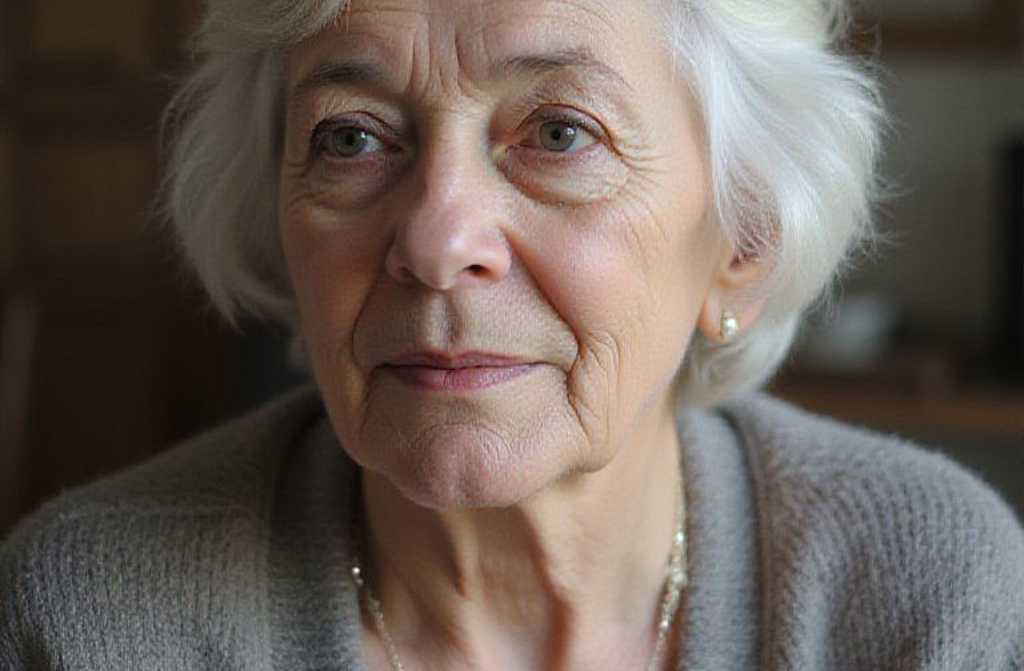
Dr. Thompson studied Anna Wilson. She sat with her shoulders slumped, her posture showing the same apathy as the cat.
“I see,” he said, pulling out his stethoscope to listen to the cat’s heart. “Physically, Whiskers is fine. He’s stressed from the change of environment. Cats are very attached to territory, not to people, contrary to popular belief. For him, moving means losing his entire familiar world.”
“So what do we do?” The son clearly wanted concrete instructions.
“Well, it takes time. He’ll adjust gradually. I can prescribe mild sedatives. But the main thing is to make him feel comfortable. Did you bring anything from the old house? His bed, his bowls?”
Anna Wilson shook her head.
“Kevin said not to bring old stuff. He bought everything new – bowls, litter tray, a lovely little house.”
“That’s the problem,” Dr. Thompson said, standing and looking around the flat. “There’s nothing familiar for the cat here, not even the smells. To help him, bring his things from the old home. His bed, his toys if he had any. Ideally something that smells of that place – a mat, perhaps.”
Kevin snorted sceptically.
“Doctor, are you serious? The cat’s starving because of an old rug?”
“Quite serious. Animals are far more sensitive to change than we think. Imagine suddenly being moved to a foreign country where everything is strange, and you’re told to be happy because it’s better.”
Anna Wilson suddenly sniffled. The men turned in surprise.
“Mum, what’s wrong?”
“Nothing, nothing,” she said, dabbing her eyes with a handkerchief. “It’s just – the doctor’s talking about Whiskers, but I feel the same. As if I’ve been moved somewhere too – comfortable, convenient – but my heart aches.”
Kevin looked at his mother, bewildered.
“Mum, what do you mean? I did all this for you. Life in a cottage with a wood stove and carrying water isn’t right at your age.”
“I lived that way all my life,” she said softly. “And it wasn’t hard for me. I had my garden, my chickens, my neighbours. I’d visit Nora every other day; we’d sit on the bench in the evening and talk about life. But here –” she gestured around the flat – “everything’s foreign. I don’t know the neighbours, no one to chat with in the courtyard. I sit alone all day watching telly.”
“But you said you agreed to move!”
“I did. Because I thought it would put your mind at ease. You were always worrying about me. So I thought, fine, I’ll try. Only now I realise I can’t live like this.”
Dr. Thompson cleared his throat diplomatically.
“You know, I’ve been a vet a long time, and I’ve noticed something. Animals often mirror their owners’ state. Maybe Whiskers isn’t eating just because of the move. He feels that you’re unhappy here too.”
Silence fell. Kevin paced the room, trying to absorb what he’d heard.
“Mum, are you really that miserable here?”
Anna Wilson stroked the cat, who gave a weak meow.
“Kevin, I know you meant well. The flat’s nice, and you care for me. But happiness isn’t about convenience. In my own home, I felt at home. Here I’m like… like Whiskers. In a cage – a gilded one, maybe – but still a cage.”
“But the house is nearly sold! The preliminary agreement’s signed, I’ve taken a deposit!”
“Give back the deposit,” she said, unexpectedly firm. “I don’t want to sell. That’s my place, my whole life is there. I lived thirty years with your father in that house. I remember every tree, every bush. Forgive me, son, but I can’t stay here.”
Kevin sank into an armchair, rubbing his temples.
“I just wanted to make things easier for you.”
“I know, love. But what would make it easier is if you visited more often. Bring the grandchildren for the weekend, like you used to. Remember how they’d mess about in my garden, picking strawberries?”
A week later, Dr. Thompson got another call. This time Anna Wilson’s voice was bright and happy.
“Doctor, I wanted to thank you! Whiskers is alive again! Eating with gusto, chasing sparrows round the yard like old times.”
“You’ve gone back to the village?”
“Yes, Kevin drove me. The buyers agreed to cancel the contract, reluctantly. But my son sorted it all out. Now he’s promised to come every weekend to help with the chores. I’m so happy I can’t put it into words! I got up this morning, stepped onto the porch. Dew on the grass, birds singing, neighbour Nora calling over the fence: ‘Anna, you’re back!’ This is real life.”
Dr. Thompson smiled.
“I’m very glad. Give Whiskers my regards.”
“I will. And I have to say – you didn’t just heal the cat; you opened my eyes. I realised you can’t live where your heart isn’t, even if everyone says it’s better.”
“Everyone has their own happiness, their own patch of sun.”
Putting down the phone, the vet pondered. How often we decide what’s best for others without asking what they want. Children move elderly parents to the city, sincerely believing they’re doing good. And the old ones wither in comfortable flats, longing for their gardens and neighbours. Just like that ginger cat who wouldn’t eat from a new bowl in a strange house.
A month later, Kevin himself called the vet.
“Doctor, I wanted to say thanks. At first I was offended – thought Mum didn’t appreciate my efforts. Then I visited her for the weekend and I understood. She’s ten years younger! Dashing round the garden, making jam, chattering with neighbours. I haven’t seen her like that in ages. I almost wish I’d listened sooner.”
“The main thing is you realised in time.”
“Yes. Now my wife, kids and I drive out every Saturday. The boys are over the moon. Grandma feeds them cakes, they play with Whiskers. And I feel good there too. Such peace and quiet. I’m so worn out in the city, but here I recharge my batteries.”
“See, it all worked out.”
“Exactly. Mum was right. Everyone has their own place. You can’t force your idea of happiness on someone, even with the best intentions.”
Anna Wilson still lives in her cottage. Whiskers is once again a lively ginger cat who greets her at the gate and follows her on her rounds. And Kevin now knows one thing: caring isn’t just about creating comfort and convenience – it’s about accepting your loved ones’ choices, even if you disagree.
Sometimes happiness isn’t a new flat with central heating. It’s an old house with a wood stove, creaking floorboards, where you’ve lived half your life and every corner holds memories. And a common ginger cat helped him see that – simply by refusing to eat in a strange place.
So what do you think? Are city comforts always better than a familiar home? Share your thoughts in the comments.