Lucky Ticket
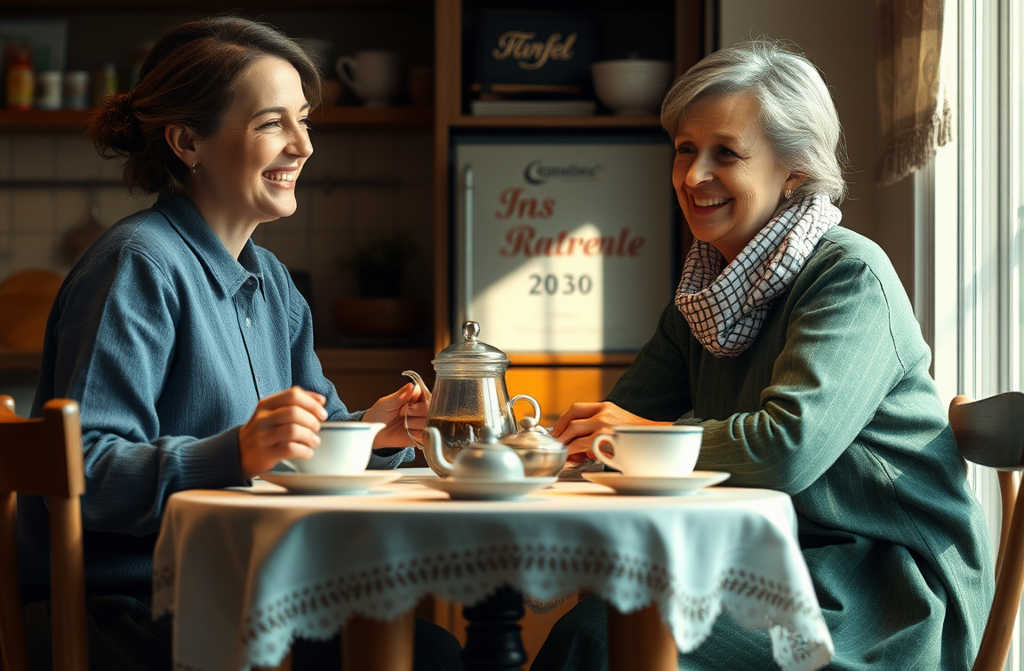
Come, ladies, have a seat at the table! Lets share a familystyle meal and toast to the years, Emily said, laying out the spread. She sliced toasted rye with smoked salmon, tossed a simple garden salad shed made herself, and set steaming scones from the local bakeryfresh from the hands of the lads who run the beauty salon in the caravan at the back of the yard. Theyre so good youll lick the plate clean, she laughed, and pushed a small cake toward the centre. A sip for life, for friendship, for all the good things. The women had no hurry to leave.
Natalie was fortyseven. Shed started out in a bookshop, and for the last fifteen years shed worked at the post office. Shed brought her sisterinlaw, Claire, along, and together they never ran out of stories. Emily also invited her former postoffice manager, Mrs. Margaret Hill, a mentor with whom shed spent many years not only working but living as a tightknit team. Now Margaret was retired, spending her days with her grandchildren.
Emily herself had spent her whole working life at the same post office on the high street, just a stones throw from her cottage. Shed left school, missed out on a place at the technical college, and her parents moved the younger brothers into their parents flat while she was left with a twobedroom flat in a modest fivestorey block. At eighteen she took the postoffice job to stop leaning on her parents, determined to make her own way. Ill stay here for a while, its convenient, she thought, and the friendly forewoman, Margaret, took her under her wing, showing her the ropesdelivering magazines and pensions to the elderly, keeping the subscription files in order. When computers arrived, the job became easier.
Emilys situation mirrored that of many of the women around herdivorced, singlemothers, just like her. Their children grew up nearby, dropping in after school to help with the post office, eating lunch, doing homework. Emilys son Mick and Claires daughter, a budding nailartist named Lily, played together from childhood. Now theyre all grown, with Lilys granddaughter, a bright little Milly, often perched on Emilys lap. A few years back, Margaret handed over the reins of the branch to Emily, making her the head postmistress.
How do you manage without me, girls? Margaret asked, raising her glass. If it werent for the grandkids, Id still be here, I swear. She smiled, To us, to our wonderful team, to health and happiness, dear friends! She turned to Natalie and Claire. Emilys the boss now, isnt she? they answered with a burst of laughter, She does it alltakes parcels, processes transfers, chats with the charming gentlemen who stop by!
Which gentlemen, pray tell? Margaret teased, nibbling a scone. Youre all in good shape, just like the old days. Come by more often, Margaret, they urged. You live next door, bring the grandchildrenour whole lot grew up on parcels and letters, helped the old loader Vicky, and now theyre all thriving adults. Bring them along!
Emily blushed, setting down her scone. There is one, she said. He came yesterdaydivorced, his son studies up north, he was sending a parcel and a bit of money. He bought a lottery ticket again.
Not for that, Claire interjected, unable to hold back, He just waits for Emily to finish her shift. He doesnt come to us, hes clearly after her!
Ha, thats cheeky, Em! But imagine if it were truemaybe youd end up with a husband after all, Margaret chimed, lifting her glass again. Ladies, to love! Natalie, youre still youngtake a leaf from Emilys book. Who knows, we might all be at a wedding soon, right, Em?
Two days later, Konstantin Whitaker walked into the post office, eyes scanning for Emily. Claire shouted, Emily, someones waiting for you! He flushed, fidgeted, and pulled out a lottery ticket. Im just here to check my ticket, he muttered, handing it to her. Emily, though embarrassed, kept her composure. She fed the numbers into the system and watched the screen. The result flasheda massive win, numbers she could barely believe. Her face paled, eyes wide. Mr. Whitaker, this is your prize, she announced. The figures were astronomical, zeros stretching beyond count.
Cant claim it here, Emily said gently, handing back the ticket and explaining how to collect the winnings. She closed the door behind the thrilled stranger.
Honestly, I never thought such a thing could happen, Natalie whispered, astonished.
The next morning the post office door swung open to reveal Konstantin again, this time in a crisp new suit, clutching a bouquet of roses. Good morning, Emily Anderson, he said, his voice trembling. Ive hesitated long enough. You are a stunning, capable womanthe very picture of grace. Im an old retired clerk with nothing to my name but this ticket you handed me, which has changed everything. Will you marry me? Lets build a happy life together. He knelt, offering the flowers.
The small wedding was held right there, tables set in the back room of the post officepractically a second home. Margaret beamed, I knew it would end like this, she said, wiping away a tear. Bittersweet!
Soon after, Emily left her postoffice job at her husbands urging; they planned a seaside holiday and a new cottage to build. She gathered her friends at a local restaurant to celebrate her retirement, feeling a pang of sadness but promising to visit oftenafter all, she lived just down the road. She recommended Natalie for her nowvacant postoffice position, confident that Natalie might also pull a lucky ticket someday.
And so the ladies learned that life, like a lottery, may surprise you at any moment, but true wealth comes from the friendships you nurture, the kindness you share, and the courage to embrace unexpected chances. The real ticket to happiness is the bond you keep with those who stand by you.






