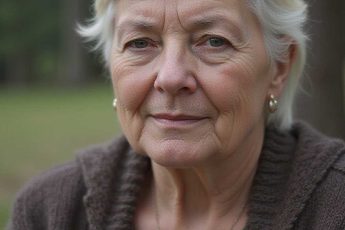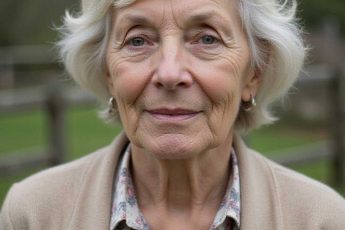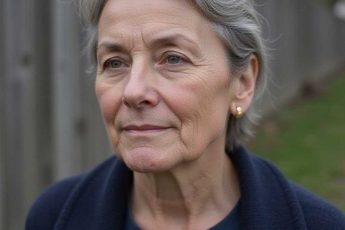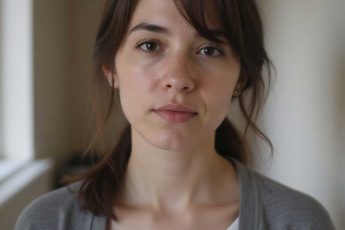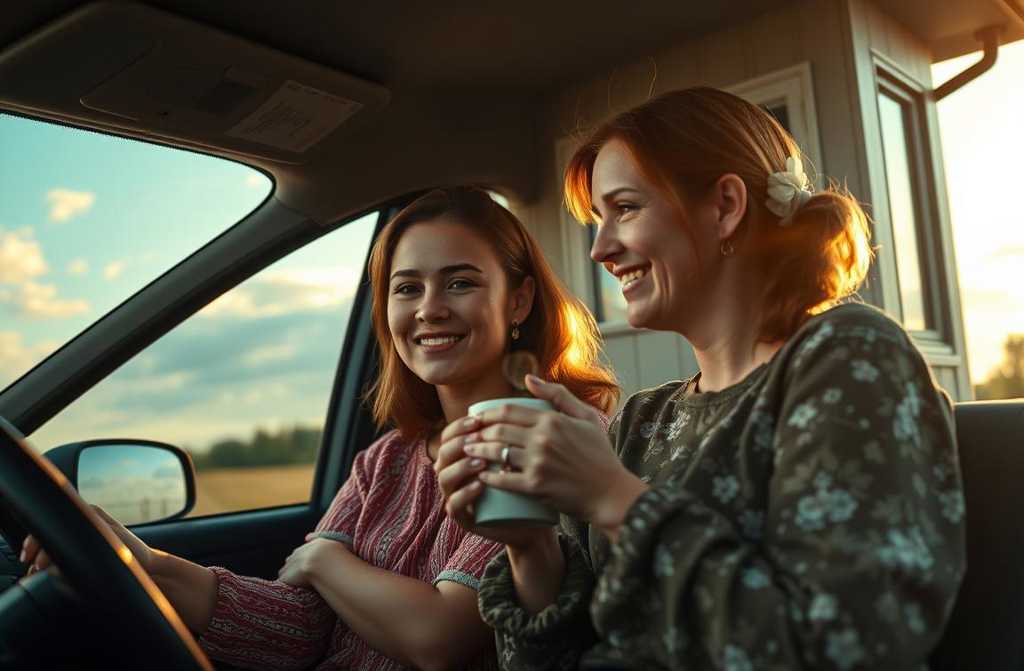
The road out of York stretched ahead on a crisp earlyJuly morning, the highway still bare of the usual haulers, the roadside cafés only just beginning to unfurl their plastic menus on the tables.
Harriet Clarke gripped the steering wheel of her battered Ford Focus as if the car might suddenly decide to turn back. In the passenger seat, Poppy Bennett settled with a thermos of tea and a bag of sandwiches at her feet. In the glove compartment rang a tin of bloodpressure tablets, alongside the cars registration papers and a fresh MOT certificate.
Are you sure you feel up to driving? Poppy asked, fastening her belt. If it gets too much, I can take over.
Im okay for now, Harriet replied, nudging the accelerator a notch. And youstill nursing that burnout, she added with a halfsmile, you told me youd better not push yourself too hard.
Poppy rolled her eyes, but no offense was taken.
My nerves are the problem, not a broken bone, she said. My counsellor says a change of scenery would do me good. So Im officially in therapy.
The word counsellor still sounded odd to Harriet, who had only recently gotten used to saying divorce out loud without stumbling. Twenty years of marriage had shattered with a single bang of the judges gavel, and now she was cruising the M1 with a university friend shed known since freshers, trying not to think that no one was waiting for her at home.
Where are we actually heading? Poppy asked. Do you have a plan, or are you just leaving it to fate?
Sort of a loose plan, Harriet shrugged. First stop, Lincoln, then Nottingham, where my cousin lives. After that well see how I feel. Look, she tapped the folded road atlas on the seat, Im not obsessing over details, I just
She trailed off. Poppy understood what just meantgetting out of a flat that still smelled of the exhusbands aftershave, proving that life didnt have to end at the altars closed doors.
I need a breath of fresh air, Poppy finished softly. And stop flinching at every work email.
Three months ago Poppy quit her job at an ad agency. Shed been living on the office couch, arguing with clients, drafting campaigns for brands shed never cared about. One morning she realized the commute made her feel like she was suffocating, and shed started crying for no reason at night. The doctor diagnosed burnout, gave her sick leave, and gently suggested she rethink her lifestyle.
Are you sure this isnt a runaway? Harriet had asked her once over the phone.
What if it is? Poppy replied. Maybe I do need to run.
Thus the idea of a road trip was born. Poppy craved open road, freedom, spontaneity. Harriet wanted schedules, clear pitstops, clean restrooms. They agreed to try to blend the two.
Outside, green fields blurred past, occasional hamlets dotted the landscape, signs for The Cozy Hearth and Barbecue flickered. The radio swapped between classic rock and the news. Harriet found herself oddly pleased just to be moving. The road seemed to pull the jagged edges of past arguments, courtroom scenes, video calls with grownup children out of her mind.
Play something upbeat, Poppy urged. Otherwise the news will drown us out.
Harriet switched stations. An old pop tune from their university graduation burst through the speakers. Poppy laughed, sang along without a hint of embarrassment. Harriet felt something inside her thaw.
By lunchtime they pulled into a roadside eatery called The Nook. Inside, the scent of fried chips and broth filled the air. A tiredlooking woman in a apron wiped glasses at the counter. Outside, two lorries and a few cars idled in the parking lane.
Two shepherds pies and a pot of tea, please, Poppy said confidently. And a pot of tea.
Just a salad and a bowl of soup for me, Harriet added, keeping her hands on the wheel.
They sat by the window. Poppy spread out printed road guides, a notebook for impressions, and a pen.
Listen, she said, lets do this: Day one we follow your plan, stay with relatives. Day two I pick at random. If we see a sign for a lake, we turn. If a quirky museum pops up, we go.
Harriet grimaced. I dont like at random. We could end up in a deadend with no rooms.
Thats the test, Poppy smiled. Maybe that deadend hides the best pie well ever have.
Harriet wanted to argue, but the food arrived, and she set aside the dispute, poking at her pie with a fork. The argument felt less like a clash and more like two different ways of living colliding. Poppy had always chased interest, swapping jobs, cities, lovers. Harriet had built a house, saved for renovations, clung to stability.
After their meal they hit the road again. The sun rose higher, the car grew warm. Harriet cracked the window, feeling a warm gust on her cheek. The highway ran smooth, with occasional overtakes and the odd police checkpoint.
Look, Poppy pointed ahead. Theres a sign for the River Vale Holiday Park. Want to stop for a dip?
We still have two hours to Lincoln, Harriet replied. I promised my cousin Id be there by evening.
Just give her a call, say were delayed. Were on holiday, not on duty, Popy said.
Harriet squeezed the wheel tighter, irritation bubbling at the casual disregard for her plans.
People are waiting for us. Its rude to keep them waiting.
And whats properliving by a schedule that no longer fits? Poppy asked quietly.
The words struck a chord. Harriet fell silent. The sign remained a distant blur.
Half an hour later roadworks forced traffic onto a single lane. The asphalt was ripped, wheels jolting over every cut.
Slow down, Poppy warned. Looks like there are potholes.
I see them, Harriet replied, eyes scanning the road. Her thoughts still tangled around Poppys comment about a schedule that didnt suit her. What schedule did she need now? Living alone in a threebed flat? Moving into a smaller place? Returning to accounting or daring a career change?
Ahead a gravel truck rattled, stones spraying onto the bonnet. Harriet decided to overtake before the stretch ended.
Not now, Poppy cautioned, noticing Harriets turn signal. Theres no road marking.
Hes doing forty, we wont make it to night at this rate.
Harriet veered into the oncoming lane. Headlights loomed in the distance, but the gap seemed enough. She floored the accelerator, the Focus lunging forward. Then the right wheel struck a deep ditch.
The impact was sharp; the car lurched. Harriet managed to straighten the wheel, but a loud snap echoed as the car snapped to the right. She clutched the steering, braked hard, heart thudding in her throat. The gravel lorry rolled past, a car behind flickered its lights.
They coasted to the hard shoulder, both panting.
Are we alright? Harriet croaked.
Looks like it, Poppy said, unbuckling. Lets see the damage.
The sun beat down on their faces. To the right lay a field, to the left a rut where the occasional car drifted by. The right front tyre was shredded to the rim.
Its punctured, Poppy observed. Do you have a spare?
Yes, Harriet opened the boot, pushed aside the bags, retrieved the jack, wrench, and spare tyre. Her hands trembled.
Ill do it, Poppy offered. Ive done this before.
No, Ive got this, Harriet snapped, stubbornness flaring. Youve been distracting me with your chatterLets turn, lets call, lets ignore propriety.
I didnt force you to overtake, Poppy replied calmly. That was your choice.
Its always my choice. My divorce, my punctured tyre, my life that Ive ruined myself, Harriet blurted, voice louder than intended. A few passing cars glanced over, their drivers eyes widening.
Harriet, you dont have to carry everything alone, Poppy said gently. Not the tyre, not your whole life.
You think its easy because youve always lived on your own terms, Harriet shot back. You could quit your job, knowing youd land somewhere else. You could split up with a man because you knew youd find another. And me
She faltered, the memory of her exhusband packing a suitcase flooding backhis tired face, her desperate promises, Ill change. Nothing had changed.
What about you? Poppy asked softly. You always tried to make everything convenientfor the kids, for the husband, for the boss. Now everyones scattered, and you dont even know what you want, except to get to Lincoln.
I promised my cousin, Harriet said. I need a proper shower, a familiar wall. Im exhausted.
Then we head to my cousin, Poppy agreed. Thats your choice.
And you? Harriet asked. You wanted to swing on every sign.
I wanted to stop living someone elses script, Poppy said, smiling. But I didnt come alone. If tonights script is a clean bed and a chat with my cousin, Ill fit in.
Harriet felt a knot in her throat loosen.
And tomorrow, she added cautiously, we can do your random day if something interesting pops up.
Deal, Poppy replied. Tomorrows my day of surprises.
They finished their tea, settled the bill, and returned to the car. The mechanic explained the best way around the construction, pointed out a few more tyre scuffs. Harriet listened intently, asking questions. Poppy stood nearby, silent.
Will you drive? she asked once they were alone.
Harriet stared at the road, the wheel, her own hands.
I will, she said. But if I start panicking, we swap immediately. Agreed?
Agreed, Poppy nodded.
The first kilometres after the tyre change were cautious, each rumble a potential threat. Poppy offered occasional glances, but mostly let Harriet focus. Gradually the fear ebbed; the road became just asphalt, the other cars just cars, not menaces. Harriet even turned the radio back on.
You know, she said as a small village passed, Ive never been good at asking for help. I always thought itd make me look weak.
And Ive always feared that if I asked, Id be turned down, Poppy replied. So I did everything myself.
Its funny, Harriet laughed, we both ended up carrying more than we could alone.
At least now we can talk about it, Poppy said.
The sky turned a soft pink as the sun sank. Harriet felt a quiet agreement settle inside hernot with the whole journey, still far away, but with the fact that they were moving forward together, not pretending everything was fine.
They rolled into Lincoln as dusk fell, the town illuminated by bridge lights and the occasional passerby. Harriets cousin lived in a council block on the edge of town. They found the right flat, climbed to the fourth floor.
The cousin greeted them with loud cheers, the smell of roast chicken, and a barrage of questions. Harriet introduced Poppy, handed over coats, and set their bags down. Over dinner the conversation drifted to children, jobs, supermarket prices. Poppy shared a few amusing anecdotes from the ad world, eliciting laughter.
Later, the two women retreated to the kitchen while the house quieted down, a distant dog barking outside.
How are you holding up? Poppy asked, pouring tea.
Worn out, Harriet admitted. But somehow calmer.
I was scared too today, Poppy confessed. Not just about the tyre. I was afraid wed argue so badly we couldnt speak again.
Harriet remembered her own shouted line about the life I ruined myself, and felt a flush of shame.
I dont want to fight you, she said. Sometimes it feels like youre pushing me toward places Im not ready for.
Then tell me, Poppy urged. I might be missing the sign that Im overstepping. Im used to pulling everyone along. Youre the brake. We just need to talk about it, not bottle it up.
Harriet nodded.
Tomorrow, she said, if its your day of randomness, lets set boundaries. No more than a hundred miles off the main route, and a proper bed rather than a tent.
Fair, Poppy smiled. And Ill ask you to say yes to at least one turn that isnt on the map, even if its scary.
One turn, Harriet agreed, thinking it over.
They finished their tea and dispersed to their rooms. Harriet lay on a couch in her nieces flat, staring at the ceiling, replaying snippets of the road, Poppys face, the cracked tyre. She realised the journey was less about miles and more about learning to stand beside each other without dissolving or pushing away.
The next morning they left not too early. The cousin served them scones, packed a jar of jam, and said, Take care. Harriet slipped behind the wheel, the earlier numbness gone. Poppy spread a map on her lap, but kept the GPS off.
Todays my day, she reminded, but I wont turn it into a survival game.
An hour in, a sign appeared: Heritage Museum, Country Estate, Lake. Poppys eyes lit up.
Look, a turn to a lake and a museum. Perfect. Should we?
Harriet glanced at the sign, then at the road ahead.
Is there a hotel there? she asked.
Im not sure, Poppy admitted. If not, well head back to the main road. Were not heading into the wilds.
A familiar wave of anxiety roseunpredictability, the unknown. Yet Poppy sat beside her, calm, having taken on part of the responsibility without blame. Harriet felt a sudden willingness to trust, not the road, but this new shape of their friendship.
Okay, she said, flicking on the indicator. One turn.
Poppys smile sent tiny rays dancing from her eyes.
Thank you, she said. If it gets too uncomfortable, just say the word. Well turn around.
Deal, Harriet replied.
They left the highway onto a narrower lane. The tarmac was rough but passable, hedgerows flanking the road, occasional cottages with tidy gardens.
Harriet sensed fear and curiosity battling inside hera normal mix for someone learning to live beyond others expectations.
The car rolled forward smoothly. Poppy scribbled in her notebook, occasionally lifting her gaze to take in the scenery. Harriet listened to the engine, to herself.
The road wound, promising either a lake, a museum, or perhaps just another village. The crucial thing was that they were traveling together, having agreed they could claim both fear and freedom, and set their own limits.
Harriet pressed the accelerator a little harder. Poppy, without looking away from the map, reached over and lightly rested her hand on Harriets shoulder.
Lets keep going, she said.
Harriet nodded, feeling that further now meant more than kilometresit meant moving forward together, cautiously but no longer alone.