Giving a bone to a dog isnt charity. Charity is sharing that bone when youre just as hungry as the beast.
J. London, *Barley & Bread*
Our lives, they said, were worth three pennies, trampled underfoot and tossed onto the curbyet a gift from God, and therefore beloved. Then, a bleak need descended upon us, the kind that makes you remember the old rhyme about poverty and prison.
We blinked away the sting of tears with trembling hands, the edges of our vision dim, and managed a guilty smile, thanking the Almighty: He is merciful, could it have been worse? Worse? No, it could not be any worse.
No one visited the sick and the old any longer. Their days were dreary, lonely, even frightening, yet they held no grudges: What good is it to sit beside us? Each of us has enough sorrow. Wrapped in threadbare jackets and stained gowns, they formed a bleak tableau of frailty. Their bodies were weak, but their souls, though scarred by illness, remained pure, trusting, grateful, and kind.
Emily Clarke, a social worker, arrived for a brief stint, only to be drawn in, heart tethered to the work. Its trueonly those whose hearts melt into the service stay in social care. Not everyone can love their own healthy, successful kin, let alone strangers: the elderly, the infirm, the cantankerous, the suspicious, the untidy.
Guidelines warn against getting too attached, lest the loss become unbearable, but Emily loved those helpless women as if they were family.
A mother and daughter, both displaced. The word displaced feels bureaucratic, yet behind every statistic lies a heavy cross. Long ago, before borders hardened, they were sent from Manchester to the industrial town of Sheffield to work in a steel mill. Evelyn Harper married, gave birth to Margaret, built a modest home, welcomed a grandsonLive and be glad. Then dark forces tore the nation apart, nationalism spitting fire, ripping families asunder. Margarets local husband, driven mad by hatred, snatched their son and drove Evelyn out, declaring the RussianBritons no longer welcome even their own children.
They fled with a single suitcase, three of them on the road, two reaching safety. Evelyns husband could not bear the humiliation.
Now they were residents of a council estate, initially leaning on each other, sharing food and warmth. As time passed, compassion thinned. When Evelyn fell ill, a narrow path to her flat grew overgrown, and she was forgottenWho needs the poor? Even the neighbours moved on.
The state says were useless, she sighed, yet they gave us a flat, a pension, benefits, free social services. The authorities had not abandoned them; the people had. Our kin scattered across the country once visited with fruit and cheer, but when we returned, gaunt and ill, they hid. She lamented, We sowed evil, yet seek scapegoats.
Emily visited Evelyn and Margaret more often than her schedule allowed. Their tiny world was closed, but they asked about everything, delighted in the smallest gifts as children do, their hearts untainted.
One crisp afternoon Emily dropped by unannounced. The door swung open, faces alight: Emily, youve brought us joy! Sophieour neighbourstopped by, she lives just beyond the estate. She promised to visit again!
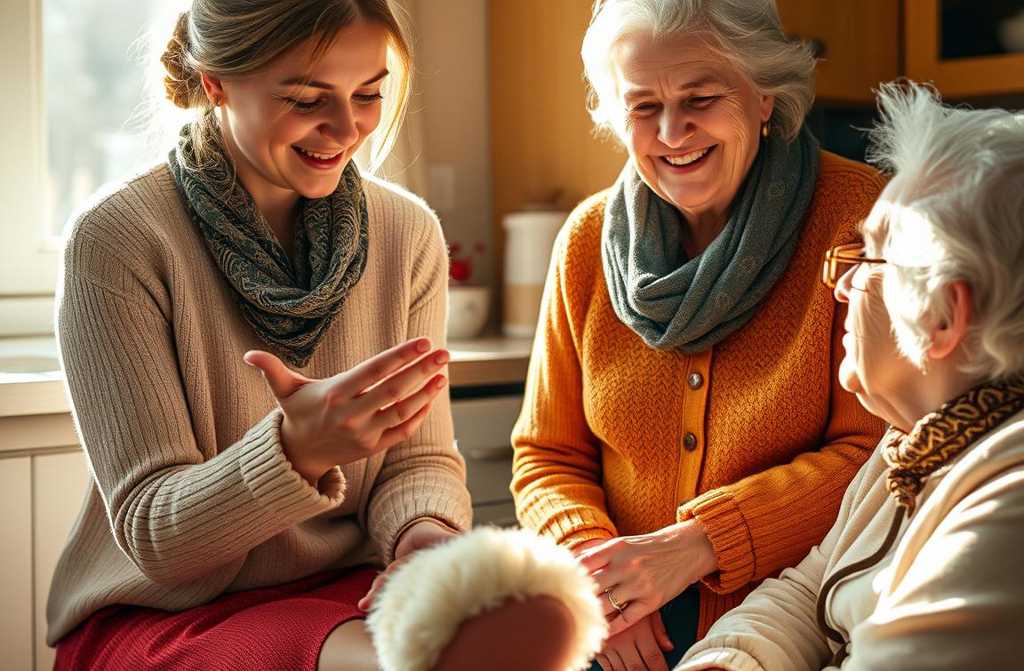
Their cheeks flushed, voices overlapping, wrinkles smoothing, backs straightening. Even their slippers, once battered, made less of a clatter.
Sophies not just clever, shes a beauty, Evelyn chattered while brewing tea. She refused help, insisting, Today we treat you. The conversation flowed without pause.
Emily felt a pang of anxietyWhat if the pressure spikes?but her heart swelled with genuine happiness for them.
A guests arrival lit the room; laughter rang like church bells. The table was set with a towering cake, chocolate truffles, slices of salami, smoked cod, blueveined Stilton and creamy Cheddar, bright juices, preserved pickles in square jars, and more oddities than Emily had ever seen. She winced, Sophie must have spent a fortune, not knowing we cant accept gifts from those we care for.
We understand, Evelyn said, eyes sparkling, its for you, Emilyour little treat. And may we have a tiny hat for the occasion? She raised her eyebrows, halfsmiling. Just for the kids, Emily thought, recalling Margarets diabetes.
Sophies parents had worked at the same steel plant, dying young. Margaret sighed, remembering them. Sophie, a shade younger than Margaret, was still healthy. What a beauty, generous and kindalmost too much! they cooed, blushing, pointing to a heap of clothing in the corner.
Perhaps there are grandmothers in there, Evelyn mused. Like magicians, they pulled out colorful garments: ripped denim kneesfashionable tears, not ageinduced; sturdy cardigans, looseshouldered sweaters, floorlength skirts, sleek cocktail dresses, glittery tees, a scarlet satin nightdress, and lowheeled slippers with fauxfur pompoms slightly stained. A denim jacket, windbreaker, long coat with a wide belt, knitted capsone with cat ears.
The pile grew, and the womens smiles strained to stay bright.
What is this? Margaret asked, bewildered.
Perhaps, Evelyn defended, Sophie didnt realise were unwell and oldfashioned.
Margaret shook her head sadly, Emily, maybe you know who could use this ragrich bounty? The clothes were fine, only mildly worn, but offering them required tact, lest they feel demeaned.
Throwing away someones leftovers isnt charity; its cruelty. Sometimes its kinder to walk past unnoticed than to drop a pile of unwanted fabric in front of a sick person.
Its a shame theres no proper gown, Evelyn sighed, gesturing at the faded stitches, tears welling. Emily felt a sharp sting of shame for the frail, beautiful Sophie.
These women rarely left home; Emily had escorted them out only a handful of times. In winter, navigating a fivestorey stairwell with a poststroke elder was a nightmare, especially for Margaret, whose multiple sclerosis made each step a battle. The fashionable jackets and hats felt absurd; what they truly needed were warm gowns, longsleeved shirts, sturdy slippersgrandmas woollen slippers that had become a cherished dream. Their feet were constantly cold; they also needed incontinence pads and more.
Wordless, Emily embraced them, smoothing their wispy silver hair, feeling the weight of the useless parcels in her arms. What use are these shoes for someone without feet? she thought.
Sophie returned twice more, each time unloading piles of used clothing, which the women stowed in the sofa out of necessity.
Finally Emily met Sophie properly. She was strikingwellkept, almost regal, a vision one rarely sees on the street. Emily, much younger, felt a flutter of nerves, but Sophie proved easygoing, loving conversation.
I never imagined it could be this bad, Sophie admitted, voice wavering, they told me how low theyve fallen. She paused, searching for words, Their husband once held a respectable post; we were on cloud nine.
She boasted, You think I had it easy? I earned every penny, bled for every pound. You think life was a breeze for me?
She recalled how Evelyn had once flung open every door with a flourish, now reduced to a shabby coat. I used to drive a work van, now Im in a threadbare gown. Id rather die than live like this, she confessed, eyes glinting with selfpity.
She lingered on her successes, two fortunate marriages, each a calculated alliancestill a job, she claimed.
Emily stayed silent, the criticism cutting deep.
Sophie then fixed her gaze on Emily: Youre young, but look so neglected. Let me call my salon friendshell give you a facial, mesotherapy, a discount. Im the receptionist, my schedules packed, but I can squeeze you in.
She straightened, Twentyfive percent off, maybe moremy friends will cover it. I can even find you something decent to wear.
Thanks, but no, Emily snapped, Buy Evelyn and Margaret warm gowns and grandmas slippers instead.
Slippers of what? Sophie asked, eyebrows arched.
Woollen ones, like grandmasnothing cheap. Their feet are always icy. We have socks, but the slippers are cozier.
Emily had wanted to buy them, but £3,000 was beyond her modest budget.
where could we get those? Sophie shrugged, I dont know.
And a proper TV, an audio player for books, fresh bedding, Emily added, dreaming.
Sophie grabbed Emilys hand, I get itEvelyns old, Mags is a bit older than me, why has she let herself go? In that gown and scarf, she looks ashen. Cant she dye her hair, get a haircut?
Emily lowered her eyes, She wears nappies because of incontinence, she whispered, Shes been searching for her son all her life, too weak for vanity, yet they fight disease daily, keeping the house upright. Why
Each spoke of their own woes, as if conversing in different tongues. A tense silence settled. Emily hurried away, unable to say goodbye properly.
You know, Sophie revived, I told the ladies in my village Im into charity work, and they offered to sort their wardrobes. Itll look like a lot, but theyll help.
Emily froze, stunned by the village womens generosity, halflaughing at the absurdity of the scenelike a lowbrow comedy playing out for real. Shed seen twisted ideas of charity before, but never watched someone pat themselves on the back for dumping trash on the needy.
Throwing away what you dont need isnt kindness; its heartless. Better to walk past unnoticed than to shove a pile of junk onto a suffering soul.
Emily felt a pang of guilt, thinking of the overfed world that spits out charity without asking whats truly required.
Sophie, buoyant, sang, In my village Im already old, surrounded by youths with flashy gearbuy this, buy that! Yesterday I gave Evelyn a gorgeous cardiganfar better than any cheap hospital gown. I buy my knitwear from Mr. MacDonald, paid £73 for a mistake in colour, now Ill sell it online. The neighbours will pay extra rather than help anyone else. This will be a brilliant New Years gift! Aunt Val knows her stuffI’ll find something for Mags too.
Emily muttered an old Ukrainian rhyme, Three gold pieces hidden? Sophie ignored it.
She quoted another, When you give alms, let your left hand not know what your right is doing.
Proud, Sophie snapped, Who gave you the right to speak to me like that? Youre taking too much on yourself! She jabbed her highheeled shoes on the pavement, stormed into a café.
A sleek black car pulled up; Sophie slipped into the back seat, smirking, Good heavens, how low the ungrateful have sunk.
Emily breathed out, Goodbye, and hurried to the bus. On the other side of town, a solitary elderly lady waited at the window, a reminder of the next case.
Sophie never returned to her neighbours. She harboured a grudge against Emily and the council, recounting the insult to every village mate and witchlike gossip. She believed shed given pure charity, only to be mocked by a social worker. She sobbed in secret, wishing for nothingno nappies, no gowns, no foul slippers. The thought of her own legs in woollen boots made her shudder.
Emily, however, scraped together the £2,000 needed and bought the woollen slippers for Evelyn and Margaret, even securing a modest grant for two warm gowns before Christmas.
And so the ungrateful world turned its back, yet Emily persisted, because sometimes the only way to fight a cold heart is to warm its feet.