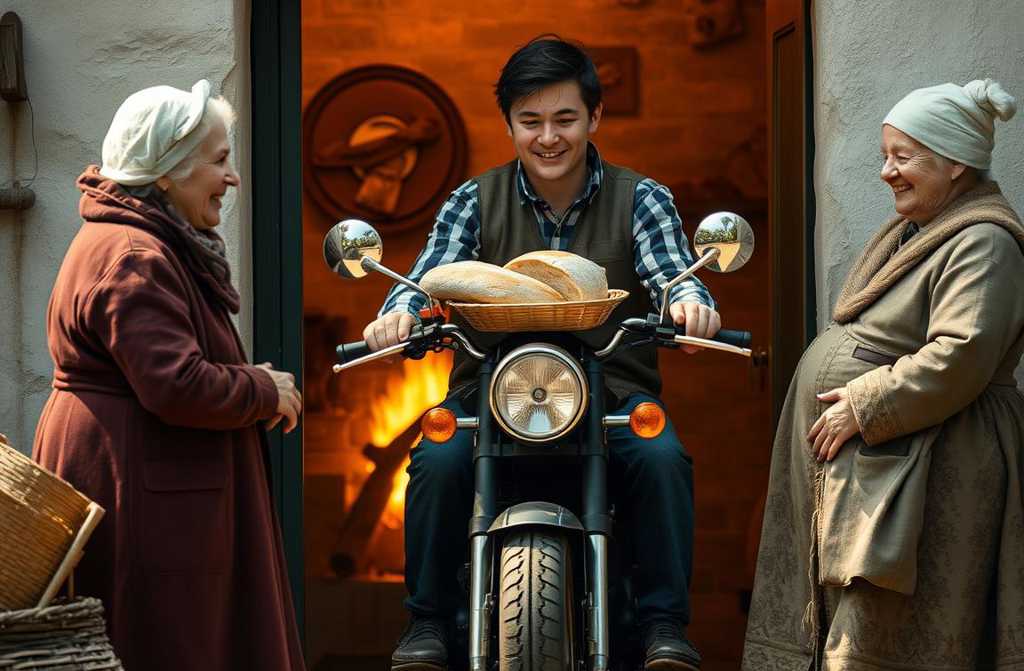
Two old women lived together in a weatherworn cottage on the edge of a Lincolnshire village. Their combined income was a meagre £170 a year. Margaret was eightysix; Edith was eightyfour. They were not relatives and had each owned a house once, but for the past fifteen years they had pooled their resources: fuel was half what it had been, food lasted longer, and they had someone to share a word with. Loneliness had begun to ring in their heads, and they found themselves talking to themselves. They settled in Ediths cottage because its walls were sturdier, while Margarets house and its outbuildings had been torn down for firewood. The heat from the stove kept them warm for five years, and they knew no want.
In their younger days they kept a small farm a goat and a few chickens but as the years passed it grew harder to tend it. By the second summer they could not work the garden, and by the end even keeping the fire alight became a struggle.
Once a week their grandson, Samuel a thirtyfiveyearold man from the town rode his motorbike to the cottage, bearing a large sack of bread, bagels, tea and sugar. Those staples sustained them; on rare occasions they boiled potatoes over a paraffin stove.
When Samuel arrived, both women burst into tears.
Dont make me cry, or Ill stop coming, Edith warned.
Enough, well keep quiet, they soothed him.
Samuel hurriedly unloaded the provisions, fetched water from the well, stacked firewood so that the women need only strike a match, and asked, Anything else you need? Ill be back in a week. Just tell me. He then bolted out of the cottage, his foot thumping the earth, revved the bike and was off.
Even the brief summer nights left them sleepless; they would lie quietly in the dark.
Cant sleep, Edith? Margaret asked.
No, Ive dozed off earlier, but now theres no rest in my eyes.
I cant sleep either What are you thinking about?
Everything.
And I think of the light beyond Whats it like? No one knows.
And never will they, Edith replied.
Their bodies grew frail, yet their minds worked with a clarity that sometimes seemed sharper than in youth perhaps because distance gave a clearer view, though memory did slip now and then and they would lose their train of thought. One night Margaret rose and began to dress.
What are you doing? Edith called.
Going home.
But your home is here!
No Im going home, home Margaret insisted, shaking her head. She reached the door, grabbed the latch, hesitated, turned back, stripped off her coat and lay down on the bed. Edith said nothing then or afterward, understanding that Margarets mind had taken a brief, harmless turn.
They refused to sink into longterm despondency. Edith, whose smile was as fixed as a dolls, would say, Listen to my foolish thoughts the world isnt devoid of good folk. Samuel brings us provisions, we have firewood, we live in our own home with warmth and light. We receive a pension. What more could we ask?
Your voice is still sweet. You have a grandson. I have none, Margaret replied. When my limbs fail, Ill end up in the workhouse.
Ill not abandon you. As long as I draw breath, Ill stay. Even the workhouse has people, after all.
Margarets words lifted her spirits; she looked around with brighter eyes, and Edith glowed with a gentle, joyous glow.
They talked of life as peers who had walked through the same era. Their children had gone off to war; Margaret had four sons, Edith two. Margarets husband died after a sudden stomach illness during haymaking; a farmer would never pause for such a malady, but he lay down by the stove, hoping to recover. Margaret hitchhiked a horse and a rattling cart to the infirmary, where doctors discovered a ruptured appendix.
One by one, Margarets four sons fell in the war. How could she endure such loss without breaking? After each telegram she fell unconscious, and the women of the village would pour water over her. Yet she rose each time, as if forged of some indestructible metal, living on to be eightyfive. Bitterness lingered in her heart, a constant grief.
Edith lost her husband and one son; another son returned, crippled but alive, settled in the town, married, and died at thirtyseven. Ediths daughterinlaw remarried, and Samuel spent more time with his grandmother. Comparing her fate with Margarets, Edith thanked God for mercy: her line was not cut at the root, she still had a grandson whose efforts kept them afloat, and his children now grew.
Tell me, dear, Edith would say, do we need much? A slice of bread and a cup of tea keep us fed all day. Is there anything you lack?
I need nothing, Margaret shook her head. Perhaps only Gods grace to send me home this summer.
The time will come; we shall all pass, Edith promised.
When the warm days arrived, the two old women, still in winter coats and shawls, would step outside, sit on a low wall, soak up the sun and breathe the scent of earth. Spring came countless times in their lives. Even under bright sunshine they felt the chill, yet spring still stirred something in them. Once the spring air meant renewal and childlike delight; later it spoke of longing, then fell silent, and finally whispered of decay.
They would sit for hours in the same pose hands resting on a walking stick, faces tilted toward the sun, eyes flickering only rarely. When a conversation was needed, their faces brightened, lips pursed.
The time will soon be for us to depart! one would remark. The weather is warm, flowers bloom, grass is green, birds sing.
Yes, the other agreed. The soil is as soft as down, easy to turn.
One summer morning Margaret felt a sudden unease. She sat a moment on the wall, then rose and shuffled to the cottage. Each step on the porch was a struggle; her hands, trembling like birds talons, clutched the wall as she made her way across the creaking floorboards and collapsed sideways onto the bed, a faint sigh escaping her.
Edith immediately sensed something wrong and followed her inside. Margarets face grew even more pallid, her eyes dimming. Edith understood that Margarets end was near and kept watch.
After a while Margaret tried to sit up, but she slid back onto the same side, then turned onto her back, wincing as she moved her head on the pillow. Edith came to her repeatedly, offering help; seeing she could do nothing, she simply sat nearby, observing.
As evening fell, Margarets breathing grew shallow. She opened her eyes, a faint smile touching her lips, but her heart beat only faintly. Edith stepped away, not wanting to disturb her peace. Margaret never woke again.
Edith, keeping vigil, heard only the soft rustle of Margarets last breath. She never expected such sudden strength; it was as if someone had lifted her from the cot and placed her beside the still form. Her own heart raced three or four times before ceasing forever.
Damn it! she shouted through the cottage. Whos left for me now?
She wailed, How could we have lived like sisters! She wondered when Samuel would return, whom she might punish but the night slipped by, and dawn found her exhausted, the house filled with nightbird song.
At sunrise the motorbike roared outside, and Ediths legs, suddenly spry, carried her onto the porch.
The angels have sent you here, Samuel, she said, Margaret has passed.
Samuels face turned white.
How shall I live alone now? Edith wept, sitting on the steps.
Dont think of that, Grandma. I wont leave you. Ill take you in for the winter.
May God send me home this summer.
Youre saying the same thing again! Samuel grumbled.
My dear, Im your kin, not your wifes. Ill be a stump in your family, a stumbling block if you wish.
Nothing more to argue about.
For two days Edith and Samuel bustled about, and Edith seemed to have a spring in her step she hadnt shown for years. She moved about the house, stoked the fire, cooked, as if a new spirit had entered her.
Now alone again, a deep melancholy seized her; she did not know what to do. After fifteen years of sharing a roof, the two women had become closer than blood, each seeing the other as a second self. Never had they quarreled without also defending one another. Both understood they lived only because they were together, and each feared solitary death.
Good for you! Youre all tidy! Margaret would tease Edith. And what of me?
Samuel visited often, almost daily, sometimes staying the night. He brought bagels and crisp crackers, which Edith dunked in tea and ate. Yet even her beloved snacks could not soothe her sorrow.
Midsummer, as Edith quietly tended the cottage, she heard Margarets voice clear as a bell:
Hey, old woman! Youve been sitting here too long!
Edith opened the porch doorno one was there. She walked around the house, nudged the weeds with a sticknothing hidden. Still the voice lingered, as if Margarets spirit had followed her. She must have come for me. She must miss me, Edith thought, and her limbs went limp. She shuffled to the cottage, opened the chest, withdrew a bundle of sewn clothes, placed it on the table, and lay on the bed.
She could not tell whether it was day or night, how many hours she lay thereperhaps a few, perhaps a full day or more. She felt life ebbing, but there was no pain, only a quiet relief. Brief, bright images flickered through her mind: herself as a threeyearold girl in a meadow with her grandmother; her husband in a crisp white shirt; her children; the rhythm of worksowing, reaping, hammering iron in the forgeso steady it could make one dance. She smelled straw, hay, linseed oil. Her life seemed both endless and fleeting in a single breath.
When Samuel returned on his motorbike, he found his grandmother lifeless, his head dropping onto the table beside the bundle, and he wept loudly.





