Happiness loves quiet
There lived in Littleford a woman called Margaret Whitaker. Everyone called her Mrs. Whitaker, though that wasnt really her name. She worked in the village library. A quiet, almost invisible sort, like the shade of a birch at high noon. She was just over forty, and still lived alone. She wasnt unattractive big grey eyes, a braid tinged with silver as thick as a wrist, but life had never quite fallen into place for her.
Sometimes shed drop by my little clinic to have her blood pressure checked. Shed perch on the edge of a stool, hands folded on her knees, looking as taut as a stretched string.
Whats the matter, Margaret? Is your heart playing tricks? Id ask.
No, Mr. Bennett, shed reply, eyes halfclosed. Just a little tired. New books arrived and Ive been sorting them
I could see it wasnt the books that wore her out, but the emptiness of her home. Others had children, grandchildren, sometimes a boozy husband, but she only had Tom the cat and a few geraniums on the windowsill. A melancholy flickered in her gaze, a quiet hopelessness that made my own heart ache.
Then, as it sometimes does, life turned a page.
A man named George Hargreaves arrived in the village. He was a sturdy, fortysomething fellow who had bought a crumbling cottage on the outskirts. Hed come from the North, spoke little, and let his deeds do the talking. His hands were, Ill tell you, as steady as gold. In a month he had patched the old house up so well it looked almost new new decorative trim, a fresh porch, a repaired fence.
We village folk are nosy by nature, so we all wondered who he was, why hed come, whether he had a family. He kept to himself, buying bread at the shop with a simple thank you, nodding and moving on.
Soon the women started noticing that George was a frequent visitor to the library. Sometimes hed take a gardening book, other times hed leaf through a magazine. And then, as if by magic, Margarets gate the one that hadnt moved in five years swung smoothly without a squeak, and the leaky roof over her woodstove was covered with new slate.
No one saw any secret pact. One evening I walked past Margarets cottage and saw a warm light glowing in the windows. Through the curtains I could just make out two silhouettes sitting at a table, sharing tea. The sight was so comforting I caught myself whispering a prayer under my breath: God bless them.
Margaret seemed to bloom. They say love makes a woman more radiant than any cosmetics. She didnt start dressing up, but she stood straighter, her eyes sparkled, a shy smile appeared, as if shed discovered a secret no one else could share. She came to me for vitamins, yet she glowed as if shed swallowed a lantern.
Hows the pressure? I asked.
To the moon, Mr. Bennett! she laughed. I sleep well and my head doesnt ache.
I just nodded and smiled. The best medicine isnt bought in a pharmacy its a caring husbands gentle touch.
They lived quietly together. George never sold his cottage; he turned part of it into a workshop. They walked hand in hand, unhurried, worked side by side in the garden he lugged heavy buckets, she brought out cold cider and dabbed his forehead with a towel. Watching them was pure tenderness.
In our village, when someone is happy, we feel compelled to dissect the story, offer advice, and fawn over it.
One of our most outspoken residents was Helen Parker, a loudmouthed, meddling woman who ran the local community club. She believed the village couldnt function without her.
One day she burst into my clinic, cheeks flushed, eyes alight, a scarf askew.
Bennett! Have you heard? Margarets getting married!
I calmly sifted through patient cards and replied, And what of it? A good thing, I suppose.
What do you mean and what of it? Helen snapped, waving her hands. We must plan a wedding! Shes fifty, a perfect occasion! Ive already drafted a program a band from the district, tables set outside, the whole village invited! Let them know were celebrating!
I looked at her and thought, She has energy, but its misdirected.
Helen, I said gently, did you ask Margaret and George what they want? Maybe they dont need a band. Maybe they just want peace.
Come off it, Bennett! A wedding is a onceinalifetime event! Ill throw them a party theyll never forget! Shes shy, she wont speak up, so Ill do it for her!
And so Helen set the wheels in motion. She raised money, ordered a case of champagne, rehearsed songs with the club. Margaret knew nothing at first. When she finally learned
She came to me a couple of days later, eyes red, hands trembling, pulling at her coat.
Mr. Bennett, please give me something from the heart. My chest is pounding so hard I cant breathe.
I sat her down, offered water with a sprig of mint.
What happened? Did George offend you?
No! she cried, scared. Its just Helen came and said we must have a village wedding, with an accordion, funny contests, the whole lot. George is a quiet man; he cant stand noise. When he found out, he disappeared into his workshop and stayed silent. Im terrified hell run off because of this fuss. We just wanted to live quietly, why all this?
I felt my heart tighten. People think happiness is fireworks, loud cheers, a hundred toasts. For people like Margaret and George, happiness is a shared silence, a cup of tea by lamplight, a hand in anothers.
Calm down, love, I said, patting her shoulder. No one is forcing you. If you dont want a wedding, there wont be one.
She sobbed, But Helens already ordered food and invited guests. Declining would hurt everyone. Theyll say Im being selfish.
That fear of what neighbours think breaks many lives.
The next morning I went to the shop and saw Helen at the counter, loudly rehearsing verses about George fixing fences, promising laughs that would split stomachs. People nodded, smiled. George stood in line for nails, his face a stone mask, jaw clenched. He looked as if a beast had been trapped in a cage and was being prodded to dance.
I slipped my elbow gently around his arm.
George, come see me later for that back ointment you asked for.
He gave a short nod, eyes flashing with a trapped pain, like a wild animal forced to perform.
That evening I gathered my medical bag, threw on a coat and went to Helens house, ready for a hard conversation.
Helen greeted me cheerfully, table set.
Ah, Bennett! Come in, tell me how much whisky to buy so the men wont overdrink but still have fun.
I sat, pushed my cup aside.
Helen, we need to talk, I said firmly.
She fell silent, sensing my tone.
Whats the matter? Has anyone died?
No one yet. But if you dont calm this wedding plan, youll bury someones happiness.
Her eyes widened.
What? Im doing this for them!
Youre doing this for yourself, Helen. You crave noise, excitement, a stir. They crave peace. Understand? Margaret and George are like a pair of birds nesting in a quiet wood. If you scare them, theyll fly away forever.
She scoffed, Theyll get shy and stay hidden. At least well have a memory!
Memory of forcing them into something they hate? I asked, meeting her gaze. Do you remember your own wedding? How your mother made you dance while your tooth ached? How you wept in the barn?
Helens bravado cracked. She lowered her gaze, fiddling with the tablecloth.
Yes, I remember. It was just how its always done
Whats always? Who decides that? I pressed. Let them have what they need quiet. Its the most valuable gift you could give them.
We talked long into the night. The tea went cold, Helen argued, then fell silent, watching the rain begin. Finally she sighed:
So what now? Cancel the band? What about the food?
Leave the food for the village feast on the next holiday. Let the band play at the club instead. Find another excuse. Youre clever, youll manage.
I left as darkness fell, stepping over puddles, wondering if shed listen or if pride would win.
Saturday arrived the day Helen had marked as the wedding of the century. The village was still, no music, no shouting. I stepped onto my porch, listened to the hush, only the rooster crowing and cows lowing.
Around noon I went to check on Margaret. The gate was shut, curtains drawn, a deep silence as if no one were home. I didnt knock.
Then I heard faint voices behind the garden wall. I peered through the fence.
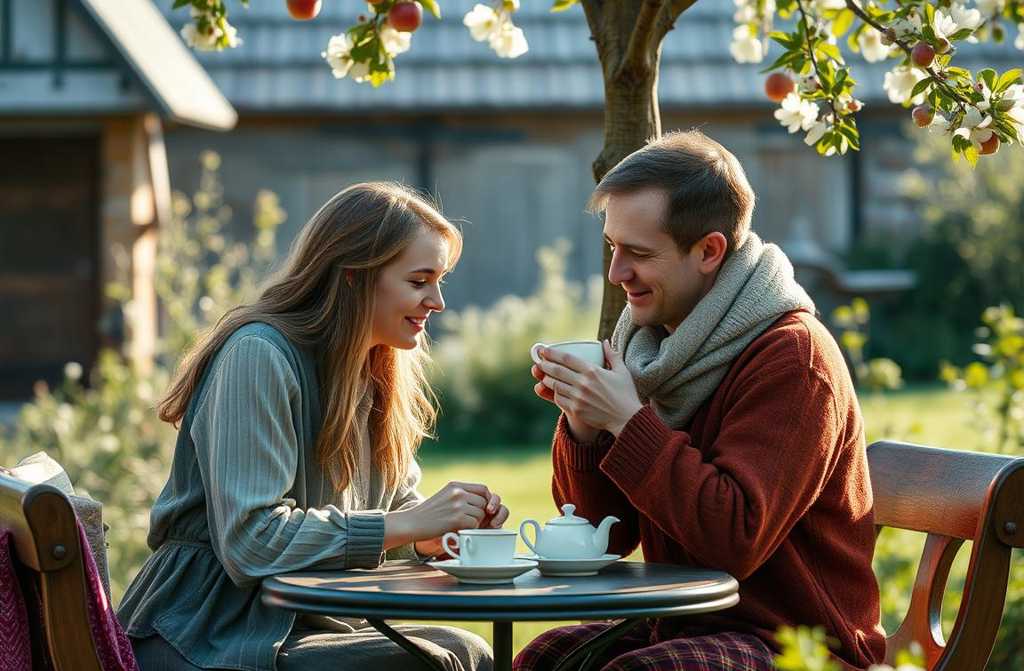
Under an old apple tree they sat. George had set a small table, laid a plain white cloth, a samovar steaming. Margaret wore a new skyblue dress, cheeks flushed, beautiful beyond words. George was on his knees, sliding a thin gold band onto her finger. No guests, no I do shouts, no drunken toasts just the rustle of leaves, the buzz of bees, a soft whisper of wind. He kissed each finger, she stroked his grey hair. The tenderness was so pure it made my throat tighten. I slipped away unnoticed.
That evening Helen popped into my clinic with a cabbage pie.
Well, Bennett, Ive decided not to bother them, she said, eyes hiding something. I told the club the youngsters were ill, so the partys off.
Thank you, Helen, I replied sincerely. Youve done more than any grand feast could have.
She waved it off, but I saw the satisfaction on her face. Let them be, theyre not sociable.
Three years have passed since then. Margaret and George live as one. Georges workshop now receives orders from the whole county frames, doors, all sorts of carpentry. Margaret still works in the library, but now she leaves promptly at closing, eager to get home.
Ive noticed theyve become alike calm, bright, walking side by side, his hand steady on her elbow as if it were an anchor. They speak little, yet you can hear their conversation without words.
Whenever I drop by, the house smells of fresh baking and wood shavings. George greets me with a grin, offers a cup of homemade honeysweet tea.
Try this, Arthur, he says, its my own maple honey.
Margaret sits nearby, shoulder against his, a look of contentment that only the truly happy know.
Just the other day I saw Helen standing by the fence, chatting with Margaret, handing her a packet of tomato seedlings.
Take these, Margaret, Bullheart variety your kids will love them, Helen said.
Thank you, Helen, Margaret replied, smiling.
Helen added, Im sorry for the wedding fuss. I see now how you live, peacefully. Its right.
Margaret waved her hand, Alls well, Aunt Helen. Forget it.
That simple exchange warmed my heart. I realised even the most boisterous soul can have a kind centre. Happiness isnt in showy displays or proving yourself to neighbours.
Now I sit with my tea, thinking: how much energy do we waste trying to prove were happy, successful, proper in others eyes?
What do you think, dear friends? Should we shout about our joy, or keep it safe, tucked away from prying eyes?
If you enjoy my tales, drop by the channel, have a cuppa, and stay for a story or two. The kettles always on, and Ive got a hundred years worth of quiet happiness to share. Take care of yourselves and your own peaceful bliss.





