Fate
The day had gone awry.
Such things happened, Andrew knew, but it still wore him down. He pondered life. What had he achieved? Nearing forty, hed finished school, served in the military, and settled into a routine. He had a flat, a wife, two children, and an old car that ferried him to a tiresome allotment where there was always workdigging beds, weeding, carting soil, mowing grass. The roof sagged, the fence leaned, the house creaked.
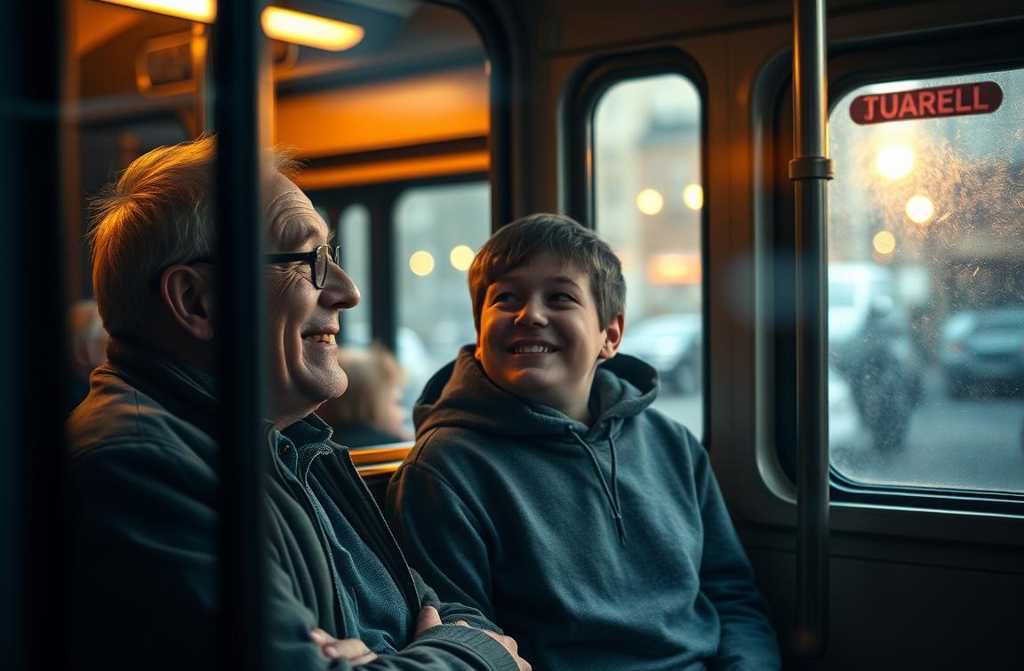
The tram rattled like an old tin can as it swayed along the tracks. Andrew sat by the window, watching the streetlights flicker into life, forming a glowing chain in the dusk. He thought about his existence. By all accounts, it was ordinaryfamily, job, the allotment, paydays, the children, his parents, the in-laws. Weekends meant football and a pint after a stint in the shed. Holidays and birthdays passed in the same familiar circle.
Yet, a quiet discontent gnawed at him. Life had grown stale, too safe, too predictable. He realised he had always been the steady one, the agreeable onewalking the path laid out for him without question.
What if he could start anew?
His mind drifted to Emily, his first love. He remembered their walks, hand in hand, their dreams, that first dizzying kiss. A lump rose in his throat, and he wiped his eyes.
How different things might have been.
Emilybright, lively, always laughing. Hed been heartbroken when they parted. Then came Margaret, the opposite of Emilysolid, dependable. With her, everything was measured, practical. Romance waited until marriage. A bouquet plucked from the park? Foolish. What if someone saw?
Soon after the wedding, she called his parents “Mum and Dad.” She slipped effortlessly into domestic life, the perfect daughter-in-lawkind, capable, sensible.
But was this what hed wanted?
Hed been afraid then. Afraid to take the leap. And Emilyshed vanished, married someone else, so they said.
The tram jolted to a stop. Passengers spilled out, others shuffled in. Andrew pushed toward the rear. He rarely took public transport these days, preferring his own car, battered though it was.
Then he heard ita voice, bright and familiar.
“Andy, hold still, wont you?”
He turned, scanning the crowd. Tired faces stared blankly or peered into the dark beyond the windows. A stout woman gripped the hand of a boy of about ten, who fidgeted, eager to speak.
“Mum, did you know”
“Andy, behave.”
“But I want to tell you now!”
“Later.”
“At home, youll cook, then listen to Annie go on about her admirers, then Slavas university tales. Then you and Dad will talk about the stupid allotment. What about me? Why was I born last? Even my names rubbish.”
“Dont be silly. Its a lovely name.”
“Oh yes. Andy Pandy, fell off his bike, tore his trousersthats what they chant at school!”
An elderly woman in a red beret leaned in. “You ought to listen, dear. One day, he wont want to talk to you at all.”
The mother huffed, then glanced at Andrew. For a second, their eyes met. She looked away, bending to her son. “Go on, then. But quietly.”
The boy chattered excitedly.
And then it struck him. This was Emily. Of course it was.
So this was the life he might have had. That could have been his son ignored, his evenings spent discussing the allotment.
But would he have been happier? She hadnt even recognised him. To her, he was just another face on the tram.
A weight lifted. His days with Margaret, the children, even the allotmentthey didnt seem so dull now. The fishing trips with his father-in-law, the quiet eveningsMargaret always listened.
His life was good.
Funny, how the car breaking down had led him here. A minor fix, reallyhe and the lads would sort it in two evenings. Without it, he might never have realised how much he had.
As the tram slowed, Andrew edged toward the exit. He paused beside Emily and the boy, leaned down, and whispered something. The boys eyes widened, then crinkled with laughter.
Andrew stepped off into the night.
“What did he say?” Emily asked.
“That man? He taught me how to answer the name-callers.”
“How?”
“If Im a sparrow, youre a starlingall squawk, no song.”
She stiffened. “He always had a sharp tongue.”
“You know him?”
“Of course not. Dont be silly.”
Emily sank into a seat, pulling her son close. The tram rolled on, nearly empty now. Her husband hadnt been able to fetch them today. Lately, shed been restless, dissatisfied, wondering how life might have been had she waited for Andrew.
And now fate had thrown them together.
But the man she saw was unremarkablefortyish, a hint of a belly, thinning hair. The magic had faded.
“Andy,” she said suddenly, “fancy baking a cake tonight?”
The boy beamed. “Chocolate?”
“Chocolate it is.”
“Yesss!”
“Shh!”
Andyher husbands choice, named for his grandfather. A good name, shed thought.
Andrew ducked into a florist near home, just closing. Three white carnations lay on the counter.
“How much?”
The shopkeeper scowled. “Were done for the day.”
“These?”
“Take them.”
“I cant justheres a quid.”
“Keep your money. Theyre past it. Waitlet me wrap them.”
“Dont bother.”
At home, he handed the flowers to Margaret. Instead of scolding, she smiled softly.
“Whats this?”
“Just felt like it.”
That evening, as he lay on the sofa, he heard her on the phone in the hall, voice hushed.
“Mine brought me flowers today. Always been a romantic, that one. The rain began to patter against the windowpane, soft and steady. Andrew closed his eyes, the days weight settling into something lighter, almost gentle. He thought of trams and choices, of roads not taken, and smiled to himself. The house creaked again, familiar and warm. Somewhere, a kettle whistled, and the scent of chocolate drifted in from the kitchen. He didnt need a second chance. He already had everything.