Summers Threshold
Emily sat by her kitchen window, watching the evening sun slide across the wet pavement beyond her garden. The earlier rain had left smudged streaks on the glass, but she didnt open itthe flat was thick with warm, dusty air, tinged with the distant hum of the city outside. At forty-four, people expected her to talk about grandchildren, not about becoming a mother for the first time. Yet here she was, after years of doubt and stifled hope, finally ready to speak seriously with a doctor about IVF.
Her husband, William, set a cup of tea on the table and sat beside her. Hed grown used to her measured, deliberate words, the way she chose them carefully to avoid brushing against his own unspoken fears. “Are you really ready?” he asked when Emily first voiced her thoughts about a late pregnancy. She noddednot immediately, but after a pause that held all her past disappointments and unspoken dread. William didnt argue. He took her hand in silence, and she felt ithe was afraid too.
Emilys mother lived with thema woman of strict principles, to whom the natural order of things mattered more than personal desires. At dinner, her mother said nothing at first, then finally spoke: “Women your age dont take such risks.” The words hung between them like a weight, returning in the quiet of their bedroom long after.
Her sister, calling less often from another town, offered dry support: “Its your choice.” Only her niece sent a message that warmed her more than any adults words ever could: “Aunt Emily, this is amazing! Youre so brave!”
The first visit to the clinic was a blur of peeling corridors and the sharp tang of disinfectant. Summer was just taking hold, and the afternoon light softened even the sterile waiting room outside the fertility specialists door. The doctor studied Emilys file carefully. “Why now?” she askeda question that would follow Emily everywhere, from the nurse drawing blood to an old acquaintance on a park bench.
Emily answered differently each time. Sometimes she said, “Because theres still a chance.” Sometimes she just shrugged or smiled vaguely. Beneath her decision lay years of quiet longing, of convincing herself it wasnt too late. She filled forms, endured testsdoctors didnt hide their skepticism. Statistics werent kind to women her age.
At home, life carried on. William stayed close through every step, though his nerves matched hers. Her mother grew sharp before each appointment, warning her not to hope too much. But at dinner, shed sometimes bring Emily unsweetened tea or fruither way of showing concern.
The first weeks of pregnancy passed as if under glass. Every day was shadowed by the fear of losing this fragile beginning. The doctor monitored her closelyweekly blood tests, scans, long waits among younger women in the clinic.
Nurses eyes lingered on her date of birth a beat too long. Strangers murmured, “Isnt she afraid?” Emily never replied. Inside, something hardeneda weary stubbornness.
Then, suddenly, complications. One evening, a sharp pain sent her rushing to hospital. The maternity ward was stifling even at night, the window rarely opened for fear of heat and midges. The staff eyed her warily; whispers about “age-related risks” trailed behind her.
Doctors spoke plainly: “Well monitor closely.” Once, a young midwife muttered, “Shouldnt you be reading books by now?” before turning away.
Days dragged in anxious limbo. Nights were broken by hushed calls to William and sparse messages from her sisteradvice to rest, not to worry. Her mother visited rarely; seeing her daughter helpless was too much.
Discussions with doctors grew heavier. Each new symptom meant more tests, another hospital stay. One argument with Williams relatives ended bluntly: “This is our choice.”
Summer pressed hot against the ward windows. Outside, children played in the hospital gardens. Sometimes Emily caught herself remembering a time when pregnancy hadnt meant fearwhen youth made everything seem possible.
As the due date neared, tension coiled tighter. Every kick felt like a miracle or a warning. Her phone never left her side; William texted hourly reassurances.
Labour came early, late one evening. Calm gave way to urgent voices, to the gnawing sense of control slipping away. Doctors moved briskly; William waited outside the theatre, praying as desperately as he had before exams in his student days.
Emily barely remembered her sons birthjust the blur of voices, the sting of antiseptic, the damp mop by the door. The baby was small, whisked away for checks without explanation.
When they said he needed intensive care, fear crashed over her so violently she could hardly call William. The night stretched endlessly; the open window offered no relief, just summers heavy breath against the ward walls.
Somewhere beyond, a siren wailed. Shadows of trees swayed under hospital lights. In that moment, Emily admitted to herselfthere was no going back.
Morning brought no respite, only waiting. She woke in the stuffy ward, dawn seeping through the curtains. Outside, fluff from the trees clung to the sill. Footsteps passed in the corridortired, familiar. She felt separate from it all, her body weak, her mind fixed on the room where her son breathed with machines help.
William arrived early. He sat close, his voice rough with sleeplessness: “No change yet.” Her mother called at sunrise, her tone uncharacteristically gentle: “How are you holding up?” The honest answer: barely.
Waiting became the days only purpose. Nurses came seldom; their glances were brief, pitying. William talked of ordinary thingslast summers holiday, their nieces newsbut conversation always dwindled. Words felt hollow against the unknown.
At midday, the ICU doctor camea bearded man with weary eyes. “Stable,” he said softly. “Progress is slow, but positive.” For the first time in days, Emily drew a full breath. William straightened in his chair; her mother sobbed quietly down the phone.
That afternoon, the family rallied. Her sister sent photos of tiny booties; her niece wrote pages of encouragement. Even her mother texteduncharacteristically”Proud of you.” The words felt strange, as if meant for someone else.
Emily let herself relax a fraction. Sunlight striped the ward floor, stretching toward the door. Around her, others waited toofor results, for news. Only here, waiting meant something more.
William brought fresh clothes and his mothers homemade biscuits. They ate in silence, taste dulled by dread. When the ICU called, Emily cradled the phone like a lifeline.
“Improving,” the doctor said. The baby was breathing stronger on his own. William smileda fragile, hopeful thing.
The day passed between calls and quiet talks. The window stayed open; cut grass and distant clatter of trays drifted in.
Evening came. The doctors footsteps echoed before his voice. “He can leave intensive care.” Emily heard the words as if underwater. William stood first, gripping her hand.
A nurse led them to the postnatal unitsterile, sweet with milk formula. Their son was brought to them, free of tubes at last. Seeing him, Emily felt a surge of fragile joy tangled with fearhis hand so small she feared to touch it.
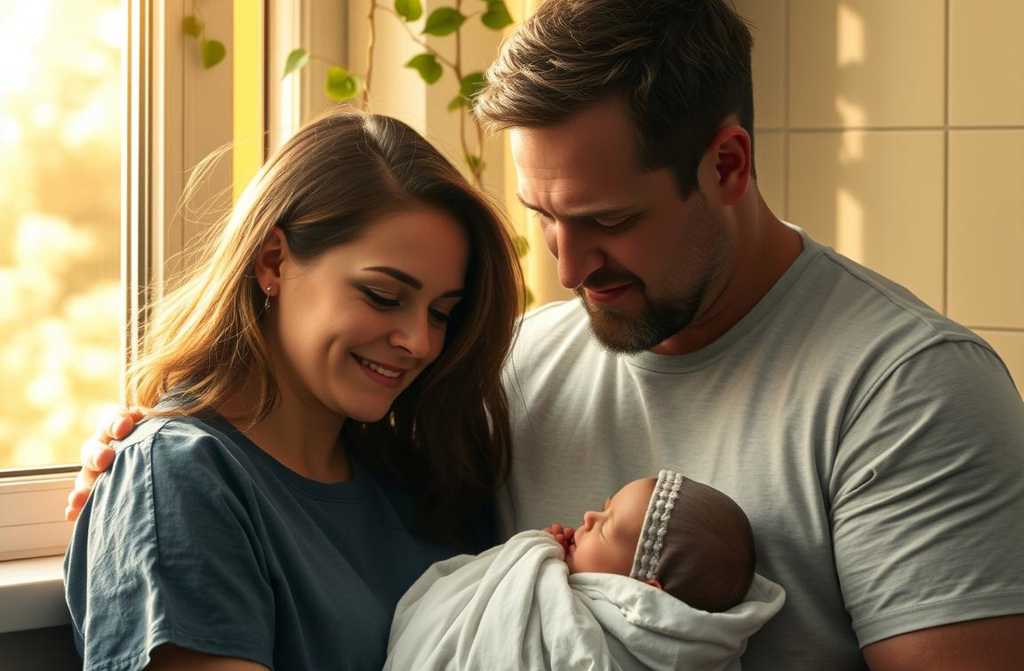
When they placed him in her arms, he was impossibly light, his eyes barely open from exhaustion. William leaned close. “Look” His voice tremblednot with fear now, but something like awe.
The nurses smiled warmly now, their earlier scepticism gone. Another woman in the ward murmured, “Youll be alright.” For the first time, it didnt sound like empty comfort.
In the hours that followed, the family drew close in ways they never had before. William held his son longer than hed ever held anything. Emilys mother arrived on the first bus, her rigid routines forgotten. Her sister called relentlessly for updatesevery sigh, every nap.
Emily felt a strength shed only read aboutin the curve of her sons head beneath her palm, in Williams steady gaze across the ward.
Days later, they were allowed into the hospital garden. Sunlight dappled the paths under the lime trees; younger mothers passed by, laughing or crying, unaware of the battles fought inside these walls.
Emily stood by a bench, her son in her arms, Williams shoulder solid behind her. This, she realised, was their new foundationnot just for the three of them, but for all of them. Fear had given way to hard-won joy; solitude had melted into shared breath, carried on the July wind through the open ward window.





