Personal Boundaries
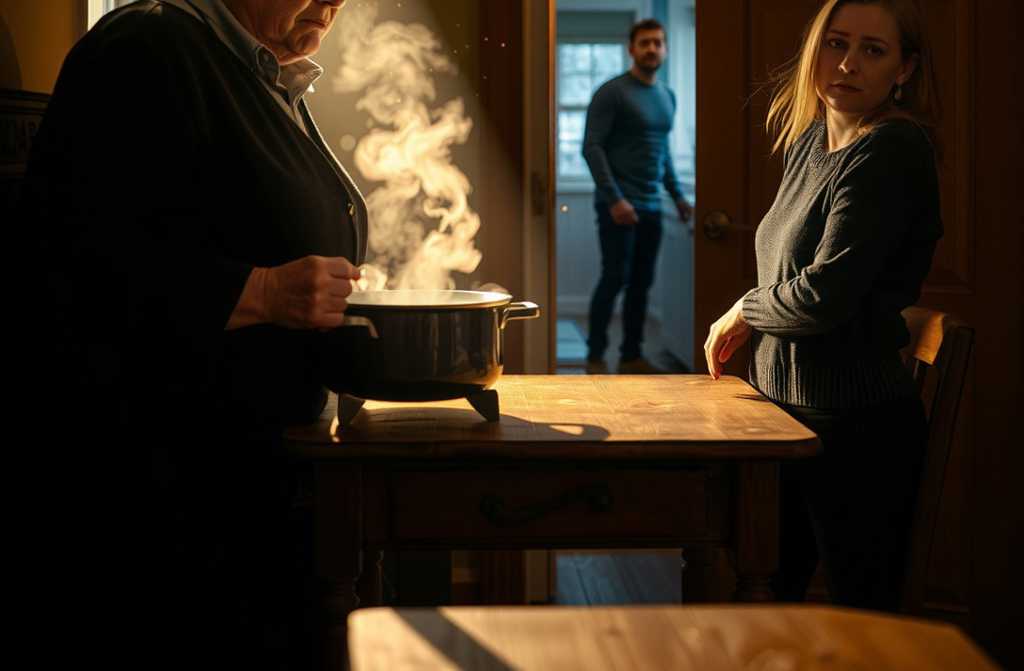
Go on, Jamie darling, eat up! Dont be shy. Youre at work all day, you must be living off sandwiches, poor thing, Mary Benson pushes another homemade sausage onto her sons plate, steaming hot and glistening in the kitchen light.
I sit quietly at the table, nursing my now cold tea, watching the scene unfold. Thats the third sausage. In a single sitting. And thats after hes already had a plate of mash, two slices of crusty bread and a cucumber salad. Jamie glances at me, guilty, but his fork is already rising.
Mum, honestly, Im full, he murmurs, not sounding convinced.
Full? You! Have you seen yourself lately? All skin and bones! Abi, are you not feeding him at home anymore? Mary turns to me; in her voice theres no anger, just puzzlement, a note of genuine concern.
Skin and bones. I glance at Jamies shirt, stretched a bit tight across his belly, at his breathlessness after three flights of stairs (lifts broken again), and how he often complains his side hurts after dinner. Weve been together eight years now. When we met, Jamie was a medium. He barely fits an extra-large these days.
Mary, we do try to eat a bit less fatty, you know, for the sake of his health, I say, smiling, keeping it light, as if offering more tea, not explaining common sense.
Health! She throws up her hands, her gold wedding band catching the light. All this health obsession thats what makes men ill these days! My late Arthur, God rest him, had sausages for forty years, never complained, lived till seventy, and he was never sick a day in his life!
I dont mention Arthur died of a heart attack. It would be cruel. Mary Bensons world is already laid out in her mind: sausages mean love, care, The Right Way To Do Things, and talk of cholesterol and veg is just city nonsense dreamt up by people whove never lived a real life.
Mum worked hard, Abi, Jamie says quietly and tucks into the third sausage.
I get up to wash the dishes, needing a reason not to say anything sharp. The water is hot, steam swirling, and in that mist I keep replaying the same thought: how did our Sunday eveningsonce our safe haven after a long weekturn into this ritual we cant escape?
Mary Benson comes every Sunday. Bang on six. With a big pot of sausages. Sometimes a pie. Sometimes a vat of stew. Rings the bell, walks straight in (No need for fuss!), kisses Jamie on the cheek, nods at me, puts her bags down, and starts setting the tableeven if weve already eaten.
What do you survive on, these rabbit foods of yours? shell mutter, unpacking her Tupperware. A man needs meat if hes going to get through the week!
The first year of marriage, I tried to resist. Told her wed eaten, that I cooked, that we had our own routine. Mary pretended not to hear, or replied, But, love, just in case Jamie gets hungry! Jamie would nod along and tuck in. I was angrier with him than her; she was on autopilot, but he was actively choosing the path of least resistance.
Once Jamie tried to talk to her on the phone, with me whispering phrases beside him: Mum, maybe dont bring so much each week? It goes off before we can eat it all
Goes off? Put it in the fridge. Freeze it! Are you alright, love? Are you ill? Are you angry with me? Panic, instantly. Jamie, as always, caved.
No, Mum, honestly, its all lovely. Thank you, really.
And so she came, and came, and came.
I noticed the more I tried to steer our food towards the healthy, the fiercer Mary became with her sausages. It was like a silent war, the prize being Jamiewhats on his plate, whats in his belly, his very right to choose.
Once I bought a book on mindful eating. It said food is not just fuel, its about relationships, love, even control. Reading about family patterns, I realised: Marys sausages are all shes got left. Her last way of being needed. Her last language of love.
Shes sixty-three, retired three years ago after forty years as the accountant at the local clinic. All her life she solved peoples problems, balanced books, answered questions. Then one day someone says, Thank you, youre done now. And shes alone, in her three-bed flat on the edge of Reading, each wall echoing with memories of Arthur, gone five years, and Jamie, grown and gone.
I tried to understand Mary, I really did. But every Sunday the understanding shattered: the fried smell soaking into the curtains, Jamies heaviness after dinner, his excuses when I suggest a walk. Im worn out, Abi, another time.
Another time never came. Because next Sunday, it all started again.
One autumn, sitting in a café with my friend Lisa (getting divorced, moaning about her ex and the flat), she suddenly paused, looked at me carefully.
Abi, you look dreadful. Whats up?
I stirred my cappuccino, though the sugar had long ago dissolved.
Oh, you know, just tired.
From work?
From everything.
And out I spilled the truth: the sausages, the Sundays, Jamie caught in the middle, Mary who never hears a word I say. Lisa nodded, listened. Tell her where to stick it. Or let Jamie sort it. Seriously.
I cant.
Why not?
I didnt know. Was it because I felt sorry for an old woman clutching the last thing she had? Because I didnt want to fall out with Jamie? Or because I was just too tired for another row?
I just cant, I said, honestly.
Lisa sighed, finished her coffee. My mum had a mother-in-law like that. Came every week with tubs of food. Mum put up with it for twenty years. The day she died, my mum only regretted one thing: not telling her to bog off sooner. Life went by, and they never lived for themselves.
Those words stuck, a splinter under my skin. Would that be us? Twenty years of patience, then just regret? But how do you turn away someone who truly thinks theyre doing good? Whose only crime is loving in the wrong way?
Jamie, truth be told, saw no issue. For him it was normal. Childhood was grandmas scones, mums sausage rolls, plates loaded high, the phrase No leaving till youve cleaned your plate. He grew up believing that love means calories, a good wife feeds her man till he groans. I tried to explain things have changed, that we live in town, sit all day, rarely move much, that bodies cant take this volume of food anymore. He nodded, agreed, yet every Sunday he put away three sausages and a big wedge of cake Mary just happened to pick up in Sainsburys.
Jamie, dont you care about yourself even a bit? I snapped one evening.
We were in bed; I was reading, he scrolled his phone. The clock on the walla wedding present from his folkstick-tocked on. Jamie put down his phone, turned to me.
Abi, what do you want? Tell Mum not to visit at all? Say her foods not wanted?
Dont exaggerate! Just say we can cope. That youre not a kid. That you have a wife who cooks.
She means well.
And so do I! My voice cracked, though I hadnt meant to shout. I make breakfast, pack your lunchbox, cook dinners, try to keep things interesting, healthy. Then she shows up and it feels like none of it matters. Like I dont exist!
Jamie went quiet for a while, then said, Shes lonely, Abi.
Im lonely too, I replied. When you pick her over me.
He sighed, cuddled me close, kissed my hair.
Im not picking anyone. Shes my mum. You know?
I knew. Thats why I said nothing more.
Winter came early that year. By November snow clung to the Reading streets, slushy and never clearing. Mary Benson still came every Sunday, now wrapped in an old sheepskin coat smelling of mothballs, carrying her pot, bundled in a faded towel. She complained about the cold, about the buses, about the price of things, but never let Jamie book her a cab or pick her up.
I can manage, Jamie. Im not in the ground yet, shed say, then slip in, Well, of course, my back hurts, legs are all swollen these days
She never says this to the room; she says it to Jamie, gaze loaded with the silent need: prove I matter, remember me, without me youd fall apart. And Jamie, naturally, rises to it. He calls her daily, offers to do her shopping, check her meter, fetch her parcels. She always says noshe doesn’t need shopping. She needs her son to eat her sausages. Thats the only way she knows to say, Im still your mum, youre still my boy.
One December day, snow swirling outside, cosy in our lounge, Im baking fish and vegetablesa light supper, since Jamies stomach still hurts three days running. He sits on the sofa, holding his side, wincing.
Jamie, maybe you should see a doctor? I ask, slicing peppers.
Oh, Ill be fine, he shrugs. Just ate something dodgy.
Three sausages on Sunday, I think, but say nothing.
The dinner is nice. The fish tender, veg crunchy, I even make a yoghurt and lemon sauce. Jamie eats, praises, but I can see hes still uncomfortable. Later, sprawled on the couch side by side, silence heavy in the roomthe kind that builds up month after month.
Abi, he says all at once. I know its hard for you. With Mum. But I dont know what to do.
I look at himgrey-faced, dark circles under his eyes. Hes totally lost. To him, its an impossible equation.
Maybe we should try something different, I suggest softly.
Like what?
I dont know. But we cant keep on like this. Youre not well. Im not well. Maybe even shes not well, but she wont admit it.
Jamie closes his eyes, sighs. Lets try.
The next morning, Monday, I book him a doctors appointment, no debate: 6pm tomorrow, Dr. Hargrave. Shes good, I checked. Jamie doesnt protestmaybe because the pain hasnt stopped, maybe hes just tired of arguing.
We go together. I wait in the corridor, reading leaflets: Eat well, Live Well. Obvious truths we all ignore. Later, Dr. Hargrave calls me ina plump woman in a white coat and glasses.
Youre Jamies wife? she checks.
Yes.
Come in, please.
Jamie sits pale, clutching his printout. Dr. Hargrave looks at me seriously.
Your husbands got chronic gastritis. Cholesterols up. Bloods arent great. We need to sort his dietless fat, fried food, spice. More veg, pulses, lean meat or fish. Several small meals a day.
I nod like its news, though I know it all by heart. Jamie says nothing.
Jamie, youre thirty-eight, Dr. Hargrave says sharply, Carry on like this, youll collect a wardrobe of illnesses by fifty. Want to see retirement healthy? Take some responsibility.
We leave in silence. Outside, wet pavements gleam under the Reading lamps, snow mashed into slush. Jamies hands are deep in his pockets. At our door he stops.
Abi, he says, Ill tell Mum.
Tell her what?
That this food isnt allowed. Doctors orders.
My chest tightens. Not with joy. With pity. For him, fearing to upset his mum more than for himself. For Mary, wholl hear it as a condemnation. For me, being pushed to need a doctors orders to take care of my spouse.
Alright, I say. Tell her.
He calls her Wednesday night. Im in the kitchen, pretending to wash up but listening hard.
Mum, bit of news, Jamie says, his voice strained. I went to the doctor. Turns out I’ve got gastritis. Need a new diet.
Long pause. Then Marys sharp, anxious voice:
Gastritis? My dear, are you very ill? Back in hospital?
No Mum, its not that bad. I just have to eat right. No fat, no fry-ups.
Another pause. I picture Mary in her kitchen, clutching the phone, trying to digest this.
Oh, so she put you up to this.
She?
That wife of yoursAbi. Starved you with her salads and chicken fillets, now blames me!
Jamie glances at me, flustered. I grip the dish cloth, furious, but stay put.
Mum, this is what the doctor said.
Doctors! she snorts. Theyll say anything. I cooked for your father forty years, he lived long enough, didn’t he?
Till his first heart attack, I think, but again, remain silent.
Mum, please, I dont feel well. I dont want it to get worse.
So, you dont want me to come over anymore? There are tears in her voice now, and it stings to hear it, even for me.
No, Mum, you can still come. Just maybe cook something different? Or just visit for company, not bring so much food?
So what, Ive wasted my time all these years? Every Sunday sausages, up and down the shops for good mince, cant sleep half the night, all to make you fresh food, and you
She doesnt finish. Just hangs up.
Jamie stands holding the phone, bewildered, guilty. I wrap my arms around him.
You did well, I say. Honestly.
Shes upset, he mutters.
Shell cope. She just needs time.
But time makes little difference. Next Sunday Mary doesnt come. Or phone. Jamie rings her himself, but she answers rarely, brisk, Im busy, Ill call back, never does.
Abi, maybe we should go see her, Jamie suggests after two weeks.
You go, I say. You need to sort things out.
He goes alone Saturday. Comes home three hours later, subdued. Says she cried, said hes betrayed her, that Ive turned him against her, that she gave him her whole life and now he tells her her food is poison.
What did you say? I ask.
Nothing. What could I say?
We drink tea in the silent flat, snow blustering outside, Reading twinkling with Christmas lights. Despite the decorations, everything in here feels empty.
Jamie, I say, I never wanted to come between you and your mum. But I cant live like before.
He rubs his face.
I know. I cant either.
So what now?
I dont know, Abi. Really.
January brings a cold snap. Minus eight, wind biting, pavements slick. Mary still wont visit. Jamie calls daily, sometimes she answers, sometimes not. One day he drops by without warning. She doesn’t answer the door, though he sees her lights on.
I feel monstrous. Though Ive done nothing wrong. I just want my husband healthy. I want our family respected. But in Marys eyes, Im the villain who pulled her son away, poisoned him against her, gutted her life of meaning.
Late January, I get a call from an unknown number. Its Marys neighbour, Sarah Dodds.
Sorry to bother you. Im worried. Marys not herselfbarely speaks, hasnt been out shopping. I brought her some soup, she barely opened the door. Could you check on her?
I take her number, thank her, hang up. I slump on the sofa, hands to my face. Is this what comes of standing my ground? Mary, alone, not eating, not leaving the house. Is it my fault? Or isnt it?
I tell Jamie. He rushes over, returns late, exhausted, more at peace.
She looks awful, he says. Lost weight, pale, says she cant be bothered anymore.
Doctor?
She wont go. Says its just age.
I have no idea what to say. But Jamie asks, Abi, what if what if we try it differently? Not push her away, but stop her ruling everything?
How do you mean?
Like, invite her just for tea. Or something to keep her busy, so shes not just thinking about food.
I look at Jamie, and see him growing, right before my eyes. For the first time in months, hes not pleasing everyonehes searching for a solution. Hesitant, unsure if it will workbut at least hes trying.
Lets try, I agree.
Early February, I phone Mary myself. Take a deep breath, ring, nearly hang up when she finally answers.
Hello? Her voice is thin, almost listless.
Mary, its Abi. Morning.
Silence. I hear her breathing, a clock ticking in the background.
What do you want? she asks, no anger, only tiredness.
Id like Id like to visit. Just me. Can I?
Whats there to say? Its all been said.
Please. I really need to see you. Just me, not Jamie.
Another pause, then a sigh.
Alright. But warn me first. Ill tidy up.
I go Saturday morning. Pick up a box of salted caramel fudge and a bunch of chrysanthemums from the town centre stall. Bus for an hour, a snowy walk through Readings greying estates.
Mary opens the door slowly, fiddling with the locks and chain. She looks ten years older than a month ago. Thinner, careworn, hair unstyled. Shes in a faded housecoat and slippers.
Come in, she says, stepping aside.
I give her the flowers and fudge. She says nothing, dumps the flowers in the kitchen sink, the fudge on the side, unopened.
Tea? she asks softly. I nod.
We sit in the kitchen, sipping sweet, strong tea from old china. A wipe-clean tablecloth with strawberries, geraniums on the sill, childrens voices outside in the snow.
Mary, I begin, voice quivering. I dont want us to be at war anymore.
She lifts grey, tired eyes to me.
A war? Its over. You won. Youve taken my son.
I havent taken him. I married him. Theres a difference.
Not to me, she says curtly. I raised him alone, his father died when he was fifteen. Two jobsjust so he could go to university, always looked after him. Then you, and thats that. He only listens to you.
I put my cup down, meet her gaze.
Mary, he loves you. Very much. But hes a grown man now, he needs his own life.
So Im just surplus? She laughs bitterly. Just say it.
No. I try to sound firm. Youre not surplus. But you cant be boss here. Not over your sons family. You can be part of things, be nearby, visit, call. But not dictate our life.
She spins her spoon in her tea, silent. Her fingers tremble.
Does this make me a bad mother? Did I spoil everything?
No, I whisper. Youve been wonderful. Jamies a good man because of you. But now, you need tojust a littlelet go.
Mary turns to the window. Her shoulders shake, she bites her lip, holding back tears. Its so sad Im nearly undone too.
So what do I do now? Im old. Alone. No job, no husband, my sons grown. Am I just waiting to die?
I kneel beside her, take her hand, cold and veined.
Mary, youre sixty-three, thats not old. People are discovering new things these days. Maybe try a hobby?
A hobby? She snorts. I worked and raised Jamie. No time for hobbies.
But now you have some time. Maybe take a class? Theres a gardening club at your local librarypeople meet, swap seeds and stories.
I dont have a garden, she says bleakly.
Maybe something elsestitching, knitting, baking?
Shes quiet, then, Im good at baking. Pies, cakes. Arthur loved my apple sponge. I did one every Saturday.
There you go! I brighten. There are cookery clubs, even here. Youll learn new recipes, meet people.
Interest flashes in her eyes. Where?
Ill find out, give you the details.
We chat more, sort the flowers, talk about the neighbour, Sarah. The conversations awkward, brittle, but at least its happening.
As I leave, Mary helps me with my coat.
Drop by again, if you want, she blurts.
I will, I promise.
On the train home I cryquietly, hoping no one notices. Out of relief, exhaustion, sorrow for a woman who spent her life on others and now faces emptiness. I realise: sausages arent the point. Sausages are how she holds onto Jamie, the last thread binding her to when things were certain and she was needed.
At home, I tell Jamie everything. He hugs me.
Thank you.
For what?
For trying to understand. For not giving up.
I find a local cookery class at the Reading community centre, call, text her the details. She doesnt reply. I think its for nothing. But a week later Jamie says, Mums joined. She liked the first sessiona French pear cake. Shes going next week with two ladies from the estate.
February slides into March. Mary calls less, her stories change. She talks of baking classes, the teacher liking her meringue, her new friends plans to visit the Botanic Gardens.
Not doing sausages any more, Mum? Jamie teases on the phone.
Now and then, Mary answers. For myself. Pies are just as good. The ladies love them.
Mary doesnt stay long that Sunday she finally returnsan hour, chat, tea. She says shes off to meet the girls and watch a film. We see her to the door, Jamie helps with her new coat.
Come again, Jamie says.
I will. Ill ring first, so you dont have to change plans for me.
When shes gone, I lean against the wall and exhale. Jamie hugs me.
So, its working?
I dont know, I say honestly. Maybe.
April brings the thaw. Mary visits every few weeks, sometimes with a pie, other times just for tea. She joins the gardening club, though she still doesnt have a plot. She tells us about peoples tomatoes and flowers, says shes learning a lot.
Once she calls Jamie for helpnot for food, not money. To lift an old wardrobe for a lady at the gardening club. He spends a whole day there and comes home tired but content.
Mum knows everyone now, he says. Shes so lively. Its strange.
Not strange, I think. Just becoming herselfmore than a mum with too many sausages.
There are slips, of course. One May Sunday she brings a full pot of sausages.
I know you dont need these, but I made them anyway. Eat them, bin them I dont mind.
Jamie takes one sausage. Just one. Thats enough.
Mary smiles. No debate.
Summer comes. Mary spends two weeks at her new friends allotment, calls daily about the strawberries, evenings drinking tea on the deck.
Shes happy, Jamie says, after a call.
Yes. For the first time in ages.
Jamies lost five kilos, the gastritis better, bloods are up. He swims most evenings. I lose the constant tension that had sat between my shoulders for months. Were a couple again, not a battleground between wife and mother.
I know its delicatea truce, not peace. At any moment things could tip. Mary will always be Jamies mum, and hell always be her little boy somewhere. Ill never be fully one of the family. But weve learnt to live with it. Not win, but survive. Pick our battles, give way on the small things, hold the line for what matters.
One evening in late August, on our balcony watching the sunset, Jamie asks, Abi, do you regret marrying me?
I turn to him, surprised.
No, why?
Wellwith all this. Mum, sausages, arguments. It must be hard.
It has been. But no.
Why not?
I think, watching the sky turn pink. I married you, not your mum. And youre worth the challenge.
He squeezes my hand. Thanksfor not giving up.
A week later, Mary calls. Shes anxious.
Jamie dear, could you pop by tomorrow? The hallway lights gone, and the tap leaks. Youre so good with your hands.
Jamie goes. Comes home looking pensive.
So, fixed the light? I ask.
And the tap. Then she asked me to help clear out the top cupboards. Shes wanted to do that for ages.
He sighs. Shes so lonely, Abi. I got home and realisedshes happy, but shes still sad. We cant fill all her life.
I take his hand. We can call her more, visit when we can. But she has her own life now tooclasses, friends. Thats good.
Yes, he agrees. Theres relief in his voice.
We start inviting Mary more regularly, once every couple of weeks for tea and a chat, sometimes a film. She brings a pie now and then, or apples, or nothing at all. Sometimes she talks, sometimes just sits with us, and its enough. Were not friends, her and I, but were not enemies anymore.
Eighteen months later, its September, leaves yellowing. This Sunday, Mary brings a bag of apples from her friends allotment.
Thought youd maybe do a nice compote or pie, she says. Cant be bothered myself, Ive got classes, you know.
We sit in the kitchen, sunlight slanting through the blinds. Mary complains about her knees, the price of food. Jamie listens, promises to book her to see her GP.
Fancy helping me move a cupboard at the weekend? she asks. I want a change round the flat.
Well come together, I say, and Mary nods.
When shes gone, were silent for a moment. Jamie wraps his arms around me.
You tired? he asks.
A bit. But a good tired. Not like before.
Hows that?
Just normal. Tired from family, not tired from fighting family.
The apples sit on the floor, red and fragrant. I say, Ill bake her a pie. Well take it when we help with the cupboard.
Jamie grins, Shell be chuffed.
We sit in companionable quiet as evening creeps in. I reflect: life isnt a neat story with a happy ending. Its stumbling on, navigating between what we want for ourselves and what others need from us; between love and overwhelm.
Mary still phones most days. Still brings us something tastythese days a pie, not sausages. Still thinks she knows whats best for her son. I still get frustrated and wish shed let us be. But I see an old woman, frightened to be irrelevant, whos always lived for others and doesnt know how to live for herself. Who loves her son too much, and sometimes its suffocating, but she knows no other way.
I learn to accept hernot to love, maybe never, but to respect, to see the person behind the battles.
Jamie goes to the window, looks out at the street.
Abi, next weekend, after we help with Mums stuff, fancy a walk round her park? Havent been in ages.
Love to, I say.
He smiles, You know, I think were getting there. Slowly. But we are.
I nod. Its not perfection, but its truth. We didnt defeat our problem, we just learnt to live with it. And maybe thats the best we can do.
Because to win means someone loses. Weve learnt not to break each other, just to endure together. In a world that often wants to control in the name of love, our compromise is enough.
I go to Jamie, rest my head on his shoulder.
Shall we go help her tomorrow, not wait for the weekend? She did say her knees hurt, and shes been waiting ages.
He smiles and kisses the top of my head.
Alright then. Well go.
We stand at the window in our kitchen, no longer thick with the smell of Sunday fry-ups, but sometimes sweet with apple pie and cinnamon. Somewhere in Reading, Mary sits in her armchair, perhaps also looking out at dusk, thinking of us.
And I dont know what the future holds. Whether well have strength to keep this up, or if itll all come crashing back, if sausages will again appear every week. I only know that tonight, with Jamies arms around me and the soft dark settling outside, there is a kind of peace.
Not happiness. But peace. And thats enough.
Jamie, I say, head on his shoulder. Do you remember how we met?
He laughs, Of course. At Toms party. You were on the balcony, pretending to smoke.
And you came out and asked if you could join me.
And you said there was plenty of room.
We remember quietly. Nine years ago it was all so simple. I liked him, he liked me, we got together, got married. No one warned me that with a husband comes his mother, his past, his habits, his anxieties. That marriage is a web of ties and in-law expectations.
If youd known all this, would you have come to that balcony? I ask.
Jamie pauses. I think so. And would you have said yes to the space?
I smile into his jumper. I think I would.
His phone buzzes. He checks it.
Its Mum. She says, Home safe, thanks for the tea.
He goes to reply, but I take the phone.
Let me.
He looks surprised but hands it over. I write: Mary, thank you for coming. See you tomorrow for the cupboard. Abi.
A minute later, she replies, Alright, love. Ill make some stew. Come by after six.
I look at Jamie and sigh. Stew. She cant help herself.
What did she say? Jamie asks.
Shes making us stew.
He looks apologetic.
Shall I tell her not to?
No. Let her. Well eat a bowl, say thank you. There are bigger battles.
Really?
Really.
Ive learnt to pick which hills to die on. Stew isnt one of them. A Sunday full of fatty sausages iscontrolling our lives, yes. But a bowl of stew? Thats just stew.
We go to bed late. Jamie drifts off, I lie awake in the dark, thinking. Of tomorrows trip, of the apples, of what the next visit may bring. Perhaps nothing will ever be perfect. But we are trying. And, flawed as it is, thats enough.
In the morning, Im woken by the smell of coffee and Jamie bustling in the kitchen. I get up, barefoot in an old t-shirt, and sit at the kitchen table.
Morning, he grins, setting down scrambled eggs.
Morning, love.
We eat in silence, each thinking our own thoughts. After he leaves for work, I have a day off. Emails gape at me, but I cant focus. I think of last night, the apples, Marys call.
Lisa rings.
How are things? Its been ages.
All right. Work, you know. Usual stuff.
And with the mother-in-law?
I pause. Its better. Much better. Weve found some sort of balance.
Really? Shes stopped with the sausages?
Now its pies, I laugh. And apples. She brought a bucket yesterday.
Thats progress, isnt it? She chuckles. You know, I realised my mum was the opposite. When I married, she stepped right back, didnt call, never visited. I thought she didnt care. But actually, she was just scared of intruding. She thought she was doing the right thing, but I took it as indifference.
I listen, thinking: love takes so many odd forms. Mary overwhelmed, Lisas mum withdrew. Both meant well. Both got it wrong. Because loving is a craft toobeing there, but not crowding; caring, not controlling; letting go, not walking away.
Did you tell her? I ask.
I did, recently. We both cried. Now she visits more. Its good.
Im glad, Lisa. Really.
Afterwards, I stand at the window, watching Reading in drizzle. How many others live this story? How many wives clash with mothers-in-law over the right to their own family? How many sons are caught in the middle?
Theres no perfect answer. We all just try for balance.
That night, Jamie and I drive to Marys. We take tools, and I bring the apple pie I made in the afternoon. Rain, traffic, slow progress. I watch the wet city, wonderingshould I have said we couldnt come? Said we were tired, another night?
But we go. Because it matters to her.
Mary opens the door bright and readynew dress, lipstick, a nervous smile.
Come in, come in, youll catch your death out there! She whisks our coats away.
The flat smells of stew and fresh baking. The table is all laidbowls, bread, sour cream.
Mary, you neednt have made so much, I say gently.
Oh, its nothing, love, she brushes it off, but she clearly spent hours.
We eat her stewrich, proper, old-fashionedshe watches us carefully and beams when Jamie has seconds.
Afterwards, we get stuck into the furniture. Not just moving but dismantling and reassembling, because she wants a complete change. Jamie unscrews the shelves, I pass parts, Mary fusses with dusters and tools.
Long overdue, this freshen up, she says. Same old for years. I wanted a change.
Its midnight before we finish. The cupboard sits proud in its new home; the room feels new. Mary is delighted.
Thank you, both of you. Youve no ideaId never have managed.
Its nothing, Mum, Jamie says, mopping his brow.
We take a leftover tub of stew, and I hug her goodbye. She hugs me back, briefly and awkward but real.
Thank you, Abi. For not giving up on me.
Im too moved to reply.
In the car, Jamie is quiet.
She works so hard, doesn’t she? he says. She must have spent all day getting ready for us.
Yes. She did.
Shes lonely, Abi. Very lonely.
I know.
Should we go more? Invite her more?
I look across at him, face lined in the citys amber light.
Jamie, we cant be her entire life. Thats not fair on any of us. But we can do our bit. Shes building her own life nowclasses, people. That matters too.
He sighs, I suppose youre right.
I dont know if I am. Im just trying to keep us all afloat, not hating each other.
At home, we go to bed silently. I lie awake, listening to Jamies breath, thinking of Mary in her flat, probably sleepless, hoping well come again.
I dont know if well have energy for this forever. Maybe one day shell be ill and need us truly. Maybe well get tired, or life will get busier. But this night, arms around Jamie, I know one thing: weve tried. Weve tried to understand, to adapt, to accept. It isnt perfect. But its real.
In the morning, Jamie strokes my hair, whispering, Love you, Abi. Thank you for sticking with it. With me.
I turn, palm on his chest. I love you too.
Despite the food battles, the rows, the exhaustion. Despite Mary, who will always hover between us somewhere. I love him. And that is enough.
In Reading, dawn is just breaking as another Monday begins. Somewhere, Mary is already up, making tea, looking at her new cupboard, a small smile on her lips. Maybe shell call, maybe shell wait a day. Maybe next Sunday shell bring a pie, or maybe just herself.
And Ill welcome her. Maybe not warmly, but genuinely. Because shes part of our story now. The never-ending skirmish, not won or lost, but survived.
Together.