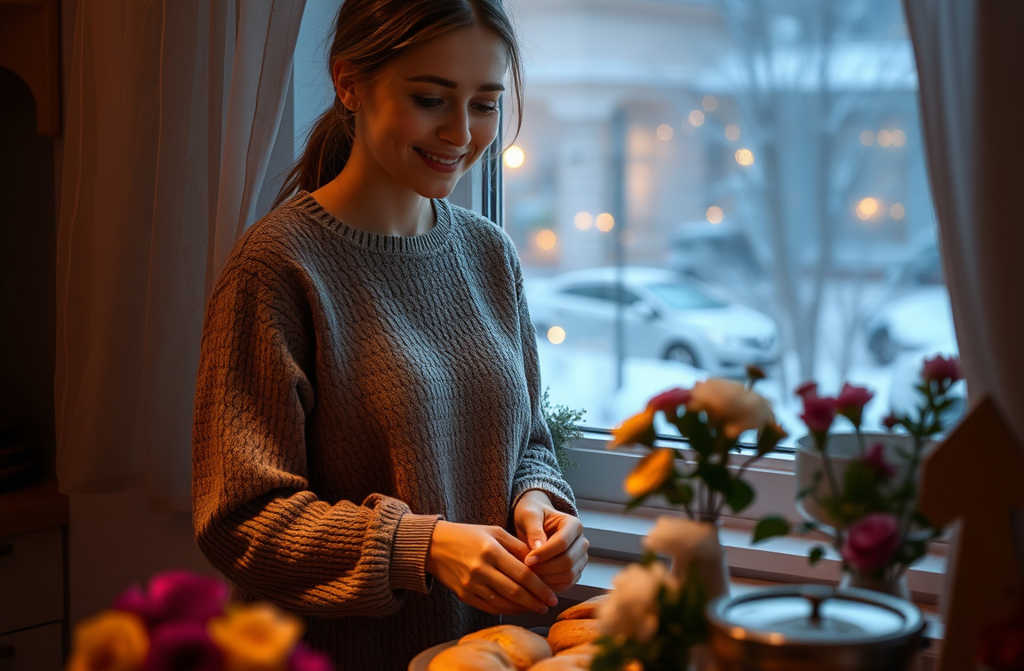
He Didn’t Message Yesterday morning, Kate turned her phone up to full volume. Just in case. Even though, deep down, she knew: he wouldn’t message. The feeling hovered, heavy as the air before a downpour—thick, inescapable, storm-bound. Still, she checked the sound again. Hope is like an old scar: it aches, but never really fades. Kate swept her hair into a messy bun—the kind that looks tangled on purpose, beautiful without trying. She slipped on her dark green coat—the one he once said made her look like an autumn forest. She’d barely worn it since, but today, she pulled it from the back of the closet. Painted her lips—crimson. Far too bright for a morning stroll to the chemist and bakery. The chemist was crowded. Someone wheezed in the corner, another argued about pricing, someone else just waited, shifting from foot to foot. The air hung with herbs and something sharp, clinical. Kate picked up the vitamins he’d once recommended, years ago, when they still had coffee together each morning. She turned the box in her hands, reading the fine print. Best before next autumn. As if even time inside this box counted down its last months. At the bakery, all was as usual: the lad behind the counter with a tattoo on his wrist, the scent of freshly baked bread and cinnamon, gentle music crackling from an old speaker. Kate bought a raspberry croissant—the one he once called “the taste of morning,” smiling as he brushed crumbs from his chin. She bought two. One for tea at home, like before, when things seemed simpler. The other… for no real reason. Just to have. Like a small fragment of the past you might tuck into your pocket. Back home, she paused at the door. The flat was silent—heavier than dust settling on old books. The air unmoving, as if afraid to stir. Her phone lay face down on the windowsill, as though ashamed to meet her eyes. No messages. No calls. It was as if the world passed by, forgetting her entirely. As if she herself was fading, dissolving into the pale morning light. Kate put the kettle on, eased off her coat slowly—as though she might disturb the hush. She lined her boots by the door, straightened her collar on the rack. She switched on the old radio—a newsreader spoke of traffic, then snowstorms, then an art exhibition at the local gallery. Everything sounded muffled, underwater. She sipped her tea—burning hot, but she swallowed without flinching. Leaning against the cold windowpane, she watched the street below. Snow fell—tiny, sharp flakes, settling on umbrellas, scarves, tarmac, only to vanish. A young father in a navy parka adjusted his son’s hat with a gentle steadiness earned by years. Elderly couples passed, arm in arm, their hands fused by decades. Some hurried, slipping on icy pavements, some laughed into their phones, some paused at shopfronts sparkling with Christmas lights. Life bustled—loud, living, indifferent. Passing her by. Like a train already departed while she stood on the platform, unable to leap aboard. He didn’t message. But she swept the floor, even though there was barely any dust. Rang her aunt—listened to tales of the allotment, the neighbour, a new pie recipe. Watered her ancient cactus, checking it for yellowing patches. Finally booked that doctor’s appointment she’d put off for months. Checked her bills—all paid, but ticked them off in her planner anyway. Washed the blanket, added extra fabric softener so the flat would smell warmer, more alive. That evening, she turned on every light in the house. Not out of fear of the darkness—just to make the place glow. The windows lit up, reflected in the glossy pavement below, quietly saying: Someone is here. There is life here. Kate caught her own reflection in the glass and thought, “He didn’t message. But I’m still here.” Not defiant, not apologetic—a gentle truth. Like lighting a candle, not for anyone else, but for yourself. To remember: you’re still here.

He Didnt Write

Yesterday morning, Emily turned her phone up to full volumejust in case. Though deep down, she knew: he wouldnt write. The feeling was heavy, like sensing rain before it fallsslow, inevitable, pressing in upon the air before a storm. Still, she switched the ringer on. Hope is like an old scar: it aches, but it never quite lets go. Emily twisted her hair into a messy bun, with that careful nonchalance meant to look effortless yet lovely. She put on her dark green coatthe one hed once said made her look like an autumn woodland. Shed hardly worn it since, but pulled it from the wardrobe today. She brushed a bold red across her lipsfar too bright for a morning walk to the chemist and bakery.

The chemist was bustling. Someone coughed hoarsely in one corner, someone else quarrelled over the cost of medicine, others lingered in silence, shifting their weight from foot to foot. The air smelt of herbs and something sharp and clinical. Emily picked up vitaminsthe very ones hed suggested three years ago, back when they still had coffee together each morning. She held the box, studying the tiny text. Best before next autumn. Even here, time seemed to be counting down its final few months.

The bakery was just the same as always: the lad with the wrist tattoo behind the counter, the smell of fresh bread and cinnamon, soft music crackling from an old radio. Emily bought a raspberry croissantthe same kind he once called the taste of morning, grinning as he brushed crumbs from his chin. She took two. One for tea at home, like in the days when everything felt simpler. The other just to have. A small piece of the past, something she could slip into her coat pocket.

Back home, she paused. The flat was still, heavy with the sort of silence that settles on old paperbacks. The air barely moved; it seemed afraid to disturb her. Her phone lay face down on the windowsill, as if ashamed to meet her eyes. No messages. No calls. As if the world had hurried by, failing to notice her at allas though she was becoming a shadow dissolving in the grey London morning.

Emily filled the kettle, slipped off her coatslowly, as if frightened to startle the hush. She set her boots carefully by the door, straightened the collar on the hook. She turned on the old wirelesssome presenter muttered about traffic jams, then the coming snow, then an exhibition at the local gallery. Everything sounded muffled, as if underwater. She sipped her teathe heat scalded her tongue, but she swallowed it anyway. She moved to the window, pressed her forehead to the cold glass.

Outside, snow was fallingfine and sharp, gathering on umbrellas, scarves, and paving stones before melting at once. A young father, wearing a navy parka, gently tugged his sons hat down over his ears with a care that comes only with years. Elderly couples walked arm-in-arm, as if their hands had fused over decades of togetherness. Some people hurried, sliding over icy patches on the pavement. Others laughed into their phones. A few paused to marvel at twinkling fairy lights in shop displays. Life bustled onbrash, busy, and indifferent. Passing right by her. Like a train that swept out of the station before she found the courage to board.

He didnt write.

But Emily fetched the broom and swept the floor, though there was hardly any dust. She rang her auntlistened to stories about the allotment, the neighbour, a new cake recipe. She watered her ancient cactus, checking for any yellowing patches. She booked an appointment with the GPa small thing, but one shed been putting off for months. She checked her billseverything was up to date, but she ticked it off in her diary anyway. She washed her blanket, adding a bit more fabric softener to make the flat smell of something warm, something alive.

That evening, she switched on the lights in every room. Not because she feared the dark, but because it made the place feel lived-inthe windows glowing, reflecting in the rain-soaked pavement, as if to whisper: someone is here. There is life within.

Emily caught her own reflection in the window and thought, He didnt write. But I am here. Not an excuse, nor a challengejust a quiet truth. Like a candle lit not for anyone else, but for yourself. To remember: you are still here.


Rate article
Add a comment

;-) :| :x :twisted: :smile: :shock: :sad: :roll: :razz: :oops: :o :mrgreen: :lol: :idea: :grin: :evil: :cry: :cool: :arrow: :???: :?: :!:

He Didn’t Message Yesterday morning, Kate turned her phone up to full volume. Just in case. Even though, deep down, she knew: he wouldn’t message. The feeling hovered, heavy as the air before a downpour—thick, inescapable, storm-bound. Still, she checked the sound again. Hope is like an old scar: it aches, but never really fades. Kate swept her hair into a messy bun—the kind that looks tangled on purpose, beautiful without trying. She slipped on her dark green coat—the one he once said made her look like an autumn forest. She’d barely worn it since, but today, she pulled it from the back of the closet. Painted her lips—crimson. Far too bright for a morning stroll to the chemist and bakery. The chemist was crowded. Someone wheezed in the corner, another argued about pricing, someone else just waited, shifting from foot to foot. The air hung with herbs and something sharp, clinical. Kate picked up the vitamins he’d once recommended, years ago, when they still had coffee together each morning. She turned the box in her hands, reading the fine print. Best before next autumn. As if even time inside this box counted down its last months. At the bakery, all was as usual: the lad behind the counter with a tattoo on his wrist, the scent of freshly baked bread and cinnamon, gentle music crackling from an old speaker. Kate bought a raspberry croissant—the one he once called “the taste of morning,” smiling as he brushed crumbs from his chin. She bought two. One for tea at home, like before, when things seemed simpler. The other… for no real reason. Just to have. Like a small fragment of the past you might tuck into your pocket. Back home, she paused at the door. The flat was silent—heavier than dust settling on old books. The air unmoving, as if afraid to stir. Her phone lay face down on the windowsill, as though ashamed to meet her eyes. No messages. No calls. It was as if the world passed by, forgetting her entirely. As if she herself was fading, dissolving into the pale morning light. Kate put the kettle on, eased off her coat slowly—as though she might disturb the hush. She lined her boots by the door, straightened her collar on the rack. She switched on the old radio—a newsreader spoke of traffic, then snowstorms, then an art exhibition at the local gallery. Everything sounded muffled, underwater. She sipped her tea—burning hot, but she swallowed without flinching. Leaning against the cold windowpane, she watched the street below. Snow fell—tiny, sharp flakes, settling on umbrellas, scarves, tarmac, only to vanish. A young father in a navy parka adjusted his son’s hat with a gentle steadiness earned by years. Elderly couples passed, arm in arm, their hands fused by decades. Some hurried, slipping on icy pavements, some laughed into their phones, some paused at shopfronts sparkling with Christmas lights. Life bustled—loud, living, indifferent. Passing her by. Like a train already departed while she stood on the platform, unable to leap aboard. He didn’t message. But she swept the floor, even though there was barely any dust. Rang her aunt—listened to tales of the allotment, the neighbour, a new pie recipe. Watered her ancient cactus, checking it for yellowing patches. Finally booked that doctor’s appointment she’d put off for months. Checked her bills—all paid, but ticked them off in her planner anyway. Washed the blanket, added extra fabric softener so the flat would smell warmer, more alive. That evening, she turned on every light in the house. Not out of fear of the darkness—just to make the place glow. The windows lit up, reflected in the glossy pavement below, quietly saying: Someone is here. There is life here. Kate caught her own reflection in the glass and thought, “He didn’t message. But I’m still here.” Not defiant, not apologetic—a gentle truth. Like lighting a candle, not for anyone else, but for yourself. To remember: you’re still here.
Dasha, please come back, I beg you…