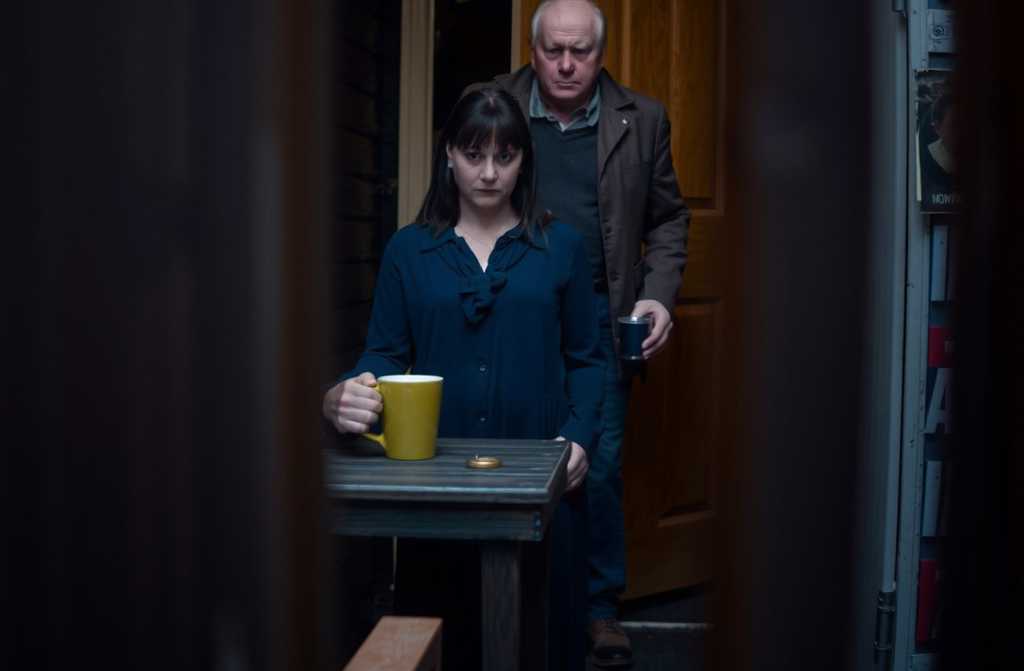
Get your things together, Margaret, said George, not looking up from his mobile. Were due down at the allotment, potatoes have to be dug up. Youve put it off all week.
Margaret stood at the cooker, stirring her porridge slowly. The window revealed another dull September morning in Birmingham. The spoon made another lazy circle in the pot.
George, she said quietly. Do you remember what day it is?
Saturday. Perfect day to get on with the veg.
Thirty years, George. Thirty years today since we married.
He finally looked over at her, as if shed just reminded him about a bill that had gone unpaid ages ago.
So what? Potatoes wont dig themselves, will they? I havent stopped all week at work, I need a rest. Youre at home more, nothing big on, so you do it.
I thought we could go for dinner, remember you said so last month.
I did, I did, he put his phone down and reached for his tea. Well do it later. No time now. If the potatoes freeze in the ground, well have no spuds all winter. Did you pause to think about that?
Margaret turned off the stove and set the pan on the trivet, careful and methodical even as something inside her seemed to tighten.
George, I asked for just one day. One day, after thirty years.
Exactly, thirty years, he grunted, heading over to the fridge. Whats left to celebrate at our age? No need for fancy dinners for us old folk, is there. Youre hardly a spring chicken now, Margaret, are you?
She didnt realise what hed said at first. The word hovered between the fridge and the stove, between them both. Old folk. Not Margaret, not love, not even you. Just old folk. Tossed out like alright or I know. No malice which somehow stung more.
Fine, Margaret replied.
Thats my girl. The spades in the shed, its sharp, I sorted it in spring. Dont forget the crates, theyre in the corner.
She walked to the bedroom, took her bag, began packing what she needed. Her hands moved on their own while her mind circled that word: old folk. Not Mags, not Margaret, not even you. Just that.
Fifty-six. Dyed chestnut hair, which needed a touch-up every month because the greys creeped in fast. Put on a bit of weight over the years, true. But was that all he saw in her? Was that, in his eyes, all that was left? Just vegetables, allotments and potatoes?
She zipped her bag, picked up her jacket, stepped into the hall.
Youre going now? George called from the kitchen, surprised.
You said to go.
You could at least eat first.
Im not hungry.
Shoes on, keys off the hook the little blue Fiesta waited patiently in the drive, as steadfast and undemanding as she was.
Margaret, at least leave some porridge! he hollered.
She left, closing the door quietly behind her.
It was an hour and twenty minutes to the allotment. First round the city ring road, then the main road, then down narrow country lanes, bumping along the bits the council didnt bother fixing until spring. Margaret drove and watched the road. She didnt put the radio on. There was something right about the silence, as if thats all she could afford this morning.
Thirty years. Shed married George at twenty-six. He was three years older, an engineer at the time, solid, reliable. A big man in her eyes, who seemed to know his way. For ten years, that was all true. Then the factory downsized, then George moved into logistics, then tried buying and selling things, then found himself elsewhere again. Margaret plodded away in the local school as a music teacher, quietly and without promotion. They raised their son, Anthony, who now lived in Bristol with his wife and little daughter. They saw them, maybe, three times a year.
Life went by. Simply that. Between lessons and veg plots, school meetings and storing for winter, his work trips and her lonely evenings with a book. She never complained. Never got into the habit. But this morning, something shifted, like heavy furniture dragged for the first time in years.
The allotment gate, propped open since May, hung crookedly as she drove in along a rutty track past neighbours fences. The place was nearly empty; the season was winding down. A few garden sheds still had woodsmoke curling up; the air was thick with autumn.
She unlocked her own little gate, parked, and cut the engine.
The shed was small. The house just two floors, with the top being little more than a loft with a window. A rickety veranda, the vegetable patch not much to speak of. George always meant to fix the boards, repair the left fence, widen the porch and hadnt got round to it in five years.
Margaret went in, threw open the windows. It smelt of apples, harvested a few weeks ago, and stale air. She put the kettle on, sat at the window and looked out over the potato beds.
Six rows. The foliage lay limp and yellow: time to dig. George was right, in a way. Just not about the potatoes or how hed said it.
She poured tea and stared outside.
There was a noise over the fence. The old plot next door belonged to Mr Peterson, whod died last winter. His family sold up; Margaret had heard from Mrs Norris the allotments gossip queen but hadnt seen new faces herself. Now, someone was definitely there: a steady knocking, like hammering, and a voice softly humming.
After a while, the knocking stopped. Margaret finished her tea and went inside to get changed for work. Trousers and an old jumper. Spade from the shed. She stared down at the first bed with that feeling all women past fifty-five know, facing something utterly necessary and utterly unloved.
She pushed the spade into the earth.
Good morning, someone called by the fence.
She turned.
A man stood beyond the slats, early sixties possibly, tall, neat grey jacket. Hair short and silver. He stood straight as if his spine was made of something sturdier than other peoples.
Morning, Margaret replied.
Im your new neighbour. Victor Ashley. Bought the place in August only just found the time to get stuck in.
Margaret Thompson, she said. My husband and I have been here for twenty years.
Nice to meet you. He tipped his head in an old-fashioned, unexpectedly warm gesture. Digging up the spuds?
About to.
Just you?
She hesitated.
Today, yes. On my own.
Victor looked from the beds to the spade, then back to her.
Ive a better spade for this wide, German steel. If youll let me, I can lend a hand. Only planned to potter around today, and you havent got too much three hours work, tops.
Oh, no, really, I can manage, she began, by habit.
Im quite sure you could, he said simply, without irony. Just always nicer with company, isnt it? Only if you like.
She considered a moment.
All right. Thank you.
He returned a moment later carrying a broad spade and donning work gloves. He came through the old gate, which hadnt yet been nailed shut, and stepped in.
Ill start on one end, you come along collecting after me. Quicker that way.
They worked in silence at first. Victor dug steadily and thoughtfully, wasting no movement a man who knew how to work without wearing himself out. Margaret gathered potatoes into crates. The soil was damp, potatoes came up easily.
How long have you had this plot? he asked.
Since 98. It was cheap, so we took it.
Good spot. I saw a few, but this seemed best. Quiet, woodland nearby, stream isnt far.
Youre from the city? she asked.
Yes, these days. Lived in London lately; moved up to be nearer my sister in Yewcombe about forty miles out.
Margaret knew Yewcombe. Nice market, an old church.
Were you military? she heard herself ask, not sure why.
Was, he said, no hesitation. Thirty-two years. Retired Colonel. Been out three years.
Hows the quiet life suit you?
He paused, turning the earth.
Getting used to it. Tough the first year. Now I find jobs for myself read a lot, like to work with my hands. Came here, thought Id fix up the house, might stay for winter, see how it goes.
For the winter? Hardly anyones here then.
Thats just it. I need peace.
They worked on. Margaret realised shed stopped thinking about this morning and that word. Just worked, occasionally chatting, Victor always replying in that calm, steady way, never rushing.
By lunch, half the patch was done.
Lets have a break, Margaret said. Tea?
Gladly.
She sliced some bread, fetched cheese from the fridge and opened some strawberry jam shed made in July. Set the kettle and laid the table on the veranda.
Victor washed up in the garden and came upstairs, lowering himself onto her creaking chair as though hed always sat there.
Help yourself, said Margaret.
Homemade jam?
Yes, strawberries. Was a good harvest this year.
He spread some on the bread. Tasted.
Lovely. Reminds me of my mothers. Havent had jam like this in at least twenty years.
Margaret sipped her tea, finding it odd yet not unpleasant: sitting with a stranger on the veranda, on her thirtieth wedding anniversary, talking about strawberry jam. Strange but not unpleasant at all.
Do you have family? she asked, and at once wondered if it was too personal.
Did. Divorced twelve years ago. Daughters in Brighton, we phone sometimes. I have two grandkids.
Doesnt she come up here with you?
Shes got her own life. That’s the way it should be. He drank his tea. Yours?
My sons in Bristol. Little girl, Sophie. Only see them now and then.
Kids grow wings these days.
They lapsed into a quiet moment. Margaret watched apples hanging in one tree at the far end of the plot late apples, hard, unpicked.
You know, Victor said, Im used to clear rules, military and all. Heres a proposal: Ill help you with the garden jobs needing a mans strength, in exchange for tea and jam and sometimes a natter. No obligations, strictly neighbourly. Deal?
Margaret laughed, surprising herself with how easy it was.
Odd sort of deal.
Honest, though, he smiled gently.
Deal.
They shook. His handshake was firm, brief.
After lunch, they finished up. Victor fixed the drooping gate post, too itd been tottering for years. He seemed to know just where everything was, as if hed been there forever. Worked quietly, with care.
By four, all was done: potatoes boxed up in the shed, gate fixed, beds ready for winter.
Well, there we are, Victor said, peeling off his gloves. Sorted.
Thank you. Id have been here until dinner doing it alone.
Nonsense. I enjoyed myself. He hesitated. Tomorrow, if you like, I could use your advice on the porch boards need sorting. Im not much of a handyman though.
Im no expert myself, she admitted.
Well figure something out as a team.
He went off to his place. Margaret flicked on the light inside it was dusk. She thought she should call George, tell him shed arrived, that it was done. She dialled.
Well? he said not hello.
Im here. Dug up the spuds.
Well done, put the crates in the shed?
Theyre away.
Alright, Ill ring Steve, maybe well come round Sunday and collect them.
Fine.
Im busy, got to go.
He hung up. Margaret sat a moment with the phone, then set it aside and went onto the veranda to watch the sun dip below neighbouring roofs.
She wasnt afraid to sleep there on her own; it was a safe place. For years shed sometimes stayed solo, especially of late George always had reasons not to come out. Shed cook something simple, read, go to bed early. Here she didnt have to be ready for anyone. It was a quiet freedom shed never named aloud but knew deep down.
Next morning, she was up with the dew, made her porridge, drank coffee. Remembered Victors mention of the porch. She went over to his gate.
Thats early for you, he greeted her, as if he’d been up hours.
Im used to it. She studied his porch boards were indeed lifting, one especially bad. You just need long nails. Got any?
Well find some.
They tinkered for an hour and a half. Margaret held the board, Victor hammered. She stepped inside his house and looked around. It was neat, nothing unnecessary. Books filled a shelf many of them. On the table was a map, not a road one but topographic, covered in pencil markings.
Planning routes?
I like to walk. Army habit. Making my own map, seeing whats interesting round here.
Much to find?
All sorts. Yesterday I found an old watermill, five miles out. Still standing. Shall I show you one day?
Id like that, she said, surprised by how easily it came out.
Over tea, he asked, You work in town?
I teach music at the local school.
Still play?
I did. The keyboards in the loft. Up until forty-five, I played often. Then stopped not enough time, or at least it felt that way.
Felt that way?
She considered.
I suppose it was just an excuse. There was time. I just stopped feeling I had the right.
He looked at her closely.
Sounds odd.
Does it?
I think you always have the right to play your own instrument in your own home, he said. But thats just my view.
She was silent. Something in her shifted, like a stubborn jar finally loosed by a gentle touch.
She stayed three days. George didnt come Sunday; Steve couldnt make it, he messaged. No explanation, no call. She didnt chase him.
In that time, Margaret set the house to rights: cleared out years of clutter, binned the cracked pots, broken odds and ends George insisted might come in handy but hadnt in twenty years.
Victor often appeared in the mornings as she weeded: sometimes to help, sometimes with just a mug in hand, chatting over the fence. Theyd drink tea sometimes at hers, sometimes at his and talk: about books, places, children, how the area had changed. He explained places hed served, matter-of-factly, no drama. She talked about her school days, changing curricula, what she loved and what wore her down.
By the second day, she realised he really listened looked her in the eyes, heard her out, never interrupted or hurried to his own concerns. She couldnt recall the last time anyone paid her such simple attention.
On the third day, in a dark corner, she found an old mirror she’d tucked away long ago, after George said it was an eyesore. She hung it back up. Looked at herself: hair mussed, face bare, old jumper. From her handbag, she found a lipstick she rarely used here and put it on, just because she wanted to.
That evening, Victor said, You look nice today.
Its only a bit of lipstick.
Its not just that, he said. Not at all.
She didnt argue. She poured more tea.
When she headed back to Birmingham, Victor walked her out.
When will you be back? he asked.
Two weeks, maybe sooner.
Ill be here. Planning to stay for a while.
She nodded, opened her car, paused.
Thank you for these days, Victor.
Ive enjoyed them myself. Drive safely.
She set off. A few miles along, she put the radio on. Something old from the seventies came on, and she found herself softly singing along. She hadnt sung in years.
City life rumbled on. Work, shopping, cooking, cleaning. George came home late, ate, watched the telly, disappeared out. She never asked where he went. Thats how it had been she didnt ask, he didnt say and this, apparently, was married life.
Yet something within her had shifted, like autumn light subtly changing. She got the old keyboard down from the loft, dusted it off, plugged it in. It still worked a battered Yamaha from years ago. She placed her hands on the keys and played a scale. Then another. Then the start of a Chopin nocturne shed once practiced for months.
George came in.
Youre playing now?
Yes.
What for? Nights on, the neighbours
There are three walls between us, nobody will hear.
Still, he grumbled, disappearing again.
She played for half an hour. When she put it away, it was because she wanted to, not because hed left.
Next Saturday she woke early, styled her hair, wore a navy dress shed bought two years ago and never worn, with a small collar. She walked into the kitchen.
George looked confused.
Where are you off to?
Nowhere. Just fancied it.
He shrugged and peered back at his phone. She brewed coffee, opened the window and drank it. The back garden beyond was ordinary, yet the coffee tasted different, better somehow.
Her old friend, Patricia, who she saw every few months, messaged her: Mags, have you got younger lately? Saw your new photo on Facebook you look totally different. Whats changed?
Margaret looked at the photo shed set the day before: her, at the allotment, sitting on the steps with a mug, wearing that navy dress. Victor had taken the picture, saying Look, the suns just right. Shed never thought it would lift her spirits so.
All fine, Pat, she typed back. Just finally got a good night’s sleep.
Pat laughed in emoji.
Two weeks later, Margaret drove out again to the plot. This time, without anyone telling her to. She packed Friday evening and set out early Saturday, bringing the keyboard along it fitted fine.
Victor was there. Saw her car, met her by the fence.
Morning.
Morning. You didnt head off?
Told you Id stay. He nodded at her car. Whats that youve brought?
My keyboard. I fancied a bit of music.
He smiled didnt do it much, but when he did, it was obvious.
Great idea. Let me help you fetch it in.
They set it up on the veranda where the light landed. Margaret turned it on, arranged a chair, played a few notes.
Havent heard a real instrument in years, Victor said. May I stay and listen?
It wont be all that polished. My hands are out of practice.
Im not after perfection. Just something real.
She nodded and began. Slowly, then faster, the memory in her fingers working its way free. The nocturne was a bit rough round the edges, but there was something hers in that imperfection.
Victor sat on the bench by the wall, silent, content just to listen.
Afterwards, over tea and good strong dark chocolate, she confided, I realise Id stopped playing simply because I didnt want to make a fuss. Its like it became too much noise in my head. When someone in your life doesnt like it, you begin to think it yourself. That its just a bother.
But it isnt, he said.
No. Turns out, its not just not a bother. Its necessary.
He paused. When I retired, the first thing my wife said was, Now youll be home all the time. She looked terrified. I finally understood thirty-two years Id been gone half the time, and for her, that was life as it was meant to be. She preferred me gone. We managed another year, split up on good terms in the end. She stayed in London, I moved up here.
You regret it?
Regret not seeing it sooner. But not for doing the right thing in the end.
Margaret studied her tea.
I find it hard to know where endurance ends and habit begins. When youre not really enduring, just not noticing any more.
He nodded. Good question, that. Wish there was a simple answer.
Late autumn lingered at the allotment. Margaret came every other weekend. Sometimes she stayed the week, taking leave. Work was steady this year Year 5, decent class, interested, which wasnt always the case.
Each trip shed bring something new: one week old records. There was a wind-up gramophone shed never bothered fixing, but Victor sorted the needle and soon they sat listening to 1930s jazz and old ballads while rain tapped the porch roof.
My mum adored these, he said.
So did mine. Margaret closed her eyes. I remember the cardboard sleeves, the smell of the records in her wardrobe.
Fine memory.
Sometimes it gets in the way, she said. Because you remember what was good and see what is. Not a comfortable knowledge.
Yet its honest, Victor replied, carefully switching to another LP.
In late October, George grew odd. Margaret only gradually noticed. He started coming home even later, sometimes not at all, sometimes lowering his voice for hush-hush calls. Once, through the wall, she caught him saying, Not tonight, wifes in.
There were no rows, no shouting. Just a quiet acknowledgment as clear as a solved problem without a solution.
She was fifty-six. No old folk a music teacher, a slightly tired but alive woman with chestnut hair and a keyboard on the veranda. Good at jam, at Chopin, and at conversations that made another person see themselves differently. She wasnt a grandma in Georges sense. She was Margaret Thompson. And, oddly, only now was she beginning to live as herself.
She never told Victor about what went on in the city. Not because it was a secret it was simply hers, and she wanted to keep it that way. But one day, he asked:
Margaret, are you all right?
He was frying something on the hob eggs and onions, real comfort food.
Why do you ask?
You seem not quite here today.
She looked out the window.
Things at home are rough. Just sometimes, thats all.
He didnt push further. She was more grateful for that than any words.
In November, he showed her the old mill. Five miles through frosty woods, the air sharp and clean. The mill stood by a brook, half-hidden. Wooden, darkening with age, roof intact, only its millstone crumbled.
Beautiful, Margaret said.
Eighteenth century, far as I can tell from old maps.
She gazed at the stream glossed black under the cold sky.
So, you started over at fifty-five. How did that feel?
I dont call it starting over, he replied. Just a different chapter. The first part wasnt wrong, simply different. I had duty, maps, orders. That passed. Now, something else and thats good, too.
She was quiet.
Are you afraid of anything? he asked.
Being alone, perhaps. But actually, I already am, really, she smiled. Strange to fear whats already true.
Theres being alone in a space, and theres being alone alongside someone. The latter is worse.
They walked back, dusk falling, woods silent. Margaret realised it had become easier to breathe, almost as though shed finally let herself.
Back in Birmingham, George muddled along. There was another woman Linda, forty-three, in his office, running admin. Hed phoned her in October, asked her out; she agreed. They went to a café, it was fine till Linda asked what he did at weekends. He rambled. Then she noticed his shirt was scruffy. Then she realised hed nothing to eat in; Margaret was still at the allotment. Then he forgot to call her back, she took offence, silence followed.
He tried to make himself dinner burnt the porridge. Tried ironing burnt a shirt collar. The Fiesta broke down, but Margaret always knew the garage, he didnt.
So hed ring her.
Mags, wheres the bathroom cleaner?
Under the sink, bottom shelf.
How do you iron shirts?
Medium setting, use steam.
Which garage do we use?
Green Lane, number 23. Ask for Paul, say its us.
She answered neutrally, no malice, just the facts. There was something colder in her not cruelty, but clarity, maybe defence.
In early November, Mrs Norris the gossip posted on the allotment WhatsApp: Whos the lovely lady come up at the Thompsons? Sits out with the new neighbour, drinking coffee nice to see!
With it, a photo: Margaret and Victor together at her veranda table. Victor with a mug, Margaret a cup real city-bought coffee this time. Both laughing. Mrs Norris had snapped it from the road, peering through the fence. Margaret wore the navy dress, hair down. Victor looked at her.
George saw it in the group chat. Looked at the picture. Rang within twenty minutes.
Whos that?
Margaret glanced at her phone, then at Victor, sat reading on the bench.
New neighbour, told you bought Petersons old patch.
What you doing sitting there with him?
Having tea. Coffee, sometimes.
Why?
Because I enjoy it, George.
Pause.
Im coming up.
Suit yourself, she said, and hung up.
Victor looked up.
Your husband?
Yes. Hes driving up.
Shall I clear off?
No, Margaret said, after a pause. Stay, please.
He considered, then went back to his book.
George arrived next morning, around eleven. She heard him drive in, slam the car door. She was on the veranda with her coffee. Victor was there, too theyd been discussing a book, as usual.
George came up on the veranda.
In his city jacket, a bit out of breath. Saw them, stopped.
Margaret looked up.
Morning.
Morning, he said, gaze fixed on Victor. Whos this?
Victor Ashley, our neighbour, she said. Victor, my husband, George.
Victor stood, nodded.
Hello.
George ignored the greeting, eyed the mugs, the books.
Need a word, he said to Margaret.
Speak up.
On our own.
Victor isnt in the way, she said calmly. Say what youve come to say.
George pressed his lips together, shifted his feet.
Whats this youve got going on?
Im having coffee with a neighbour. Is coffee a crime now?
Dont be clever, he raised his voice. Seen the gossip on WhatsApp? Everyone’s talking, you know! What do people think?
Whats to think? Coffee and a friendly chat exactly whats written. Mrs Norris is quite thorough.
Margaret, thats enough.
Enough of what?
This! He gestured furiously. Dress, coffee, dragging your keyboard up here, now inviting strange men in. Are you mad? How old are you now?
Margaret slowly set down her cup, looked him in the eye.
Fifty-six, George. I know what you wanted to say that Im an old woman, but you wouldnt with company here.
George flushed.
Thats not what I meant.
It is. Its exactly what you meant on our anniversary, when you sent me to dig spuds instead of going for a meal. Remember?
Thats enough.
No, she replied quietly, its not. I kept quiet then. I wont now.
George stepped up to the table.
Margaret, dont do this in front of strangers.
Victors not a stranger. Hes fixed my gate, helped dig potatoes, showed me a mill in the woods, and never once called me an old woman. Hes the most fitting witness here.
George looked from her to Victor, who stood straight, unthreatening, simply there.
Would you mind stepping outside? George said to Victor.
Im here at Margarets invitation, Victor replied evenly. Up to her whether I stay.
He stays, Margaret said.
George hesitated, then back to her,
Seriously? This is what youre doing now?
Im not doing anything. Im simply not staying silent.
You always used to be an ordinary woman, Margaret. Whats happened?
Thats exactly it. She spoke softly. Ordinary. I cooked, cleaned, went to the allotment on command, dug potatoes on our anniversary. I was ordinary. Now
What do you mean, now?
Now I play music I want to play. I drink coffee in a dress. I talk to people who talk back. And She paused. And I enjoy it, George. I really do.
He stared at her not angry, but confused, as if recognising something long forgotten.
Margaret, he said, voice lower. Can we talk at home? Will you come back?
Why?
Well, home, thats
I am home, George. Here is home as much as anywhere.
I just dont understand you anymore.
I know. You havent tried to, really.
She turned away, looked out at the neat garden, apple tree bare, sky pale and high.
Then she turned back. Slipped the ring from her finger. No drama just laid it by her cup.
Georges eyes widened.
Whats that?
My wedding ring.
I can see, but what does that mean?
It means Ill leave it here for now. You can keep this plot if you like potatoes in the shed, tools sharp, everything as you like it.
Margaret
Im going for a walk, she said. Victor, would you join me?
Of course, he replied.
They walked out onto the path, cool autumn air real in her lungs. Victor paced beside her with no pressure, just keeping close. They headed out along the path, past the plots, out to the wide field before the woods.
Are you all right? he asked gently, after a while.
She thought about it.
Yes. Odd as it sounds, yes.
Do you regret it?
She considered carefully.
Im not sure. Thirty years is a long time. There were good ones too. I remember them.
Thats good, remembering them.
And what happens next? I dont know. Not at all.
No one does. And thats normal.
They walked through dry grass, beneath a grey sky, towards the darkness of the trees. Margaret thought about life after fifty-five how she’d seen it as nothing but waiting, but it was nothing like that at all. It was alive, awkward, uncertain, sometimes daunting but real.
She had no idea what George would say when they returned. No idea what she herself would answer. Or what this new beginning was, or if it needed a name.
Next to her walked a man a man who saw her as a woman, not a servant. Who listened. Who never said she was too much or too old or belonged amongst rows of potatoes. Whether this was a new path, a rest stop, or something nameless and in-between, she didnt know.
The field ended. The woods began. They walked on.