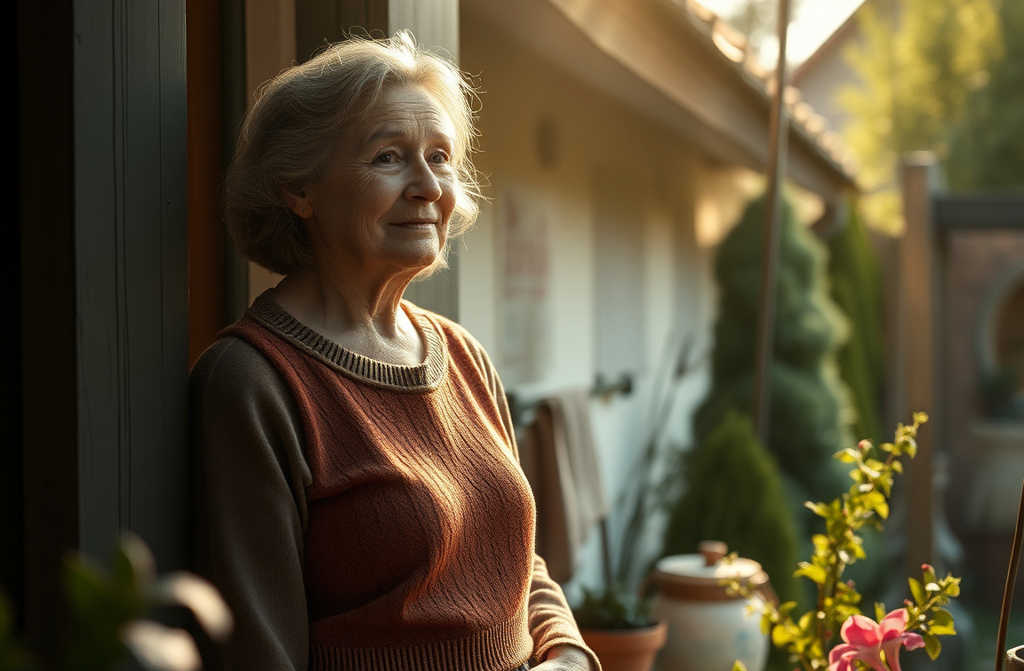
In the years after the war, in the English hamlet of Ashcombe, men were scarcemost had perished on foreign soil, and only now were boys growing into manhood. Not far from the village hall, where the young gathered, lived Evelyn Carter. Her age was a favourite topic for the locals speculation. With three children and a frail mother to care for, Evelyn toiled alone in the shared fields, determined to keep her family afloat. Each sunrise brought another unyielding trial of stamina.
Among the villagers, especially the women, Evelyn found little kindness.
Theres Evie again, luring the men to her place, the women muttered, How long will this nonsense last?
Evelyn often sent her mother and children to the neighbours, then hosted raucous gatherings in her cottage that lasted until dawn. Some guests stayed the night, sometimes with another womans husband. As dusk settled, many husbands would slip away to Evelyns, vanishing into her cottage as if the mist had swallowed them.
The wives of Ashcombe gossiped, condemned, and quarrelled with their men. They might have confronted Evelyn, but fear held them back. A straying husband might return home and unleash his angersome even struck their wives in front of others. Such was life in Ashcombe, where nothing escaped the villages ever-watchful gaze.
News reached Barbara about her husband, John. She was his second wife; his first had died in childbirth, the baby lost as well.
Barb, why do you put up with it? Your Johns been seen at Evelyns, her neighbour Rachel confided. Youre expecting, and hes off chasing pleasure.
That cant be, Barbara replied, trusting her handsome husband. He comes home late, sometimes at dawn, but claims the foreman keeps him guarding the granary at night to deter thieves.
Barbara was graceful, composed, and capable, living in Johns house with his mother and his elder sister, Sarah, who had two children of her own. Sarahs husband, a lorry driver, had died, so shed returned from another village, refusing to live with her in-laws.
Sarah was resentful, jealous, and argumentative, and she could not abide Barbara.
She can stay here, Barbara murmured to Rachel, but shes always criticising me, saying the cruelest things, looking for any reason to provoke me.
Sarah envied Barbaras beauty and diligence, gradually driving her out with constant disputes. Barbara endured it, loving John and unable to return home, having defied her parents to elope with him.
John was tall, striking, and charming. Many women sought his attention, but he had chosen modest Barbara, and she was powerless to resist.
Mum, Johns asked me to marry him, Barbara once declared.
I wouldnt recommend it, Barb, her mother cautioned. Hes already been married, and women flock to him. Youll spend your life chasing after him, dragging him away from others. I forbid you to marry him.
Barbara was distraught but chose to ignore her mothers warning. During the village harvest fête, John arrived at her house on horseback, as theyd arranged. She hurried out, cheeks flushed, clutching a small bundle, and climbed into his cart. She was nineteen, with no dowry but a few cotton dresses and some undergarments.
Her mother rushed out as the horse set off, shouting, I wont let you go! Youre leaving of your own will. If you come back, dont expect me to take you in. Do you hear?
So Barbara left with John, moving into his homethere was no wedding. She worked at the peat works, earning a few pounds.
She lived in her mother-in-laws house. Johns mother was stern and overbearing, never affectionate, always complaining. Life with such a mother-in-law was difficult, but Barbaras youth gave her strength. John left for work each morning, returning at night, never involving himself in the womens quarrels. Barbara worked as well. Her mother-in-law disliked cooking, so Barbara would come home and prepare meals.
Barbara often regretted joining this family, where neither her husbands sister nor his mother treated her kindly. The farm chairman, Clement, noticed Barbaras hard work and nominated her for the parish council.
Oh, Mr. Clement, I cant possibly manage it, Im too young and inexperienced, Barbara protested. I know nothing about such matters. Im frightened.
Nonsense, Barb, well support you. Thats what we elders are here for, to guide and share our wisdom. Youre diligent, agreeable, and honest, he replied.
Barbara was elected to the council. John was proud of his young wife, and even his mother quieted down a bit, though Sarah continued to malign her out of envy.
Barbara gave birth to a son and returned to work; her mother-in-law watched the baby and Sarahs children while Sarah worked as well.
After five years with John, Barbara was expecting again. At eight months pregnant, Rachel brought her more troubling news about Johns visits to Evelyn. Sarah, always eager to stir up trouble, chimed in:
Thats what you get, Barb. Its your own fault. A good wife keeps her husband from wandering. Youre too busy with your council work. What do you expect him to do? Barbara stayed silent, knowing an argument would erupt.
Could John really be going to Evelyns? she wondered.
John would return from Evelyns at dawn, slipping into bed beside Barbara, who lay awake thinking, How can this be? Evelyn and I work togethershe sometimes pats my shoulder and praises my effort
One night, unable to bear it, Barbara waited up for John. When he didnt come, and the house was quiet, she threw on an old cardigan and stepped into the yard. Her feet carried her down the lane towards the main road and the hall, near where Evelyn lived. Clutching the fence to avoid the mud in her wellies, she crept along.
Just let no dog cross my path and raise a racket, she thought.
The hall was silent. Peering through a gap in Evelyns sagging fence, Barbara watched the big room. The light was on, a table was set with food, a bottle of gin in the centre, but no one was there. Soon, Evelyn and John entered, arms entwined, laughing. They sat across from each other.
Barbara, trembling, clung to the fence, her heart pounding.
So Rachel was right. Thats where my husband goes. He must think a pregnant wife is useless, she thought, as Evelyn rose and switched off the light, plunging the house into darkness.
What now? What should I do? Barbara wondered, unwilling to go inside.
After a moment, she bent down, found a hefty stone, and hurled it at the window before vanishing into the night. John returned at dawn. Barbara said nothing. Evelyns window stayed stuffed with a cushion for weekswhere would she find the money for new glass?
Barbara never spoke of that night. She even felt a strange calm. Sometimes, she felt indifferent to John. Her second son was growing.
Let him wander He always comes home, she mused. He even calls me dearestoh, sly John. I must love him still.
Time drifted by. One evening, Clement summoned Barbara to the council office. Despite the late hour, a constable from the district and a couple of village activists were already there.
Evelyns been caught with stolen grain, Clement announced. Not much, but theft is theft. The law is strict these days. Well search her house and see where she hides it. Likely not her first time.
As a councillor, Barbara had to take part. At Evelyns, Clement sent her inside.
You and Nicholas search the house; well check the yard, shed, and cellar.
Evelyn sat, hands trembling, face pale and drawn. A relative, acting as witness, stood silent and bewildered. Barbara, just as lost, had never done this before. Evelyn stared at her in fear.
Nicholas checked behind the stove, then told Barbara, Look under the bed and in the corner.
Barbara lifted the canvas cover, then the thin straw mattress. In the corner, she found a large tin covered with cloth. Lifting it, she saw grainabout a third full. Evelyn had brought it in handfuls.
Their eyes met.
Now Ill have my revenge. She wont steal my husband again. Ill scatter the grain for all to see. Thatll be my payback for John, Barbara thought.
Evelyn, terrified, thought, This is the end. Barbara will turn me in over John. Why did I ever welcome him? Shes here to send me to prison.
They stared at each other until Clement appeared in the doorway.
Well, Barbara, find anything?
No, nothing here, she replied, head bowed. Nicholas agreed.
Still, the constable took Evelyn awayshed been caught with two handfuls of grain. She returned the next day.
Years passed. After that, Evelyn took her children and moved to a neighbouring village, never returning to Ashcombe. Barbara and John raised their sons; the eldest married. But Johns life was shortafter burying his mother, he too passed away. In their final years, he and Barbara had been happy, but his health failed. Sarah found a husband in another village and moved away.
After Johns funeral, much time slipped by. Barbara still lives alone in the house. Her children and grandchildren visit. Her legs ache now, but her sons help her.
In the end, Barbara learned that forgiveness and quiet strength can outlast even the deepest wounds, and that true peace comes from letting go of bitterness, allowing love and kindness to fill the spaces left behind.





