5April
Tonight the sky was a cold, heavy grey, even though spring has already marched well beyond the calendar. The trees were putting out fresh green leaves, and the faint scent of pine drifted on the breeze. All of that seemed to belong to the world beyond our culdesac, which was slipping into darkness because the little sports court at the back of the estate had no lighting. The grasscovered patch, strewn with dry leaves, looked abandoned, and only the occasional brave soul ventured there after dark.
I, Robert, a man in my midthirties who still believes in keeping busy, have been listening to the complaints bubbling up in our blocks WhatsApp group. The growing unease about the pitch being pitchblack each evening has been echoing louder each day. Neighbours keep arguing that the court needs proper illumination so that anyone can play sports safely after work. Parents worry about their children, whilst younger residents grumble about the inconvenience a clear sign that the issue is more tangled than a simple lightbulb swap.
Many doubted that we could ever get the council to act. Yet I, along with Alice, Granddad George, and a handful of other volunteers, decided to give it a go. We gathered around the kitchen table in my flat and tried to map out the first steps. The obvious move was to write to the local borough council a daunting task, but one we all agreed was unavoidable.
By the next morning we had called a block meeting. Residents assembled by the childrens playground, breathing in the fresh morning air, ready to hash out a plan. Our first order of business was to draft a petition a document spelling out the safety hazards, the lack of access for evening sport, and our proposed solution of installing LED floodlights. One by one everyone voiced their concerns and ideas; the common goal stitched us together like a wellknit quilt.
After a few rounds of editing, the petition was ready. Hope began to flicker in our chests; even the act of preparing the letter proved how tightly we could pull together for a shared cause. The next hurdle was persuading the council not only that lighting was needed but that it should happen sooner rather than later.
Weeks of waiting stretched on. In the meantime, the kids still darted across the dull, sootstained asphalt, while adults hovered nearby, eyes flicking for any sign of trouble. Finally, the council replied they had approved the lighting scheme. And just like that, a fresh set of debates erupted. We now had to decide how to schedule the courts use so that every resident could squeeze in a bit of exercise without stepping on each others toes.
The climax arrived that very evening when a crew of electricians arrived with ladders and wattage. A small crowd gathered, watching the floodlights being bolted into place. When the first bright beam cut through the gloom, a quiet cheer rose from the onlookers. The court, now bathed in crisp white light, beckoned from toddlers to pensioners alike. Yet the jubilation was quickly followed by a new round of discussions how to divvy up the hours fairly.
Neighbors squabbled over the timetable. Some wanted the afterschool slot for the childrens football, others pressed for earlymorning tennis. I, standing among them, suggested a rotating schedule based on a simple spreadsheet a system that eventually gained traction. It wasnt a perfect fix; a few clashes still popped up, and we had to tweak the plan when circumstances changed. But because we all agreed that mutual respect outweighed any single agenda, disagreements were settled quickly.
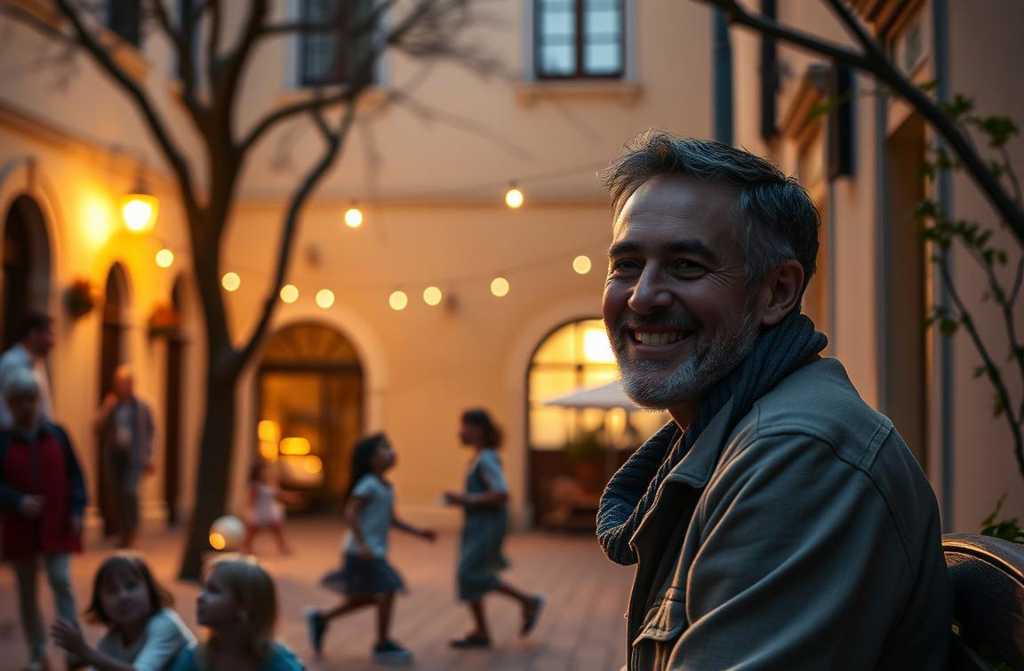
A month after the lights went up, the court pulsed with life. The earlier arguments had faded into the background, replaced by the hum of activity. Over a few weeks we had ironed out a timetable that satisfied most. Now each evening the courtyard glows, turning the onceneglected patch into the hub of the estate. Children chase a ball, sometimes staging tiny tournaments with their mums; adults jog, play a quick game of tennis, or simply stretch while the sun sets.
The scheduling system, born from that initial spreadsheet, proved a real revelation. Everyone knows exactly when they can claim a slot, and although occasional overlaps still occur, theyre dealt with swiftly because we all value the agreement weve forged. Some residents were sceptical at the start, fearing that a popular court would sow discord. Their fears proved unfounded; openness and a willingness to compromise smoothed the way.
Lit in both a literal and figurative sense, the court has become the heart of our little community. Folks now meet not just for a quick hello in the hallway but for evening chats over a cup of tea, swapping news and stories. The sound of childrens laughter mingles with friendly banter, forming the soundtrack of our spring evenings.
Now, strolling past the bench under the soft glow of the new lights, I feel a quiet contentment. The air is fresh, scented faintly with blooming lilacs, and the onceisolated neighbours now talk as if theyve been friends for years. The lesson we all learned is clear: when people put aside selfishness, take the initiative, and support one another, even a dark, forgotten corner can be turned into a beacon of hope.
*Personal lesson: collaboration and respect are the true lights that guide any community toward lasting change.*