I Raised My Siblings While Mum Was Out Living Her Life—Now They Thank Her for Her “Sacrifices” as I Pour the Wine Being the Oldest Sister Sometimes Means Mothering Children Who Aren’t Your Own The faint chime of a spoon against a crystal glass silences the entire room. The restaurant is high-end, right in the middle of London. Gold balloons, tables draped in pristine white cloths, vases filled with roses. In the center stands an enormous cake with the words: “Happy Birthday, Mum.” My younger brother, Michael, twenty-eight, rises to speak. His suit is perfectly tailored. Eyes glistening, he lifts his glass and looks at our mum—Linda—sitting at the head of the table, glowing in her sequin dress and freshly styled hair. “Mum,” he begins, voice trembling, “tonight we want to honour you. For being strong. For carrying our family when Dad left. For always putting a warm meal on the table. For being there for us. You’ve been the rock of our lives. Cheers to the best mum.” The guests lift their glasses, applause fills the room. My sister Sarah, twenty-five, stands to hug Linda. “Thank you for everything, Mum. You’re my role model.” I sit at the end of the table. I’m forty-two. I don’t clap. I clutch the napkin in my hands so tightly my knuckles whiten. I watch my mother beam, wiping away a tear as she accepts their thanks as though she’d truly earned them. As though she had been there. The truth, which Michael and Sarah can’t—or won’t—remember, is very different. When Dad left, I was fourteen. Michael was six months old; Sarah was three. Mum didn’t become our hero. She faded away. She sank into depression and chased after the youth she felt she’d lost. She didn’t work two jobs. She went out on Thursday nights and came back Sunday, if she came back at all. “Look after them, Emily. You’re the eldest. You’re the woman of the house,” she’d say, slicking on red lipstick and leaving a few crumpled pounds on the table—barely enough for milk and bread. Warm dinners? I taught myself to cook rice at ten, burning my hands on the steam. I watered down the milk for Michael’s bottles so it would last. A hand to hold? I taught Michael to walk. I sat by Sarah’s bed while she burned with fever, while Mum was “with a friend” somewhere in Spain, never picking up the phone. I left school for two years to scrub houses and buy them shoes and clothes. I forged Mum’s signature on school forms because she never had the time. I went to parents’ evenings and made excuses, saying she was unwell, just so no one knew she didn’t care. I never had my own teenage years. No dates, no parties, no holidays. My life was them. I did it all with love. Because they were my children, really. Now I sit and watch as the woman who left us in every way that mattered receives applause for my work. Michael shoots me an annoyed glance. “Emily, aren’t you going to say something? It’s Mum’s birthday. Lose the sour face.” Sour. That’s how they describe me. Because I’m serious. Because I’m exhausted. Because I don’t know how to relax. They don’t see this face comes from carrying three lives when I could barely carry my own. Mum looks at me, pleading silently. She says nothing. Lets me have this moment. I rise, legs shaking. “Yes. I’ll say something.” The room falls silent again. “I’d like to raise a toast to memory,” I say, meeting Michael’s eyes. “Remember when you were five and terrified by thunderstorms? Who lay beside you singing until you fell asleep?” “Mum,” he replies, nodding at Linda. “No, Michael. Mum was in Marbella with her friend Jack. It was me. I sang to you.” He frowns. “And you, Sarah,” I turn to my sister, “remember your blue prom dress? Who paid for it?” “Mum was working a lot then,” she whispers. “No. Mum was unemployed. I sold my only piece of gold jewellery and washed dishes at night in a café. I bought your dress. I ironed it.” Mum jumps to her feet. “Enough, Emily! Why do you always have to ruin things? Why are you so bitter?” “I’m not bitter. I want the truth. You took my childhood so you could have yours. Now you’re taking the credit for raising them, too.” “You’re mad,” Michael shouts. “She gave us everything. You were just the big sister. That was your job.” That line hits harder than anything. I look at the two of them—successful, healthy adults. I did a good job. But while I built them, I crumbled. “You’re right,” I reply quietly. “It was my responsibility. Just like it was my responsibility not to study so you could. Not to start my own family, so I could care for you. But that contract is over.” I pull an envelope from my bag—inside, papers for the house I’ve paid for, on my own, for ten years, even though it’s in Mum’s name. I lay it on the cake. “The last payment is made, Mum. The house is yours. And you two—enjoy your mum. From today, I stop being a mother to my siblings and a servant to my mother. From today, I am simply Emily.” I turn and leave. It’s pouring outside. For the first time, I don’t care if they’re cold. I kick off my heels, let the rain wash over me, and hail a cab. “Where to?” the driver asks. “Heathrow Airport.” I have no ticket—no plan. But for the first time, my life is my own. The truth cost me my family, but gave me back my soul—and that’s a price I’m finally willing to pay.

I raised my brother and sister while our mother was off living her life and today theyre all thanking her for the sacrifices she made while I pour the wine.

Being the eldest sister sometimes means being a mother without ever having children of your own.

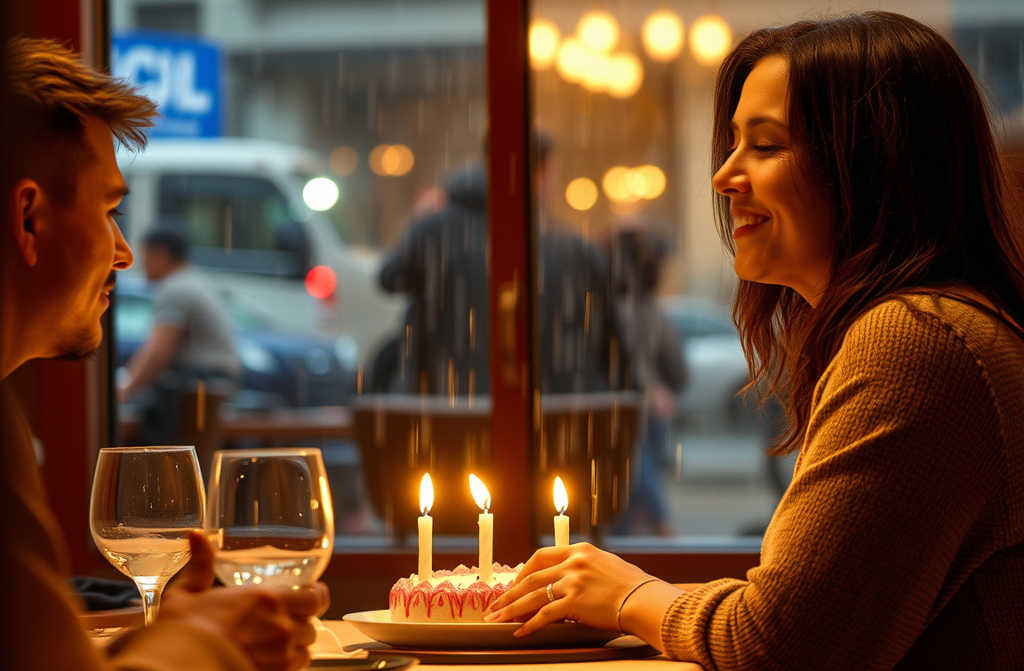
The sound of a spoon tapping against a crystal glass silences the room. The restaurant is posh, right in the heart of London. Golden balloons float above tables covered in white linen, vases of fresh roses, glistening cutlery. In the centre sits an enormous cake with Happy Birthday, Mum scrolled in gold lettering.

My younger brother, Thomas, twenty-eight, stands up. Hes dressed in a sharp suit, face flushed with emotion. He raises his glass and looks over at our motherMargaretwho sits at the head of the table, beaming in a sequined dress with her hair done up at a Mayfair salon.

Mum, he starts, voice trembling, we’re here today to honour you. For being so strong. When Dad left, you carried us all. We never missed a hot meal. You were always there. Youre the foundation of our lives. Heres to the best mum!

Everyone lifts their glasses in a toast, applause echoing around the room.

My sister, Alice, twenty-five, jumps up to wrap her arms around Margaret.

Thank you for everything, Mum. Youre my role model.

I sit at the end of the table, forty-two years old. I dont clap. My hands grip the napkin so tightly my knuckles are white. I watch my mother smile, dab at a tear, and accept their praise as if its deserved.

As if she had actually been there.

The truth, the one Thomas and Alice either dont remember or simply refuse to see, is quite different.

When Dad walked out, I was fourteen. Thomas was a baby, not even a year old. Alice was three. Our mother didnt transform into a hero. She simply disappeared.

She fell into a kind of depression spiced with desperate attempts to rediscover her youth. She didnt take a second job. She started going out on Thursdays and wouldnt return until Sunday evening.

Look after them, Rachel. Youre the eldest. Youre the lady of the house now, shed say, slicking on red lipstick and leaving a few crumpled pound notes on the tablewhich barely stretched to a pint of milk and a loaf of bread.

Hot meals? I learned to cook rice when I was ten, burning my hands on the saucepan lid. Id water down the milk to fill Thomass bottle.

A comforting hand? I taught Thomas to walk. I sat beside Alice through countless fevers, soothing her as she drifted in and out of delirium, while Mum was staying with a friend somewhere in Brighton and never even answered her phone.

I left school for two years, scrubbing floors and washing up in strangers houses to buy them clothes and shoes. I forged Mums signature for school forms because she never had a minute to spare for us. I went to parents evenings and lied, saying my mother was poorly, so no one would know she simply couldnt be bothered.

There was no teenagers life for me. No dates, no parties, no summer trips. My whole world revolved around them.

And I did it all out of love. Because, to me, they were my children.

And now, Im here, watching the woman who emotionally abandoned us soaking up applause for my years of sacrifice.

Thomas shoots me a look, annoyed.

Rachel, arent you going to say something? Its Mums birthday. Stop with that sour face of yours.

Sour. Thats what they call me. Because Im serious. Because Im exhausted. Because I dont know how to let go. They never realise this is the face of someone who carried three lives while barely keeping her own afloat.

Mum catches my eye, pleading silently. For once, shes speechless. She wants me to let this pass.

I stand. My legs are trembling.

Yes, Ill say something.

The room hushes again.

I’d like to propose a toast to memory, I say, locking eyes with Thomas. Remember when you were five and afraid of thunderstorms? Who lay next to you and sang until you fell asleep?

Mum, he says, nodding at Margaret.

No, Thomas. Mum was in Marbella with that boyfriend, Steve. I was the one singing to you.

He frowns, looking lost.

And you, Alice, I turn to my sister. Remember that blue dress for your school prom? Who bought it?

Mum was working so hard then, she mumbles.

No. Mum didnt have a job at the time. I sold my only bit of gold jewellery and washed up at the high street café every night. I bought the dress. I ironed it.

My mother stands up sharply.

Rachel, thats enough! Why do you always have to ruin everything? Why are you so bitter?

Im not bitter. I just want the truth. You stole my childhood so you could live yours. And now youre stealing my recognition for raising them.

Youre ungrateful, Thomas snaps. She gave us everything. Youre just the sister. That was your job.

That one sentence stings more than anything.

I look at themtwo healthy, successful adults. I did well by them. But in making them, I broke myself.

Youre right, I answer calmly. It was my job. Just as it was my job not to study so you could. Not to start a family because I had to look after you lot. But my contract is over.

From my bag, I pull an envelope. Inside are the papers for the housewhich Ive been paying off for the past ten years, though its still in my mothers name. I lay it down on the table, right on top of the cake.

The last payments made. The house is yours, Mum. And you two, enjoy her. As of today, Im done being your mother and our mothers servant. From now on, Im just Rachel.

I turn and head out.

Its pouring with rain outside. For the first time, I dont care if they’re cold or not. I slip off my shoes, let the downpour wash over me, and hail a black cab.

Where to? the driver asks.

To Heathrow.

I havent got a ticket. I havent got a plan. But for the first time, my life is mine.

The truth has cost me my family. But its restored my soul. And thats a price Im more than willing to pay.


Rate article
Add a comment

;-) :| :x :twisted: :smile: :shock: :sad: :roll: :razz: :oops: :o :mrgreen: :lol: :idea: :grin: :evil: :cry: :cool: :arrow: :???: :?: :!:

I Raised My Siblings While Mum Was Out Living Her Life—Now They Thank Her for Her “Sacrifices” as I Pour the Wine Being the Oldest Sister Sometimes Means Mothering Children Who Aren’t Your Own The faint chime of a spoon against a crystal glass silences the entire room. The restaurant is high-end, right in the middle of London. Gold balloons, tables draped in pristine white cloths, vases filled with roses. In the center stands an enormous cake with the words: “Happy Birthday, Mum.” My younger brother, Michael, twenty-eight, rises to speak. His suit is perfectly tailored. Eyes glistening, he lifts his glass and looks at our mum—Linda—sitting at the head of the table, glowing in her sequin dress and freshly styled hair. “Mum,” he begins, voice trembling, “tonight we want to honour you. For being strong. For carrying our family when Dad left. For always putting a warm meal on the table. For being there for us. You’ve been the rock of our lives. Cheers to the best mum.” The guests lift their glasses, applause fills the room. My sister Sarah, twenty-five, stands to hug Linda. “Thank you for everything, Mum. You’re my role model.” I sit at the end of the table. I’m forty-two. I don’t clap. I clutch the napkin in my hands so tightly my knuckles whiten. I watch my mother beam, wiping away a tear as she accepts their thanks as though she’d truly earned them. As though she had been there. The truth, which Michael and Sarah can’t—or won’t—remember, is very different. When Dad left, I was fourteen. Michael was six months old; Sarah was three. Mum didn’t become our hero. She faded away. She sank into depression and chased after the youth she felt she’d lost. She didn’t work two jobs. She went out on Thursday nights and came back Sunday, if she came back at all. “Look after them, Emily. You’re the eldest. You’re the woman of the house,” she’d say, slicking on red lipstick and leaving a few crumpled pounds on the table—barely enough for milk and bread. Warm dinners? I taught myself to cook rice at ten, burning my hands on the steam. I watered down the milk for Michael’s bottles so it would last. A hand to hold? I taught Michael to walk. I sat by Sarah’s bed while she burned with fever, while Mum was “with a friend” somewhere in Spain, never picking up the phone. I left school for two years to scrub houses and buy them shoes and clothes. I forged Mum’s signature on school forms because she never had the time. I went to parents’ evenings and made excuses, saying she was unwell, just so no one knew she didn’t care. I never had my own teenage years. No dates, no parties, no holidays. My life was them. I did it all with love. Because they were my children, really. Now I sit and watch as the woman who left us in every way that mattered receives applause for my work. Michael shoots me an annoyed glance. “Emily, aren’t you going to say something? It’s Mum’s birthday. Lose the sour face.” Sour. That’s how they describe me. Because I’m serious. Because I’m exhausted. Because I don’t know how to relax. They don’t see this face comes from carrying three lives when I could barely carry my own. Mum looks at me, pleading silently. She says nothing. Lets me have this moment. I rise, legs shaking. “Yes. I’ll say something.” The room falls silent again. “I’d like to raise a toast to memory,” I say, meeting Michael’s eyes. “Remember when you were five and terrified by thunderstorms? Who lay beside you singing until you fell asleep?” “Mum,” he replies, nodding at Linda. “No, Michael. Mum was in Marbella with her friend Jack. It was me. I sang to you.” He frowns. “And you, Sarah,” I turn to my sister, “remember your blue prom dress? Who paid for it?” “Mum was working a lot then,” she whispers. “No. Mum was unemployed. I sold my only piece of gold jewellery and washed dishes at night in a café. I bought your dress. I ironed it.” Mum jumps to her feet. “Enough, Emily! Why do you always have to ruin things? Why are you so bitter?” “I’m not bitter. I want the truth. You took my childhood so you could have yours. Now you’re taking the credit for raising them, too.” “You’re mad,” Michael shouts. “She gave us everything. You were just the big sister. That was your job.” That line hits harder than anything. I look at the two of them—successful, healthy adults. I did a good job. But while I built them, I crumbled. “You’re right,” I reply quietly. “It was my responsibility. Just like it was my responsibility not to study so you could. Not to start my own family, so I could care for you. But that contract is over.” I pull an envelope from my bag—inside, papers for the house I’ve paid for, on my own, for ten years, even though it’s in Mum’s name. I lay it on the cake. “The last payment is made, Mum. The house is yours. And you two—enjoy your mum. From today, I stop being a mother to my siblings and a servant to my mother. From today, I am simply Emily.” I turn and leave. It’s pouring outside. For the first time, I don’t care if they’re cold. I kick off my heels, let the rain wash over me, and hail a cab. “Where to?” the driver asks. “Heathrow Airport.” I have no ticket—no plan. But for the first time, my life is my own. The truth cost me my family, but gave me back my soul—and that’s a price I’m finally willing to pay.
The Village Life…