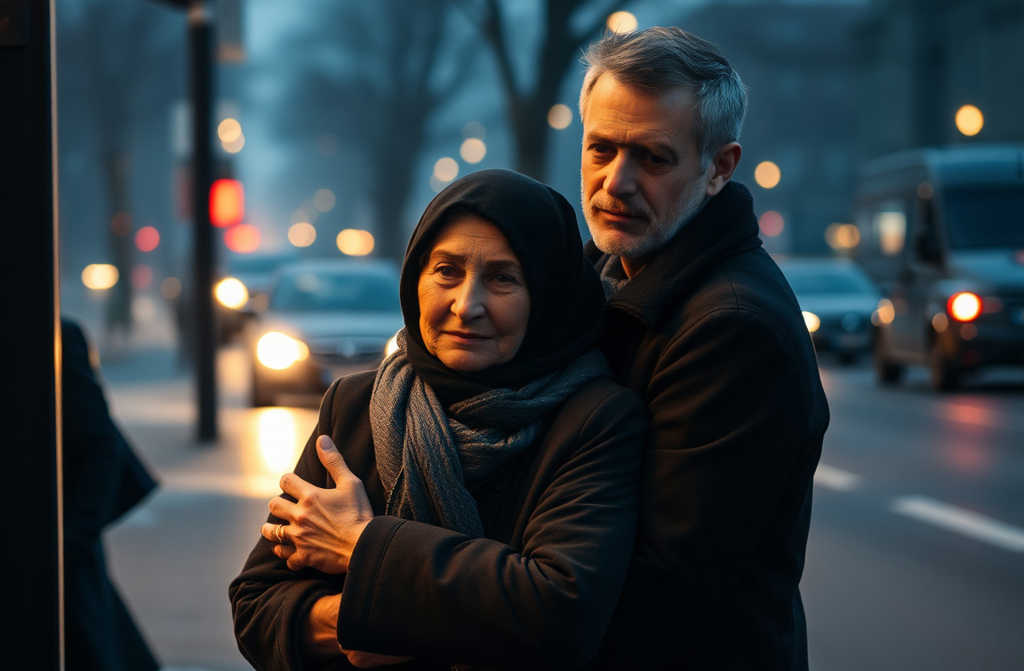
Gran, Don’t Cry! Please Stay Calm… I’ll Call You a Taxi Myself. Granny Annie had woken up before the sparrows. She never needed an alarm; her heart was restless and awake from three in the morning, full of worry and racing thoughts. Since yesterday, when the nurses told her, “Gran, come in early tomorrow, your husband’s got an important hospital test,” she hadn’t been able to sit still. Old Tom, her beloved husband of so many years, had been in the hospital for days. At their age, each hospital stay felt like a dark cloud over their home. So Annie lit the fire in the hearth, tied on her best black headscarf, and got herself ready for the journey with the careful ritual of a lifetime. It was still pitch-black outside when she closed the garden gate. The frosty village lane sparkled in the moonlight, the sky just tinged with the faint promise of dawn. She walked slowly—her legs not what they once were—but with that determined, short-strided step of a woman who’s worked hard all her life and never once complained. She was nearly at the end of the lane when a thought hit her like a stone in the chest: — My phone! I left it on the kitchen table… She stopped, eyes closed for a moment, sighing deeply, then turned around. The way back felt three times as long. When she stepped inside, the fire in the hearth seemed to glare at her in reproach. She grabbed the phone, stuffed it into her apron pocket, and hurried once more toward the bus stop, anxiety knotting her throat. She made it just in time: the bus hadn’t left yet. The driver was still having a smoke, no hurry at all. Annie climbed aboard quickly, blessing him with a heartfelt “God bless you, son.” She made the trip into town with all the anxious hope of someone praying she’d arrive on time. She counted the stops in her head, watched the world flicker past and clutched her headscarf under her chin all the tighter, as if it was all that kept her going. But when she got off, her luck ran dry. The hospital shuttle—the one that only comes once an hour—had just pulled away. She watched it turn the corner, as if waving goodbye. She waited ten more minutes in the cold, shivering not just from the chill but with worry for Tom. When the next bus finally arrived, a crowd pushed forward like it was Christmas at the department store. Annie, small and frail from a long life, couldn’t squeeze in. She took a step toward the door, then another, ticket ready and hope burning bright. But people surged forward, impatient, lost in their own concerns. A moment’s distraction, and a tide of bodies pressed inside. The doors snapped shut with a harsh, cold clack. Right in front of her. So close. Annie was left with her hand on the glass, peering through it like a broken bridge. Her eyes filled instantly with tears. She shook—the sleepless night, all her worry for Tom, years of tiredness bunched up inside her like an unbearable knot. And she began to cry. Not from pettiness, not from some trivial gripe, but from that ancient, deep pain of ordinary people who feel their strength slipping away. She wept, wiping her cheeks with the corner of her headscarf, not knowing what to do or if she would even get there in time. People passed her as if she were invisible. Until a man—around fifty, plain but cleanly dressed—paused by her side. He had a gentle face, the warmth of the countryside still in his expression, and eyes that seemed to know her story already. — Gran… what’s the matter? Why are you crying? Annie could barely speak. She pointed at the bus, pressed her hand to her heart, murmured something about “husband… hospital… check-up…” He understood. — Oh, Gran… now, now, don’t cry. Let’s sort this out. He reached into his pocket, pulled out his phone, and, in a steady but kind voice said, — I’ll call you a taxi. We’ll go together. I won’t let you go alone. When Annie heard “together,” it was as if someone eased a piece of pain from her heart. It was like God had finally remembered her. The world wasn’t such a bad place after all. People weren’t always in too much of a hurry. Someone had seen her. Someone had offered a hand. So there, on that rain-slicked December pavement, Annie and the kindly stranger stood watching as the taxi arrived. For the first time in that long, hard morning, Annie felt just a little less alone. And in her heart—long tested, often broken—a sliver of light crept back in. If Annie’s story touched your heart even a little, please leave a “Respect to our grandparents” in the comments, or share a kind word for all the elderly still braving life on their own. Let’s fill the comments with kindness and show there are still people who see, feel, and care. Write something—even the smallest gesture can mean the world to someone like Granny Annie.

Gran, dont cry. Just calm yourself Ill call you a cab.

My grandma Edith had woken before the birds. A clock was never necessary for her; her heart had been wide awake since three in the morning, restless and worn out by worry. Since yesterday, when the nurses had told her, Gran, you need to come first thing tomorrow, hes got an important test at the hospital, she hadnt quite known what to do with herself.

Granddad George, her lifelong companion, had been in hospital for a few days. At their age, every admission felt like a storm cloud piling up over their home. So, Edith had lit the fire in the hearth, tied her best black scarf beneath her chinthe nice oneand readied herself with the careful dignity of ritual.

It was still dark when she stepped through the gate. Frost glimmered on the narrow lane, and a pale slice of dawn just touched the sky. Her pace was slow, her legs not what they used to be, but determined, the gait of a woman who had worked hard every day of her life and never complained.

Shed nearly reached the end of the lane when a thought struck her like a stone:

My phone! Ive left it on the table

She stopped. Closed her eyes a moment, breathed out a long sigh, then turned back. The walk home felt three times longer. Inside again, she noticed the fire glaring at her as if to scold. She grabbed her phone, jammed it deep into her apron pocket, and headed for the bus stop, a lump of worry tightening her throat.

She was luckythe bus to town hadnt gone yet. The driver sat there smoking, showing no hurry, and Edith quickly climbed aboard, with a heartfelt bless you, driver, thank you. The journey into town was filled with anxious hope, silently counting the stops, pulling her scarf tighter beneath her chin, as if that alone would hold her together.

But her troubles started as soon as shed stepped off.

The hospital busthe one that only came once an hourhad just left. She saw it turning the corner, almost waving farewell with its rear end. So she waited another ten minutes in the biting chill, shivering not only from cold but from her worry about George. When the next bus arrived, people crowded around like it was a Boxing Day sale.

Edith, small in stature and burdened by a lifetime, couldnt fit in. She took one step towards the door, then another. Ticket in hand, hope in her heart. But people were in a hurry, jostling and bustling, everyone with their own concerns. For a second, she lost her place, swept aside by a sea of bodies

The doors snapped shut with a brisk, icy click.

Right in her face.

An inch away.

Edith stood with her hand pressed to the window, seeing through it as though a bridge had crumbled. Her eyes filled instantly. Her whole body shook. All the lost hours of the night, all the worry for George, all the weight of her years felt like a knot too big to bear.

And she burst into tears.

Not out of petulance, nor for some trivial upset, but from that ancient, deep pain of a simple soul who knew shed reached her limit. She wept, wiping her cheeks with the frayed edge of her scarf, not knowing what to do, not knowing if shed ever get there in time.

People strode past as if she were a lamppost. No one saw her.

Until a mana gentleman around his mid-fifties, dressed simply but neatlystopped beside her. He had a kind face, the look of someone raised in the countryside, eyes warm as if theyd known her all her life.

Gran whats happened? Why are you crying?

Edith could hardly get the words out. She gestured towards the bus, clutched her chest, murmured about my husband hospital medical test

He understood straight away.

Oh dear, Gran there, there, dont cry. Wait right there.

He slid his hand into his pocket, pulled out his phone, and said with gentle authority,

Ill call you a cab. Well go together. Im not leaving you on your own.

The moment Edith heard together, she felt a weight lift from her chest. It was as if the Lord remembered her again. The world wasnt as cold as it felt. People werent all in such a hurry. Someone saw her. Someone reached out.

So there, on the damp December pavement, Edith and the kindly stranger stood together watching the approaching taxi. In that brief hush, for the first time in that long, heavy morning, Edith didnt feel quite so alone.

And in her weathered soul, there was room once more for a sliver of hope.

If you find Ediths story tugged at your heart even just a little, leave a Respect for our grandparents in the comments, or share a note for the elderly who still fight lifes battles on their own. Lets fill this space with kindness, remind ourselves there are still those who care, who see, who help.

It may seem small, but for someone like my gran Edith, it might mean the world.

Today, I learned kindness often comes from unexpected places, and just one hand reaching out can light up the coldest morning.


Rate article
Add a comment

;-) :| :x :twisted: :smile: :shock: :sad: :roll: :razz: :oops: :o :mrgreen: :lol: :idea: :grin: :evil: :cry: :cool: :arrow: :???: :?: :!:

Gran, Don’t Cry! Please Stay Calm… I’ll Call You a Taxi Myself. Granny Annie had woken up before the sparrows. She never needed an alarm; her heart was restless and awake from three in the morning, full of worry and racing thoughts. Since yesterday, when the nurses told her, “Gran, come in early tomorrow, your husband’s got an important hospital test,” she hadn’t been able to sit still. Old Tom, her beloved husband of so many years, had been in the hospital for days. At their age, each hospital stay felt like a dark cloud over their home. So Annie lit the fire in the hearth, tied on her best black headscarf, and got herself ready for the journey with the careful ritual of a lifetime. It was still pitch-black outside when she closed the garden gate. The frosty village lane sparkled in the moonlight, the sky just tinged with the faint promise of dawn. She walked slowly—her legs not what they once were—but with that determined, short-strided step of a woman who’s worked hard all her life and never once complained. She was nearly at the end of the lane when a thought hit her like a stone in the chest: — My phone! I left it on the kitchen table… She stopped, eyes closed for a moment, sighing deeply, then turned around. The way back felt three times as long. When she stepped inside, the fire in the hearth seemed to glare at her in reproach. She grabbed the phone, stuffed it into her apron pocket, and hurried once more toward the bus stop, anxiety knotting her throat. She made it just in time: the bus hadn’t left yet. The driver was still having a smoke, no hurry at all. Annie climbed aboard quickly, blessing him with a heartfelt “God bless you, son.” She made the trip into town with all the anxious hope of someone praying she’d arrive on time. She counted the stops in her head, watched the world flicker past and clutched her headscarf under her chin all the tighter, as if it was all that kept her going. But when she got off, her luck ran dry. The hospital shuttle—the one that only comes once an hour—had just pulled away. She watched it turn the corner, as if waving goodbye. She waited ten more minutes in the cold, shivering not just from the chill but with worry for Tom. When the next bus finally arrived, a crowd pushed forward like it was Christmas at the department store. Annie, small and frail from a long life, couldn’t squeeze in. She took a step toward the door, then another, ticket ready and hope burning bright. But people surged forward, impatient, lost in their own concerns. A moment’s distraction, and a tide of bodies pressed inside. The doors snapped shut with a harsh, cold clack. Right in front of her. So close. Annie was left with her hand on the glass, peering through it like a broken bridge. Her eyes filled instantly with tears. She shook—the sleepless night, all her worry for Tom, years of tiredness bunched up inside her like an unbearable knot. And she began to cry. Not from pettiness, not from some trivial gripe, but from that ancient, deep pain of ordinary people who feel their strength slipping away. She wept, wiping her cheeks with the corner of her headscarf, not knowing what to do or if she would even get there in time. People passed her as if she were invisible. Until a man—around fifty, plain but cleanly dressed—paused by her side. He had a gentle face, the warmth of the countryside still in his expression, and eyes that seemed to know her story already. — Gran… what’s the matter? Why are you crying? Annie could barely speak. She pointed at the bus, pressed her hand to her heart, murmured something about “husband… hospital… check-up…” He understood. — Oh, Gran… now, now, don’t cry. Let’s sort this out. He reached into his pocket, pulled out his phone, and, in a steady but kind voice said, — I’ll call you a taxi. We’ll go together. I won’t let you go alone. When Annie heard “together,” it was as if someone eased a piece of pain from her heart. It was like God had finally remembered her. The world wasn’t such a bad place after all. People weren’t always in too much of a hurry. Someone had seen her. Someone had offered a hand. So there, on that rain-slicked December pavement, Annie and the kindly stranger stood watching as the taxi arrived. For the first time in that long, hard morning, Annie felt just a little less alone. And in her heart—long tested, often broken—a sliver of light crept back in. If Annie’s story touched your heart even a little, please leave a “Respect to our grandparents” in the comments, or share a kind word for all the elderly still braving life on their own. Let’s fill the comments with kindness and show there are still people who see, feel, and care. Write something—even the smallest gesture can mean the world to someone like Granny Annie.
Actually, I was planning to move there myself – and now my mum has just moved in!