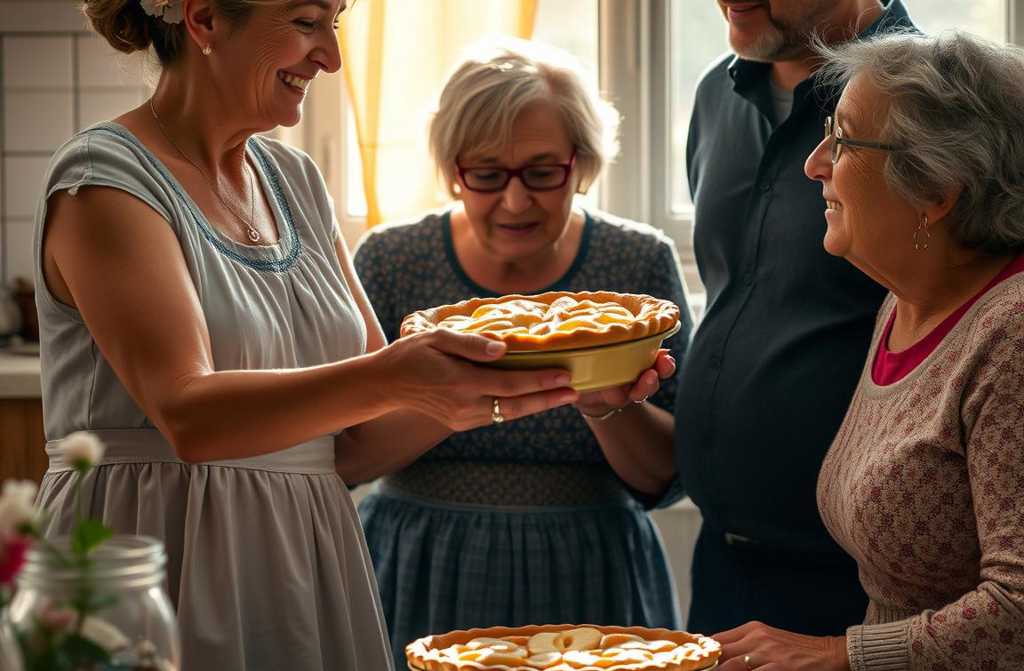
Long ago, my mother-in-law, Edith, would never miss a chance to criticise my meals, so eventually I ceased inviting her for supper.
Eleanor, dear, have you doused the stew in malt vinegar again? Its so sharp, poor Charles will be doubled over with indigestion. You know his constitution is fragile, he needs everything mild, simple, and youre forever heavy-handed with the seasoning.
Edith nudged her bowl away, the steam from the rich, burgundy stew rising in lazy spirals, and fixed her son with a look of grave worry. Charles, hunched over his plate, feigned deafness, though his ears burned crimson. I stood by the hob, ladle poised, motionless. My insides twisted with anxiety, but I mustered the well-rehearsed, dutiful daughter-in-law smile Id worn since our wedding day.
Edith, I never use vinegar, just a squeeze of lemon for a bit of zest. Charles is fond of this stew, arent you, Charles?
He glanced up, eyes clouded with discomfort, caught between his wife, who could truly cook, and his mother, who fancied herself the only authority on food in all of Kent.
Its nice, Mum, honestly, he muttered, shovelling in a mouthful and following it with a chunk of crusty bread. Just ordinary stew.
Ordinary, Edith repeated, lips pursed. Thats the trouble. It ought to be hearty, comforting. When I make it, I never fry the vegetables, thats unhealthy. I simply toss in the onions and carrots. But yours, Eleanor, is swimming in grease. Never mind, Ill jot down my recipe for you. Youll get there. Youre still young, not quite mastered it yet.
I turned to the sink, silent. Still young. I was thirty-two. I ran a cookery blog with ten thousand readers. Strangers raved about my dishes, colleagues pleaded for my signature tarts at every office gathering. But to Edith, I was a hopeless bungler, intent on poisoning her beloved son with my reckless concoctions.
Sunday roasts were a tradition, as predictable as the rain. Each week, Edith would appear to see the children and inspect the larder. Id begin preparations on Saturday, buying the finest beef, the freshest curd, the brightest herbs. I tried to impress, to win a single grudging not bad. But the script never changed.
That day, after the stew, I served roast pork, laced with garlic and carrot, wrapped in foil. The meat was meltingly tender. Edith prodded it with her fork as if searching for a flaw.
Dry, she declared. Overcooked. Far too much garlic. Eleanor, you seem to think more spice equals more taste? Thats a beginners error. The flavour should be clean. I do my pork in a roasting bag, it stays moist. Yours is like an old boot. Charles, dont overindulge, youll feel sluggish.
Charles, whod already eaten two slices, set his fork down, appetite spoiled. I felt a lump of hurt rise in my throat. Id spent hours marinating that joint in a special blend.
Tea? I offered, voice dull, clearing the plates.
Tea would be lovely, Edith nodded regally. But not that Earl Grey, I hope? It sends my blood pressure soaring. Just plain English Breakfast, please. And Ill try your cake, though yeast bakes are dreadful for the waistline. Youve filled out a bit, havent you, Eleanor?
I hadnt gained a pound, but I didnt argue. I brought out my cherry pie my pride, golden and plump, the filling set in a ruby jelly.
Edith broke off a piece, chewed, eyes on the ceiling.
Tart, she pronounced. Did you skimp on sugar? Or is it tinned fruit? In my day, we made jam and baked with that. Now its all shop-bought rubbish. Well, itll do with tea if I add more sugar.
That evening, after Edith departed, I collapsed on the settee, the kitchen a chaos of dishes, the pie barely touched, dissected by criticism.
Eleanor, whats wrong? Charles sat beside me, arm around my shoulders. You know what shes like. She used to be a headmistress, she has to instruct everyone. Dont let it get to you.
Shes not instructing, shes belittling, I whispered. I cook for you both, I try. She comes and tramples all over my effort. Old boot, tart, poison. Doesnt it bother you?
Of course it does. But what am I meant to say? Mum, hush? She means well, in her way. She just has different tastes, old-fashioned, school dinner food, you know. Thats what she grew up with, so she finds fault with anything else.
School dinners? I gave a hollow laugh. If only. She thinks shes a cordon bleu chef, but her fishcakes are mostly breadcrumbs, and her soup is just water and potatoes.
Dont start, Charles winced. She cooks fine. Just differently. Lets not quarrel over supper.
I let the silence settle, but inside, something shifted. I wasnt hired to be a punchbag in my own kitchen.
The week slipped by, and Sunday loomed again. This time, it was Charless birthday. Not a milestone, just thirty-four, but we wanted a family gathering. I planned a five-course meal: watercress and prawn salad, mushroom vol-au-vents, duck with apples, homemade bread, and a Victoria sponge from my grandmothers recipe.
I rose at dawn, kneading, whisking, baking. By two, the flat was thick with aromas to make anyones mouth water. The table gleamed: fresh linen, silver napkin rings, crystal goblets.
Edith arrived at two sharp, lugging a massive shopping bag.
Happy birthday, love! she kissed Charless cheeks. Grow up strong, dont be a weakling. Ive brought you some treats.
She bustled into the kitchen and began unloading… plastic tubs.
Here, I made brawn, just as you like it, with pork trotters. Lovely and rich. I know about these trendy salads just leaves, a man cant live on that. Heres herring in mayonnaise, plenty of it. And my special steamed fishcakes, easy on the stomach.
I pressed myself against the fridge, watching her take over. My perfect table, my careful dishes, now crowded by greasy containers of cloudy brawn and greyish herring.
Edith, why? my voice trembled. Ive made a birthday lunch. Weve got duck, mushroom tartlets…
Oh, Eleanor, what do you know, she waved me off. Your duck will be tough, its tricky to cook. And tartlets thats just nonsense, mushrooms are heavy. Let Charles have proper food, his mums food, on his birthday. You can finish your experiments later.
She shoved aside the prawn salad and plonked her brawn in its place.
Sit, Charles, sit. Ill serve you.
Charles shot me a helpless look. I stood pale, biting my lip. I wanted to fling the duck out the window, or run to the bedroom and weep. Instead, I drew a long breath.
Charles, my voice was icy. Are you eating what I made, or your mums fishcakes?
Eleanor, dont make it a row, he flustered. Well try everything. Mum went to the trouble…
So, well try everything, I nodded. Something inside me snapped, or perhaps finally settled.
Lunch passed in brittle silence. Edith ostentatiously ignored my duck and salads, piling her own food onto Charless plate, narrating each bite:
See, love, look how clear this brawn is? Not like that shop rubbish. And the fishcake, so soft, no chewing needed. Eleanor, you should learn while Im still here. You feed him dry scraps.
Charles dutifully chewed his mothers fishcakes, sneaking bites of my tartlets, desperate to please both sides.
And the cake? Edith asked when tea was poured. Bought it, I suppose?
I baked it. Victoria sponge.
Oh, what a palaver… And the cream, is it butter? Far too rich. I brought some Rich Tea biscuits. Much healthier.
She nibbled a crumb of cake, grimaced, and set her spoon down.
The sponge is dense. Not light enough. And the creams too sweet. Eleanor, bakings not your strength. Youd have done better to buy one, honestly, less wasteful.
That night, after Edith left her greasy tubs (You wash them, I cant carry them back), I didnt cry. I quietly packed away the remains of my feast. The duck was barely touched.
Eleanor, the cake was lovely, truly, Charles ventured, peering into the kitchen.
I turned to him, eyes dry and calm.
Im glad you enjoyed it. But that was the last time your mother will disparage my food at this table.
What do you mean? Charles blinked. Youre banning her?
No. She can visit. But I wont cook for her. Not ever again.
Hows that? Charles looked lost. Shes a guest. How can you not feed her?
Simple. If my food is poison, old boot, tart, and a waste of groceries, I cant in good conscience endanger her. Shes got her health to think of. Let her eat at home or bring her own. But I wont lift a finger for her.
Eleanor, thats harsh.
Harsh is coming to your daughter-in-laws house on your sons birthday, tearing apart every dish shes spent a day making, and forcing everyone to eat your sour brawn. Thats harsh. Im just protecting my nerves.
The next Sunday arrived, as relentless as ever. Edith rang in the morning, announcing shed be round for lunch. I replied serenely, Well be expecting you.
At one, the bell rang. Edith entered, sniffing the air. Usually, the kitchen would be thick with the scent of roasting meat, vanilla, or stewing veg. Today, there was only the faint aroma of coffee and the crispness of an open window.
Hello, she said, heading for the kitchen, expecting a spread.
The table was bare, save for a plate of shop-bought digestives, a sugar bowl, and three cups. No salads, no soup, no roast. The cooker gleamed, untouched and cold.
Are we dieting today? Edith asked, lowering herself onto her favourite chair.
Why? I replied, flicking on the kettle. Charles and I already had lunch. Were waiting for you for tea.
Already eaten? Without me? I hurried over, didnt eat all morning, thought wed have a family meal.
Edith, I didnt make anything special, I smiled sweetly, setting her cup down. You said last time my food was bad for you. That I waste ingredients. That everythings fatty, tart, dry. I thought about your words all week and decided not to risk your health. Youre not young, you must take care. What if I made another mistake? Id never forgive myself if you felt unwell.
Ediths mouth opened, then closed. She glanced at Charles. He sat glued to his phone, feigning deep interest in the pounds exchange rate.
Charles! she cried. Do you hear this? They begrudge me a slice of bread in this house!
Mum, whos begrudging? Charles finally looked up, voice uncertain, remembering my ultimatum: Back me or Im off to my friends for the weekend, you and your fishcakes can sort yourselves out. Eleanors right. You always criticise. This isnt right, thats wrong. She gets upset. So she decided not to cook, so you wouldnt be upset.
Me? Criticise? Edith clutched her chest. I only want to help! Im sharing my experience! And you… Ungrateful! Starving your own mother!
The biscuits are very fresh, do have some, I nudged the plate. Shop-bought, nothing experimental.
I dont want your biscuits! Edith shot up, knocking her chair. I wont set foot here again! I come with all my heart, and you… Charles, I never thought youd let this happen! Henpecked!
She stormed out, her coat swishing, the door slamming so hard the windows rattled.
Well, Charles sighed. Shes upset.
Shell get over it, I said calmly, pulling a hidden tray of lasagne from the oven. At least no one said the house smells or the foods dreadful.
You made lasagne? Charles perked up, catching the scent of cheese and tomatoes. Why hide it?
Because its for us. For those who appreciate it. Sit down, eat while its hot.
Edith didnt call for a fortnight. She waited, expecting us to crawl back with apologies. We didnt. Charles rang a couple of times, checked on her, but never mentioned food. I savoured the peace.
On the third week, Edith phoned herself. Her voice was frail, defeated.
Charles, my taps leaking. And my backs gone. Could you come after work?
Of course, Mum, he said.
He went round that Wednesday. Came home late, pensive, subdued. I was at the kitchen table, finishing a blog post about the secrets of perfect risotto.
Hows your mum? I asked.
Fixed the tap. Rubbed her back with ointment, Charles sat down, looking at me. Eleanor, I had dinner there.
Was it nice? I asked, without a hint of sarcasm.
He hesitated, searching for words.
You know… I think I never noticed before. Or I was just used to it. But today… She made barley broth. It was so… grey. The barley was underdone, chewy. Then she served goulash. Greasy, loads of oil, hardly any meat, just gristle. And everything was oversalted.
It happens, I shrugged. Taste buds change with age.
No, he shook his head. I realised its always been like that. I just ate it, thinking thats how its meant to be. Then you came along. I learned that meat can be succulent, soup can be clear and fragrant, salad isnt just a mess of mayonnaise. I got used to good food, Eleanor. Yours. And today, eating Mums, I understood why you were hurt. It really is bad. Objectively.
I hugged him, pressing my cheek to his hair. That was the truest confession Id ever heard.
You didnt tell her?
Of course not. Why upset her? I said thank you, ate what I could. Didnt ask for seconds. Eleanor, Im sorry. I was a fool not to stand up for you sooner. Youre a marvel.
Never mind, I smiled. Hungry? I made curd fritters, with sultanas.
Famished! Charles grinned. Yours are a triumph.
On Sunday, Edith returned. Loneliness and the urge to keep control had outweighed her pride. She entered quietly, without her usual bluster.
I met her in the hall.
Hello, Edith. Come in.
Hello, Eleanor.
The kitchen was scented with vanilla and cinnamon. Edith sniffed the air.
Baking something?
Apple sponge, I replied. With Bramleys.
I set the table, laid out the best plates. Unmoulded the cake tall, golden, with a crisp sugar crust. Sliced a generous piece for Edith.
She eyed the cake, then me. I saw the struggle in her face. She wanted to say, the apples are too chunky, or the cinnamon overpowers it. But she remembered last time. The empty table, the shop biscuits. The lonely weekends.
She took a fork, broke off a piece, tasted it.
Well? Charles asked, watching her.
Edith chewed.
Soft, she managed. Baked through nicely.
Do you like it? I asked directly.
She met my gaze. There was no fear or pleading in my eyes. Only the quiet confidence of someone who knows her worth.
With tea, its quite good, Edith conceded, which was as close to surrender as shed ever come. Not the classic recipe, Id use fewer eggs, but… tasty. Thank you, Eleanor.
Youre welcome, I smiled, giving her another slice. Eat while its warm.
Edith never criticised my cooking again. Sometimes, out of habit, shed mutter, Id add a bay leaf here, but, catching my look, shed quickly add, but yours is interesting, original.
She stopped bringing her own food. Only once, at Easter, did she bring her simnel cake. I set it in the centre of the table, beside mine. And you know what? Charles ate his mums cake, praised it, then quietly reached for mine. And I pretended not to notice. Because peace at home matters more than whose sultanas are sweeter. The real victory is knowing you set the rules in your own kitchen.






