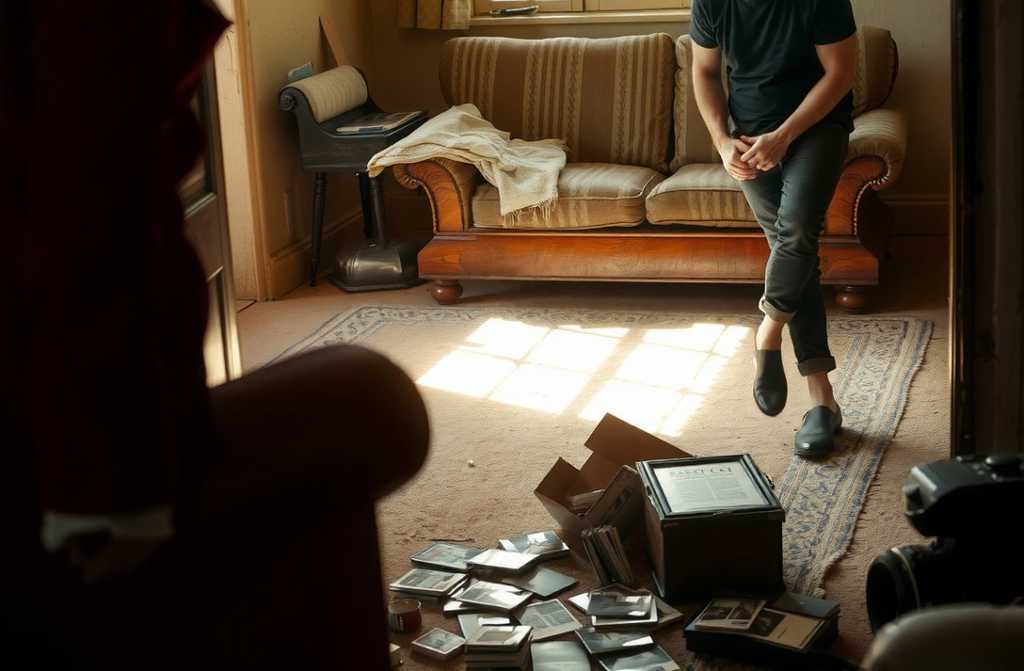
Ash on the Veranda
You just never want to listen to me! Davids voice was taut with barely suppressed anger. Just like always.
Margaret turned from the window, where the old apple trees swayed outside, and regarded her brother coolly. The sunlight fought its way through the dusty veranda glass, casting narrow beams where dust motes danced. The warm scent of sunbaked wood and brittle, fallen leaves filled the old countryside house, but that familiar summer comfort no longer soothed her.
I hear you perfectly well, she said evenly. You want to sell the cottage. Or at least your half. However you phrase it, its the same in the end. You want to get rid of the last thing we have left from Mum and Dad.
Get rid of it? David sprang up from the threadbare sofa where their father used to read the evening papers. Oh for heavens sake, Maggie, youre fifty-eight! This is just a house! Bricks, wood, and a patch of dirt!
Its not just a house.
For you maybe. Because you come here three times a year, mope about the garden looking thoughtful, have a dramatic sigh, then return to your shiny London flat. For me, its its a millstone round my neck.
Margaret pressed her lips together. That familiar cold anger was rising again, wrapping around her heart, making her words crisp and pitiless.
A millstone, she echoed. I see. And what about the twenty years Ive paid the council tax on this place? The new roof after that storm? Who checked the pipes didnt burst every winter? Is that a millstone too?
I never asked you to do any of that!
You never asked for anything at all. You just lived your own life while I picked up the pieces.
David turned to the window. Shoulders bunched and hunched beneath his faded t-shirt. He was a tall man, but always stood as though trying to make himself as small as possible. Even at fifty-two, he still looked like a sheepish schoolboy caught in the wrong. Margaret had always noticed, and always wondered why it infuriated her so much.
Ive got a real chance now, he said quietly. A proper one. Green Haven isnt just a pipe dream. Ive worked on this for three years. Ive got contacts, figures, even three pre-orders. Eco gardens on rooftops and balconiesits the future, Maggie. People want this. The city needs this.
Like your organic grocers needed you, did it? Margaret couldnt help herself. Remember how you promised me that would be a breakthrough? Told me youd be on top of the world within a year? And then six months later you needed a loan just to close out your debts?
That was ten years ago.
So whats changed? Youve suddenly become reliable? Or have you just fallen for another shiny idea?
David turned sharply. Pain flickered in his gazepain so raw Margaret faltered, just for an instant.
Youll never believe Im capable, will you? His words dropped heavy and slow. No matter what I do, no matter what I prove. To you, Ill always be that fifteen-year-old idiot you dragged away from the wrong crowd after school.
Dont be daft.
Its not daft! Davids voice cracked, sharp. You still see me that way! A failure whod be lost without you! You choke me with your care, your control, that constant Im just looking out for you!
I really did look out for you, Margaret felt her voice tremble, betraying how close she was to tears. When Mum and Dad died, you were fifteen. Fifteen, David! I was twenty-one, and I had to be your mother, father, and sister in one. I didnt date, I didnt travel, I just worked myself to the bone so you could study. So your life would be normal.
I never asked you to give up your life for me!
You were a child. Of course you didnt ask!
They stood facing each other in the old room, thick with dust and memories, so much unsaid between them it felt the air might crack.
David moved across to the ancient Welsh dresser against the wall. The doors groaned as he opened the bottom drawer, pulling out a shoebox tied up with string.
Know whats in here? he asked, his voice cold and metallic. Our so-called happy childhood. Photos. Mum, Dad, the two of us at the seaside, in the garden, at home. Smiles, cuddles, love. Do you even remember any of it?
Margaret stared at the box. Of course she remembered. Shed packed those photos away herself after their parents death, unable to bear seeing them.
Thats all weve got left, Davids hands shook as he spoke. But you know what? They dont make us a family. Theyre just bits of paper. Dead memories. You cling to them, to this house, to your role as saviour because you cant fill your life with anything else.
How dare you
I dare because I am tired! Tired of your eternal pity! Of feeling like a failure every time you look at me with that patronising sympathy!
He made for the old wood-burner in the corner, swinging open its creaking metal door. Only then did Margaret realise what he meant to do.
David she started, but her voice got stuck.
He untied the string, opened the box. Photographsdozens, hundredstumbled onto the floor. Mum in a white summer dress. Dad with his fishing rod. The four of them on the veranda. Smiling childhood faces now lost forever.
Dont you dare, Margaret whispered.
David lifted a handful of photos. His face had turned pale, his lips were trembling, but he didnt stop. He stuffed them into the wood-burner. Struck a match.
No, David! Stop!
Margaret lunged, but it was too late. A tiny flame licked at the edge of the photo where Mum smiled at the lens. The smile blackened, curling inwards and turning to ash.
Youre mad! Margaret tried to grab at the stove, but David pushed her away. Another handful went into the flamesDad, the sea, happiness slipping away in smoke and fire.
Stop hiding behind the dead! David shouted, tears running down his face. Stop pretending youre sacrificing yourself for their memory! You didnt want a brother, you wanted some museum piecea reason to fuss so you wouldnt have to think about how lonely you are!
Margaret fell to her knees before the wood burner, helplessly watching her childhood burn. Ash drifted into the air, settling black flakes on the old wooden floor. Her hands shook. Inside, a coldness so deep she could hardly breathe.
Go, she whispered.
What?
Get out! She rose to her feet, face turning to ice. Go. Now.
Maggie
Just go! The shout ripped out of her throat, raw and hoarse. Youre no brother of mine! Dont you dare ring, dont come back! I never want to see you again!
David stood there, breathing heavily. Then, silent, he grabbed his jacket from the sofa and headed out. The garden gate banged. The car engine started and burbled away into the hush of an English summer.
Margaret sank to the floor and broke down. For the first time in years, she allowed herself to cry for real, sobbing like a child. The last of the photos burned away in the stove, smoke curling into the room, carrying the scent of scorched paper and a destroyed past.
***
The month crawled by like a waking nightmare. Margaret returned to London the next day, triple-locking the cottage and trying, unsuccessfully, to put it out of her mind.
Her flat greeted her with its familiar, echoing silence: high ceilings, polished parquet, expensive modern furniture, muted colours, abstract art on the walls. Everything was flawless. Like a magazine spread. Margaret wandered into the kitchen, opened the fridgenothing but a bottle of sparkling water and a dried-out lemon. She wasnt surprised. Cooking for herself had never appealed, usually eating near her office or ordering in.
She sat at her Italian marble dining table, gazing out over the city lights. London bustled beyond the glass, but none of it seemed to touch her. The silence was oppressive.
At work, she switched on autopilot. Consultations, hearings, negotiationsone after another. Partners at the law firm respected Margaret Richardson for her steeliness and composure. She never lost control, never showed emotion, and always saw a case to its finish. The perfect solicitor. Dependable.
But at night, staring at the ceiling, she replayed that last argument with David. His words hurt more than she dared admitYou didnt want a brother, just a museum piece, Youre choking me with your care Youre drowning in your own loneliness.
Its not true, shed tell herself. I did all the right things. I saved him from that bad crowd, helped him out of endless scrapes. I was always there.
And yetdid he ever ask for any of it?
Margaret would get up and wander the flat, brew a cup of tea that always went cold, untouched. On the sitting room shelf stood the one photo that had survived, in a silver frameshed brought it from the cottage years ago. In it, she and David sat on the porch as children; she about nine, him four, her arm around his shoulders while he looked up at her with adoration.
When did he stop looking at her that way? Did he ever?
She tried ringing him on the third day; call declined. She texted, We need to talk. No reply. She phoned their old Aunt Pamela, who still spoke to David occasionally.
Pam, have you heard from David?
Whats happened? Pamela sounded guarded.
We had a row. A serious one.
Oh, thats new. You two have been at each other since you were kids.
Its different this time, Pam.
He hasnt called me, she answered, after a pause. But if youre really worried, you should try him again.
He wont answer.
Then give him time to cool off. Hes always been hot-tempered, but he comes around.
Time passed, but David stayed silent. Margaret found herself checking her phone every ten minutes, furious at her own hopefulness. Why did she care? He was the one who burnt the photos, who said unspeakable things, who wanted to flog the cottage.
Yet in the quiet moments, when her guard was down, other memories came: David, ten years ago, sitting in her kitchen after his grocers collapsed. Hed cradled a mug of tea, explaining how everything had gone wrongdebts, a backstabbing partner. She remembered thinking: Of course, here we go again, and I have to dig him out.
She gave him the money. Not as a loanshe knew hed never repay it. Shed said, staring him down, Time to stop with the wild schemes, David. Find a proper job. Youre over forty now.
Hed nodded, thanked her, and left. And she saw not gratitude in his eyes, but shame. Humiliation. Back then she thought it was righthe needed to learn how the world worked.
But what if he learnt something else? That his sister thought he was a failure? That shed never believe in him?
Margaret tried to push the thoughts away, burying herself in workextra cases, late office nights. Colleagues gave her odd lookseven by the firms cutthroat standards, she was overdoing it.
Maggie, you alright? asked Serena, a partner from the next office. Youve lost weight.
Im fine, Margaret said. Just busy.
Maybe take a break? Go abroad, have a rest?
No time.
It was trueno time to sit on a beach thinking about how your brother wont speak to you. No time to watch sunsets and recall running around the garden, building dens out of sticks, or Dad teaching them to cook mushrooms over a campfire.
Four weeks passed. One evening, sorting out case notes at home, her eyes fell on the photos in the silver frame: David, age four, earnest and wide-eyed. Margaret picked it up, and suddenly realised, she hadnt for a moment tried to see things from his perspective.
Why did he want to sell the cottage? To squander the money, or to finally do something of his own, prove something to himselfand maybe even to her?
Green Haven. Eco gardens. Shed never even asked him for details, brushing it off as another childish fantasy.
Margaret set the photo down and phoned David. Ring after ringno answer.
She texted: David, Im sorry. Lets meet and talk properly. Please.
No read receipt. For two more days, she waited for a response. Then she phoned Aunt Pamela again.
Pam, you really havent heard from David?
Youre worrying me, Maggie, whats wrong?
He vanished. Almost five weeks now, ever since that argument.
Maybe he just needed a break, you know what hes like.
Maybe, Margaret replied, though she wasnt sure she believed it herself, but if he does call you, tell him theres no hard feelings. I want to talk.
Alright, loveIll let him know.
Margaret returned to work, to her empty flat. She had no clue that, a hundred miles away in a little market town, David was also lying awake at night.
***
Davids flat was in a grotty old block on the edge of town. Two rooms, windows looking onto the car park and a battered playground. Once, hed dreamed of buying somewhere bigger, but that was another abandoned hope.
The place was a tangle of chaos typical of someone totally absorbed by a project. Table buried under printouts on vertical gardening, sketches, figures. Windowsills cluttered with plant potsficus, succulents, all sorts. This was his lab, his workshop, his world.
After rowing with Margaret, David had returned, and spent three days sprawled on the sofa, staring at the ceiling. He tried to work up some anger, but only an aching emptiness came.
Hed burned the photos. Their whole shared past. Was it freedom, or the most idiotic thing hed ever done?
Calls from Margaret flooded his phone for days. Every time he saw her name on the screen, he couldnt bring himself to answer. What would be the point? Shed just start lecturing, again, about his schemes, his irresponsibility, how the cottage was sacred.
By the fourth day, he roused himself, showered, opened the laptop. Green Haven wasnt going to build itself. If hed blown up his only real family, at least he could get resultsprove he was right.
He threw himself in headlongchasing up investors, meeting suppliers, hunting clients. And the project was good, if he was honest with himself: hed spent three years learning from European companies, adjusting designs for the English climate. Eco gardens werent just fashionable, they made homes quieter, healthier, greener. There was a buzzhe saw it in the replies he got.
But he needed starter money: a small office, first batch of materials, advertising. Hed worked it outthe sale of his half of the cottage would be just enough. Not a fortune, just enough to begin.
And Margaret hadnt even listened. Shed just shut him down, because the cottage is sacred, because youre a failure on another adventure.
His heart ached with resentment. But he kept going. Two backers offered small investments. He negotiated a delivery deal for landscaping soil. His first clienta young family in a new-build blockwas waiting for their balcony design.
At night, David pored over the designs, and sometimes drifted to memories of his sister. When their parents died, hed been fifteen: a world wiped out. Mum and Dad killed in the motorway crash, and Margaret, fresh out of university renting a box room in a shared house, suddenly had to raise him.
He remembered her tucking him into a camp bed while she crammed for legal exams at the kitchen table. Giving him pocket money for the cinema, then living off noodles for days. Crying quietly at night, thinking he was sleeping.
She rescued him, no question. So why couldnt she stop? Why did she keep trying to save him when he was a grown man?
Irritated, David slammed the laptop shut, poured himself some tea, and gazed out the window at children playing football below. Everyone else seemed to have regular lives. His felt skewed, broken.
His phone buzzeda message from Margaret: David, Im sorry. Lets meet and talk properly. Please.
David stared at it for ages. Sorry. Easy to say. What next? Another lecture? More worrying?
He set the phone face down and decided to reply later. When Green Haven was working. When he could prove her wrong. Then theyd talk.
Another two weeks of grinding work. He barely ate, snatched sleep, every waking thought tuned to the project. The first client’s balcony was a hitthey were delighted, posted photos online. More enquiries followed. David worked evenings taking calls, pricing up jobs, ordering plants.
Then, one day, he was driving back from the garden centre in a battered hired van, trunk full of seedlings. The sky opened, summer rain streaming across the windscreen. David squinted into the spray, thoughts turning once more to Margaret. Maybe he should ring her? Maybe she genuinely wanted to talk, for once.
The lorry ahead braked hard. David couldnt react in timeslick road, worn brakesmetal clanged and screeched, the world spun, turning to shattered glass, rain and pain.
Thennothing.
***
Mrs. Richardson?
She was sitting in a meeting room at work, documents on a complicated corporate spat spread in front of her. The partners were discussing strategy, but Margaret realised she couldnt make out what any of them were saying. Her phone buzzedan unknown number.
Normally she would never pick up in a meeting, but instinctively, she reached for it.
Yes, speaking?
Good afternoon. Is this Margaret Richardson? Are you the sister of Mr. David Richardson?
Her heart clenched so hard she almost gasped.
Yes, hes my brother. Whats happened?
The voice was a tired, practised calmfemale, matter-of-fact: Your brother was in a serious road accident. Hes in intensive care. You need to come as soon as possible.
Margaret remembered nothing after that except stumbling from the meeting, colleagues staring, grabbing her bag, phoning for a taxi, clinging to her phone as if it could stop time.
Please, please go quicker, she whispered to the driver, please.
It was a hundred miles, but felt endless. She phoned the hospital every ten minutescritical but stable, were doing all we can.
What did critical mean? Was he dying right now? Was he conscious?
Her mind spun. The last thing shed said to him: Youre no brother of mine. God. How could shehow could she say that?
Rain hammered the taxi windows, turning the landscape to mush. Margaret remembered David as a little boy, hurt and muddy, coming running to her, and she would kiss his knee better and the tears would stop. Remembered him at fifteen, lost, grieving, at their parents funeral. His shining face the day he graduated university, with his first proud degree.
When had she stopped being proud, and started just instructing and criticising?
The hospital smelled of disinfectant and heartbreak. Margaret dashed to reception.
David Richardson, where is he?
The nurse barely glanced at her: ICU, fourth floor, visits are restricted.
Im his sister!
Speak to the doctor, room 407.
Margaret ran up the stairs rather than wait for the lift. Down the corridorroom 407. She knocked.
Come in.
A middle-aged man, salt-and-pepper hair, weary eyes, looked up from his notes.
Youre here about Mr. Richardson?
Yes. Im his sister. Im his only family. How is he?
The doctor motioned her to sit, and she did, legs trembling.
Your brother was badly injured: multiple fractures, internal bleeding, head trauma. We operated to stop the bleeding. Hes in a medically induced coma, on a ventilator.
Will hewill he survive? Her voice broke.
The next forty-eight hours are critical. Were doing what we can.
Can I see him?
Five minutes. Just look, dont touch, dont talk. He needs to rest.
He led her through to intensive care. Margaret felt half-dreaming as harsh hospital smells and the beeps of machines closed in.
There, the doctor said, drawing aside a curtain.
And there was David. So white and still, tubes and wires everywhere, bruised and bandaged, more dead than alive.
David, she whispered, though shed been told not to speak. Please forgive me. Please.
Machines beeped on. David didnt move.
Youll have to go now, the doctor said quietly. He cant hear you. Come back tomorrow evening. With luck, therell be improvement.
Margaret nodded, unable to summon a word. She took one last look and staggered outside. She barely noticed it was already dusk as she sat on a bench near the main doors, face in her hands. Her tears burned at her eyes but nothing came. She felt empty. Cold. Terrified.
What if he died, and their last words were that shouting match?
She pictured David holding the handful of photos by the wood stove, his face twistednot in anger, but agony. Hed been suffering. And she was too busy being right to notice.
Her phone buzzeda message from Serena: Maggie, where are you? Is everything alright? Please call.
Margaret ignored it. She found the nearest B&B online and booked a room. Half an hour later, she stood in a tatty little guest room, ancient wallpaper and sagging bed. She found her phone charger and sat, numb, on the edge of the mattress.
Her eyes fell on a clear plastic bagDavids things. One of the nurses had stuffed it into her hands: Patients personal effects. Please sign here.
She opened the bag: torn, bloodied jacket, cracked phone (still working), house keys, and a battered notebook, creased and dog-eared.
Margaret picked up the notebook. She flipped it open at random. Davids neat writing filled the page:
Balcony garden 3 by 1.5 metres. Wooden modules with auto-irrigation. Herbs: basil, mint, thyme. Flowers: petunia, lobelia. Client wants a seating areainstall a bench, hang fairy lights. Estimate: £1,250. Profit: £400. Three days work.
She turned more pages. Calculations, sketches, detailed notes. On one pagea printout from an article about urban eco-gardens, paragraphs underlined, observations scribbled in the margins.
With every page, something shifted in her chestthis wasnt a naive dreamer. This was a man doing real work, planning, preparing.
Near the enda list of contacts: Compost supplierHarry, 15% discount on orders over 50 bags. Backer 1Mr. Thomas, £3,000 for 10%. ClientsAugust projects queue.
Suddenly, she saw another sort of entry:
Ask Maggie about the legal sidesole trader or limited? Shes the expert. Maybe shell help with the contracts. If shell forgive me for the row.
Margaret froze. Read it again. And again.
He wanted her help. Hed been thinking about her.
Another page: This may appeal to Maggieits a proper, positive project. Not a crazy scheme, real business, all worked out. If I show her the plan, maybe shell see Im not hopeless.
Margaret sat with the notebook in her lap, hands trembling.
He was serious. He was trying. And she hadnt even listenedshed dismissed it, called him a risk, labelled him a failure. Because it was easier to see him as the little brother needing rescuing.
She opened the notebook again, reading morethe hopes, the plans. On one page, glued in, was a tiny photothe cottage garden, apple trees in full bloom. Underneath: Start with the old plot. Make the unused bit into a show garden. Prove to Maggie I can do it.
Hot tears finally overflowed. Alone in a cheap guest house, clutching Davids notebook, Margaret weptfor the pain, for the shame, for all the times shed failed to see the man David had become.
Shed been so, so wrong. Would she have a chance to tell him?
***
The next days blurred together, like a fever dream. Margaret practically moved into the hospital. She kept her B&B room but rarely slept there, spending all day at his bedside or in the corridor or meeting with doctors.
She called in every favour. Got a top consultant from St Thomass to consult on the case. Paid for extra drugs and procedures. The hospital staff respected her relentless devotion.
But it all came down to one thinghe had to survive. Because she needed to say sorry. To explain.
On the third day, they began coaxing David out of the coma. Margaret sat in the corridor as the doctor came out.
Hes awake, he said. Only briefly, but thats a good sign. You can pop in for a moment.
Margaret almost ran. She walked in to see Davids eyes open, foggy but alive. He tried to focus as she stepped forward.
Maggie? His voice was hoarse, barely there.
Im here, she said, moving closer, gentle as you like. Im right here.
He blinked, trying to understand.
What happened?
You were in a crash. But youre safe now, darling. The doctors are doing everything. Youre going to get better.
He nodded and let his eyes close, exhausted.
Rest. Ill be here, she whispered.
He drifted back to sleep. Margaret didnt leave his side.
Over the coming weeks he healed, slowly. Margaret had him moved to a private room and brought in help, but she personally turned up every day.
They spoke littlehe was frail at first, dozy with painkillers. When they did speak, she never pushed. She just sat nearby, brought fruit he barely touched, read him old books from childhood, gazed out the window.
One evening, David asked quietly:
Why are you doing all this?
Margaret looked up from her book.
What do you mean?
This he waved, wincing, at the room, the care, her. After our row. I I burnt the photos.
His voice shook at the end. Margaret put the book down and moved closer.
Im here, she said quietly, because youre my brother. And because I was wrong.
David stared at the ceiling.
I read your notebook, she went on. Sorry, I know I shouldnt have. But I did. And I realised David, its a real project. A good one. I was blind. I didnt want to see youd grown up. It was easier to think of you as a boy whod collapse without me.
Im not a boy, he whispered.
I know. I do now.
There was silence, but this was softer, different.
And the photos Margaret swallowed, I found the old negatives. Aunt Pamela had some of Mum and Dads albums in her loft. Ive scanned and restored them. Ill show you when youre out. Not all is lost, David.
He looked at her, tears in his eyes.
Im sorry, he said. I shouldnt have burned them. I just I couldnt cope anymore. Sick of feeling like a failure.
Youve never been a failure. I was the silly one. So scared youd lose your way, I tried to control you. I suppose I did suffocate you. You were right.
David shut his eyes. A tear rolled down his cheek.
All I needed was your faith in me, Maggie. Not lectures. Not money. Just for you to sayyou can do it.
You can do it, Margaret took his hand. I believe in you now. Ive seen your plans. Theyll work.
They sat there, hands entwined, something frozen inside Margaret beginning to thaw. It wasnt an ending. It felt like a fresh start.
David was released after six weeks. It was autumn nowleaves coppered and chilled. Margaret collected him, but they drove not to his flat, but the cottage.
Are you sure? David asked. Thats where we had it out.
Thats exactly why, Margaret replied. We need to make some new memories.
The cottage welcomed them with its damp, earthy scent and late autumn air. Margaret unlocked the gate and they walked into the gardenapple trees stripped bare, the old summerhouse sagging even more, house looking forlorn and empty.
But Margaret was seeing with new eyes. This was not just about the past. It could also be about the future.
Inside, David collapsed onto the sofa, clutching his sidestill sore. Margaret put the kettle on, took a flask of soup from her bag.
Eat, she said. You need building up.
David obeyed. They ate in silence, but for once it was comfortable.
Then Margaret slid an envelope onto the table.
Whats this? David asked.
Go on, open it.
He didinside were newly printed photos. The very ones hed torchedMum in white, Dad with the rod, the four of them at the house.
You really saved them, he whispered.
I couldnt let us lose them forever.
He stared at the photos, tears rising again.
Thank you, he said simply.
Margaret sat next to him.
Ive been thinking, she began. We dont have to sell the whole cottage. Remember the back bit of land Dad always meant to sort out but never did? Its just overgrown now. We could sell that sectionits enough to fund Green Haven. Wed still keep the house and garden.
David stared at her.
You mean it?
Absolutely. Ive checked with a land solicitorsplitting the plots doable. There are plenty wholl buy land for building homes.
But you were so against
I was, because I didnt understand, Margaret interrupted. Now I do. You want the money for something worth doing. And I believe in it too.
David nodded, slowly.
Alright. If youre sure.
I am. And Margaret passed over a folder, Ive reviewed your business plan. Got a few ideas on how to structure it, legally and partnership-wise. If you want, I can help sort it all properly.
David trawled through the folderhis own notes refined, padded out, cross-referenced. Margaret had spent weeks understanding his project, ringing round his contacts, learning the details.
You did all this? he asked, astonished.
I wanted to understand what makes you tick. And I do now. Its brilliant, David. Really.
He looked at her with so much gratitude she had to battle a lump in her throat.
I know what I did was awfulthose photos David started.
We both made mistakes, Margaret stopped him. Me too. But its not too late for us to start again. Not as nanny and child, but as equals. Brother and sister, for real.
David nodded. He reached out, and she grasped his handfirm and steady.
***
They stayed at the cottage through to evening, planning, talking, sketching out ideas. David shared updates on early customers, Margaret suggested strategies, helped with investor pitches. The talk moved to memories, jokes, old friends, the everyday stuff.
When it grew dark, they wrapped up warm and headed to the veranda. Margaret tucked a blanket around Davidit was a chilly nightand brewed tea in her flask. They sat in rickety old armchairs, watching the black hush settle over the garden.
You know, said David out of the blue, I spent years resenting this place. Thought it held me back, stopped me moving forward. But now now I see it isnt a ball and chain. Its a foundation. A place to come back to.
A house means nothing on its own, Margaret said softly. We give it meaning. Through memories andmore importantlythrough our relationship. I thought the cottage had to stay pristine, untouched. But its livingit can change with us.
Silence again, peaceful, almost nostalgic. Somewhere in the night, an owl swooped by.
Remember when Dad and I built that dam in the stream? David smiled. I was certain I was an engineer. We moved rocks all day and it washed away in five minutes.
Margaret laughed quietly, genuine this time. I remember. You were furious. But Dad just said, doesnt matter how many times you fail, what matters is you tried.
He always said that. Just try, dont be afraid.
He was a wise man, Margaret sipped her tea. I wish wed had more time with them.
We remember them, Mags. Thats what counts.
They sat in warmth, watching the ancient fir tree planted by their father silhouetted against the skystill standing, strong.
David, Margaret said suddenly, well never touch that fir Dad planted. Not ever.
Of course not, he agreed. Its a family tree.
Margaret finally felt something shift inside her. It wasnt a final resolutiononly another step. Challenges lay ahead: selling the land, launching the business, working out their partnership. They wouldnt become the perfect siblings overnightthe scars lingered, old wounds took time.
But theyd made the first move. Seen each other anewnot trapped in old stories, but as real people, with hopes, hurts, and needs.
You know, said David, finishing his tea, I wanted Green Haven to be something you could be proud of. Not out of pity or duty. Because its genuinely good.
She gazed at him. Her little brother. Fifty-two, but always, in part, that muddy-kneed boy in the garden. And there was nothing wrong in thatso long as she remembered he was also a grown man, on his own journey.
Im proud of you anyway, she said, her voice wobbling, but now only from a different sort of tears. I just forget to say it. Thought it was obvious.
They sat, close, words running out. In the dark, the autumn leaves scuffed across the lawn. The world settled under the blanket of the season, ready for its next spring.
And Dads fir, David repeated, lost in thought, were not touching it. Thats our marker.
Of course, said Margaret. Its family.
When the chill finally bit too hard, they gathered themselves up. David winced, but managed to stand.
Lets get inside. Its perishing.
Yes. Come on.
They crossed into the cottage, shutting the door on the night. Ahead lay a long roadof forgiveness, of understanding, of building new ground together. But neither of them would have to walk it alone.
For now, that was enough.