After Midnight
You really dont know what youre doing, whispered Sophie, leaning to her father. Dad, please. Not today.
Nicholas Graham didnt look at his daughter. Instead, he gazed straight across the long table at the imposing figure of Richard Lane, head of Lane Construction, the grooms father, a man who wore an exquisitely cut navy suit and gold cufflinks. It was the look of someone who had finally tracked down what they’d spent a lifetime hunting for.
Sit down, Sophie, he said quietly. Just sit beside me and dont say a word.
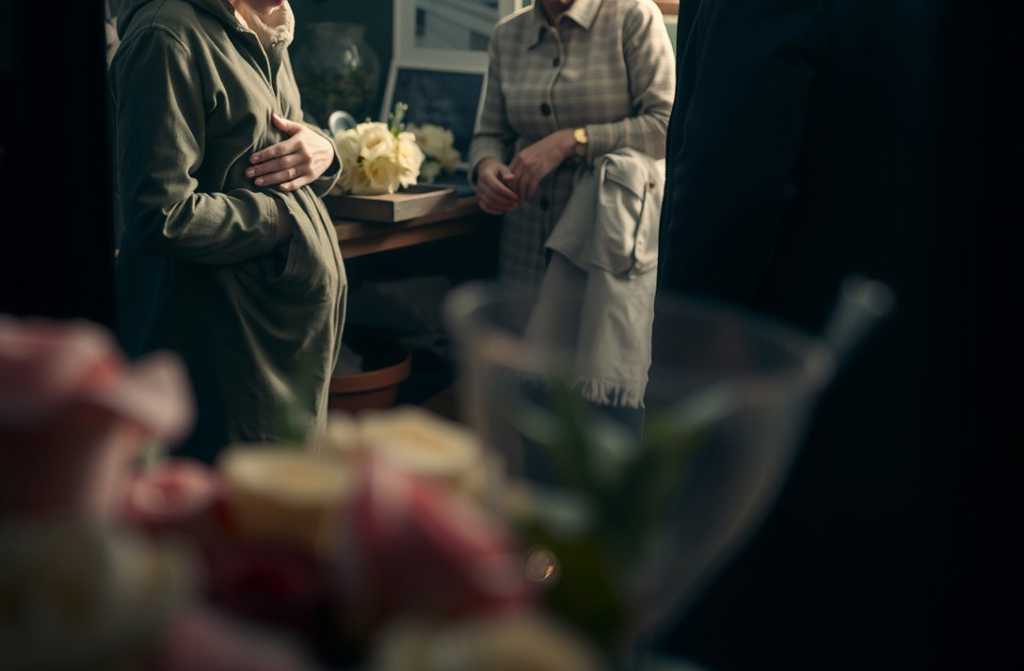
The Imperial Restaurant on Westbourne Grove was packed. Ornate high ceilings, white tablecloths, crystal glasses, and low vases of flowers on every table. Fifty guests gathered for the engagement party. Waiters, dressed in black, glided around the room with the efficiency of well-trained ninjas. There was the scent of fresh roses and something expensive Sophie couldnt quite name.
She sat wedged between her father and her fiancé. Matthew Lane, twenty-eight, three years her senior, rested his warm hand over hers.
Are you all right? he murmured.
Yes, she saidonly half a lie.
A modest diamond flashed on her right hand. Matthew had slipped it on an hour earlier, in front of thundering applause. Sophie had felt a sort of dizzinesslike peering from the edge of a very tall building. Not so much fear as an overwhelming sense of altitude.
Her father sat ramrod straight, dressed in the grey jacket shed seen at her graduation and again at her mothers funeral. He only wore it on momentous occasions. Now, here it was again.
Dad, she tried again, this time barely above a whisper, can we just step outside for a moment? Talk?
He shook his head. Sipped his water, deliberate and slow.
At the table, conversation flowed in the easy, festive way of posh occasions. Matthews mother, Annabelle Lane, was a glamourous fifty-five and coiffed within an inch of her life, recounting a holiday to Prague to her neighbour. Richard Lane laughed loudly, poured wine generously, and looked every inch the man delighted with the world just as it was.
Sophie was twenty-five. Shed grown up in a two-bedroom council flat in Newham. The pipes leaked every spring, and the upstairs neighbours considered Sunday mornings a prime time for interior redecoration. Her mother had died three years back, a slow aftermath of a stroke. Her father had worked as a site manager, living by odd jobs the last two years. It was just the two of themlife, modest. Sometimes painfully so.
Sophie met Matthew entirely by chance at an architectural exhibit, where shed tagged along with a friend on a free ticket. He was arguing with a bespectacled man by a model of a new housing estate; Sophie had fixed not on Matthew, but the model. He noticed. Asked what had caught her eye.
They drank coffee for two hours afterwards, followed by a protracted walk along the Thames. At that stage, Sophie didnt know who he was. She learned laterbut by then, it was far too late: he was already a daily presence in her thoughts.
Her father met Matthew six months in. Polite, calmalmost friendly. But one night Sophie caught the kitchen light at 3am, a quiet conversation drifting in: her father holding the phone, eyes fixed at nothing.
Dad?
Go to bed, Sophie. Its all fine.
But she stayed up, made tea, pressed for answers.
Its nothing, he replied eventually. Just something I remembered.
No further explanation.
Now, at the dinner table, she watched her father and felt something cinch tight inside. Not quite fearjust the certainty that a collision was inevitable. She’d always known; she just hadn’t wanted to.
Matthews hand tightened around hers.
You look pale, he said softly. Are you ill?
No. Im fine.
Richard Lane rose to toast: the young couple, the future, all the joy to come. His voice was rich, confident, and entirely accustomed to being heard. Guests smiled. Annabelle watched her husband with a look Sophie couldnt decipherneither warm nor cold, just inscrutable.
Glasses clinked.
And then Nicholas Graham stood up.
He didnt startle anyone. Simply rose, calmly. Withdrawn a plain envelope from his jackets inner pocket and set it on the table.
Richard Lane, he said quietly. The room grew pin-drop silent, as if fearing to miss an audible drama. May I say a few words?
Lane regarded him with mild surprise, then nodded with all the grace of someone temporarily tolerating a minor inconvenience.
PleaseNicholas
Graham, prompted Sophies father. Weve never met. Though perhaps we ought to have.
Tension coated the air. Even the waiters transfixed at the wall.
Fifteen years ago, Nicholas began, his voice taut as a wire, I ran a small building company. Twelve employees. Modest projects. Eight years of honest graft. That was my lifes work.
Sophie froze.
In the spring of 2009, I signed a partnership with Federation Construction. Their representative came via a third party. Three months later, it turned out the whole deal was a sham. The paperwork was drawn up to transfer everythingassets, business, contractsto another legal entity. All by the book, on paper. Behind those papers was Lane Construction. Behind thatwas you.
Richard Lanes expression barely flickered. Only the white knuckle on his glass gave him away.
I lost the lot. The company. The savings. Eventually, my health. My wifehere, Nicholass voice faltered, just for a heartbeatlearned the details that year. It broke her. Two years later, she had a stroke. The doctors blamed many things. I know there was just the one.
He fanned out the papers from the envelope on the table.
Heres the lot. Contracts, statements, correspondence. Originals are with a solicitor. I want nothingnot your money, not a lawsuit. I want you to sit at this fine table and know that I know.
He locked eyes with Lane.
I know exactly who you are. And now, so does my daughter.
He reached for his jacket, slipped it on slowly, did up a button.
Nicholas Graham, Lane started, pitch deepening, thats quite an accusation. If you believe
I dont believe, Nicholas interrupted. I know.
And he walked out.
Sophie watched him go for a frozen second. Then she felt Matthews hand on her wrist. He didnt grab her, just rested it there.
Sophie, he said gently. I didnt know. You have to believe
She looked at him. At his wounded, earnest face. Then at Richard Lane, already whispering hurriedly to his neighbour. At Annabelle, staring into her glass with an expression as empty as a boarded-up house.
Sophie slid the ring from her finger.
Left it on the tablecloth.
Rose, gathered her bag, and left the room.
Sophie! Matthew stood.
But she was already leaving, her fathers calm phrase echoing in her ears: I know exactly who you are. And now, so does my daughter.
Outside, a typical October drizzle English rain: insistent, sniffy, not quite falling as just hovering everywhere at once. Her father stood at the steps, fastening his collar.
Sophie approached and took his arm.
They walked on, wordless. The rain drenched their hair, shoulders, hands. Sophie didnt cry. She just walked at her fathers side, feeling the solidity of his elbow, and thinking somewhere in that vast empty restaurant, the diamond ring lay utterly alone on a starched white cloth, amid the glimmering crystal and roses.
***
Her school friend Katie had given her the keys to a little flat off Kings RoadKatie had vanished to work in Birmingham, so it was empty: one room, a kitchen the size of a shoebox, a window overlooking three wheelie bins and a battered rowan tree clinging to life.
The day after the engagement, Sophie changed her number. Bought a new SIM, saved just five contacts: Dad, Katie, Mrs Jenkins the neighbour who kept an eye on her dad, her uni coursemate Lucy, and the GPs surgery. The old phone was tossed into a drawer, untouched since.
The first week she barely left Katies. Lay on the sofa, stared at the ceiling, phoned her dad every evening. He didnt say much, but Sophie knew he waited for her call.
She got a grip eventuallynot because it stopped hurting, but because something had to give.
Lucy knew someone in a flower shop. Thats how Sophie landed a job at Daisy Chain on Mayfield Road, three minutes walk from home. The owner, Mrs Hall, sixty-two, all broad-shouldered, whippy hands and kind eyes, took Sophie without fuss. Asked only if she could handle flowers.
Not much, Sophie admitted, but Ill learn.
Good. Thats what I like. Learn away, love.
The shop was really just a corridor: flowers in a fridge to the left, a shelf of potted plants to the right, a workbench in the centre eternally cluttered with wire, floral tape, scissors, and scraps of paper. It smelt damp, green, and faintly of overripe mums. Sophie arrived before 8, left at 6, snipped stems, arranged bouquets, took orders, scrubbed buckets.
Mrs Hall never priedone of those women who see what needs seeing and ask nothing else. Only once, two weeks in, she said,
Youre getting thin, Sophie. Eat properly.
I do, Sophie replied.
Poppycock, Mrs Hall snorted. Ive brought lunch in. Containers in the fridge.
Sophie ate it. Sitting on a little stool in the back, she criedquiet, inside, the kind that leaks out as soon as somebodys kind for the first time in weeks.
October blurred into November: grey, blustery, with rain that became sleet and melted before it hit the pavement. Sophie wore the same brown coat, elbow scuffed from years of wear. Evenings she read, watched things on her phone, or rang her dad.
He held up all right, working at a site again, said Mrs Jenkins baked pies for him. His voice steady and warm. Only, at the end of every call, a pause would hangbrief, wordless, heavy as a thundercloud.
You all right, Dad?
Im fine, love. And you?
Im fine.
Neither believed the other, both pretended otherwise.
She tried not to think about Matthew. It didnt work. His memory popped up whenever thorns pricked her fingers, or she glimpsed a man in a similar jacket, or those half-conscious seconds before sleep, recalling his touch, his voice, how he watched her when he thought she didnt noticeshe always noticed.
But the ring was on the table; her mother, in the ground. And her father sat at the kitchen table at night, staring at nothing for hours on end.
You cant choose between these things, she thought. There isnt a choice. You just go where you have to.
Three months rolled by. December arrived, bringing honest snow, early dusk by four, the shop glowing warm and snug.
One evening, a woman came in.
Sophie didnt even look up, busy trimming white tulip stems. Then glanced up.
She was about Sophies age, perhaps older. Tall, swathed in a pale-grey coat, beautiful honey hair curled in waves and perfumed in expensive, weighty sweetness.
Im looking for Sophie Graham.
Thats me.
The womans expressionhard to name: not anger, not pity, something between, with a sprinkling of triumph.
Im Alice. We havent met, but we share an acquaintance. Matthew Lane.
Sophie said nothing.
I just wanted you to know Matthew and I are together again. We were before youperhaps you didnt know. Now Alice tossed her hair, Were getting married in February. I thought you should be aware. Spare you any false illusions.
Sophie looked her over: that flawless face, heavy earrings, thin leather gloves, hands gripping a bag just a touch too tightly.
Thank you, Sophie said quietly. I understand.
Alice nodded, turned, and left.
The bell jingled softly over the door.
Sophie stayed where she was, tulip in hand. Outside, snow fell.
Eventually, she put down the flower, went to the back, collapsed on the stool, and didnt move until Mrs Hall poked her head in.
All right, love?
Nothings wrong. Im fine.
Mrs Hall just made tea, left the mug quietly, and went about her business. No questions. It was exactly what Sophie needed.
***
A week later, Sophie finally went to her GP.
Shed booked the appointment in November, cancelled, rebooked, cancelled againhoping it was just stress, that it would sort itself. It didnt.
The doctoryoung, tired-looking, preciseasked questions, sent her for tests. Come back in three days, she said.
Three days later Sophie sat there, heart thumping.
Youre about ten weeks along, said the GP. Everythings progressing very well. Ill need to get you started on antenatal care.
Sophie rode home on the bus, watching the snowy high street, commuters, ordinary lives. She probably looked lost in thought like everyone else, but inside, time had gone still, like a river frozen mid-flow.
At home, she put the kettle on, then collapsed on the sofa still in her socks, and gazed at the ceiling.
Ten weeks. October. The engagement was early October.
She mulled it over for hours. Days. Brewed tea, watched the snow, stared out at the rowan tree and the bins, red berries stark against white.
The decision came not at once, but after three days of turning it this way and thatthinking of Dad, of Mum (what would she have said? Mum never minced wordsshed have settled it with a sentence and everything would be clear).
But Mum was gone.
On the fourth day, Sophie phoned her father.
Dad, I need to tell you something.
Go ahead, love, he replied, voice steady.
She told him.
Silence, long and stretching.
How are you?
Ill manage. Ive made up my mindIll do this alone. I dont want anything from anyone.
Another long silence.
All right, Sophie, her dad said at last. Im with you.
And that was itno stifling advice, no interrogations about right or wrong. Just: Im with you.
And that was enough.
***
January brought an arctic chill. The pipe in the loo burst, and a ginger plumber arrived two hours late, muttering at the mess, then somehow fixed it. Charged a fortune, then scarpered.
Sophie ordered a stack of pregnancy books online, reading them at night and annotating liberally. Mrs Hall, spotting one in the break room, didnt commentjust returned next day with a pair of thick wool socks.
Keep your feet warm. Doctors orders.
Mrs Hall
No arguments. Put em on.
She did.
Her bump was still stealthy under her winter coat, but mornings in the cramped bathroom showed a rounding belly. Her palm would drift there of its own accord.
She didnt dwell on boy or girl. No name picked. There was too much else. She just plodded through: shop-work, calls to Dad, reading, staring at the rowan outside.
Matthew slipped into her thoughts despite her efforts, more intrusive now. Sometimes, in the dark, she wondered if she wanted him to know. Sometimes yes, sometimes no.
But Alice had said: wedding in February. That settled it for her.
She drove the point home every time she had to.
February slid by. No rumour of a wedding, nor did Sophie look for one. She didnt ask, didnt Google. Determinedly ignorant.
March came. Snow thawed, drips from every roof, puddles in the yard studded with thin ice.
By now, Sophie was definitely showing. The old coat wouldnt button; she bought a roomier green one at the market for next to nothing. Mrs Hall let her focus on sitting tasks: taking phone orders, updating the website, balancing the books in a battered ledger. Sophie was thankful, though she never said soMrs Hall wasnt one for sentiment. But Sophie did appreciate it.
Her dad visited in Marchbrought a weeks worth of potatoes, onions, and sticky jars of last years preserves her mother had made. Sophie opened one, slathered jam on bread, and was hit with such a vivid memory of her mums kitchen she had to duck out the room.
Dad didnt ask why. Just went to do the washing up.
They strolled together once, slow, on the river path where snow was giving way to water and last years leaves. Dad held her arm, chatted about nothingnext-doors cat, how Mrs Jenkins was learning French off a TV show so she could watch without subtitles.
Why French at sixty-five? Sophie grinned.
Thats what I said. She reckons sixty-fives the best time.
They laughed. Walked on.
At the end, her Dad paused, staring at the water.
Do you regret it? he asked, not needing to specify.
Sophie thoughtreally thought.
No. I dont.
He nodded. No further questions.
***
April was typically English: balmy one minute, snowing the next, then back to mild by lunchtime. Sophie trundled to check-ups, kept her medical card at hand, ate whatever she ought, and didnt lift so much as a milk jugMrs Hall would see to that personally.
Her bump was now undeniable. Moving was awkward, and sleep escaped her. At night, shed toss and think. Of Dad, hunched in the dark with old hurts; of Mum, so vibrantly, fiercely reallaugh heard through walls, or the way she could boil the air with silent anger, or simply sit nearby and make everything better. Three years on, Sophie missed her, a sharp, silent longing that only ever eased, never left.
She thought about the childgrowing in a tiny flat with nothing outside the window but a rowan tree, wheelie bins, and their own two hands. But she knew it could be done. Shed seen single mums do it: difficult, yesimpossible, no.
One April evening, she dug the old phone out of the drawernot to ring anyone, just to look. Powered it up. Dozens of missed calls, all Matthew, the last in December.
She turned it off. Put it back.
Didnt reply. Didnt call back.
Still, she sat a long while looking at the closed drawer.
***
One conversation stuck with her.
Lucy messaged one dayLucy always knew everything about everyone, not nosy, just keen-eyed. Sophie, did you know that Alice woman totally lied? No wedding. She and Matthew arent together. Heard from the grapevineLanes completely on his own.
Sophie stared at the message. Re-read it.
Texted: Thanks, Lucy.
Nothing else. Lucy took the hint.
Sophie shut the phone. Went to the window. The rowan shorn of snow, last years berries still clinging. Sparrows huddled on the branches.
So Alice had lied. No weddingshed just appeared in that shop with her glossy hair and heavy scent and hands squeezing that bag.
Why? Sophie knew. Or thought she didjust to make sure Sophie never returned. To lock the door behind her.
Well, that door was already locked. No going back anyway.
She watched the birds for a while. Put the kettle on.
***
May brought genuine warmth. Sophie would sit in a quiet little park on dry afternoons, watching new leaves by filtered sunlight and pigeons strutting about like they owned the place.
Her due date loomed. The doctor kept cooing all fine at every appointment. Sophie bought a tiny wooden crib online, built it herself with minor profanity and several false starts, then stood admiring (slightly lopsided) handiwork.
Dad promised to come when things kicked offarranged time off. Mrs Jenkins offered help, but Dad insisted hed manage.
Mrs Hall was knitting something small and yellow. Sophie walked in on her, who hurriedly tucked it behind her back.
Whats that then?
Nothing, lied Mrs Hall.
Its yellow, Sophie observed.
So what?
Thank you, Sophie smiled.
Mrs Hall feigned annoyance and vanished.
Late May, a freak snow fellsoft, sticky, settled on green lawns and flowers, then promptly melted. Sophie stood at the shop window, watching in awe.
That evening, just as she struggled to button her coat, the shop door jingled.
***
At first she didnt recognise him, busy with her buttons. Then she looked up.
Matthew stood in the doorway.
Dark coat, no hat, hair damp from the snow. He looked thinner, or maybe Sophie remembered him differently.
They stared at each other for several seconds.
Sophie, he said.
That voiceshe knew it instantly, even after seven months convincing herself shed forgotten.
In the back, Mrs Hall melted away, quietly shutting the door. She was decent that way.
How did you find me? Sophie asked.
I searched for ages. Just ages.
She said nothing.
I wont beat around the bush, he started. I left the company. Refused the inheritance. Told my father everythingI havent spoken to him since October. He paused. I started my own business. Small, with people I trust. It takes all my time.
She listened.
I didnt marry Alice, he said. I dont know what she told you, but its not true. We were over long before you.
I know, Sophie whispered.
He looked faintly surprised, nodded.
Ive been trying to find you this whole time. You changed your number, I didnt know your address. Tracked you down through Lucyshe mentioned you worked here.
Lucy, Sophie echoed, neutral.
Sophie, I He stopped, staring.
She wasnt hiding her bumpit was impossible now. Eight-and-a-half months. Her coat open, the bulge evident.
He took it in for a long time.
Then, without a word, he dropped to one knee on the cold, hard shop floor.
Matthew, she said.
Please, let me finish. Im not asking you to forgive my father, or me, or to wipe all this away. Im not going to say lifes fair, or this is right. I dont know whats right. I only know one thingI want to be here, with you. With both of you.
She stood. Watching.
Snow danced beyond the window.
Stand up, please, she said softly.
He did. Close now, closer than theyd been in months.
You have to understand she started.
I do.
No, really listen. My dad lost everything because of your fathereight years work. And then my mum. Not all at once, but her too. That wont vanish just because youve left the business. Itll stay.
Yes. It will.
I dont know, Sophie said quietly, if I can look at you some days and not see that. I just want to be honest.
I hear you.
Im not saying no, she finished. Im just sayingI dont know.
He was silent.
And Im not saying yes. Not yet.
Not yet, he echoed.
From the back, a clinkMrs Hall putting down a mug, then silence.
Sophie felt a flutter inside. The familiar sensation, always a surprise. Her palm settled on her bump, instinctive.
Matthew watched her hand, then her face. His eyes brimmed with things she didnt want to read.
Can I he began.
No, she saidgently.
He nodded, acceptance in every line.
Where are you staying?
Hotel, not far. As long as it takesIm not rushing off.
Sophie fussed with the top buttonthe only one that fastened.
Ive got a check-up early tomorrow, I need to rest.
Ill walk you home.
No.
To the corner?
She considered.
To the corner, she agreed.
***
They walked out together. Mrs Hall appeared in the doorway.
Sophie, take an umbrella!
No need!
You always need it!
Sophie waved it off. Mrs Hall disappeared.
The snow was light, melting instantly on skin and coats. The pavement gleamed in the lamplight.
They walked in silence, shoulder to shoulder but never touching.
Whatll you name her? he asked halfway up the block.
I havent decided.
Girl or boy?
Girl.
He didnt reply, just walked on.
At the corner, Sophie stopped.
Ill go alone now.
All right.
They looked at each other for a long minute.
Matthew, she said.
Yes?
Will your father ever really answer for it? For real?
He hesitated.
I dont know. Ive done everything I can from my side. The rest isnt up to me.
Sophie nodded, lost in thought.
Call me tomorrow, after noon.
He barely changed expression; perhaps something in him steadied, quietenedeven brightened.
After twelve, he agreed.
Sophie turned away, heading up the street. Wet leaves scattered on the tarmac. The snow, unseasonably idle for May, drifted slowly down.
She didnt look back.
But she knew he stood there, on the corner, watching until she disappeared from sight.
Sometimes, thats enough for a beginning. Not everything, not happiness, not all the answers she would ever need. Just enough to answer the phone, tomorrow, after twelve.
She turned the corner.
The lamp above swayed in the wind. Snow melted on the newborn green of spring, vanishing as soon as it landed.





