Personal Boundaries
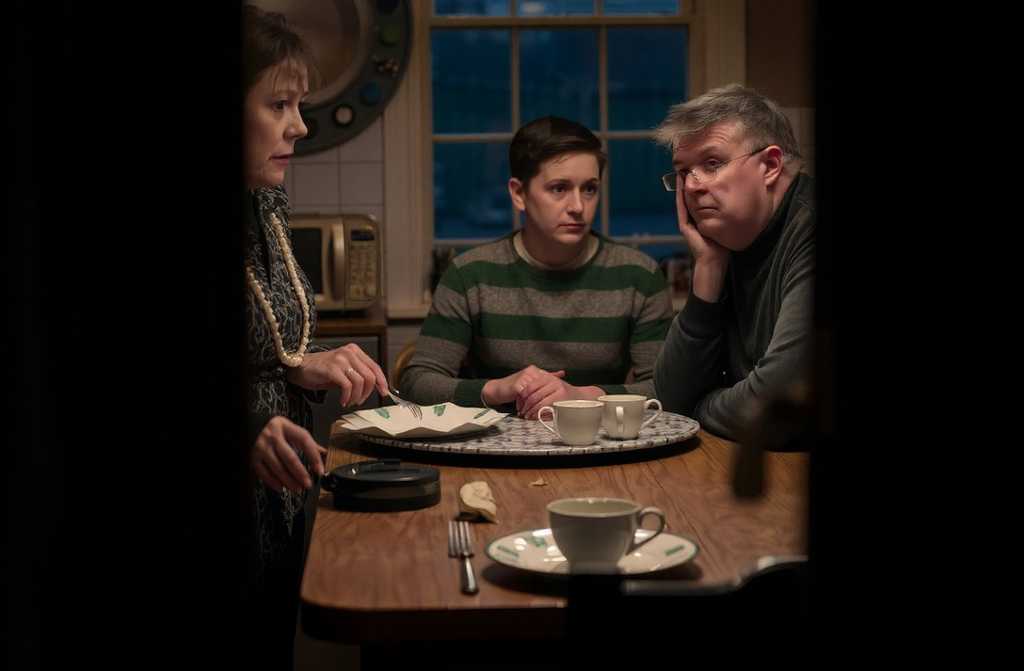
Go on, eat up, darling, dont be shy! exclaimed Marjorie Fletcher as she nudged a third pork chop onto her sons plate, the juices glistening under the kitchen light. You must hardly eat properly at work, I expect you just grab sandwiches when you can.
I watched from the other side of the table, hands wrapped around a cup of cold tea. Third chop. In one sitting. After hed already polished off a plate of mashed potatoes, two slices of bread and a helping of cucumber salad. Matthew glanced at me with an apologetic expression, but his fork was already making its way to the meat.
Mum, Im really full, he muttered unconvincingly.
What do you mean, full? Look at yourselfskin and bone! Lilianne, do you not feed him properly at home? Marjorie turned to me, her tone not accusatory, but genuinely concerned and bemused.
Skin and bone. I looked at my husbands round stomach, his shirt straining to button, how he wheezed after three flights of stairs (the lift had broken again), the way he complained of a heavy side nearly every night. Wed been married eight years. When we met, Matt wore a size medium. Now he barely squeezed into an extra-large.
We try to eat less fried food, you know, for health, I said gently, smiling as if I were offering her another biscuit rather than explaining basic health advice.
Health! She threw up her hands, her gold ring catching the overhead light. Men are fading away from all this healthy nonsense! My late Derek had a chop nearly every meal for forty years, and he lived to seventy, God rest him.
I didnt mention Derek had died of a heart attack. It wouldve been cruel and pointless. Marjorie had long constructed a worldview in which pork chops equalled love, care and proper living, and all this talk of cholesterol and vegetables was just modern city drivel.
Your mothers only trying to help, Lil, Matt said, already chewing his third chop.
I got up to clear the dishes, to avoid saying something Id regret. The tap ran hot, steam curling up as I washed, and I kept turning over the same thought: how had our Sunday eveningsmeant to be a quiet time together after a long weekbecome an inescapable ritual?
Every Sunday, bang on six, Marjorie arrived. Sometimes with a casserole, sometimes with a homemade cake, sometimes with a huge jar of soup. Shed ring the bell, walk in before you could answer, kiss Matts cheek, nod at me, plop her bags down and start setting out food, even if we’d already eaten.
What do you two live on, leaves and such? Shed say, pulling out more containers. A growing man needs proper meat!
In our first year of marriage, I tried to push back. Said wed already eaten, said I cooked myself, explained wed got our own routine. Marjorie would pretend not to hear, or say things like, Of course, dear, just in case Matt gets hungry. Matt stayed quiet, ate his mothers food, asked for seconds. My frustration settled more on him than on hershe just ran on habit, but he chose the path of least resistance.
Mum, do you have to bring so much food every week? he once asked over the phone, with me quietly feeding him lines in the background. It all goes off in the fridge, we cant eat it that quickly
What do you mean, it goes off? Just freeze it! Are you ill? Has something happened? Youre not cross with me, are you? Her voice went shrill with worry, and Matt, as usual, surrendered.
No, mum, its lovely. Thank you.
And so she kept coming.
The more I tried to build a healthy diet for us both, the more Marjorie dug in her heels, as if it was a contest, and the stakes were Matts plate, his stomach, his right to choose what he ate.
I once bought a book about mindful eatingit said that food isnt just fuel, its relationships, its love, sometimes control. I read the chapter on family habits and realised: for Marjorie, those pork chops were all she had left. Her only way to show she cared.
She was sixty-three. Retired after forty years as an NHS clerk. Her sense of worth was built on solving problems, balancing accounts, being needed. Now, left alone in a three-bed semi full of memoriesher late husband five years gone, her son grown and marriedshe had little left but her food.
I tried to see things from her perspective, I truly did. But each Sunday, my sympathy clashed with reality: the greasy smell sticking to the curtains, Matts discomfort after dinner, his excuses when I suggested a walk. Too tired, Lil, maybe next time.
Next time never cameeach week, the ritual returned.
One autumn day, over coffee with my friend Leonie, I found myself blurting out everythingthe pork chops, the Sunday ritual, Marjories steamrolling, Matts indecision. Leonie listened, then said matter-of-factly, Youve just got to tell her, or tell Matt to handle his own mess.
I cant.
Why not?
I shrugged. Was it pity for a lonely older woman clinging to whatever scraps of meaning remained? Not wanting to upset Matt? Fear of looking like the evil daughter-in-law who broke up mother and son? Or just bone-deep exhaustion, because fighting was harder than surrender?
I dont know, I admitted. I just cant.
Leonie sighed. My mum put up with the same for twenty years. When her mother-in-law died, she only regretted not speaking up sooner. Dont wait for life to pass by before you live it your way.
Her words pricked. Would this be us? Twenty years of putting up, then regret? But how do you reject someone who means well, even if shes wrong?
Matt didnt understand the issue. To him, it was just normal. His childhood was marbled with grandmas pies and mums chops, plates heaped high, the phrase, Dont leave the table until youve cleared your plate. To him, love was measured in calories, and a good wife fed her husband generously. I tried to explain times had changed, that city life meant sitting all day, less need for heavy meals, but hed nod along, and eat three more chops come Sunday, washing it down with sweet tea and cake Marjorie happened to pick up on her way.
Dont you wish you looked after yourself? I snapped one evening after another heavy meal.
He was scrolling on his phone in bed, while I read, the clock from our wedding ticking behind us.
Lil, what do you want me to do? Tell mum shes not welcome, that her food isnt needed?
Not that. Just say were adults. That I cook too.
She just wants to care for me.
So do I! I couldnt keep my voice gentle this time. I pack your lunches, make dinner every worknight, try for variety and healthbut she shows up and its as if I dont exist!
Matt was silent. Then, Shes lonely, Lil.
So am I, I replied softly, when you pick her over me.
He hugged me silently.
Winter came early that year. Snow in November, months of grey slush and ice. Still, Marjorie arrived each week, in a musty-smelling coat, casserole wrapped in towels. She complained about the cold, the buses, the price of things, but always made her way, never accepting Matts offers of a lift.
Im fine, I can manage, I just ache a bit these days shed say, wanting reassurance she was still needed. Matt obligedcalling daily, offering to shop. She rarely accepted. She needed him to eat her food, not do errands.
One December day, as wind rattled the windows and I was cooking a light fish supper (Matt was complaining of an upset stomach all week), he nibbled his dinner but still looked pale.
Maybe you should see a doctor? I suggested.
Ill be fine, he waved it off. Its probably nothing.
Three pork chops on Sunday, I thought, but kept quiet.
At the GPs, the results were cleargastritis, high cholesterol, need for a new diet. Less fried foods, more veg, smaller portions.
Back home, Matt looked defeated. Ill tell mum, he sighed at last.
He rang her in my presence, his voice nervous, Mum, the doctor says my stomach cant take it. I need to change how I eat
A long pause.
Has Lil got this into your head? came Marjories voice, sharp and wounded.
No, mumits the doctor. Honestly.
A beat of silence. Then, So what, Im not to come round now? All my effort, all these years, and now you say my dinners are bad for you?
She hung up.
Marjorie stopped coming round. Wouldnt answer the phone or spoke briefly, coldly, when she did. After two weeks, Matt went to see her. He returned sorrowful, She thinks Ive betrayed her. That youve turned me against her. What was I supposed to say?
I felt like a villain, though all I wanted was for my husband to be healthy. I craved respect for us as our own familyyet in Marjories eyes, I was the usurper whod taken her son and her purpose.
Weeks passed. One January evening, a neighbour calledWendy from downstairs, worried about Marjorie, who hadnt left the flat, seen anyone, or eaten much in weeks. Her loneliness was real, her sadness written in every No, thank you, she uttered to well-meaning visitors.
I told Matt. He visited her. She looks awful, Lil. Thin, pale, no appetite. Doesnt want to see the GP.
After that, Matt came to me with a small olive branch, What if we tried something else? Invite her over, but keep it light. Or gently encourage her to do something outside food?
I saw him maturing, looking for solutions, and nodded, Lets try.
I rang Marjorie myselfa feat of willpowerCould I visit, just for a chat? I asked. She paused for a long time, then finally agreed.
Marjorie opened the door tentatively, older by ten years than before, in her worn housecoat and slippers. I gave her flowers and chocolates. She made us tea full of sugar and sat quietly across from me.
I dont want a war between us, I began, voice shaking.
Its no war, youve already won, she replied, eyes dull.
I havent taken him. Hes your son, always, but hes an adult now. He needs to build his own family. That doesnt mean youre not needed. But you cant be at the centre now.
And Im just to sit at home and wait to die? her voice broke.
I knelt by her. You have so much ahead still. Time for things you never had beforea gardening club, cooking class, anything. You make wonderful cakes, Marjorie. Why not teach or join a group?
She blinked. Well, I do enjoy baking. My Derek loved apple cake. I baked one every Saturday for years.
Then see, do a baking course. Make friends. Bake for pleasure.
Her eyes flickered with hope.
A week later, Matt reported, Mum went to her first baking class. She made a pear tart! Shes befriended two women from down the road.
Marjories calls became less frequent but more colourfultales of baking, chatty stories about her classmates, good-natured gossip about next weeks recipe. Once she even joked, Perhaps I’ll go back to work in a bakery, earn my keep!
By March, the city emerged from winter, and Marjorie surprised us one Sundayno casserole, but a beautiful apple cake, light and fragrant.
Its mums new recipe, Matt smiled as we tucked in. Marjorie beamed, not needing control, just delighted to share, for once as a guest and not the hostess.
She still slipped now and again. One time she brought a whole Tupperware of pork chops. Made them, dont know why, just habit. You can eat or bin as you like, love. Matt ate one, thanked her. She didnt insist on more.
She joined a gardening club, without a garden of her ownjust wanting the company. Summer came, she spent two weeks at a friends allotment, called every day with harvest news. Shes happier, Matt noted, and I agreedit was the first time I really believed it.
Matt changed toolost a stone or two, felt healthier, even took up swimming. The tension ebbed from our lives. We rediscovered ourselves as a couple, not just a battle zone.
Of course, peace was not perfection. Some weeks, the old patterns flickeredMarjorie would over-cook, or steer conversations back to food. But we learned to choose our battles. Pork chop every mealno. But an occasional Sunday roast, cooked with love? That, I could live with.
One late August evening, as we watched the sunset, Matt squeezed my hand. Do you regret marrying me, despite all the struggle with mum?
No, I smiled, because I married you, not your mother. And you were worth it.
Through trial and error, some tears, some cake, we all found new roles. Marjorie remained a part of Matts lifeand, unwillingly but inevitably, minebut she was no longer central. We helped her with jobs, she helped us with advice or apples from a neighbours tree. She never became my best friend, but we reached an understanding.
Sometimes, on a grey Tuesday, shed still ring to say shed made a soup, did we want a little? And sometimes, I said yesnot because I needed it, but because it meant something for her to give.
I learned that love, especially between generations, isnt about winning. Its about respecting boundaries, and letting people matter in ways that dont swallow you whole. Its about finding balancebetween too much and not enough, between kindness and honesty.
No one wins in these small family wars. But sometimes, if youre patient, theres no losing eitherjust learning to live together, to bend a little, and to grow.
Because in the end, a family is not a set of rules or a battleground for control. Its a gardensometimes overgrown, sometimes tangled, but with space for everyone to flourish, if only we learn to give each other room.
And while we may never have perfect Sundays, at least now I knowthey can still be ours.






