Apples in October
Lucy, please try to see my side of it. Theres only one flat, but the two of us. Im the older, and by law, that entitles me to more. You see it, surely?
Lucy Arnold stood at the window, gazing into the garden where the bare branches of the rowan trees swayed in the wind. She didnt cry; she simply watched the branches and thought of how heavy the berries had been that yearred and brightand how the birds had nearly finished them all.
I dont see it, Edward, she said softly, not turning.
He pressed on. How can you say that? Its a three-bedroom flat, right in the heart of Oxford. Im registered here. My familys here. My children.
Im registered here too.
Thats just temporary. Mum let you stay after your divorce, but it hardly makes you co-owner.
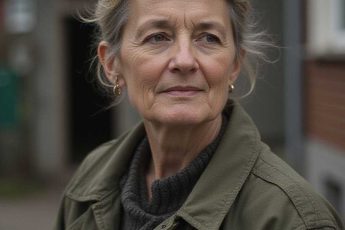
Lucy finally turned. Edward was fifty-seven, she fifty-four. They had grown up in a single bedroom, shared a desk, split one shelf of books and, of course, shared their mother. Now he stood in the doorway of her room in his expensive coat, phone in hand, looking somewhere past her shoulder.
The solicitor said the will leaves the flat evenly split. Thats not for you to decide, Ed.
I know what he said. At last he met her eyes, but his gaze was weary, settled, the look of a man whod already made up his mind long ago. Im offering to buy out your half. The market price is decent, but it doesnt make sense for me to get a mortgage at my age. I could pay you in instalments, or
Or?
Or you take the cottage. Mums place in Appleford. Its old, sure, but the plots good. A quarter acre, house, shed. On paper, its nearly the same as your half of the flat.
Lucy said nothing. Outside, the rowans final cluster of berries broke free and dropped to the lawn.
You want me to go to Appleford, she said at last.
I want us to part ways without dragging this through the courts.
Ill have to think about it, she said.
He left without slamming the door, which left an odd sort of hurt behind. If hed slammed it, shed have known he still cared.
Appleford was eighty miles from Oxford. Lucy had last been there as a child, and then with her mother in her younger days. Her last visit was eight years earlier, when her mother could still travel. The cottage had already grown damp and rickety then, the veranda roof sagging. Still, her mother always said the air was better there, that she breathed easier in those fields.
When Lucy rang her friend Susan, she warned, You must be mad, Lucy. Dont even think about itget a good solicitor and fight for your half.
I cant afford a solicitor. I havent got the strength for a court battle, Suze.
And youve got the strength for a farm?
I dont know. She paused. Ill have to go and see it first.
Youll know straight away, I promise you. Theres nothing there.
Mum said the airs different.
There was a pause, then a sigh. What you need is a place to run from all this. Fair enough. But running never solves it.
Maybe this time, its exactly what I need.
That Saturday, she took the train. October was cold; the trees along the track nearly bare. She watched the countryside flick past, watched little gardens and blackened fences of half-forgotten associations. She tried not to thinkthinking hurt too much.
Appleford was smalltwo streets, a shop on the corner, a church with a missing steeple. The cottage waited at the lanes end, huddled behind overgrown apple trees, looking as forlorn as any place left uninhabited for long. Paint flaked off the shutters, the gates drooped, moss choked the step. But the walls stood firm, and the chimney was whole.
Lucy unlocked the door. Stale, lifeless air greeted her, but there was no rot. She walked throughthe kitchen with its old Aga, a snug parlour, a tiny back room with a sagging sofa. In the hallway hung her mothers ancient raincoat. Lucy pressed her hand to the fabric; her throat tightened, but she refused to cry. She just stood and held on.
The garden was wild, but the apple trees lived. A few late fruit still clung to the branches, small and yellowed. Lucy picked one from the ground, wiped it on her sleeve, took a bitesweet, faintly tannic, a scent of autumn.
Back in Oxford, she called Edward. Ill take the cottage. Sort out the papers.
Good, he answered, nothing more.
Packing took two weeks. She didnt own much. Boxes of books, bedding, pans and plates, clothes. Susan helped load the van, muttering that Lucy was making a mistake, but it sounded more habitual now than convincing.
Youll visit, wont you? Susan asked as they loaded the last box.
Of course. And youll come, too.
Me? Out to a village! Susan snorted. Ill be eaten alive by mosquitoes.
Its October, Suze. There arent any.
There will be next summer.
Lucy started with the kitchen. It felt right. The stove must work, the place be warm, and there should be soup on the hob. The Aga was still serviceable, though the flue needed sweeping. Mr. Fred Bartlett, the neighbour over the road, popped in on her second dayjust to see the place, he claimed.
I heard May Arnolds daughter was back.
Yes. The youngestLucy.
Im Fred Bartlett. He removed his cap. I was friendly with your mother, neighbourly you know.
Do come in.
He checked the chimney and clucked, Needs a sweep. Ill do itdont you worry yourself.
I could learn.
You could, he chuckled, but better let me. Chimneys have their secrets.
While he worked, Lucy cleaned the parlour; they spoke through the open doorway, which felt unexpectedly comfortable.
You been here long, Mr Bartlett?
All my life. Born here. Never left for the city?
Oh, I thought about it as a lad. Got over it.
How come?
He thought. Something always needs doing in the city. Here, you decide for yourself. Thats the difference.
Lucy thought it over and nodded.
Her first weeks passed in a strange, muffled calm. She woke early. Birds announced the sun on the thatched rooftops. Shed sip tea by the window, watch the apple trees, then walk to the shop for basics, clean, mend and read. She slept early.
Thoughts of Edward came at nightnot bitter, more bemused. She couldnt pinpoint the moment her brother had grown a stranger, or if, perhaps, he always had been and shed never seen it. Theyd grown together but always with a low fence between. They could see across it, but neither ever climbed over.
By the end of the first week, Lucy found a cat. The little grey thing sat beneath the porch with huge, golden eyes. Lucy brought out some buttered bread; the cat sniffed politely, then retreated.
Proud creature, Lucy mused aloud.
Next day she tried milk; the cat drank half and stayed.
Fred Bartlett nodded when he saw the feline. Ah, thats Molly. Shes a straymakes her rounds. Dont try to claim her; she wont be had.
Well see, said Lucy.
Seven days later, Molly slept on her sofa.
There was plenty of work to do, which was just as well. When hands are busy, the mind troubles less. Lucy fixed a gate hinge, repainted the shutters, sorted the shelves in the hall. Fred lugged a load of logs for her; when she insisted she could manage, he waved her aside.
City folk dont know to stack wood; itll rot if you dont, he pointed out.
I want to learn.
You will by next year, he nodded, watching her a bit more keenly than before. Are you settling in for good?
I dont know yet.
Staying the winter?
Probably.
He stacked her logs so theyd last.
November brought the cold. The hamlet quietened; smoke curled from every chimney as folk kept indoors. Lucy learned the solace of tending the fire: open damper, kindle the shavings, coax it to life, then rest half-watching the flames.
She rang Susan: Youll laugh, but I can keep a woodstove burning.
Susan sounded both amused and worried. Hows things, Lu?
Better than Id thought.
Thank heavens. I half-feared youd take to the gin in your loneliness!
Susan.
All right, all right. Shall I visit?
Come in the spring. Youll see the apple blossom.
You speak as if apple trees are something out of legend.
Mum planted them, Lucy said. They are special.
Ill come in the spring, Susan promised.
Late November, Lucy began to bake. It happened almost accidentallyshe found her mothers recipe notebook at the back of a drawer: neat, tiny writing, each recipe signed. Apple Cake (dry yeast), Auntie Gwens Scones, Simple Gingerbread. Lucy picked the apple cakeshe had apples in the cold hallway, after all.
The cake was imperfect: bottom a bit burnt, crust hefty, but it smelled sweet and deep. Lucy sliced it up and called Fred over.
He sat, bit in, and said, Lovely cake. Apples from your garden, are they?
YesMums apples.
Bramley, that is, he said. May always said those made the best cakes.
I never knew. We came rarely, these last years.
She missed it, Fred said, matter-of-fact.
I know. So did I.
Molly the cat hopped on the sill to stare out, content.
Work in the city? Fred asked.
Accountant. Twenty years in one firm. Redundant two years ago.
And now?
Just savings, and not many.
He noddedoffering no comfort, just acceptance.
Is there a way to sell bakes around here? Is there a market?
Fridays. In the next villageRedcombe. Five miles. Bakes sell well.
Five miles?
I drive there for groceries every Friday. If youve goods to take, come along.
I might. Ill think on it.
She let the next market pass, then another. On her third Friday, Lucy baked four apple cakes, wrapped them, and joined Fred on his drive to Redcombe. The market was modesttimber shelter, a few rows. Folks sold preserves, potatoes, pickles, knitted hats. Lucy found a table.
Her first customer, an older woman in a green quilted coat, sniffed, asked, Whats inside?
Applesfrom my own trees.
No cinnamon?
No.
Shamebut Ill have one.
By the afternoon, all had sold. Lucy counted her takingsa modest sum, but wholly her own.
On the way home, Fred asked, Well?
All sold.
I saw. Learn to make gingerbreadtheyre popular, especially with Christmas coming.
Mum never baked gingerbread.
You can learn. You bake well already. Dont be afraid.
December passed mostly in the kitchentesting recipes, making notes. She tried two gingerbreads: one with honey and ginger, another with lemon zest. Fred ranked the first best. Molly sniffed, unconvinced.
One evening, Lucy photographed the cake on the old wooden table, the cat at the window, the sunset through apple branches, the open stove door. It surprised her to see how lovely it all looked.
Susan messaged: Its impossibly lovely. How are you making real life look so magical, Lucy?
Lucy sent her a few photos.
Post them somewhereon Neighborly or such. People love homey things nowadays.
Lucy registered an accountApples in Octoberand posted some photos. Within a week, she had fifty followers. After twotwo hundred.
She didnt know why people liked it. Simple kitchen shots, cakes, a cat. But comments came: Just like Grannys, I wish I could visit, Please share recipes.
She filmed short clipsmixing dough, lighting the stove, rolling pastry. Her voice was low, steady, honest. Interest grew.
Susan rang. Youre a bit of a star, Lu!
Nonsensejust five hundred people.
Thats hardly nothing. Are they writing to you?
A few. One woman from York bakes my apple cake every week now.
You see? Youre thriving out there!
Things are better than Id imagined, Susan.
January brought heavy snow. For three days, the road and path vanished. Lucy hunkered downfed the stove, fed Molly, cooked simple dishes. Fred brought potatoes and jam in a jar, knocking on the glass rather than trekking snow into the kitchen.
All right in there? he asked from outside.
All fine! she yelled back.
He nodded, trudged home through drifts. She watched him, realising she knew almost nothing of his past, family or any stories. He didnt talk; she didnt ask. That seemed fair.
One blizzard day, Lucy found the money.
She had climbed on a chair to reach a pan on the shelf above the stove, when she found a heavy tin of old-fashioned tea. There was a wad of cash inside, banded with elastic, and a little note in her mothers handwriting: For Lucy. For a good life.
Lucy sat a long while, staring at the note. Eventually, Molly wandered over and nudged her hand.
Did you know? Lucy asked the cat.
It was a tidy sumnot riches, but enough for winter and repairs: a new hob, freshening up the veranda, perhaps even a replacement Aga. It seemed her mother had quietly tucked savings away over the yearsfor Lucy.
She called Edward, just to tell him.
I found some of Mums savings in the house, with a note. For me.
A pause.
How much?
Enough.
Well, it ought to be split, you knowlegally.
Lucy paused in turn. It says For Lucy, in Mums own hand.
Theres such a thing as the law, Lucy.
Ive heard you, Ed.
She hung up. Made tea, watched Molly ponder the kettle, drank quietly. She didnt phone again.
February was bright and still; snow iced the apple trees and made them elegant. Lucy photographed the branchesthey looked so different in winter, stricter, still beautiful.
Her follower count passed three thousand. A woman called Alison, who ran a bakery in another town, wrote, asking if Lucy could supply gingerbread in bulk. Lucy hesitated, then agreed. Alisons first orderone hundred biscuits for Mothering Sunday.
Fred found cardboard boxes for her.
A real business now, he said when he saw her packing gingerbread in rows.
Perhapsa beginning, at least.
I once dreamt of having something for myself, too, he said, taking a seat. It never worked out.
Why not?
He shrugged. Times were different. I was differenttoo timid.
You dont seem timid now.
Im not, anymore. Its good you dont waityou act.
Lucy thought of all the years shed waited: for life to just happen, for her husband to change, her boss to notice, her brother to do the right thing. She said nothing, just kept packing biscuits.
By spring, shed grown steady. She could hardly name the feeling, but it was theresomething inside her had eased. She woke one morning, and the heavy dullness from autumn had slipped away. Molly curled against her; outside, the apple buds were swelling.
Susan arrived in April, as promised. She saw the cottage, the trees, Molly, Fredwhod come to help fix a loose board on the verandaand said nothing at first, just took it all in. Then, I thought you were hiding, Lucy, but youre living.
One doesnt exclude the other.
No, truly. Its wonderful here. I never thought it would be, Susan said, looking amazed.
You sound like I did in October.
Perhaps. She grinned. Now show me how this old stove works.
They fumbled through the morning; Susan was clumsy with kindling, burst into laughter at herself. Lucy watched her and realised she hadnt seen Susan like this for yearsrelaxed, light. In Oxford, Susan was always in a rush, always slightly tense. Here, she simply sat by the fire and watched the flames.
Later, Susan asked, This Fred Bartletthes a widower?
I havent asked.
Lucy.
Susan.
He just looks at you well, with care.
Hes a gentleman.
If you say so, Susan replied, clearly unconvinced.
May found Lucy out in the garden. She planted flowers and vegetablesmarrows, parsley, a few currant bushes. Fred brought tomato seedlings.
My owngood strong ones.
How much do I owe?
Nothing. Neighbourly help.
Youre helping me too much, Fred.
He put the box down, looked at her. Does it trouble you?
A bit. Id rather not be in your debt.
Youre not. You bring bakes, you chatwhat more could I want? I live alone. Conversations as much a gift as seedlings.
Lucy thought, with silent gratitude, that Fred was a genuinely good manthe sort you seldom meet.
Thank you, she said.
Youre welcome, he said, and got on with his plants.
Summer arrived gentle and mild. The apple trees blossomed; Lucy could not look enough at the white blooms on the gnarled limbs, their scent heady and dizzying. She filmed a little, posted to Neighborly: Apple blossom. The best thing Ive seen all year. It was watched thousands of times; people left comments saying it moved them to tears, that they longed for such beauty.
Alison from the bakery said orders for gingerbread were growing; she wanted a regular contract. Lucy agreed.
In June, Edward ranghis name flashed and Lucy hesitated, then answered.
Hello, he said.
Hello.
How are you?
All right. Its summer. The garden keeps me busy.
I heard youre doing well Susan mentioned it.
She likes to talk.
LucyI, well, things arent so good. My investment went under. My business partner lets just say, not trustworthy. The moneys gone.
She said nothing.
Im not asking for anything, he added quickly. Just thought you should know.
Why?
I dont know. I had to say it. His voice softened. Hows the cottage?
Sound. Ive done some work.
Roof?
Thats for later. Started with the stove, then veranda, then gates.
On your own?
With the neighbours help.
I see. Long pause. Lucy, are you angry with me?
About what?
Well all of it. What happened.
She looked to the orchard; Molly patrolled the sill.
No, Ed, Im not angry. Im just living.
He was quiet, then said softly, You were always wiser. You just never said.
Not wiser, just different.
They talked a little more, about nothing in particular, then ended the call. Lucy put down the phone and stood by the window, then went out to water the tomatoes. She preferred not to thinkjust moved quietly, watering each plant.
August was a season of plenty. The apples were larger than the year before. Each morning Lucy gathered them, set aside the best for cakes, simmered others to jamanother recipe tucked in her mothers notebook. The jam was dark, spiced with cinnamon and clove. Fred proclaimed it identical to May Arnolds.
You actually remember her jam? Lucy asked, surprised.
I do. She shared a jar or two, once. His smile was different, distant but warm. Your mother was a fine woman.
I know.
Youre like her. Not in facein your hands.
Hands?
She always did things as if they mattered. Youre the same.
Lucy just stirred the jam, listening to its bubbling. It was a comparison she cherished.
By now, a few small shops contacted her for partnerships; a kitchenware business wrote, offering a collaboration. Lucy agreed to film one short video, then another. The money was modest but satisfying. She told Fred.
Youre paid for baking now? he exclaimed.
And for showing people how. Odd, isnt it?
He pondered. Once people bought books to learn. Now they watch. I suppose Id watch, if it were you.
Why me?
You capture the real thing. He stood to leave. People know the difference between real and just pretty. Sometimes they want pretty. But when weary, they seek the real.
You never tire of pretty?
Ive always lived among the real, Lucy. Never had cause.
In September, Edward arrived without warning. He stood at the door one Sunday, suitcase in hand, looking as though the world had weighed him down.
She let him in, boiled the kettle. He sat quietly, taking in the kitchen, the cat. Molly eyed him from the sill in deep suspicion.
A cat? he remarked.
Molly.
You always said you disliked cats.
She chose me. I just accepted it.
When tea was ready, Lucy set out jam and gingerbread. Edward bit into a biscuit, chewed thoughtfully. Tastes good.
Mums recipe.
After a while Edward spoke again. Ive lost nearly everything, Lucy. Had to remortgage just to pay off debts. Now were squeezed into a room at Kats sisters.
Your children?
With us. Its tight, but itll have to do.
Lucy listened and felt only quiet understandingnot triumph, not pity, simply the knowledge that people end where their choices bring them.
He looked at her. Did you want to ask me for something?
No. I just I wanted to say I was wrong, about the flat, about it all. I thought I was acting sensibly. I wasnt.
You were thinking of your family.
I was only thinking about the money. Not the same thing.
Molly dropped to the floor and crept over to Edward, sniffing his hand. He held out a fingershe stepped back, but didnt flee.
Nice place, he said, scanning the room. You really did it up well.
I worked hard.
I see that. His gaze wandered to the shelves, to the stove. You really live here, then? For good?
I do.
And youre happy?
Lucy cupped her mug in her hands.
I am.
He was silent, then said, quietly, Youre not obliged to forgive me. I know.
Im tired of holding on, Ed. Its simpler to let go.
Thats forgiveness?
Maybe.
He stayed until dusk. They walked the orchardLucy showing him apples, naming treesBramley here, Egremont there. Edward listened, asking questions now and then. It felt strange but naturallike finding, after years apart, that being strangers had never been quite complete.
Fred passed the fence and waved. Lucy waved back.
Thats the neighbour? Edward asked.
Yes.
A good man?
He is.
Youre not alone here.
No, Im not.
He left as night crept inpausing at the door.
May I come again? Just to visit?
You may.
He nodded, drove away. Lucy watched the headlights vanish round the bend.
She left the gate and returned inside. Molly waited at the door. Lucy swept her up, and the cat began to purr, instantly.
The following morning Fred arrived with apples from his gardenlarge, red-and-gold.
Try one, he said. Discovery. Sweeter than your Bramleys.
Lovely. Lucy took a fruit. Youll be coming to market on Friday?
Certainly.
You always go.
You always come along. He met her gaze honestly. Its become a tradition.
Lucy bit into the applesoft, tart-sweet, the taste of autumn. October crept in; the first yellowing leaves shivered in the trees. A year had passedshe had lived all of it.
Fredare you happy here in Appleford? she asked.
He took his time, staring at the orchard.
Ive never put it like that before. But yes. I think so.
Me too, said Lucy. She hesitated, then added, It still surprises me.
What does?
That you can begin again. At fifty-four.
Why shouldnt you?
It just feelslate.
Does it?
Lucy didnt answer at once. Molly sauntered onto the porch, stretched, yawned, settled once more.
It seemed late, before. Less so now.
Thats a good thing. Fred hefted a crate of apples, testing its weight. Friday at eight?
At eight, Lucy agreed, and watched him go.
She stood on the porch a long while. The October air rang sharp and clean; the apples glowed gold against the sky. Somewhere behind the houses, a dog barkedits echo stretching into the stillness.
Her phone beeped: a message from Susan.
Are you there? Everything all right?
Lucy looked at the screen, then to the orchard, the cat. She typed: Alls well. Octobers begun.
Susan replied at once. Whats that supposed to mean?
Lucy paused as Molly wove around her ankles.
It means apple cake is coming soon. Will you visit?
Susan didnt reply at once, then: Let me think on it.
Think away, Lucy wrote.
Pocketing her phone, she stepped off the porch, crossed to the apple trees, lifted a fruit from the grass, polished it on her sleeve, and bit insweet, faintly astringent. Just the same as last year.