En svårhanterlig person

Herregud, Oskar! Vad du är en svår människa! Det är så besvärligt att ha med dig att göra! Varför kan du aldrig bara göra som jag ber dig om?

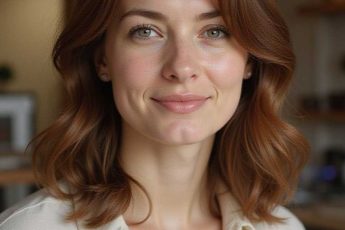
Den unga kvinnan, som grälade på sin make, var vacker. Nej, det räckte inte hon var storslagen! Långa smala ben, djupblå ögon och en sådan kropp att både unga och gamla män tappade hakan när hon visade sig på promenadstråken i Hagaparken intill hotellet.

Maken, däremot, var påfallande osnygg. Nästan ett huvud kortare än sin hustru, påminde han om ett stadigt litet ekfat. Långa armar, något för korta ben och en svagt flintande skalle. Endast ögonen var riktigt fina levande, klara, och så intelligenta att han genomborrade folk med sin blick. Just därför förvånades många över detta par. Hon nyckfull och självsäker skönhet. Han den som förstod och stod ut.

De liknade Hefaistos och Afrodite, fast Oskar, istället för en hammare, bar oftast omkring på deras barn.

Lilla Sofia var så lik sin far att ingen tvivel någonsin kunde uppstå om deras släktskap. Hon hade ärvt ögonfärgen och det överdådigt koppröda håret från sin mor yviga lockar som Kristina sedan länge gett upp att tämja. Så susade Sofia, fem år gammal, genom hotellet som en rödhårig virvelvind, ofta med blicken på sin jagande far.

Kristina, vill du åka på utflykt till Drottningholm, åk då. Men Sofia är för liten för sådant, tycker jag. Lång resa, varmt, och så börjar hon säkert gråta och förstöra din dag. Du vet ju!

Jaha, och vad är DU till för? Oskar! Jag reste hit med min man, inte för att ränna ensam! Redan i hotellobbyn blickar folk efter mig bryr du dig inte alls? Det spelar ingen roll för dig, eller?

Kristinas röst steg till skarpa toner, och Sofia klamrade sig hårdare om Oskars hals.

Men älskling, klart jag bryr mig! Oskar log flyktigt och smekte dottern över huvudet. Vad sägs om en båttur på Mälaren, eller en fika på Junibacken? Eller vill du ändå till slottet?

Jag vill se slottet! Kristina snäste och vände ryggen till. Ni får väl stanna! Jag åker själv!

Grälet var noga regisserat, och Oskar kunde bara nicka när hans fru försvann mot poolen, helt försjunken i sina egna funderingar.

Oskars vana vid Kristinas sätt var stor. Deras liv liknade de flesta par i deras Stockholmkrets: han välbeställd, ständigt upptagen, och hon ung, vacker, van att bli dyrkad.

Hur det kom sig att Oskar hamnat bland de trendiga männen förstod han knappt själv. Kvinnor hade alltid varit ett mysterium för honom inte utseendemässigt utan på ett djupare plan. Affärskontakter gick galant, men i kärlek blev allt fel. Oskar övergav tanken på närmare relationer och levde för jobbet, för några helgbesök hos sin mamma Inga, och resignerade inför det som verkade ofrånkomligt: ensamhet.

Sällskap för hälsans skull, brukade mamma Inga senare säga. Det var allt som lyste upp hans tillvaro. Tills mamma bestämde att det fick vara nog.

Oskar! Nu har jag sett hur du kämpar klart. Gifter du dig inte själv får vi ringa en matchmaker!

Vad säger du? Oskar satte i halsen och spillde kaffe på sin nya kavaj.

Slarva inte nu Inga såg strängt på honom. Du är fantastisk! Begåvad, snäll, framgångsrik men det är bara jag som har glädje av det! Hur länge? Jag längtar efter barnbarn! Lycka är att hålla sitt eget barnbarn det visste både jag och din far. Allt annat är tillfälligt huset rasar någon dag, men det levande består. Begrep du?

Ja mamma, men matchmaker?

Du klarar aldrig detta själv! Du är urusel på kvinnor, förlåt men det är sant. Jag tar ansvar. Och eftersom jag är värdelös på flörteri anlitar vi ett proffs! Skriv nu: ögonfärg? Intressen? Allt du drömmer om!

Den kvällen, i sommarhuset utanför Uppsala, satt de och listade Oskars ideal. Saker han knappt själv vågat erkänna, hamnade på pappret. Till slut fick Inga tag på matchmakern.

Kristina dök upp en pricksäker träff utseendemässigt, men innerst inne var hon för Oskar ett ständigt mysterium. Snabbt insåg han att äktenskapet byggde mer på överenskommelser än på känslor. Hon tänkte varken laga köttbullar åt honom eller stanna hemma hennes värld snurrade kring henne själv. De hade separata sovrum i villan på Lidingö Oskar snarkade, påstods det. Ville Kristina ha barn? Knappast men förstod att det ingick i avtalet.

Jag är ung och vill se världen, fixar du det åt mig, älskling?

Oskar fogade sig. De reste, umgicks ytligt, lärde sig gradvis att stå ut.

Då kom Sofia, och för Oskar blev tillvaron färgad av lycka. Han rusade hem varje kväll för att vara med dottern, men blev besviken över Kristinas ointresse som mamma.

Jag tänker inte amma! Sen blir man tvingad till plastik, nej tack! Fixar du barnvakt eller kör vi ersättning? Du växte väl också upp på det, Oskar och du blev ju toppen! Inget problem!

Varken Kristinas mamma eller Oskar lyckades övertyga henne. Sofia sög glatt på flaskan, Oskar letade barnflicka.

Jag får spel av att vara instängd hemma med ett skrikande barn! Du försvinner till jobbet, har folk omkring dig men jag har ju ingen! Jag blir deprimerad, Oskar! klagade Kristina.

När Oskar sökte barnvakt, protesterade Kristinas mor, Birgitta.

Varför? Jag kan vara mormor! Främlingar i huset jag vill vara med min enda dotterdotter.

Oskars tacksamhet var uppriktig Birgitta flyttade in och blev snart, efter Oskar, världens viktigaste trygghet för Sofia. Kristina vände snabbt detta till en fördel frihet i byte mot mormors närvaro.

Sofia visste om mamma men det var Oskar eller mormor hon sökte, det fanns ingen tvekan om kärleken där. Hon växte upp i dansstudio, privat förskola, på resor med pappa van vid flyg och hotell.

Resan till Malmö var som alla andra tills Sofia fick feber och huvudvärk.

Där försvann hela semestern! Kristina gick rastlöst runt medan Oskar ringde doktorn.

Vad säger du? Ditt barn är sjukt!

En vanlig förskoleförkylning! Inte konstigt när du ger henne glass! Du ger henne allt hon vill ha, så får du skylla dig själv! Kristina fräste. Faroftheyear Och vad gör vi nu?!

Vi väntar på läkaren.

Oskars ord överraskade henne så att hon blev tyst.

Läkaren såg inget allvarligt.

Trötthet. Vila och sömn, så är hon snart uppe.

Men Oskar tvekade inte: Vi åker hem.

Va?! Varför? Läkaren sa ju att det är lugnt!

Men jag litar inte blint på det. Huvudvärk hos femåring är inte normalt. Punkt. Vi reser hem nu!

Utredning på Sankt Görans sjukhus visade att Oskar hade rätt. Livet stannade upp i ett ögonblick.

Ena kliniken efter den andra Sofia blev inte sämre men inte bättre ändå var det ett hoppfullt tecken. Oskar lämnade arbetet i någon annans händer och bodde nästan på sjukhuset. Kristina satt med dottern ibland, men svarade undflyende på frågor om hennes vanor. Läkarna vände sig snart till Oskar för riktiga svar.

Sanningen var dyster. Kristina oroade sig inte så mycket läkare och sjuksköterskor gjorde ju allt de kunde det var sin egen frihet hon saknade. Hon plågades av känslan att hennes egentliga liv var någon annanstans.

Allt brast den dag hon insåg att Oskar sålde huset.

Varför, Oskar?! Du har ju gott om pengar?

Hade, ja. Men Sofias vård är dyr. Hon behöver opereras och det finns ingen kompetens här. Varje krona från huset, företaget, allt går till hennes behandling. Jag gör vad som krävs för mitt barns hälsa.

Och jag då?

Du? Inte sett att du plågas? Jag ger dig din frihet. Du får din del, bilen, lägenheten inne i stan. Men du ska komma till sjukhuset några gånger i veckan och följa med till utlandet om vi måste resa. Hur du än är, är du Sofias mamma och du behövs. Visa lite empati om du har det i dig! Låtsas åtminstone att barnet inte är likgiltigt för dig!

För första gången tappade Oskar behärskningen.

Han var skräckslagen. Skakade av rädsla, höll hårt om handflatorna. Allt han hade låg uppkopplad till dropp i rummet där de nyss bråkat.

Nu räcker det! Tvätta ansiktet och skräm inte Sofia. Hon måste känna sig trygg. Du får göra vad du vill, men nu tar du ansvar. Gör det, Kristina låt mig inte behöva be igen!

Vad hade hänt med denne, till synes trulige lille man, som Kristina alltid tyckt sig ha överlägsen kontroll över? Nu var han som ett berg, ogenomtränglig, skyddande. Hon gick, tyst och märkt, bort längs korridoren utan att vända sig om och såg inte hur Oskar sedan steg in till Sofia, och den lilla rödlockiga toppen rörde sig på kudden.

Pappa

Birgitta, som satt vid sängen, ställde sig och gick ut i korridoren med en bok i handen.

Oskar, får jag stanna kvar här ?

Snälla Birgitta, varför frågar du ens? Oskar omfamnade henne. Tack. Utan dig vet jag inte hur jag orkat.

Jag skäms så, Oskar Allt är mitt fel. Jag uppfostrade henne inte rätt Hon var alltid så klok, sådär som vet vad man vill höra. Nu är hon någon annan. Eller så var jag blind från början. Hur gick det snett?

Inte lönt att älta. Jag är väl inte bättre själv. Hur ser jag till att inte gå vilse med Sofia?

Lägg ut skyddsnätet i förväg, min pojke Men nu måste vi rycka upp oss! Katja snappar upp allt och då hoppar vi som harar kring henne. Hon ska inte oroa sig. Jag lägger henne nu, kan du springa till Ica? Hon ville ha glass; åt dåligt idag. Och, snälla, döm inte Kristina för snabbt. Låt det ta tid. Jag vill ju inte tro Låt oss se vad som händer.

Operationen genomfördes några månader senare. Inga lämnade sitt jobb och reste med Oskar och Sofia för stöd.

Ett halvår senare kom Sofia hem med pappa och båda mormödrarna. Kristina stannade i Bryssel.

Två års rehabilitering med hoppet som ständigt brann och slocknade, för att tändas igen, tills läkaren en dag tog av sig glasögonen, masserade näsroten och log.

Ni lyckades.

Livet tvekade, vände sig, började om på ny bana.

Kristina återvände till Sofias liv på hennes femtonårsdag. Fortfarande lika snygg, hon hälsade på Birgitta och Oskar innan hon, omgiven av gäster, sökte sig till dottern.

Gumman

Samma blå ögon som hennes egna kisade mot henne.

Mamma

Kristina började oroligt förklara sig, men Sofia stoppade henne.

Ingen brådska. Nu är inte rätt tid. Vi tar det sen.

Men jag ville bara

Jag vet. Det kan vänta. Inte nu.

Sofia, snälla

Okej. Följ med.

Sofia vinkade åt gästerna och tog med sin mor in till pappans arbetsrum. Hon drog undan den tunga gardinen, hoppade upp i fönstret och sa:

Nu lyssnar jag.

Gud, vad lik du är din pappa

Menar du, mamma, att jag också är svår?

Det var inte så jag menade.

Det var precis så. Jag är som han. Vill du veta något? Den du tyckte var ovärdig, han som du sårade och lämnade, har aldrig sagt ett ont ord om dig. Hör du? Aldrig! Han tog aldrig hit en annan kvinna för att inte såra mig. Han lämnade dig inte officiellt, för han ville att jag skulle ha en mamma i papperen. Men du fanns aldrig. Och vet du vad mer?

Vad? Kristina viskade, för hon såg att nu satt en vuxen kvinna framför henne.

Den svåra människan lärde mig något: att förlåta. Du ska inte bära ont i bröstet, sa han. Jag vet inte hur bra jag lyckas, men jag är min pappas dotter. Allt jag börjar slutför jag. Vet inte om jag vill göra det med dig. Jag minns dig knappt, och vill egentligen inte. Jag har pappa, och mina mormödrar. De har lärt mig allt en flicka behöver. Jag behöver dig inte. Så varför ska jag ge dig min tid? Men för pappas skull försöker jag. Du får chansen att bli människa i mina ögon, mamma.

Vad var jag innan?

Vad som helst. Docka. Ett vackert fodral. En tom skugga. För hårt? Jag minns hur jag somnade på sjukhuset till mormors sånger, höll pappa i handen inte dig. Jag minns när de rakade mitt huvud, mormor Birgitta grät och mormor Inga gav mig världens fulaste rosa solhatt. Vi skrattade så vi höll på att kissa på oss. Du var inte där. Jag minns mitt första skolår ett år efter alla andra. Hur tufft det var, hur mormödrarna tog varannan dag med mig, för pappa jobbade så mycket. Jag minns att mormor Birgitta sydde en balettkjol till mig och köpte en svan-krona, fast vi visste att scenen aldrig skulle bli min. Jag dansade hemma, för dem, och vi hade egen premiär bättre än Kungliga baletten! Och mormor Inga gav mig en låda med färger och penslar och vi målade hela natten ibland. Den tavlan gav jag pappa vann förstapris på en utställning. Du var aldrig där

Men nu är jag här, älskling

Varför? Varför tror du att jag inte tror dig? Vet du? Inte jag heller. Så jag tänker inte fundera nu. Bevisa för mig att jag fortfarande behöver en mamma. Då funderar jag på om du är värd att förlåtas. Under tiden, välkommen. Det är tårta om en timma och jag ska ut till gästerna. Ursäkta.

Sofia hoppade ned, rättade till gardinen och vände sig om i dörren.

Vad säger du, mamma? Är jag också en svår människa?

Kristina såg tyst på sin dotter, rädd för att hoppas.

Bra. Då är jag ju lik pappa! Det är ett fint betyg. Tack! Bättre komplimang kan jag inte få. Kanske är jag redo att försöka. Vi ses!

Sofias lockar glimmade till i ljuset innan dörren gled igen. Kristina gick fram till fönstret och la sin hand mot rutan, där Sofias fingeravtryck fortfarande fanns kvar.
Rate article
Add a comment

;-) :| :x :twisted: :smile: :shock: :sad: :roll: :razz: :oops: :o :mrgreen: :lol: :idea: :grin: :evil: :cry: :cool: :arrow: :???: :?: :!:

En svårhanterlig person
A Letter to Myself She pushed aside her plate of cold buckwheat and sat up straighter. The TV murmured about a concert, with glittering hosts flashing across the silent screen. In the kitchen, the clock ticked toward midnight. Anna Petrovna placed a blank checkered sheet in front of her, her thick plastic-framed glasses on top. The pen her son gave her last New Year lay nearby. She clicked the cap, a small jab of nerves, as if she were about to take an exam. Well then, old girl, she thought, write. You promised yourself. The idea had come a week ago, after seeing a television psychologist recommend writing letters to your future self. It seemed childish then, but stayed with her. Now, in the hush of midnight, the idea no longer felt ridiculous. She leaned in, flattened the paper with her palm to steady it, and wrote at the top: “31st December 2024. A Letter to Myself for Next New Year.” Her hand trembled, but the letters were neat, precise—her bookkeeping days of thirty years never truly left her. “Hello, Anna, now seventy-three,” she wrote, then paused. The number “seventy-three” stung. She was seventy-two now, but still jolted at that number; in her mind another, smaller number lingered. She tuned into herself. A hollow ache of hunger and nerves twisted her stomach; her back throbbed from cleaning all day. Her heart was steady but somewhere deep, the old fear: would it still beat like this next year? She leaned to the paper again. “I really hope you’re alive to read this. That you’re still walking unaided. That your hand hasn’t given out, your legs haven’t failed. That you’re not in hospital, not dependent on anyone…” She reread those lines and grimaced—too grim. But she didn’t rewrite it. Best to be honest. “I hope you haven’t become a burden to your children. That you still walk to the shops, pay your bills, handle your medicines yourself. That you don’t call them ten times a day over nothing.” She set the pen down, glancing at her phone on the windowsill. Her daughter had called an hour ago from another country—rushed, between errands, showing off a decorated tree and a sparkly granddaughter by video. Her son had texted, “Mum, Happy New Year in advance, we’re with friends, I’ll call you tomorrow.” She’d replied with a smiley and heart, just as they had shown her. “So you won’t bother them with your loneliness,” she wrote, exhaling. The word “loneliness” hung heavy, like a stone. She looked around the kitchen; her dressing gown draped over the chair, woolly socks drying on the radiator. Two plates on the table—she still set one opposite, out of habit, though she knew no one would drop by “for a minute.” It made things feel gentler. She returned to her letter. “This year, you must—” she wrote that word deliberately, “must learn to live well. Walk for at least half an hour a day. Stop eating late at night. Stop complaining about your blood pressure to everyone. Find something to do—maybe try senior yoga, or a hobby club. Talk more with people instead of sitting inside four walls. Be calm, kind, no nagging or giving advice to your kids. Be a cheerful old lady, the kind people enjoy being around.” She reread the paragraph, her chest tightening; “cheerful old lady” sounded like an advert. But that was her ideal: tidy, smiling, not drawing the focus, not being ill, not in the way. She added, “And please, don’t be afraid of the future. Don’t sit waiting for something bad. See the doctor on time. Take your medicine as you should. But don’t endlessly read about diseases online. Don’t ring your daughter every time you get a twinge. You’re grown, you can handle it.” Her hand tired. She leaned back, eyes closed—more clocks ticked in the hallway, the ones she got for her retirement. The TV concert rolled on soundlessly, singers mouthing silent songs. She finished: “Let the coming year bring at least one friend to have tea and a chat with. And I hope you won’t always feel like an extra.” She underlined “extra” twice, then erased one line. Signed: “Anna, 72.” She folded the sheet, found a leftover Christmas envelope, slipped the letter inside. On the front she wrote, “To open: 31.12.2025.” She held it up, as if testing: did she believe she’d last that long? Then she stood, tucked the envelope into the china cabinet, between old cards and photos, and turned the key. As the TV began the midnight countdown, she stood by the window with a glass of champagne, watching fireworks in the square. She pressed her palm to her chest, feeling her heart’s steady rhythm and whispered into the darkness: “Go on, year. Just be gentle, will you?” *** A year later, she found the envelope while searching for old bills. It was mid-December, still early for celebration, but shop displays were pyramids of clementines, and outside workers built the frame for the town Christmas tree. Anna sat on the floor beside a box of paperwork. Folder by folder—“Utilities”, “Medical”, “Documents”—she sorted for the social worker coming to help with her medicine compensation. The envelope slipped from an old card folder, falling to her lap. She knew her handwriting at once. Her heart jolted. “To open: 31.12.2025.” “Well, would you look at that…” she said aloud. Two weeks to go. She hesitated: put it back, wait for the day, like planned? But curiosity straightened her spine. “What’s the difference,” she muttered. “A couple weeks here or there.” She heaved herself up, sat at her table. Nails clipped neat, a trail of iodine on her thumb where she’d cut herself unscrewing a jar. She tore the envelope’s edge, pulled out the folded sheet, yellowing at the creases. Her greeting waited: “Hello, Anna, seventy-three.” “Seventy-three,” she repeated, hearing the number. A year ago, it sounded strange. Now she gave it to the surgery receptionist without pause, though it still surprised her to see a face in the mirror wearing such soft creases. She read. “I really hope you’re alive to read this. That you’re walking unaided…” Her gaze slid to the cane by the hallway wall. Black, rubber grip, bought last spring after she’d fallen on the surgery steps—wet weather, rushing while holding test results, missed a step, banged her side. The hospital cleared her bones, but the doctor had been firm: “Anna, you need a cane. And take the stairs slower.” She’d cried right there in the corridor. The cane felt so shameful—a mark of “really old.” But when pain lingered and her leg buckled, she caved. Bought it at the chemist, alongside ortho insoles. Reading last year’s “unaided,” shame rose. She’d failed her own assignment. “…so your hand hasn’t seized, your legs not failed, you’re not in hospital, not dependent on anyone…” She remembered April, a blood pressure spike so fierce she fainted. Her neighbour downstairs, Zoe, called an ambulance, stayed until Anna came home. She spent five days in a four-bed ward, listening to other women’s stories. Her daughter couldn’t fly in, her son visited once—work, he said, apologetic; but she survived. For once, she let herself just lie there, world unravelling without her surveillance. “So you walk to the shops, pay your bills, manage medication…” She smiled. In the summer, her son installed a bill-paying app on her phone. At first she’d resisted, but grew used to it; now she showed her upstairs neighbour how to use it too. Her medication was always lined up in the kitchen, a notebook tracking her pills—mostly under control. “So you don’t call them ten times a day…” She’d taped a note to the fridge: “Don’t call the kids more than once each day.” Lasted a week. Then realised she didn’t actually call so much; her daughter always messaged, sent snippets of her granddaughter. Her son called less, but when he did, he had time. She read on. “So you don’t burden them with your loneliness.” That familiar guilt. That night in March, calling her daughter only to cry and admit she struggled alone. A pause on the other end. “Mum, it’s hard for me too. But I don’t call every time I hit a wall.” The phone was left untouched for three days. She patrolled her flat, ignoring the phone, her daughter’s words echoing: “Don’t burden me.” Later, her daughter texted: “Sorry, I snapped—let’s agree, if you’re low just say so, don’t make me feel guilty, okay?” They spoke—honestly, not perfectly. After that, Anna tried to say, “I’m lonely today, can we talk?” instead of, “You’ve left me behind.” She moved on. “So this year, you must learn to live properly. Walk for at least half an hour. Don’t eat late…” She snorted—remembered doctor’s orders to walk daily after the hospital. She obeyed, first circling the block with that new cane, counting laps, sometimes finding another woman with a shaggy dog—her name, she learned, was Nora. They started walking together, moaning over prices, complaining about children, sometimes laughing until they wheezed. Once, Nora brought tea in a flask. “Like a pair of schoolgirls,” Anna thought. As for eating late—she tried. Sometimes a slice of cheese in a quiet kitchen helped more than anything else on a lonely night. “Stop moaning about blood pressure…” Clinic queues were always full of blood pressure complaints. But she found herself more interested in others’ stories now. “Find something to do—senior gym, hobby club, see more people, not just walls…” In August, she’d spotted a flyer for free pensioners’ classes: Nordic walking, chair yoga, health talks. Hesitated to take the number, finally copied it down. The first chair yoga class, she shook not just from arthritis but nerves. The instructor was soft-voiced but firm. They stretched, reached, breathed. Anna was amazed to feel her body as more than just pain—something with life left. After class, in the kitchen with tea, she met Gillian, a retired teacher from two doors down, and Lidia, who soon became a phone buddy. They started walking, going to the chemist, the market. “Be calm, kind, don’t nag or advise your kids. Be a cheerful old lady folks like.” A lump grew in her throat. In June, her son brought his family. The grandson never looked up from his phone, and Anna snapped, “You could read a book, you’ll ruin your eyes!” Her son bristled, “Mum, please don’t. He worked hard all year, leave him be.” Anna had stormed to the kitchen, slamming cupboard doors, listening to their laughter; felt unneeded. Later, her son rang: “Mum, you act like we do everything wrong. We’re not your enemies.” “I’m worried for you—and for me,” she’d answered, finally. Afterwards, calls were softer. She caught herself about to butt in, and held her tongue. “And please, don’t fear the future. Don’t sit waiting for something bad… don’t Google symptoms endlessly…” She remembered November’s week of side pain. Nearly rang her daughter, stopped herself, booked her own doctor’s appointment. A muscle, not a tumour. The GP laughed, “Good for you, being active!” The relief afterward: nothing dreadful happened. She’d managed alone, and told her daughter the story as a joke, later. She limited her phone Googling, managed to stick to half-hour sessions sometimes. “Let the coming year bring you a friend, someone to have tea and talk with…” She glanced at yesterday’s mug—Nora had visited, eaten cabbage pie, laughed about creaky knees. When Nora left, the flat felt gently warm, not empty. “And may you not constantly feel surplus.” She reread it—“surplus”—several times. Last year, it had seemed like a verdict. How often did she feel that way, she wondered. Yes, there were nights at her window, watching lights blink on and off in neighbour’s rooms; days when nobody called and she thought, “If something happened, how long until someone noticed?” But there were other times: her granddaughter’s poem on a voice note; Gillian ringing to see if she fancied the shops; Zoe knocking for help with her computer— “you’re our local expert.” She laid her letter down and reclined against her chair. There was pride for what she’d managed, shame for what she hadn’t; it mixed together inside her. She looked at her hand: skin softer, veined, speckled. This hand had gripped a cane, washed pans, stroked her granddaughter’s hair in summer. I wanted to be easy, she thought, but I am what I am. She reread the start—about “not being a burden.” She remembered how her daughter had finally come for a week; they’d shopped, sat outside together. One day, Anna overexerted, and her daughter insisted on a taxi, helped her walk the stairs. “I’m a burden to you,” Anna blurted. Her daughter paused on the landing, then replied quietly, “Mum, you’re not luggage. You’re human. Sometimes people need help. That’s perfectly normal.” That phrase had stuck harder than any other—a small shift occurred that day. Not right away, but it stayed. Now, looking at her old letter, Anna saw how much was “should,” “don’t you dare,” “stop,” “be.” She was her own harsh boss. She stood, fetched a new hardback notebook—Gillian’s birthday present: “Write your recipes or your thoughts. Don’t keep it all in your head.” Anna sat at the kitchen table, opened it, the old letter beside her, pen in hand. She sat for a long time, stuck on where to begin. Part of her wanted another list: walk, don’t moan, don’t interfere. But something else whispered that maybe it could be different. At last, she wrote: “31st December 2025. Letter to Myself for Next Year.” Paused, then struck it through. Instead wrote: “December 2025. Note to Myself.” “Hello, Anna. You’re seventy-three. You’re sitting in your kitchen, last year’s letter on the table. You’ve read it and realized most of it you haven’t ‘done.’ You still eat late. You still grumble about blood pressure. You bought yourself a cane. You cried on the phone to your daughter. You argued with your son. You didn’t become the cheerful little old lady from the adverts. But you called the doctor yourself this year. You were in hospital and didn’t die of fright. You got to know Nora and Gillian. You go to classes, lazily sometimes but you go. You laugh. Once you even gave your bus seat up for a young man who needed it more. You still sometimes feel surplus. But sometimes you feel needed. That’s something. I’m not going to tell you what you ‘must’ do. I want you to be kinder to yourself next year. If you want—walk more. If you’re tired—sit down. If you’re afraid—call someone. That’s not a crime. I want you to keep having people to have tea with. Not to be ashamed of your cane. Not to think of yourself only as a problem. You’re not a checklist. You’re you.” She stopped, reading over the lines, eyes brimming—not with self-pity, but with gentle relief. From outside came the thump of planks: workmen prepping the square. The news on TV talked of holiday snow. Anna closed her notebook, placed last year’s letter on top, held her palm over both, connecting two versions of herself. She stood, went to the window. Nora sat on a bench, bundled up, dog at her feet. Anna pulled on her coat, picked up her cane. On the threshold, she turned back, opened the notebook and added: “Today I’ll walk with Nora—just because I want to. Tonight I’ll call my daughter, not to complain, but to ask how she is.” She put the notebook in her desk drawer, not hidden away, no instruction for when to open—any day she wanted would be right. She locked the door, took the stairs slowly, cane tapping each step. Her leg ached, but she managed. The air was chilly outside, pinching her cheeks. Nora waved. “Annie, fancy a couple of laps?” she called. “Absolutely,” Anna replied, and felt something unfurl gently inside her. They set off, slow and steady, the dog’s pawprints trailing ahead. Anna listened to Nora talk about her granddaughter, and thought about the New Year coming—without loud resolutions or rigid plans. Just another year, to be lived as best she could—with respect for her strengths and softness for her failings. And somehow, that was enough.