The Last Summer at Home Vladimir arrived on a Wednesday, as the sun hovered near midday and had baked the roof until the tiles crackled. The garden gate had fallen off its hinges years ago; he stepped over it and paused by the porch. Three steps, the lowest rotted through. He tested his weight on the second and went inside. Inside, the air smelled stale, tinged with the scent of mice. Dust lay thick on the windowsills, a cobweb stretched between the old beam and the sideboard. Vladimir muscled open the window, letting in the smell of hot nettles and dry grass from the garden. He walked through all four rooms, making a mental list: wash the floors, check the stove, fix the plumbing in the summer kitchen, throw out everything that had rotted. Then call Andrew, Mum, the nephews. Say: come for August, let’s spend a month here, as we used to. As before—meaning twenty-five years ago, when Dad was alive and every summer the family gathered here. Vladimir remembered making jam in a copper pot, the brothers hauling water from the well, Mum reading aloud on the porch in the evenings. Then Dad died, Mum moved to the city with the youngest son, the house was boarded up. Vladimir still came once a year, checking to see if anything had been stolen, and then left. But this spring something clicked: he needed to try to bring back those days. Just once. He worked alone for the first week, cleaning the chimney, replacing two of the porch boards, washing the windows. He drove into town for paint and cement and arranged with an electrician to fix the wiring. The parish council chairman met him at the shop and shook his head: “Why put money into this old place, Vlad? You’ll sell up anyway.” “I won’t, not before autumn,” Vladimir replied and moved on. Andrew and his family arrived first, on Saturday evening with his wife and their two children. He stepped out, looked around the garden, and grimaced. “Seriously, a whole month here?” “Three weeks,” corrected Vladimir. “Fresh air for the kids, and you could use it too.” “There isn’t even a shower.” “There’s the old bath house. I’ll light it tonight.” The children, an eleven-year-old boy and an eight-year-old girl, wandered out to the swings Vladimir had hung from the old oak tree the day before. Andrew’s wife, Svetlana, silently hauled the groceries into the house. Vladimir helped unload the car. His brother still scowled but said nothing. Mum arrived Monday, brought by a neighbour. She walked inside and paused in the lounge, sighing. “Everything’s so small,” she murmured. “I remembered it bigger.” “You haven’t been here in thirty years, Mum.” “Thirty-two.” She went to the kitchen, running her hand over the counter. “It was always cold here. Dad promised to put in heating but never got round to it.” Vladimir heard not nostalgia in her voice, but weariness. He poured her some tea and settled her on the porch. She gazed out at the garden and talked about hauling water, the aching back after laundry days, the chatter of the neighbours. Vladimir listened and understood that, for her, this house wasn’t a nest but an old wound. That evening after his mum went to bed, he and Andrew sat round the fire in the garden. The children were asleep; Svetlana read by candlelight—the electricity only worked in half the house. “Why are you doing this?” Andrew asked, watching the flames. “I wanted to get us all together.” “We see each other at the holidays.” “It’s not the same.” Andrew smirked. “Vlad, you’re a romantic. You think three weeks here will make us closer?” “I don’t know,” Vladimir admitted. “I just wanted to try.” His brother was quiet, then said, gentler, “I’m glad you did this, honestly. But don’t expect miracles.” Vladimir didn’t. But he hoped. For the next days, they kept busy. Vladimir repaired the fence, Andrew helped patch the shed roof. The boy, Artem, bored at first, found old fishing rods in the shed and started vanishing off to the river. The girl, Sonia, helped Grandma weed the vegetable patch Vladimir had hurriedly made by the southern wall. One day, while everyone painted the porch together, Svetlana laughed. “We’re like a commune, aren’t we?” “Communes at least had a plan,” Andrew grumbled, but grinned. Vladimir noticed the tension fading bit by bit. Every evening they ate round the long table on the porch. Mum made vegetable soup, Svetlana baked pies from cottage cheese bought in the village. Their chats were about small things: mosquito nets, whether to cut the grass under the windows, if the pump was working yet. But one night, with the children asleep, Mum said quietly, “Your father wanted to sell this house. A year before he died.” Vladimir froze mid-sip. Andrew frowned. “Why?” “He was tired. Said the house was an anchor. He wanted to move to the city, get a flat near the hospital. I refused. I thought this was ours, family land. We argued. He didn’t sell, but then he died.” Vladimir put his mug down. “Do you blame yourself?” “I don’t know. I’m just… tired of this place. It reminds me I insisted, and he never got to relax.” Andrew leaned back. “You never told us this, Mum.” “No one asked.” Vladimir looked at his mother—stooped, hands worn from work—and realised: the house wasn’t treasure for her, but a burden. “Maybe you should’ve sold it,” he said quietly. “Maybe,” she agreed. “But you grew up here. That has to mean something.” “Mean what?” She met his eyes. “That you remember who you were, before life scattered you.” It wasn’t until the next day, when he, Andrew, and Artem went to the river and the boy caught his first perch, that Vladimir saw his brother put an arm round his son and laugh—lightly, openly. That evening, when Mum told Sonia how she’d taught her father to read on that very porch, Vladimir heard not pain, but something else in her voice. Maybe forgiveness. Departure was set for Sunday. The night before, Vladimir fired up the old bath house, they all soaked together, then drank tea on the porch. Artem asked if they’d come next year. Andrew looked at Vladimir but said nothing. Morning, Vladimir helped load the car. Mum hugged him at the gate. “Thank you for inviting us.” “I hoped it would be better.” “It was good, in its own way.” Andrew clapped his shoulder. “Sell if you want, I don’t mind.” “We’ll see.” The car left, the dust settled on the lane. Vladimir turned back to the house, tidied dishes, took out the rubbish, shut the windows, locked the doors. He pulled out the old heavy padlock from his pocket and fastened it onto the garden gate. It was rusty, but strong. He stood at the driveway, looking at the house. Straight roof, solid porch, gleaming windows. It looked alive. But Vladimir knew it was a trick. The house lives when there are people inside it. For three weeks, it was alive. Maybe that was enough. He got in his car and drove away. In the rear-view mirror, the roof glinted, then the trees hid it from view. Vladimir drove slowly down the rough old lane, thinking that come autumn, he’d call an estate agent. But for now—for now, he’d remember them all at the table, Mum laughing at Andrew’s jokes, Artem showing off his catch. The house had done its job. It had brought them together. And maybe that was enough to let it go, without pain.

The Last Summer at Home

Michael arrived on Wednesday, just as the afternoon sun began to settle and heated the roof until the tiles crackled. The gate had fallen off its hinges years ago; he stepped over it and paused before the porch. Three steps led upthe bottom one was rotten right through. He tested his weight on the second, gave a gentle push, and went inside.

The air inside was stale, carrying a faint scent of mice. Dust blanketed the windowsills, and a web stretched from the rafter to the old sideboard. Michael pried open a window; the frame gave way with a tussle, letting in the warm aroma of nettles and dry grass from the garden. He walked through all four rooms, composing a mental list: mop the floors, check the fireplace, fix the plumbing in the summer kitchen, toss anything that had rotted. Then call Andrew, Mum, the nieces and nephews. Tell them: Come in August, lets spend a month here like we used to.

Used to was a quarter-century ago, when Dad was still alive and every summer the whole family gathered in this house. Michael remembered making jam in the copper pan, the brothers fetching buckets of water from the well, and Mum reading aloud on the verandah in the evenings. Then Dad died, Mum moved to town with the youngest son, and the house was boarded up. Michael came once a year, checked no one had stolen anything, and left again. But this spring, something had shifted inside him. It felt important to try and bring everyone back. Just once.

The first week he worked alone. He cleaned out the chimney, replaced two porch boards, scrubbed the windows. He drove into Halifax for paint and cement, and arranged for an electrician to look at the wiring. The village council chairman eyed him outside the shop.

Why pour effort into this old pile, Mike? Youll sell it anyway.

Im not selling until autumn, Michael replied, and walked on.

Andrew was first to arrive, Saturday evening, with his wife and two kids. He climbed from his car, gave the garden a once-over, and frowned.

You honestly think we can do a month here?

Three weeks, Michael corrected him. The kids need the fresh air. You do, too.

Theres not even a shower.

Theres a bathhouse. Ill fire it up tonight.

The childrenan eleven-year-old boy and an eight-year-old girlambled towards the swing set that Michael had hung from the old oak yesterday. Andrews wife, Jane, went quietly into the house with her bags. Michael helped unload their things. His brother still looked grumpy but said nothing.

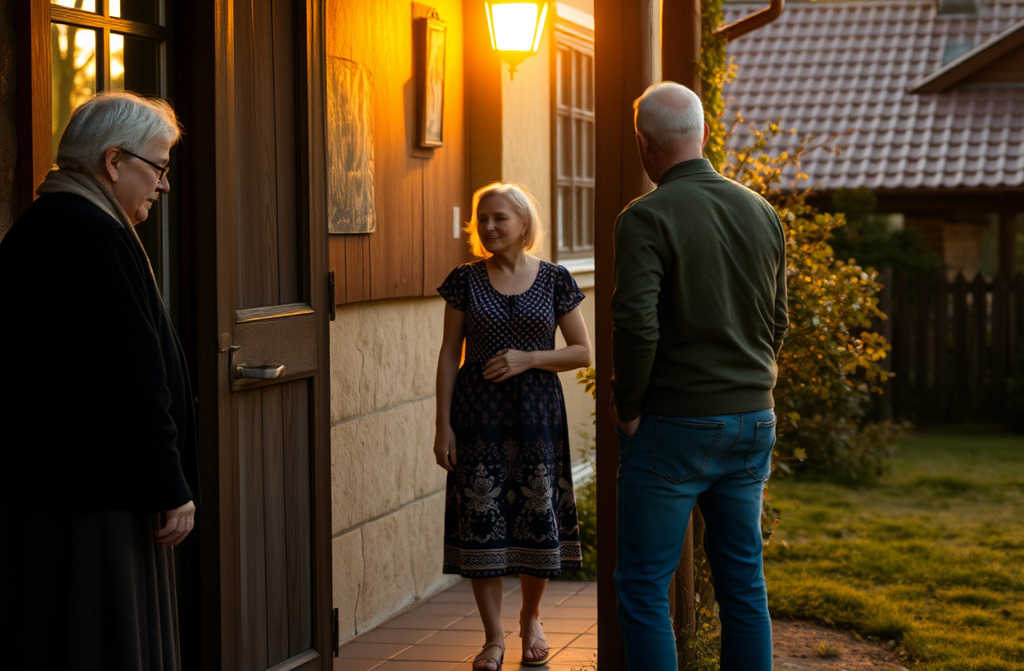
Mum arrived on Monday, brought by a neighbour in his car. She came inside, paused in the sitting room, and sighed.

Everything seems so small, she said quietly. I remembered it as bigger.

You havent been here in thirty years, Mum.

Thirty-two.

She wandered into the kitchen, ran her hand along the countertop.

It was always cold in here. Dad promised to put in central heating, but never got round to it.

Michael heard exhaustion rather than nostalgia in her voice. He poured her tea and settled her on the verandah. She sat gazing into the garden, talking about how hard it was to carry water, how her back ached after laundry, how the neighbours gossiped. Listening, Michael realised this house was less a nest to her, more an old wound.

That evening, after Mum went to bed, Michael and Andrew sat by the fire in the garden. The kids were asleep, Jane read by candlelightelectricity was still only in half the house.

Why are you doing all this? Andrew asked, staring into the flames.

I wanted us all together.

We see each other on holidays.

Its not the same.

Andrew smirked. Mike, youre a dreamer. You reckon if we stick it out here three weeks, well grow closer?

I dont know, Michael admitted. I just wanted to try.

His brother was quiet, then said more gently:

Im glad you started this, honestly. Just dont expect miracles.

Michael didnt. But he couldnt help hoping.

The following days were busy. Michael mended the fence, Andrew helped repair the old sheds roof. The boyBenwas bored at first, but then found some old rods in the shed and spent hours at the river. The girlEmilyhelped her grandmother weed the makeshift garden Michael had scraped out near the southern wall.

One afternoon, while painting the verandah together, Jane suddenly laughed.

Were like a bunch of commune-dwellers!

At least communes had a plan, Andrew grumbled, but he smiled.

Michael noticed the tension slowly melting away. Evenings found them dining at the long verandah table: Mum made soup, Jane baked pies from hand-churned cottage cheese bought from a neighbour. Conversation turned to little things: where to get mosquito netting, whether the grass should be mowed by the window, had anyone fixed the water pump.

But one night, after the children had gone to bed, Mum said, Your father wanted to sell this house. The year before he died.

Michaels hand paused on his mug. Andrew frowned.

Why?

He was tired. Said the house was an anchor. Wanted to move to town, buy a flat near the hospital. I wouldnt have it. I thought this was our legacy, this house. We argued. He never sold, then he died the next year.

Michael set down his mug.

Do you blame yourself?

Im not sure. I just…I got so worn out by the place. Its a constant reminder I insisted, and he never got the rest he wanted.

Andrew leaned back in his chair.

Mum, youve never told us this.

You never asked.

Michael looked at his mother thenstooped, hands gnarled by workand realised the house meant burden, not treasure, to her.

Maybe we shouldve sold it, he said quietly.

Maybe, Mum agreed. But you all grew up here. That means something.

What does it mean?

She met his gaze.

It means you remember what life felt like before everything scattered us.

Michael didnt believe those words right away. But the next day, when he, Andrew, and Ben went to the river and Ben landed his first perch, Michael watched his brother throw an arm around his son and laughgenuinely, unguarded. That evening, listening to his mother tell Emily how, on this very verandah, shed taught their father to read, Michael heard acceptance in her voice, not pain. Maybe, finally, some peace.

Theyd decided to leave on Sunday. The night before, Michael heated up the bathhouse, and everyone piled in for a steam, then tea on the verandah. Ben asked if theyd come back next year. Andrew glanced at Michael but didnt reply.

In the morning, Michael helped load the car. Mum hugged him before they left.

Thank you for inviting me.

I hoped it would be better.

It was. In its own way.

Andrew clapped Michael on the shoulder.

Sell if you want. Im fine with that.

Well see.

The car rattled away and the dust settled on the lane. Michael went back inside. He made a sweep of the rooms, packed up the leftover crockery, took out the rubbish. Then he closed the windows and locked the doors. He dug from his pocket an old iron lock hed found in the shed, and fastened it to the gate. It was heavy and rusty, but strong.

Standing by the fence, Michael looked over the house. The roof straight, the porch sturdy, clean windows. It looked alivebut he knew better. A house only lives when it holds people. For three weeks, it had. Maybe that was enough.

He drove away slowly, watching the roof flash in the rearview mirror until the trees hid it. As he rattled up the potholed road, he thought about calling the estate agent come autumn. For now, thoughhed remember those evenings around the table, Mum laughing at Andrews joke, Ben showing off his catch.

The house had done its job. It brought them together. And that, I suppose, is enough to let go without regret.


Rate article
Add a comment

;-) :| :x :twisted: :smile: :shock: :sad: :roll: :razz: :oops: :o :mrgreen: :lol: :idea: :grin: :evil: :cry: :cool: :arrow: :???: :?: :!:

The Last Summer at Home Vladimir arrived on a Wednesday, as the sun hovered near midday and had baked the roof until the tiles crackled. The garden gate had fallen off its hinges years ago; he stepped over it and paused by the porch. Three steps, the lowest rotted through. He tested his weight on the second and went inside. Inside, the air smelled stale, tinged with the scent of mice. Dust lay thick on the windowsills, a cobweb stretched between the old beam and the sideboard. Vladimir muscled open the window, letting in the smell of hot nettles and dry grass from the garden. He walked through all four rooms, making a mental list: wash the floors, check the stove, fix the plumbing in the summer kitchen, throw out everything that had rotted. Then call Andrew, Mum, the nephews. Say: come for August, let’s spend a month here, as we used to. As before—meaning twenty-five years ago, when Dad was alive and every summer the family gathered here. Vladimir remembered making jam in a copper pot, the brothers hauling water from the well, Mum reading aloud on the porch in the evenings. Then Dad died, Mum moved to the city with the youngest son, the house was boarded up. Vladimir still came once a year, checking to see if anything had been stolen, and then left. But this spring something clicked: he needed to try to bring back those days. Just once. He worked alone for the first week, cleaning the chimney, replacing two of the porch boards, washing the windows. He drove into town for paint and cement and arranged with an electrician to fix the wiring. The parish council chairman met him at the shop and shook his head: “Why put money into this old place, Vlad? You’ll sell up anyway.” “I won’t, not before autumn,” Vladimir replied and moved on. Andrew and his family arrived first, on Saturday evening with his wife and their two children. He stepped out, looked around the garden, and grimaced. “Seriously, a whole month here?” “Three weeks,” corrected Vladimir. “Fresh air for the kids, and you could use it too.” “There isn’t even a shower.” “There’s the old bath house. I’ll light it tonight.” The children, an eleven-year-old boy and an eight-year-old girl, wandered out to the swings Vladimir had hung from the old oak tree the day before. Andrew’s wife, Svetlana, silently hauled the groceries into the house. Vladimir helped unload the car. His brother still scowled but said nothing. Mum arrived Monday, brought by a neighbour. She walked inside and paused in the lounge, sighing. “Everything’s so small,” she murmured. “I remembered it bigger.” “You haven’t been here in thirty years, Mum.” “Thirty-two.” She went to the kitchen, running her hand over the counter. “It was always cold here. Dad promised to put in heating but never got round to it.” Vladimir heard not nostalgia in her voice, but weariness. He poured her some tea and settled her on the porch. She gazed out at the garden and talked about hauling water, the aching back after laundry days, the chatter of the neighbours. Vladimir listened and understood that, for her, this house wasn’t a nest but an old wound. That evening after his mum went to bed, he and Andrew sat round the fire in the garden. The children were asleep; Svetlana read by candlelight—the electricity only worked in half the house. “Why are you doing this?” Andrew asked, watching the flames. “I wanted to get us all together.” “We see each other at the holidays.” “It’s not the same.” Andrew smirked. “Vlad, you’re a romantic. You think three weeks here will make us closer?” “I don’t know,” Vladimir admitted. “I just wanted to try.” His brother was quiet, then said, gentler, “I’m glad you did this, honestly. But don’t expect miracles.” Vladimir didn’t. But he hoped. For the next days, they kept busy. Vladimir repaired the fence, Andrew helped patch the shed roof. The boy, Artem, bored at first, found old fishing rods in the shed and started vanishing off to the river. The girl, Sonia, helped Grandma weed the vegetable patch Vladimir had hurriedly made by the southern wall. One day, while everyone painted the porch together, Svetlana laughed. “We’re like a commune, aren’t we?” “Communes at least had a plan,” Andrew grumbled, but grinned. Vladimir noticed the tension fading bit by bit. Every evening they ate round the long table on the porch. Mum made vegetable soup, Svetlana baked pies from cottage cheese bought in the village. Their chats were about small things: mosquito nets, whether to cut the grass under the windows, if the pump was working yet. But one night, with the children asleep, Mum said quietly, “Your father wanted to sell this house. A year before he died.” Vladimir froze mid-sip. Andrew frowned. “Why?” “He was tired. Said the house was an anchor. He wanted to move to the city, get a flat near the hospital. I refused. I thought this was ours, family land. We argued. He didn’t sell, but then he died.” Vladimir put his mug down. “Do you blame yourself?” “I don’t know. I’m just… tired of this place. It reminds me I insisted, and he never got to relax.” Andrew leaned back. “You never told us this, Mum.” “No one asked.” Vladimir looked at his mother—stooped, hands worn from work—and realised: the house wasn’t treasure for her, but a burden. “Maybe you should’ve sold it,” he said quietly. “Maybe,” she agreed. “But you grew up here. That has to mean something.” “Mean what?” She met his eyes. “That you remember who you were, before life scattered you.” It wasn’t until the next day, when he, Andrew, and Artem went to the river and the boy caught his first perch, that Vladimir saw his brother put an arm round his son and laugh—lightly, openly. That evening, when Mum told Sonia how she’d taught her father to read on that very porch, Vladimir heard not pain, but something else in her voice. Maybe forgiveness. Departure was set for Sunday. The night before, Vladimir fired up the old bath house, they all soaked together, then drank tea on the porch. Artem asked if they’d come next year. Andrew looked at Vladimir but said nothing. Morning, Vladimir helped load the car. Mum hugged him at the gate. “Thank you for inviting us.” “I hoped it would be better.” “It was good, in its own way.” Andrew clapped his shoulder. “Sell if you want, I don’t mind.” “We’ll see.” The car left, the dust settled on the lane. Vladimir turned back to the house, tidied dishes, took out the rubbish, shut the windows, locked the doors. He pulled out the old heavy padlock from his pocket and fastened it onto the garden gate. It was rusty, but strong. He stood at the driveway, looking at the house. Straight roof, solid porch, gleaming windows. It looked alive. But Vladimir knew it was a trick. The house lives when there are people inside it. For three weeks, it was alive. Maybe that was enough. He got in his car and drove away. In the rear-view mirror, the roof glinted, then the trees hid it from view. Vladimir drove slowly down the rough old lane, thinking that come autumn, he’d call an estate agent. But for now—for now, he’d remember them all at the table, Mum laughing at Andrew’s jokes, Artem showing off his catch. The house had done its job. It had brought them together. And maybe that was enough to let it go, without pain.
A Portly Gentleman Weds a Robust Lady, and on Their Wedding Day, She Unveils a Wonderful Surprise.